In real rooms
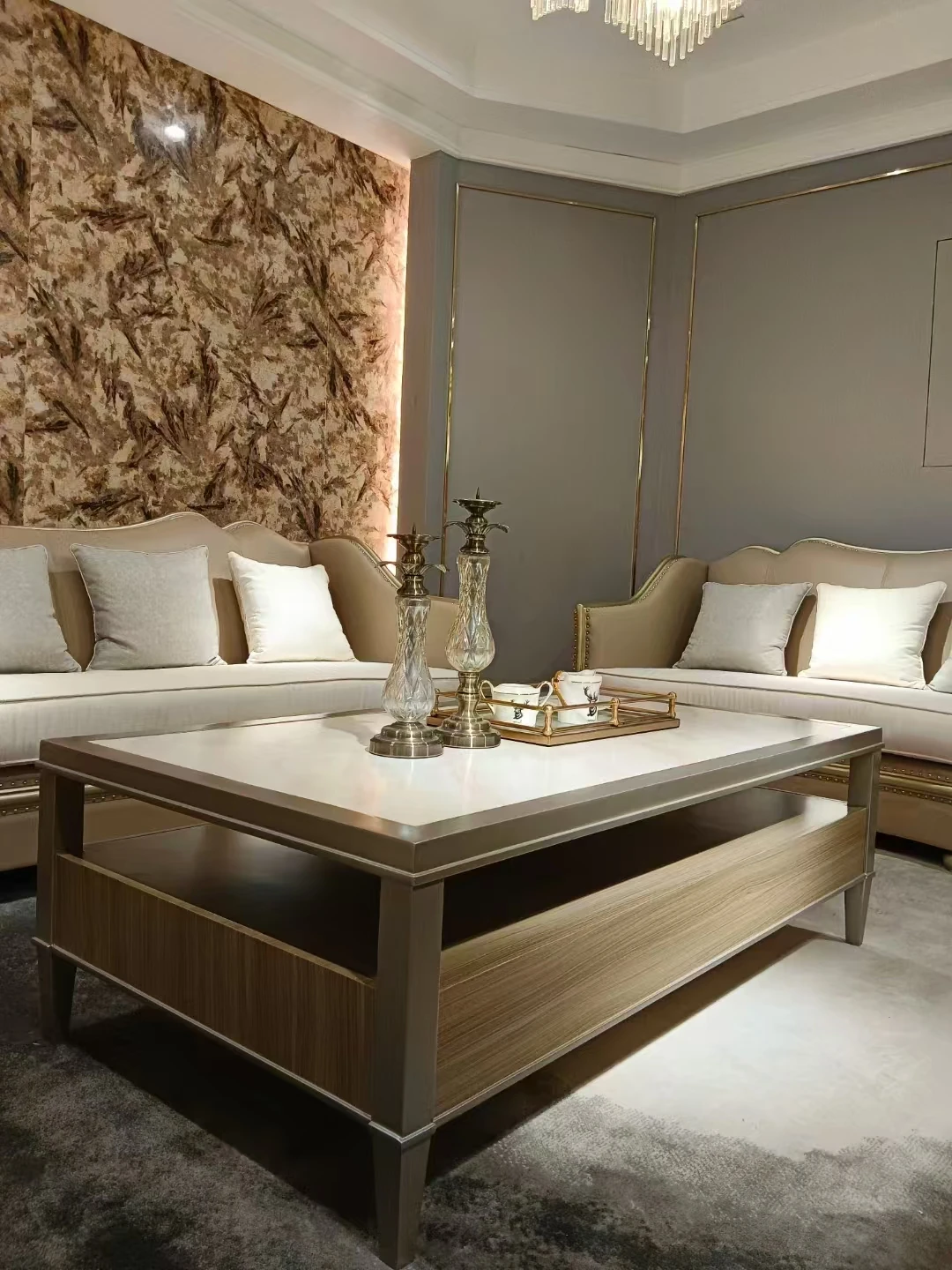
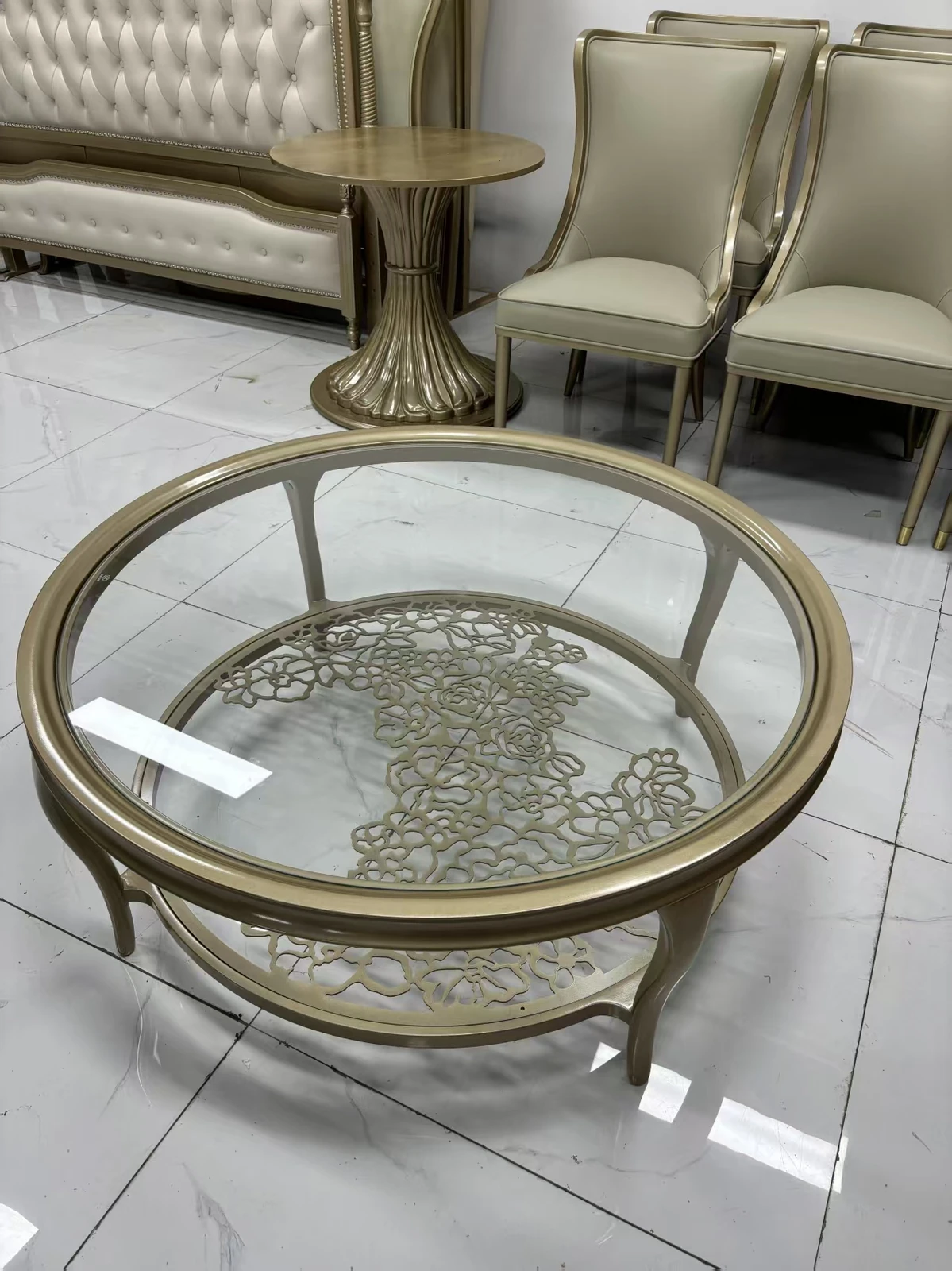
Before browsing, measure your intended spot: height of the adjacent sofa or bed, width of the gap, and how much floor space remains for clearance. A 45–60 cm height pairings works for most lounges; deeper tables suit larger rooms but choke narrow passages. Compare leg design, material weight, and whether the top overhangs without catching shins. Ask the retailer about load capacity, moisture resistance, and assembly requirements — especially critical in humid Southeast Asian climates and compact Japanese apartments. Confirm the return window and delivery terms before committing.
A durable side table demands solid hardwoods such as teak, oak, or acacia, which resist warping and swelling in the humid climates of Singapore, Malaysia, and Thailand, as well as seasonal shifts in Japan and Korea. Avoid engineered woods like particleboard or MDF, which degrade rapidly when exposed to moisture. Look for joinery techniques like mortise-and-tenon, wedged tenons, or reinforced dowels; hardware-only assemblies tend to rattle loose. The finish should be smooth and uniform, with no visible seepage in corners. Legs must sit perfectly flush without wobble under pressure. Inspect metal frames for weld integrity and powder-coating consistency. Warning signs include lightweight feel, uneven gaps, visible glue strings, plastic drawer glides, and any scent of formaldehyde. Heft and honest materials matter.
Side table choices reflect each country's living context. Singapore's compact HDBs favour lightweight, multi-tier tables with storage to maximise space. Malaysia's tropical humidity calls for moisture-resistant materials like teak or rattan, suited to open balconies. Japan's minimalist apartments demand wall-mounted or nesting tables that disappear when not in use. Korea's floor-seating culture requires low-profile tables around 40cm high, compatible with ondol heating. Thailand's indoor-outdoor flow benefits from weather-treated surfaces that transition seamlessly between living room and terrace. These differences highlight why a one-size-fits-all approach falls short across Asia.
Most shoppers in Singapore, Malaysia, Japan, Korea, and Thailand want three things clear before they click “order”: exact dimensions and whether it will fit their space; material care—how to clean scratches or water rings without damaging the finish; and delivery time, including whether it arrives assembled or needs simple self‑assembly. They also ask if the table is stable on uneven floors, whether it matches their existing sofa or bed frame, and if there’s enough storage or shelf space for everyday items. Answering these points plainly helps buyers feel confident, reduces returns, and saves time for everyone.
Side tables are not just decorative accents in Singapore, Malaysia, and Thailand—they are practical solutions shaped by climate and urban living. Most buyers in these countries live in apartments or condos where floor space is at a premium, and a compact side table fits neatly beside a sofa or bed without overwhelming the room. The humid tropical climate also demands materials that resist warping and mould, making material choice critical. Teak, metal with powder-coated finishes, and tempered glass hold up far better than solid pine or untreated wood. Beyond function, side tables serve as convenient surfaces for drinks, remotes, and phones in homes where living and dining areas merge. For buyers in Japan and Korea who face similarly tight spaces, these same principles apply. Understanding how climate, space constraints, and daily routines influence side table selection helps buyers avoid costly mistakes and choose pieces that last.
Before purchasing a side table, measure your available space carefully, including the height and width needed alongside your sofa or bed. Check the table's weight capacity if you plan to place heavy lamps or electronics on it. Compare materials: solid teak and acacia resist humidity well in Singapore and Malaysia, while lacquered finishes suit Japan and Korea's dry interiors. Consider whether the table needs wheels for easy movement or fixed legs for stability. If you live in a compact HDB or apartment, a foldable or nested design saves floor area. Look at storage options like drawers or shelves if you need to keep remotes and magazines hidden. Verify that the product includes assembly instructions and whether tools are needed. Finally, check the return policy and delivery coverage for your city, as options vary across Bangkok, Seoul, and Kuala Lumpur.
The longevity of a side table depends mainly on the materials used and how it is assembled. Solid hardwoods such as teak, oak, or walnut resist warping and cracking in humid climates common across Singapore, Malaysia, and Thailand, while engineered wood or particleboard tends to swell and degrade faster unless sealed properly. Metal frames made from steel or aluminum are durable if powder-coated or galvanized to prevent rust, especially in coastal areas. Construction method matters: tables with dovetail, mortise-and-tenon, or welded joints last longer than those relying solely on staples, nails, or adhesive. Look for reinforced corners, thickened edges, and sturdy fastenings that hold under daily use. In Japan and Korea, where seasonal humidity changes can stress materials, stable finishes and sealed edges help preserve appearance and structure over time.
Buyers often pick a side table that looks good online but fails in their home. A common error is ignoring humidity; solid wood can warp in Singapore or Bangkok's tropical climate, while rattan may grow mold if placed near a bathroom. Choose marine-grade plywood or treated teak for durability. Another mistake is overlooking scale; small apartments in Tokyo and Seoul need compact tables with slim profiles to avoid crowding the room, not bulky designs. Always measure your space and doorways before ordering. Don't forget surface stability; a table that wobbles will frustrate daily use, especially on uneven floors common in older buildings across Kuala Lumpur and Seoul. Check for adjustable feet. Finally, match the table height to your seating. A side table next to a low Korean floor cushion should be lower than one beside a Western-style sofa to remain functional and visually balanced.
Humidity is the biggest threat to side tables in tropical and East Asian climates. Wood, especially untreated solid timber, absorbs moisture from the air, which causes swelling, warping, and joint failure over time. Keep your table away from open windows, exterior walls, and bathrooms where dampness collects. Use silica gel packs or a dehumidifier in rooms with poor ventilation. Wipe spills immediately—standing water leaves white rings on finished wood. For metal frames, check for rust around welds and joints every few months, and touch up scratches with clear nail polish or a matching sealant. If your table has a rattan or wicker top, avoid placing it in direct sunlight, which makes natural fibres brittle. A thin acrylic mat under glasses and drinks provides an extra layer of protection. Store spare coasters nearby so nobody forgets.
Answers to what Singapore buyers ask most
Want the longer version? Browse all buying guides for this category.