How to Match Furniture to a Warm Minimal Interior
Creating a warm minimal interior within the confines of a Singapore high-rise requires precision and patience. Many homeowners in estates like Tampines and Bedok struggle with the balance between keeping spaces open and ensuring they feel lived-in. The aesthetic relies on soft neutrals, tactile materials, and functional pieces that do not overwhelm the room volume. When selecting items, consider the physical dimensions first. A typical public housing lift opening measures approximately 110 centimeters in width and 210 centimeters in height, yet turning radii can restrict entry for large pieces. Before ordering a solid wood sofa or a marble table, measure these clearances. You might find that a modular arrangement works better than a single bulky unit. The goal is to allow light to pass through the room while introducing natural textures that ground the space. This approach prevents the sterile feeling often associated with stark white interiors.
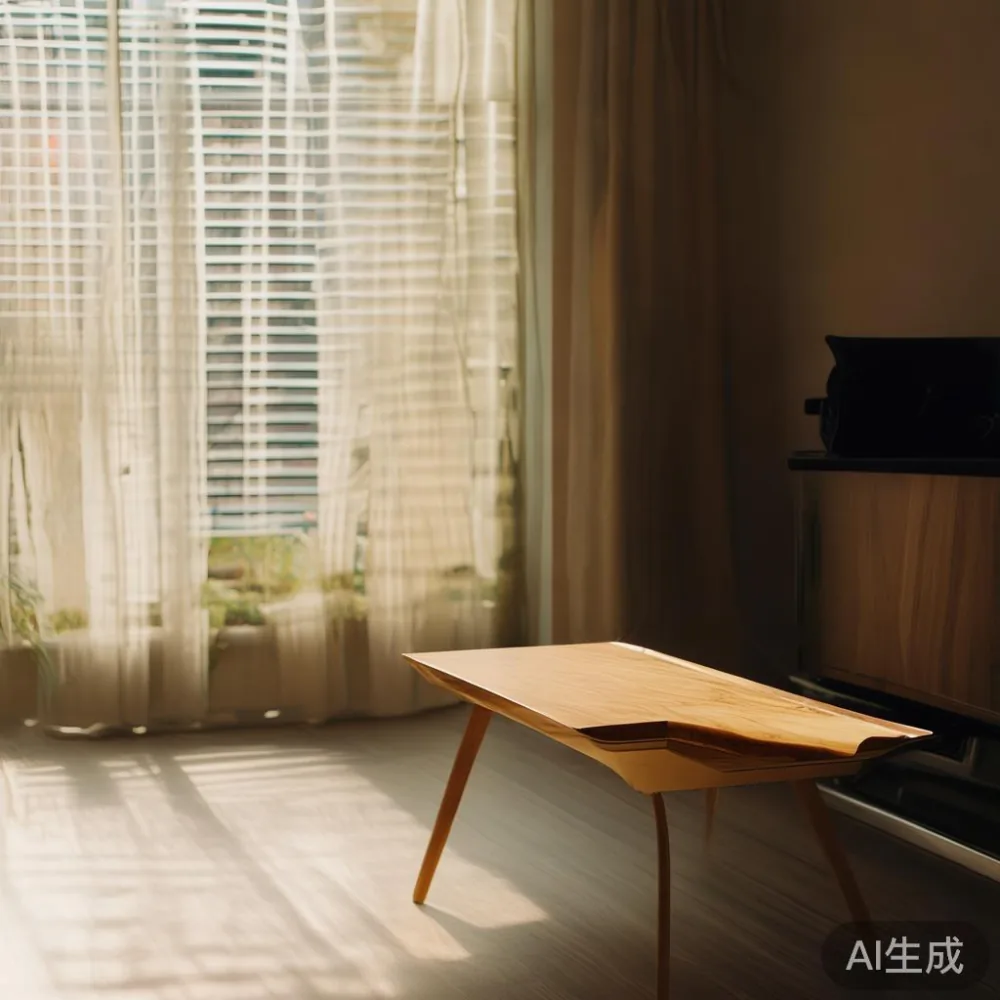
Last month I visited a condo unit in Punggol to consult on their layout plan. The owner wanted to introduce warmth but feared clutter. We discussed how a simple side table could anchor the seating area without adding visual weight. By choosing a piece with tapered legs and a matte finish, we maintained airiness. The homeowner noted that the previous set blocked the view from the window. This adjustment cost nothing but improved the perceived square footage significantly. In similar scenarios, measuring the corridor width is equally critical. Many older HDB corridors narrow down to 90 centimeters, requiring furniture to be disassembled for transport. Knowing these limits beforehand saves time and avoids frustration during delivery. Delivery teams often require a minimum path clearance of 85 centimeters to maneuver safely. Planning ahead ensures the transition from the showroom to your living room remains smooth.
Optimizing Materials for Longevity and Style
Material selection dictates the longevity of your investment. Solid wood species like oak and walnut provide durability that engineered alternatives cannot match. For a dining table in a family unit, selecting a slab thickness of 3 centimeters offers stability. Prices in Singapore markets often range between SGD 1,500 and SGD 4,500 depending on the timber grade and finish quality. Adding the current GST rate of 9% to these figures provides an accurate budget expectation. Post-modern light luxury aesthetics often favor mixed materials, combining stone tops with wooden bases. A marble table surface resists heat and stains better than laminate, though it requires periodic sealing. Maintenance schedules vary by material; wood needs oiling every six months to prevent cracking in dry air conditioning environments. Conversely, metal accents need polishing once a year to avoid oxidation. Choosing pieces that withstand daily wear reduces the need for replacements over time.
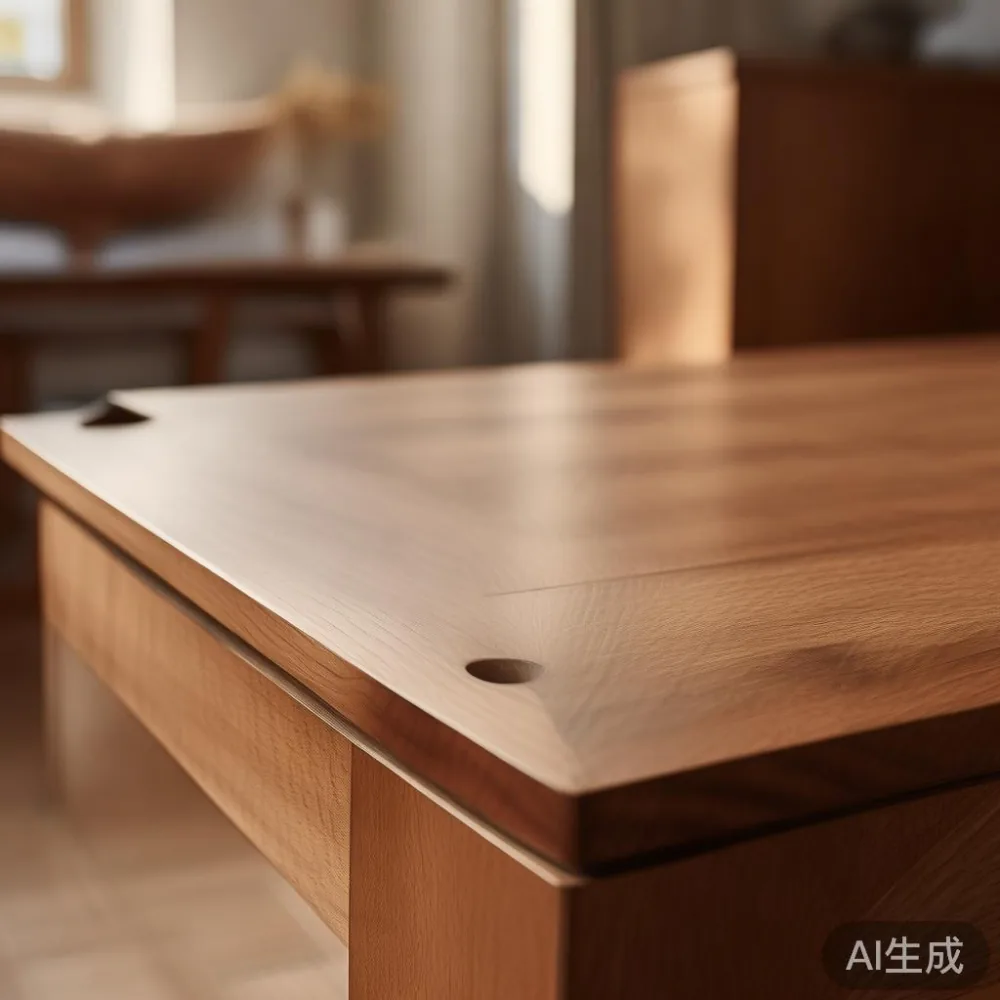
Furniture brands offering extended guarantees demonstrate confidence in their construction. A ten-year structural warranty indicates rigorous testing against joint failure. Lifetime refinishing services allow you to restore the surface appearance without buying new items. This sustainability aspect aligns with warm minimal principles that value enduring quality over disposable trends. When evaluating options, ask about the origin of the timber. Sustainably sourced forests ensure that the supply chain meets environmental standards. Heavy pieces, such as a wardrobe weighing 150 kilograms, require reinforced flooring assessment in older buildings. Structural engineers may recommend distributing the load across joists. These technical considerations often go overlooked until installation day. Taking care of these details ensures your home remains safe and functional for decades.
What is the difference between European sectional sofa and modern furniture?
The primary distinction lies in the construction philosophy, where European designs prioritize modular adaptability while modern furniture focuses on streamlined silhouettes. This fundamental difference impacts how you arrange a living room in a compact apartment. European sectional sofas often come with individual modules that can be reconfigured to fit L-shapes or U-shapes depending on the occasion. Modern furniture tends to utilize fixed frames designed to complement specific architectural lines. For a bedroom setup, this choice extends to the bed frame design. Modular systems allow you to adjust headboard positions or leg heights to accommodate storage boxes underneath. Fixed modern frames often sit lower to the floor, emphasizing a horizontal line that makes ceilings appear higher. Understanding this nuance helps you select pieces that match your spatial constraints.
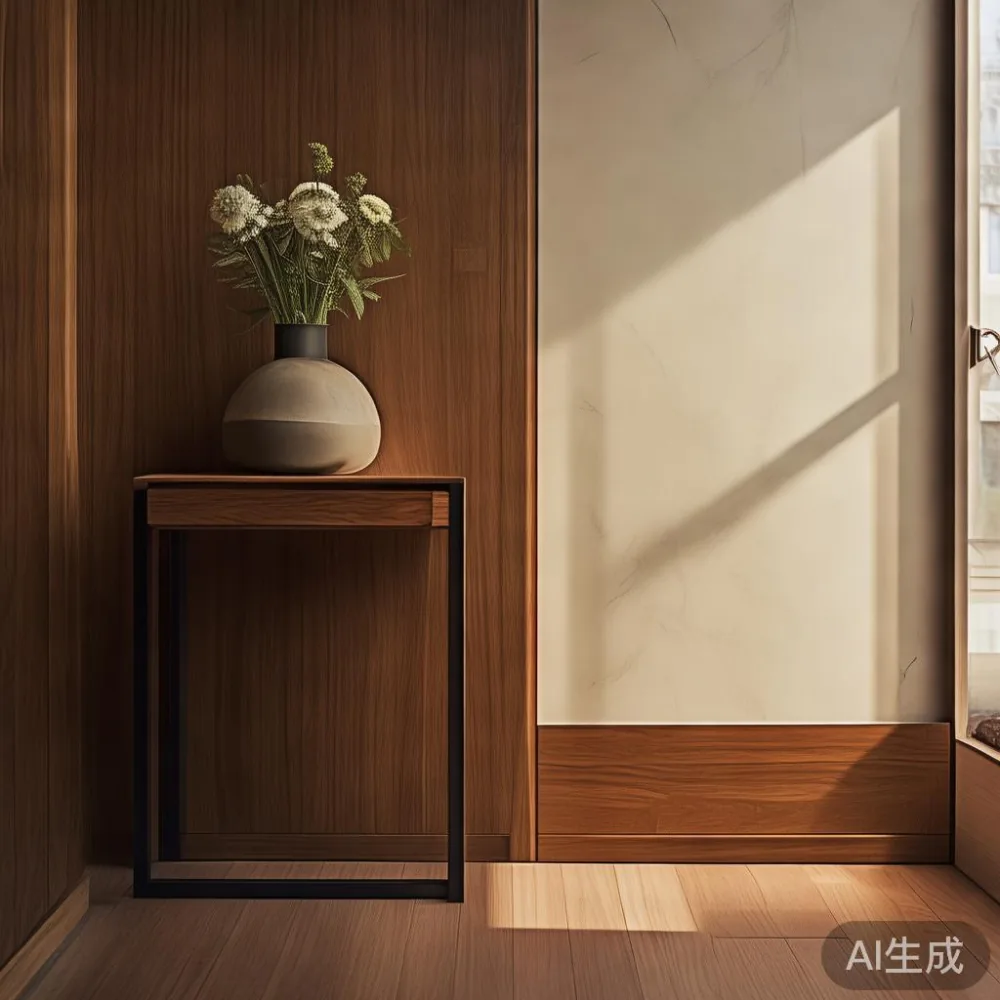
Light luxury positioning further differentiates these categories. French light luxury emphasizes ornate detailing and rich textures, while American light luxury favors cleaner lines and larger proportions. Post-modern light luxury blends both, introducing unexpected shapes or finishes. A nightstand in this style might feature asymmetrical drawers or integrated lighting. These features add character without compromising the minimalist base palette. When browsing showrooms, observe the joinery methods visible on unfinished samples. Dovetail joints indicate superior craftsmanship compared to glued butt joints. Hardware quality also plays a role; soft-close hinges add comfort during late-night use. These small details accumulate to define the quality of the environment. Investing in higher-grade hardware pays dividends in daily usability.
Integrating Workspaces and Living Areas
Remote work has changed how Singaporeans utilize their homes. Blending work zones with living spaces requires careful zoning to maintain mental separation. A standing desk for home office setups allows you to alternate between sitting and standing positions throughout the day. Health benefits include reduced back strain and improved circulation during long hours of computer use. Positioning this station near natural light sources enhances focus and reduces eye fatigue. However, ensure the desk height aligns with the user’s ergonomics, typically around 75 centimeters for seated tasks. Surrounding equipment should remain concealed to keep the visual field clear. Cable management solutions hidden behind desk legs prevent wires from tangling.
Accompanying pieces must support this workflow without intruding on relaxation time. A side table placed beside the workspace holds coffee mugs or reference books, keeping hands free for typing. Selecting a compact model ensures it does not obstruct movement paths during peak traffic hours. Weight capacity is another factor; a sturdy top must hold heavy monitors or printers without sagging. Dimensions around 50 centimeters wide by 40 centimeters deep suit most corner placements. Color consistency ties the workspace to the rest of the room. If your dining table is walnut, matching the desk tone creates continuity. Disjointed color schemes can fragment the visual flow, making the space feel smaller than reality. Cohesion in tone is key to maintaining the warm minimal vibe.
Purchasing Logistics and Final Considerations
Budgeting for furniture involves more than the sticker price. Shipping costs within Singapore vary based on location and accessibility. Free shipping thresholds often start at USD 350 converted to local currency equivalents, which roughly equals SGD 480. Checking for promotions can offset GST costs effectively. Return policies protect buyers who receive damaged goods or mismatched styles. A fourteen-day return window allows sufficient time to assess fit and finish in actual lighting conditions. Keep all packaging until confirmation is complete to facilitate potential returns easily. Customer service responsiveness matters when issues arise during transit. Brands with local warehouses can resolve claims faster than those relying on overseas centers.
MIDHILL has operated since 2008, exporting to regions beyond just Asia Pacific. Their reputation for solid wood construction appeals to clients seeking durability. Warranty terms like ten-year structural coverage provide peace of mind for major investments. Lifetime refinishing options mean you can update the look without replacing the frame entirely. These services are particularly valuable given the humidity fluctuations in tropical climates. Timber responds to moisture changes by expanding or contracting slightly. Proper acclimatization periods upon delivery help mitigate potential warping. Allow forty-eight hours before using new pieces to let them settle into the indoor environment.
Planning your final arrangement involves walking through the intended paths. Ensure a side table does not impede the flow towards the balcony or kitchen. Visualizing the footprint on graph paper can reveal spatial conflicts early. Measure the distance between walls and furniture edges to confirm breathing room exists. A gap of 60 centimeters allows two people to pass comfortably. Tighter squeezes create congestion points that frustrate daily routines. Lighting placement also interacts with furniture scale. Low lamps cast pools of light that emphasize texture on wood surfaces. Tall floor lamps draw the eye upward, counteracting low ceiling heights found in some older units. Balancing these elements creates a cohesive atmosphere that feels intentional rather than accidental.
Final checks should include verifying hardware tightness on all screws and bolts. Over time, vibrations from closing doors or walking can loosen connections. Annual tightening sessions maintain structural integrity. Dusting frequency depends on household activity levels; active families with children may need weekly cleaning to preserve finishes. Using microfiber cloths captures particles without scratching surfaces. Avoid harsh chemical cleaners that strip protective oils from the wood. Mild soap solutions suffice for routine maintenance. These habits extend the lifespan of items like wardrobes and dining tables significantly. Consistency in care yields long-term savings by delaying replacement cycles.
Adopting a thoughtful approach to furnishing ensures satisfaction regardless of property size. Whether you reside in a four-room flat or a spacious penthouse, the principles of proportion and material harmony apply universally. Prioritize pieces that serve multiple functions where possible. Storage ottomans hide blankets while providing seating. Extendable tables accommodate guests without dominating the room daily. Flexibility allows the interior to adapt to changing life stages. As needs evolve, the core furniture framework remains stable. This resilience defines true value in residential design. Your home should reflect personal history while accommodating future growth. Each piece tells a story of utility and style working together harmoniously.