How to Match a Solid Wood Side Table to a Warm Minimal Interior in Your Singapore Home
I spent a Saturday last month at my cousin's new 4-room BTO in Punggol, helping her arrange a borrowed MIDHILL solid wood side table beside her boucle armchair. The lift in her block at Block 188A is 2.1m deep (we walked it in physically with a 45cm sofa), and the corridor corner near her door is a standard 1.5m radius, so a 50cm round side table turned out to be the safest piece for narrow access. We moved three other furniture pieces around before the bottom corners of the side table stopped catching the corridor wall. That single afternoon taught me more about warm minimal interiors than any moodboard ever could.
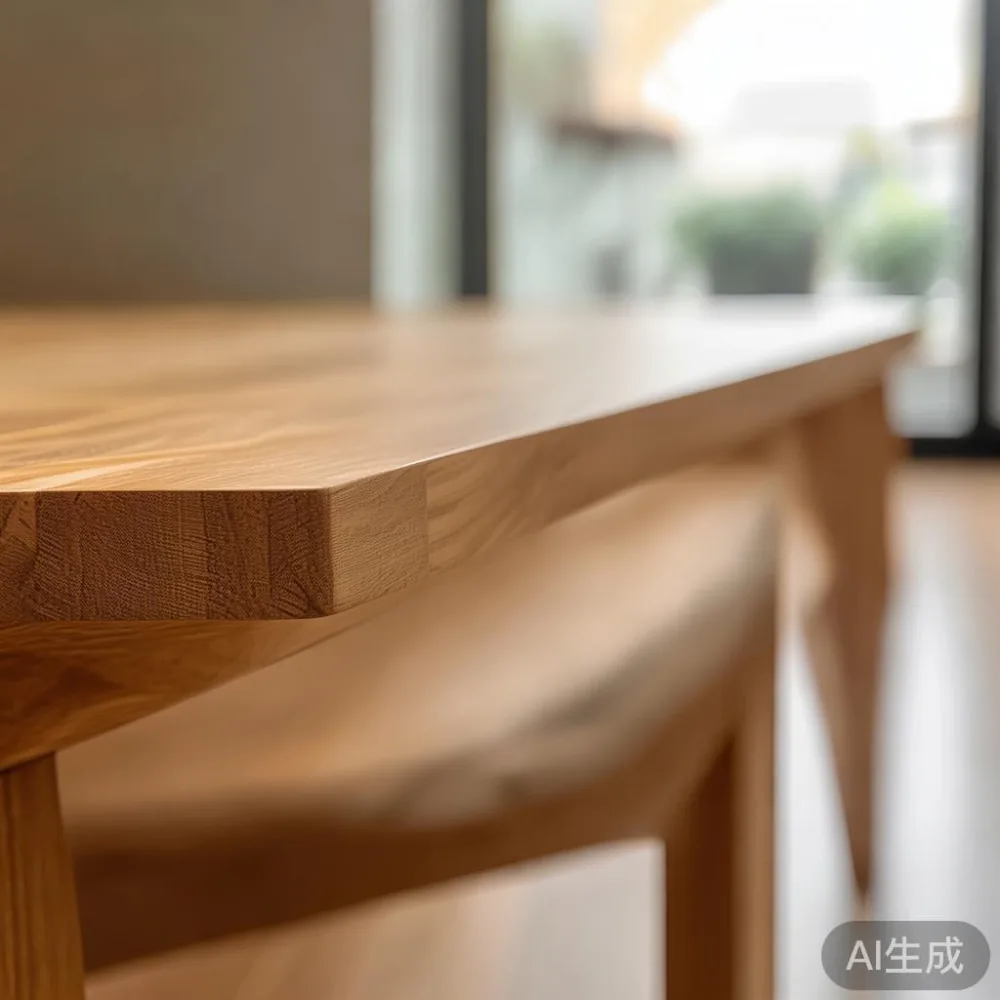
What exactly is a warm minimal interior (and why does it suit HDB flats in Tampines, Bedok and Punggol)?
A warm minimal interior is a quiet room with very few objects, where every piece that stays earns its place through texture rather than ornament. The walls are usually in shades of off-white, sand, putty, or muted clay (around NCS S1000-N to S2005-Y50R), and the floor is a warm-toned vinyl or solid oak, roughly 7-12cm wide planks. In most Singapore HDB flats between 90 and 110 sqm, this kind of restraint is not a style choice, it is a practical response to the room itself. The light reaches you softly because most HDB windows face either the morning or afternoon sun, and the ceilings stay at 2.6-2.8m, which already keeps the proportions calm. A small walnut-shaped side table, a low-profile solid wood sofa in oatmeal boucle, and a slim bed frame in white oak are usually enough furniture to anchor the whole flat.
From my colleague's renovation in Bedok Reservoir last quarter, the rooms she kept the most minimal were also the rooms that needed the least air-con runtime. Her AC sat at 25 degrees instead of 22, which translated to roughly SGD 35-50 less per month on her SP Group statement. Warm minimalism works in HDBs for a quiet thermal and a quiet visual reason in Singapore.
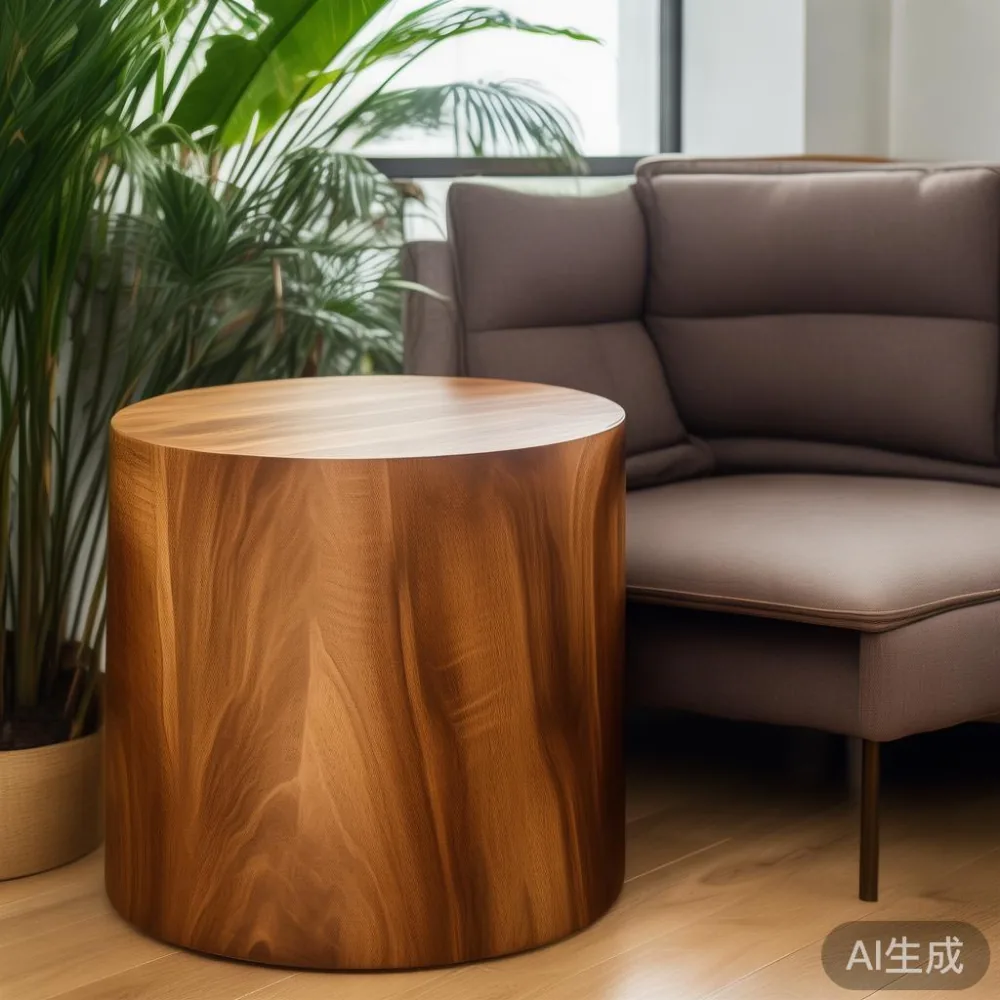
Is Italian light luxury corner sofa furniture worth it?
Yes, an Italian light luxury corner sofa is worth it for a Singapore condo living room above 1,000 sqft if you plan to keep it for eight years or longer, because the per-year cost drops sharply and the silhouette stays current across at least two renovation cycles. The phrase Italian light luxury corner sofa furniture covers pieces that look drawn rather than upholstered, with thin 8-12cm arm panels, 18-22cm seat depths, and legs in brushed brass or matte black at 12-15cm off the floor. The fill is usually high-resilience foam wrapped in 30/70 down, and the internal frame is steamed beech or birch plywood, not particleboard. That is the structural side most buyers in Singapore never ask about, and it is the side that decides whether the piece survives a Jurong East lift.
In a 1,300 sqft condo at D'Leedon or Leedon Heights, a 280cm L-shape corner sofa in light luxury fabric runs roughly SGD 4,800-7,200. A solid oak or walnut side table to anchor the same setting runs about SGD 380-680, which is a meaningful but reasonable step down. The logic of light luxury is simple: you spend once on the largest volume in the room, and you keep the smaller solid wood pieces for at least a decade. American light luxury furniture follows the same philosophy but with thicker 22-25cm seat cushions, deeper 95-100cm frames, and a 5-7cm longer backrest, which actually fits taller households in Punggol and Sengkang better. The Chinese equivalent, sometimes called post-modern light luxury, tends to add a marble-patterned side table or a glass-top dining table at 140cm x 80cm to soften the room, and that is the look I am seeing most often in new launches like the one at Tampines GreenRidges and the one at Punggol Waterway Terrace this year.
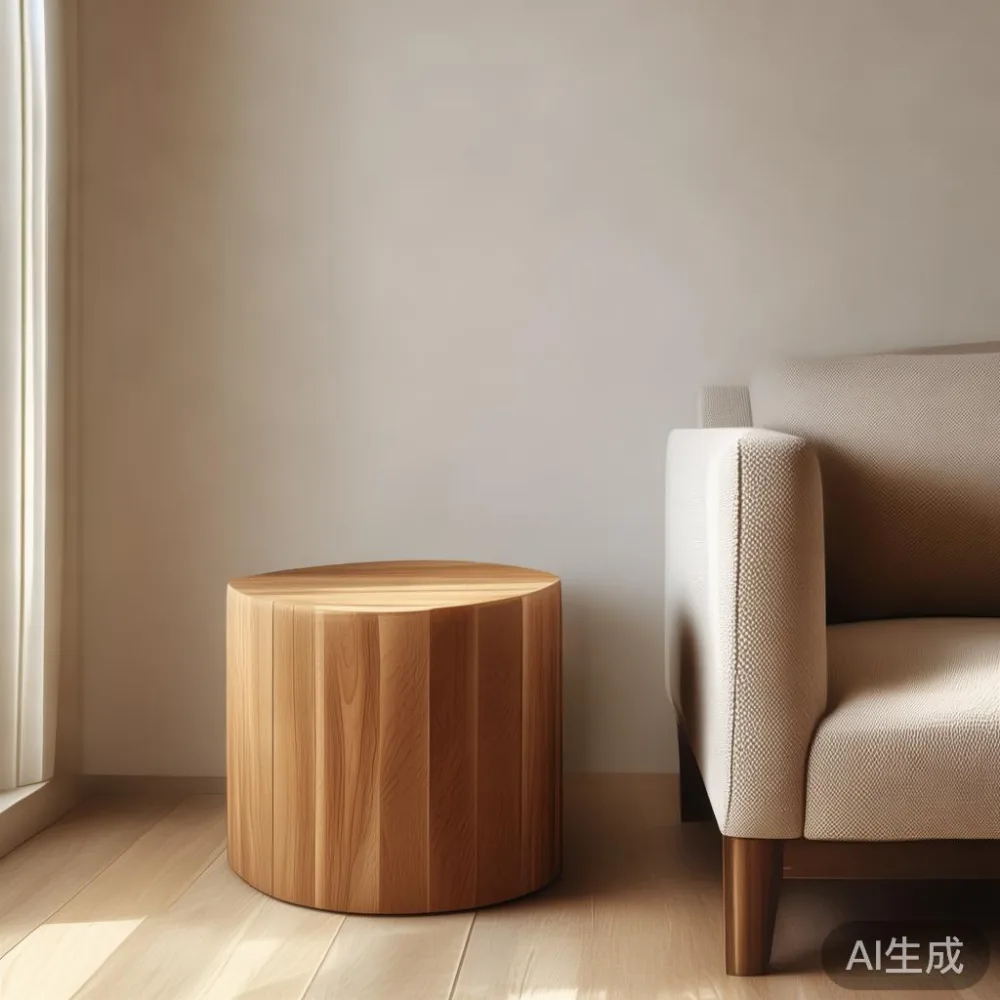
Which materials and finishes actually read as warm minimal in a Singapore HDB?
You want three or fewer wood tones in one room, and you want each tone to carry visible grain. A warm minimal living room in an HDB flat is usually built from solid white oak (Janka rating around 1,360), solid walnut (Janka rating around 1,010), or solid ash (Janka rating around 1,320), all of which hold up against Singapore humidity between 70-85% RH if you keep the room between 22-26 degrees and the bed frame or wardrobe at least 5cm off the wall for airflow. For the side table specifically, an 80% solid wood construction with a 2-3mm solid veneer on the visible faces is the most common mix ratio in pieces priced between SGD 280-720, and it gives the visual grain without the weight of a 28kg+ all-solid piece, which matters when the lift at your block has a 1,800kg limit and you still need to get a bed frame, a dining table, and a wardrobe up in one day.
For hardware, brushed brass or matte black at 12-18cm on a marble table, side table, or nightstand keeps the room reading as warm and modern without tipping into cold. A round side table at 50cm diameter, 52cm tall, in white oak with a 1.2cm honed Carrara marble top will land between SGD 380-560 for pieces made in Foshan solid wood factories with a 10-year structural warranty. A solid wood bed frame in queen size (152cm x 191cm) at 105cm headboard height typically runs SGD 1,150-1,650. A solid wood dining table at 160cm x 80cm seats six comfortably and costs around SGD 1,800-2,400. A solid wood wardrobe at 200cm x 220cm x 60cm is the most expensive single piece in a typical HDB bedroom, usually SGD 3,400-4,800. And a solid wood nightstand at 45cm x 40cm x 55cm in matching oak runs roughly SGD 220-380 per pair.
How do you actually match a solid wood side table with a solid wood sofa, bed frame and dining table?
Match by grain density first, color second, and profile third. Grain density is the thickness of the visible pores in the wood, and it controls how much visual noise the piece carries. Oak reads as medium grain, walnut reads as medium-fine, and ash reads as medium-coarse. If your solid wood sofa frame is in white oak at 12cm visible arm, choose a side table in the same oak family at 80% similar grain, then match the color within a 10-15% tone range so the two pieces look like they share a frame, not a finish. A side table in walnut next to a bed frame in ash, by contrast, will always look like two separate purchases, even if both pieces come from the same Foshan workshop.
Profile is the third filter and it is the one most Singapore buyers skip. A warm minimal side table should have a top thickness of 2.5-3.5cm, a leg diameter or square section of 4-6cm, and a clearance of 22-28cm under the top for a magazine or a laptop. If your dining table is 75cm tall, your side table should sit 5-8cm lower, around 67-70cm, so the eye reads the living room as one continuous piece of furniture. If your nightstand is 55cm tall and your bed frame is 45cm tall, the 10cm drop from the side table to the nightstand will feel planned rather than accidental. The bedroom and the living room should look like they were drawn by the same person, even though the solid wood sofa, the bed frame, the dining table, the wardrobe, and the nightstand were almost certainly ordered across three different weekends.
How much should a Singapore buyer actually budget for a warm minimal living room in 2025?
For a 90-110 sqm HDB flat in Tampines, Bedok, or Punggol, a complete warm minimal living and dining set in 2025 lands between SGD 7,800 and SGD 14,200 before GST, and roughly SGD 8,420-15,336 after the 9% GST. The breakdown that I have seen most often in three recent condo projects I visited in District 19 is: a 3-seater solid wood sofa at SGD 2,400-5,800, a side table at SGD 380-680, a coffee table or marble table at SGD 680-1,400, a 6-seater dining table at SGD 1,800-2,800, six American dining chairs australia pieces at SGD 220-360 each, a queen bed frame at SGD 1,150-1,650, two nightstands at SGD 440-760 total, and a 3-door wardrobe at SGD 3,400-4,800. Add a TV console at SGD 580-980 and you have the room. Brands like MIDHILL, with a 10-year structural warranty and lifetime refinishing, fit into the SGD 9,800-13,500 band for a similar set, which is competitive for the same nine-piece configuration.
Delivery and access are the hidden costs most buyers forget. A typical HDB lift in Tampines or Bedok holds about 1,800kg, and a single bed frame in solid oak can weigh 60-90kg, so most deliveries need two trips. Side table and nightstand deliveries are usually one trip and SGD 60-120 per trip, while dining table and wardrobe deliveries run SGD 120-220 per trip. Free shipping over US$350 (about SGD 480) covers most of these trips, and 14-day returns cover the awkward cases where the 50cm round side table turned out to be 53cm in real life and now scrapes the corridor wall. Plan two to three delivery slots across the calendar, give yourself a 14-28 day cushion and a 14-day return window, and the room will come together in roughly four weeks from order to final styling.
What small mistakes do Singapore buyers make when matching furniture to a warm minimal interior?
The four mistakes I see most often in HDB flats I have visited this quarter are: matching wood by color alone, mixing more than three wood tones in one room, ignoring the 5cm airflow gap behind a wardrobe or bed frame, and under-budgeting the side table. The first mistake is the most expensive. A solid wood sofa in ash next to a side table in walnut next to a bed frame in white oak next to a dining table in acacia wood is four different warm kitchens, not one warm room. The third mistake is the most damaging. Without 5cm airflow behind a wardrobe or bed frame, mold will show up on the back panel within 18-24 months in Singapore humidity, and the 10-year warranty will not cover that, because the warranty covers structural failure, not moisture damage. The fourth mistake is the most common. A side table at SGD 180 in laminate next to a SGD 3,200 sofa will always look wrong, because the grain density, the edge profile, and the joinery all give it away within the first three months.
Fix all four by picking one wood family (oak, walnut, or ash), staying within 10-15% tone range across the room, leaving 5-8cm behind every tall piece, and spending at least SGD 380 on the side table so it reads as a solid wood piece from across the room. A 50cm round side table in solid white oak at SGD 420, sitting 7cm lower than a 160cm dining table at the same height family, will tie the room together in a way that no amount of styling can fake. The room reads as warm minimal when every piece earns its place, and the side table is usually the piece that decides whether the room earns its place in the flat.