Side Tables in Small Singapore Flats: A Practical Guide to Styling Tight Spaces
I spent last Saturday afternoon in a 65 sqm HDB flat in Bedok with a friend who had just taken over the keys from the previous owner. The walls were repainted in a soft warm white, the floors were a basic vinyl plank, and the entire living room measured about 3.2 m by 3.4 m. We moved her existing sofa, dining table, and a bulky television console into the space and within ten minutes the corridor between the kitchen and the window wall narrowed to under 60 cm. That is the everyday reality of a compact Singapore home: lift interiors are typically 1.1 m wide, the corridor furniture lift-up points only fit pieces under 90 cm wide, and a typical three-room BTO flexes around 66 sqm. The question we came back to, after pushing the console against the window, was simple: how do you add function and personality to a flat like this without the visual weight piling up?
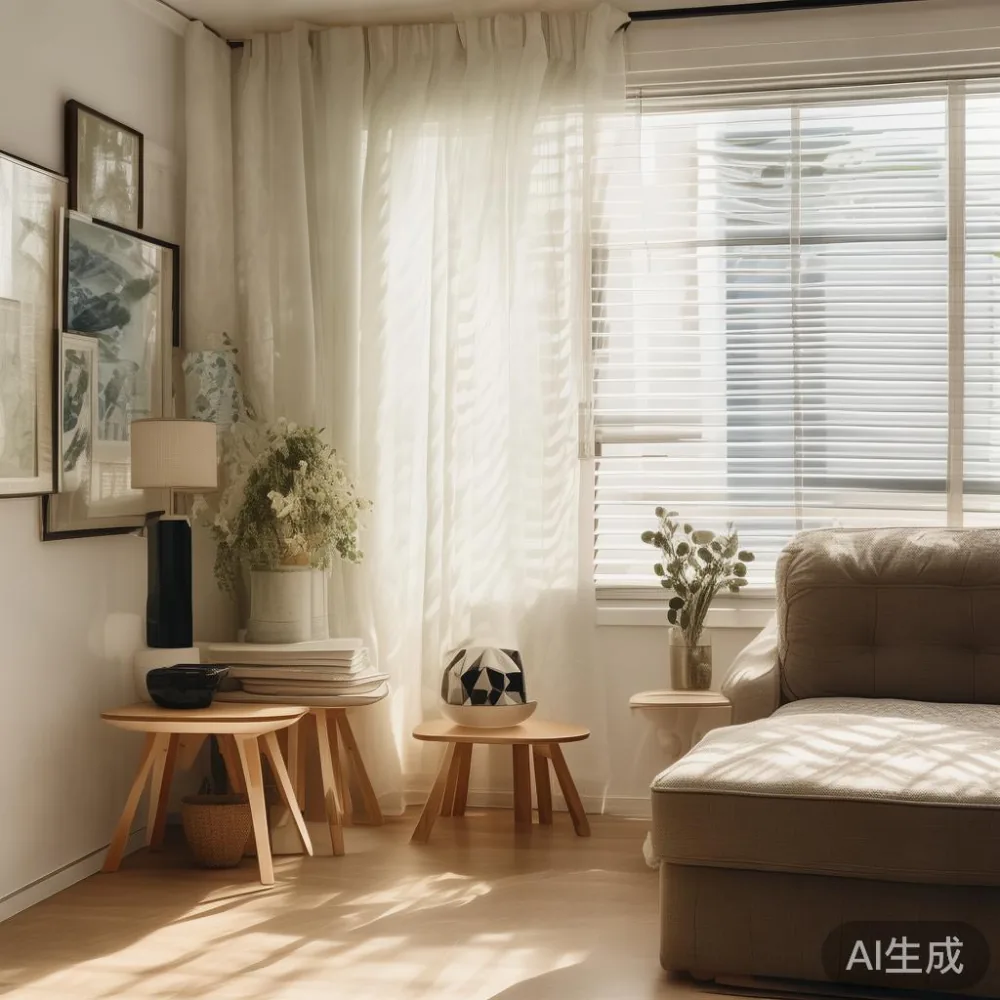
Why does a side table solve more problems in a small flat than a coffee table?
For most HDB and condo layouts under 80 sqm, a slim side table around 40 cm wide and 45 cm deep replaces the visual footprint of a 120 cm coffee table. The surface area drops, but you keep a place for a cup, a book, and a small lamp. When I visited my colleague's new Punggol eco unit last month, she had placed two matching 45 cm round side tables flanking a 180 cm sofa instead of one long coffee table. Walking through felt easier, and she still had room to swing open the balcony door on the far wall. A solid wood sofa paired with these smaller companions reads intentional rather than tight, because the eye registers the empty floor between the legs.
The other reason a side table pulls ahead in tight Singapore homes is flexibility. You can slide it next to a reading chair in the evening, drag it to the dining zone for an extra guest, or tuck it against the wall when the in-laws visit. The standard lift door opening in most HDB blocks is around 80 cm, which means any piece wider than that has to be assembled in the unit. A 45 cm side table clears the lift easily and the corridor turning radius around the staircase landing. That logistics fact alone shapes what people actually buy.
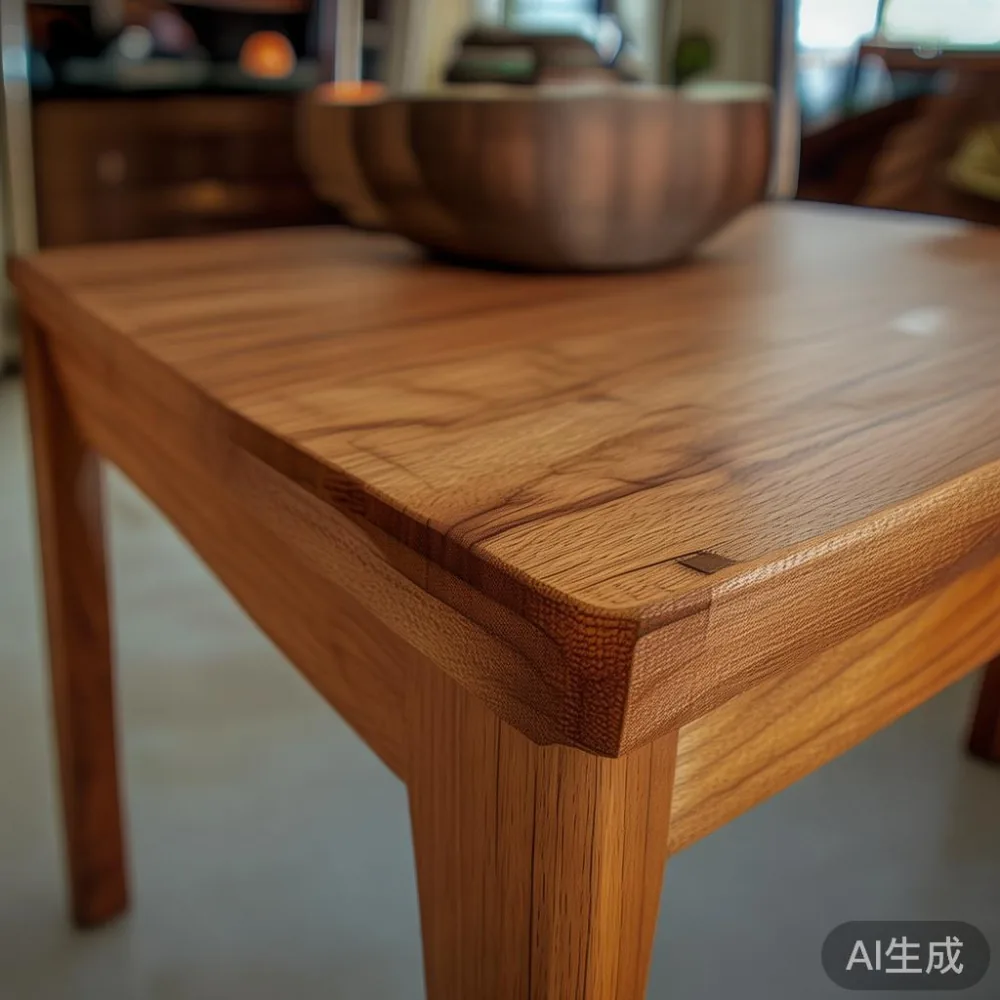
What size and material actually work in a Tampines or Bedok flat?
Numbers help here. For a living room under 12 sqm, keep the side table top under 50 cm in any direction, and aim for a height within 5 cm of your sofa seat (usually 40 to 45 cm). Anything taller starts to cut off sightlines across the room, which is the opposite of what a small space needs. For a bedroom nightstand, 40 cm deep by 35 cm wide is a sweet spot that fits beside a standard queen bed frame (152 cm by 188 cm) without crowding the wardrobe door swing.
Material matters as much as size. Marble in this particular case is striking, but a 45 cm marble top can weigh 18 to 22 kg, which makes moving it for cleaning more of a chore. Solid rubberwood or ash tops sit closer to 6 to 8 kg for the same size and still give you the European light luxury dining table feel when you match them with the right dining chairs. If you are pairing the side table with a solid wood bed frame in warm oak, go for a top in a slightly cooler tone to keep the contrast gentle. If your bed frame is painted white, a warmer wood top ties the room together. MIDHILL furniture in this category tends to use kiln-dried ash or rubberwood at around 1.8 cm thickness, which holds a routered edge cleanly and resists the humidity swings that come with Singapore's 80% average afternoon humidity.
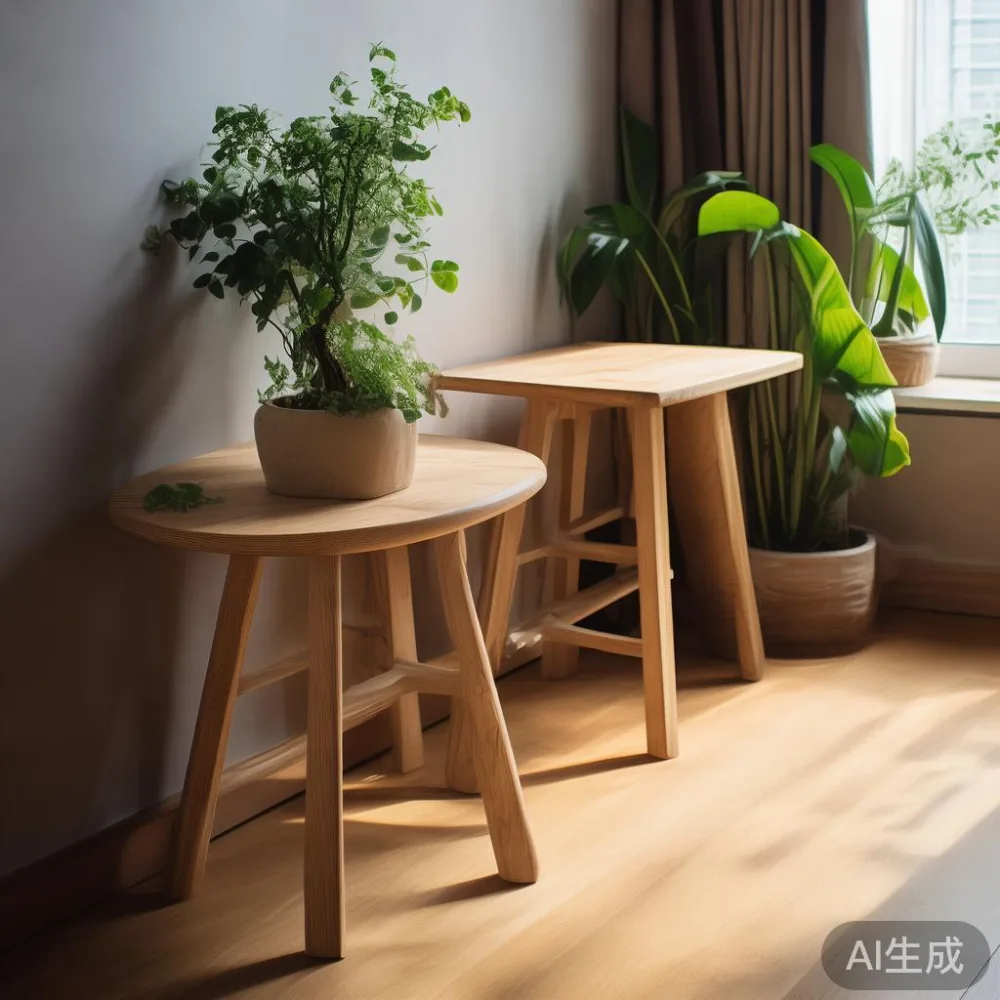
How do you mix light-luxury styles without making the room feel busy?
Light luxury as a category shows up in three main flavors in the local retail scene: French light luxury with carved cabriole legs and brass-tip toes, American light luxury with cleaner shaker-style lines and matte finishes, and post-modern light luxury with curved edges, mixed metals, and bolder colour. Each can coexist with a small-footprint side table, but you have to pick a lead style for the room and let the other pieces support it. In a 4-room HDB, one lead style is enough.
For example, a French-provincial living room with a tufted sofa and a carved wooden frame will pair naturally with a side table that has a gentle bow front and a soft distressed finish. That is the cheap French provincial furniture route that keeps the budget under control. If the sofa is more linear, lean toward the European light luxury dining table language across the whole home, with tapered legs, simple aprons, and an unfussy top. The risk comes when you mix all three at once. I have walked into Tampines resale flats where the dining table, the side table, and the wardrobe each came from a different style family, and the room felt like a clearance corner instead of a home. Pick one, repeat the language in two pieces, and let the third piece stay neutral.
What layout choices keep the corridor between kitchen and living room clear?
Singapore HDB floorplans tend to push the dining area near the kitchen entrance, and that creates a 90 to 110 cm corridor that gets blocked the moment a chair pulls out. The fix is to choose a dining table that seats your usual number with one less chair than you think you need. A 120 cm by 70 cm table seats four comfortably and six with a little squeeze, but in a tight flat it seats three daily and handles a fourth for guests. Match it with chairs that are under 50 cm deep so they tuck fully under the apron.
Side tables handle the rest of the clutter. One beside the sofa holds the things that usually end up on a coffee table. One beside the reading chair holds the lamp and the book. The bedroom gets a small nightstand with a single drawer, around 40 cm deep, which clears the wardrobe door swing (typical wardrobe doors need 55 to 60 cm of clearance to open fully). MIDHILL French provincial wardrobe pieces in 120 cm widths actually fit a four-door configuration that opens without eating the room, which is not always the case with cheaper flat-pack imports that ship at 180 cm and have to be assembled in the corridor.
How do you handle GST, delivery windows, and after-sales without the headache?
Singapore adds 9% GST to most imported furniture at the point of customs clearance. For a single side table at S$450, the landed cost rises to around S$490. A full room set (side table, coffee table, dining table for four, two nightstands) at S$3,800 before GST lands around S$4,142. Free shipping thresholds matter: most direct-from-Foshan brands only waive freight above US$350, which is roughly S$470, so even a single side table plus a chair clears it.
Delivery to a Tampines or Punggol unit typically takes 35 to 50 days from a Foshan warehouse by sea freight, plus another 5 to 7 days for last-mile delivery and lift-up. Lift-up charges in Singapore run S$40 to S$80 per floor depending on the building, and HDB blocks above the 12th floor sometimes need a longer booking window with the Town Council. Ask for the packaging dimensions before you confirm: a 45 cm side table should arrive in a carton under 55 cm by 55 cm by 50 cm, which fits a standard lift. If the carton is bigger, the driver will refuse to take it up and you end up paying for staircase landing delivery, which can add S$120.
Warranty terms vary widely. Solid wood pieces from established Foshan makers like MIDHILL usually carry a 10-year structural warranty on frame and joinery, plus lifetime refinishing services that include one round of colour refresh and sanding within the first five years. Returns are usually accepted within 14 days for unused pieces in original packaging, which matters when you order a side table online and want to confirm the actual colour matches the rest of the room. Read the small print on assembly fees too. Some brands include assembly in the unit, others charge S$60 to S$120 per piece, and a flat-pack bed frame can take a competent handyman 2 to 3 hours.
Which side-table styles match common HDB interior directions?
For the Scandinavian-pale direction that dominates new BTOs in Punggol and Sengkang, go with a light oak or ash top, turned legs, and no drawer. The visual weight stays low. For the warm Muji direction, a solid rubberwood top at 2.5 cm thickness with a small lower tier gives you a place for magazines. For the post-modern light luxury direction, a curved-edge top in a darker walnut stain with brushed brass legs reads current without overwhelming the room. The same logic applies when you choose a Mid-century modern for apartment setting: tapered legs, low profile, warm wood. The shared principle is that the side table should never be the loudest piece in the room. In a small flat, that role belongs to one anchor piece, and the rest should support it.
One last detail that helps in tight Singapore spaces: ask for the side table in a height that matches your sofa arm exactly. A 5 cm difference is enough to make a side table look like an afterthought. When I helped my friend settle on two 45 cm round side tables to flank her 86 cm-tall sofa arms, the room looked intentional within an hour. The tables stayed clear of the corridor, the lift took them up without a booking, and she paid S$218 each, landed, with assembly included. If you compare the European light luxury sofa vs French provincial sofa question, the side tables beside them can actually be the same shape in either room, which keeps the budget honest and the look cohesive.