Beyond the Surface: The True Cost of Your Side Table Over 5 Years
When furnishing a Singapore home, every purchase is a decision made with limited space and a long-term perspective in mind. In a compact HDB flat in Tampines or a streamlined condo in Punggol, a side table is more than just a surface; it's a functional piece that must fit within strict corridor widths and lift dimensions. The choice between veneer and solid wood for this small but significant item can have a surprising impact on your budget over five years. This article provides a detailed, number-driven comparison to help you understand the true financial and experiential differences.
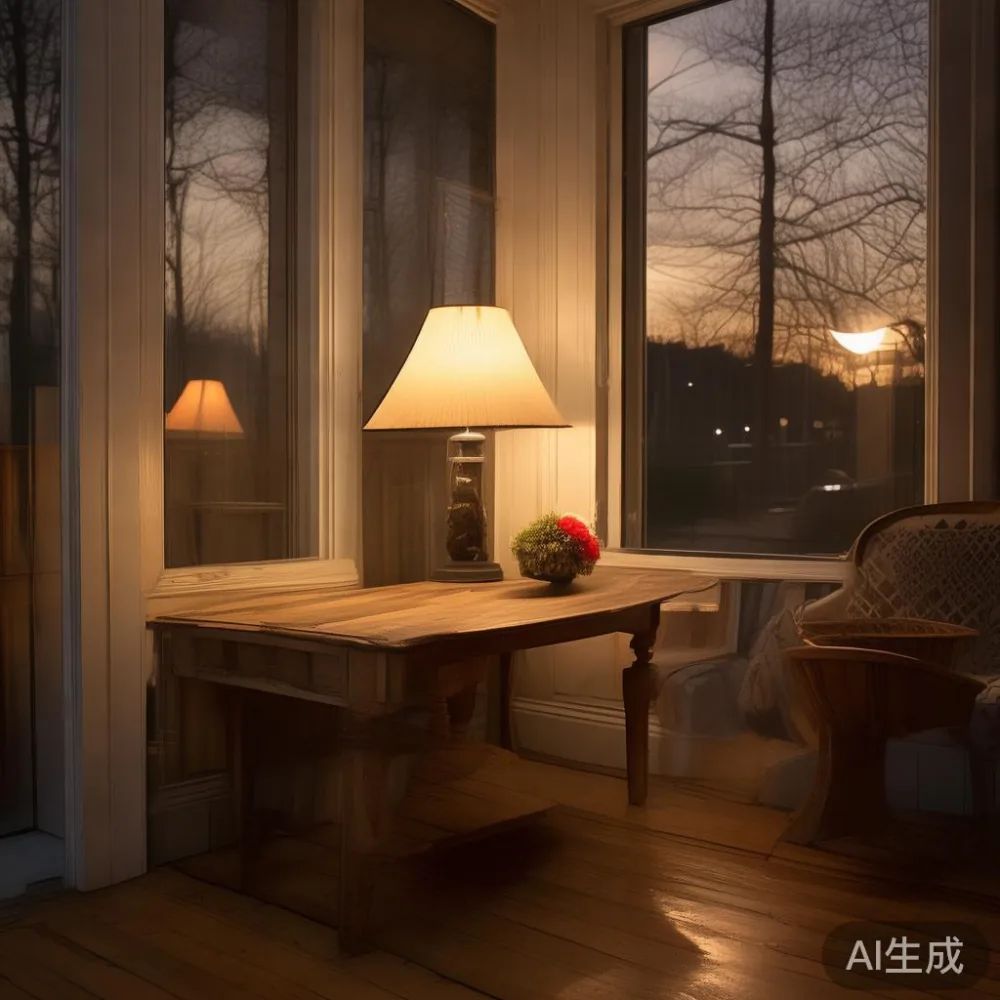
What Exactly Are We Comparing? Understanding Veneer and Solid Wood
A solid wood side table is constructed from a single piece or multiple solid wood boards glued together. The entire piece, from the top to the legs, is made of genuine wood like oak, walnut, or teak. This means the table is 100% natural wood through and through. A typical solid wood nightstand from a maker like MIDHILL might weigh 18 kg and have a thickness of 4 cm for the tabletop, offering a substantial feel and a unique grain pattern on every surface. The weight and density contribute to a sense of permanence, a quality often sought in French light luxury furniture designs that favour natural materials and understated elegance.
A veneer side table, on the other hand, has a core made of a less expensive material like particleboard, MDF (Medium-Density Fibreboard), or plywood. A very thin slice of real wood, known as the veneer, is then glued onto this core to give the appearance of solid wood. The veneer itself might only be 0.6 mm thick. The structure is less dense, often weighing around 12 kg for a similar-sized piece. While the look can be identical to the naked eye, the underlying materials and construction are fundamentally different. This construction method is common in mass-produced items, including some Modern light luxury coffee tables, where the focus is on achieving a specific aesthetic at a lower production cost.
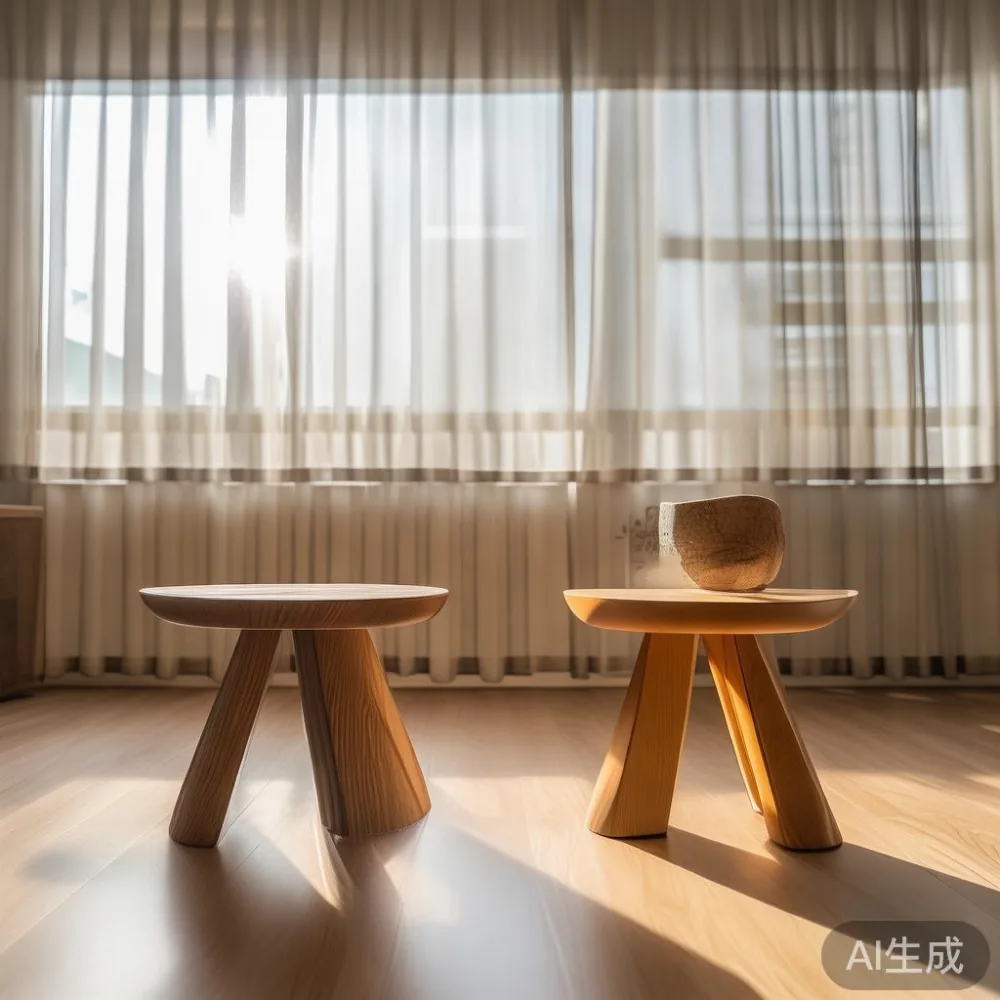
The Upfront Purchase Price: Initial Investment in Singapore Dollars
The most immediate difference between veneer and solid wood side tables is the price tag. Let's look at the starting prices for a standard 45 cm x 45 cm x 55 cm side table in the Singapore market.
A veneer side table from a local retailer or online store typically starts at SGD 180. This price point makes it an attractive option for those furnishing an entire home on a budget. You can find veneer options in popular styles like Industrial for small living room designs, where the focus is on a raw, utilitarian aesthetic that doesn't require the premium material cost. This lower initial cost allows homeowners to allocate more of their budget to larger, statement pieces like a solid wood sofa or a dining table.
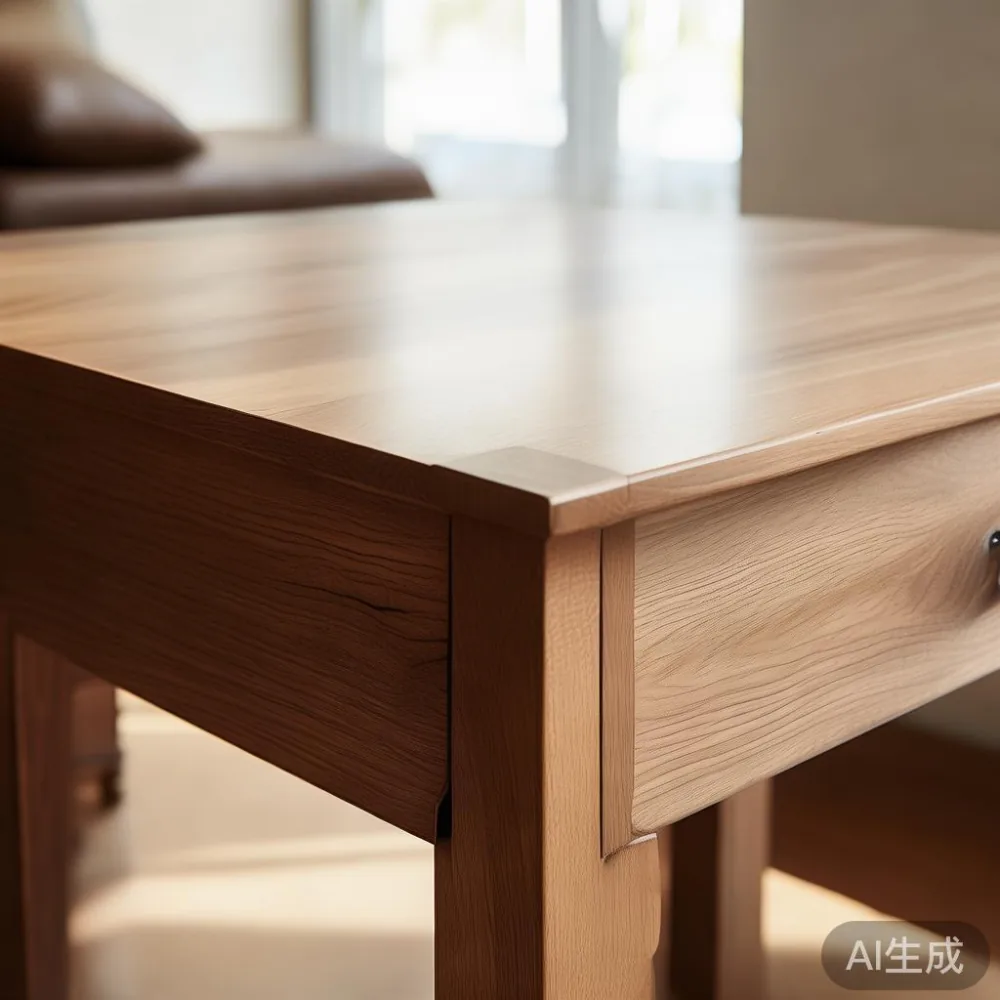
A solid wood side table commands a higher initial price. For a comparable size and quality, you should expect to pay between SGD 450 and SGD 800. The price varies depending on the wood species—walnut is more expensive than oak—and the craftsmanship. This significant upfront cost is the primary reason many homeowners initially lean towards veneer. For context, this price difference is comparable to the additional cost of choosing a solid wood dining table over a veneer one. A family in Bedok looking to furnish their living room might consider a solid wood sofa and a veneer side table to balance the budget, a common strategy for those exploring how to choose American bed frames and other pieces without overspending.
Longevity and Durability: A 5-Year Performance Test
The initial cost is only part of the story. A side table is a long-term investment. How do these two materials hold up to the realities of Singapore life over five years?
My colleague, Sarah, who lives in a Punggol condo, put this to the test last month. She bought a veneer side table for her living room. Within two years, the finish on the top surface began to show fine scratches that couldn't be buffed out. The real damage came when a small amount of water from a potted plant seeped onto the veneer. The core MDF absorbed the moisture, causing the wood veneer to bubble and peel away. The repair was impossible; the table had to be replaced. At the 5-year mark, she had gone through two veneer side tables.
A solid wood side table tells a different story. Solid wood is naturally more resistant to everyday wear and tear. Minor scratches can often be sanded out and the piece refinished. Spills are less catastrophic because the liquid does not penetrate the entire structure as it would with a veneer's porous core. A high-quality solid wood piece, like those from MIDHILL, is built to last for decades. A solid wood side table purchased today will likely look better at the 5-year mark than a veneer one purchased at the same time, simply because it can be restored. This inherent durability is a key feature of light luxury furniture, where the focus is on timeless quality rather than fleeting trends. A well-crafted piece can withstand the rigours of daily use in a busy household.
Resale Value: What's Your Side Table Worth in 5 Years?
In Singapore's dynamic property market, homeowners sometimes move or update their interiors. The resale value of your furniture can offset some of the initial cost. This is a significant factor that is often overlooked.
A 5-year-old veneer side table has virtually no resale value. Its construction is not designed to last, and it is considered disposable furniture. When moving house, most people either leave it behind or donate it. It has zero monetary value in the second-hand market.
A 5-year-old solid wood side table, however, retains a portion of its value. Depending on the brand, condition, and wood type, it could be worth 40-60% of its original purchase price. For example, a SGD 600 solid wood side table might still be sellable for SGD 240 to SGD 300. This is because solid wood furniture is perceived as a premium asset. The market for pre-owned, well-made furniture is growing, with people searching for for sale American furniture pieces or looking for a top 10 Minimalist furniture list that includes durable options. A solid wood piece from a reputable maker is an asset that depreciates slowly.
Is a Solid Wood Side Table Really Worth the Extra Money?
This is the question every homeowner in Singapore asks when standing in a furniture showroom. The answer lies in the total cost of ownership over the five-year period. Let's break it down with a simple calculation based on our previous examples.
| Cost Factor | Veneer Side Table Scenario | Solid Wood Side Table Scenario |
|---|---|---|
| Initial Purchase (SGD) | 180 | 600 |
| Replacement Cost (Year 3) | 180 | 0 |
| Resale Value (Year 5) | 0 | 300 (50% of original) |
| Total Net Cost over 5 Years (SGD) | 360 | 300 |
As the table shows, the net financial outlay for the veneer option is actually higher over five years. You pay SGD 180 initially, and then another SGD 180 to replace it when it fails. The total cost is SGD 360. The solid wood option has a higher initial cost of SGD 600, but because it lasts and retains value, your net cost is only SGD 300. This calculation does not even factor in the inconvenience of shopping for and receiving a replacement table, which involves taking time off work, coordinating delivery, and dealing with the hassle of disposing of the old one.
Hidden Costs and Practical Considerations in Singapore
Beyond the direct purchase price and resale value, other costs and factors come into play, especially within the context of a Singaporean home.
- Delivery and Installation: Veneer furniture is often lighter and easier to manoeuvre through HDB corridors (typically 1.2 metres wide) and into lifts. However, solid wood furniture, while heavier, is often delivered by specialists who are adept at working through these spaces. The delivery cost for a veneer side table might be included for orders over SGD 350, but a second delivery for a replacement adds another SGD 30-SGD 50 to the total cost.
- Repairs and Maintenance: A damaged veneer side table is usually irreparable. A solid wood piece can be sanded, re-stained, or refinished. This lifetime refinishing service offered by brands like MIDHILL is a significant long-term benefit. A deep scratch on a veneer surface is permanent; on a solid wood surface, it's a character mark that can be removed.
- Aesthetics and Feel: This is subjective but important. Solid wood has a tactile warmth and depth that veneer, no matter how well applied, cannot match. It ages gracefully, developing a patina. Veneer can look uniform and lifeless, and its thin surface is more susceptible to fading from Singapore's strong sunlight. This appreciation for natural materials is a cornerstone of luxury Italian light luxury furniture, which celebrates the inherent beauty of wood.
Consider the environment of a condo in Tampines. The air-conditioning can cause wood to expand and contract. Solid wood, being a natural material, handles this movement better than a veneer on a rigid MDF core, which can lead to cracking or delamination over time. The structural integrity of a solid wood side table is superior, providing a stable platform for a lamp, a book, or a cup of coffee without wobbling, even in the humidity of a non-air-conditioned room.
Integrating Your Side Table into a Broader Light Luxury Home
A side table does not exist in a vacuum. It is part of a larger home furnishing scheme. The choice of material affects how it complements other pieces. For a homeowner aiming for a cohesive light luxury aesthetic, consistency in material quality is key.
Picture a living room with a European light luxury wardrobe. The clean lines and premium finish of the wardrobe set a high standard. Placing a cheap, flimsy veneer side table next to it would create a jarring visual and tactile disconnect. The investment in a solid wood side table ensures that every piece in the room contributes to the sense of quality and refinement. This principle applies to other furniture as well; a Modern light luxury with storage unit in the bedroom deserves a nightstand that matches its build quality.
The trend of post-modern light luxury favours a mix of materials, but always with an emphasis on quality. A solid wood side table with a marble inlay can serve as a stunning focal point, combining the warmth of wood with the coolness of stone. This level of detail and material combination is difficult and expensive to achieve with veneer, which is limited by its thin surface layer. When searching for the best American sofa for 2026, one often notices that the accompanying tables are solid wood, designed to create a complete, harmonious set.
Also, the structural warranty offered by reputable solid wood makers is a critical safety net. A 10-year structural warranty on a side table from a company like MIDHILL provides peace of mind that the frame will not fail. Veneer furniture comes with no such long-term guarantee because the core materials are not designed to bear weight over decades. This warranty is a reflection of the manufacturer's confidence in their product's longevity.
Are You Paying for Longevity or Just a Brand Name?
This is a fair question. The price gap between veneer and solid wood is undeniable. Is the extra cost justified by the material itself, or is it simply for the brand? The answer lies in the tangible differences we've discussed: weight, texture, repairability, and lifespan.
A solid wood side table from an unknown local maker might be cheaper than one from a well-known brand, but it will still outperform a veneer table in terms of durability. Conversely, a premium veneer table from a famous brand is still veneer. The thin wood layer can still peel, and the MDF core can still be damaged by moisture. The brand name might offer better design or customer service, but it cannot change the fundamental properties of the materials.
The value of a solid wood side table is in its material honesty. It is a piece of furniture made to be used, lived with, and loved for generations. It is an investment in your daily comfort and the long-term value of your home. When you consider that a quality side table is a fixture you interact with every day—for years—the cost per day of use becomes very small. A SGD 600 solid wood table used for 10 years costs about 16 SGD per day, while a SGD 180 veneer table that lasts only 2 years costs 25 SGD per day. The math speaks for itself.
Ultimately, the decision comes down to your personal priorities. If you view furniture as a disposable commodity that will be replaced every few years, veneer may suffice. However, if you see your home as a sanctuary filled with meaningful, lasting pieces that tell a story, a solid wood side table is the clear choice. It is a purchase that respects your space, your time, and your desire for quality in a world that often prioritizes speed and cost over substance.