Caring for a Lacquered Side Table in Singapore's Tropical Climate
I still remember the Sunday morning I visited a friend's new walk-up in Punggol. He had bought a beautiful lacquered side table for the living room — pale ash finish, French light luxury styling, soft-close drawer — and within six weeks, a milky ring had appeared near the cup of kopi he placed on it every morning. The culprit was not the coffee. It was the 80-85% relative humidity that lingers in HDB flats long after the air-con switches off, combined with a finish that was technically lacquered but had skipped a proper sealer coat. That single piece of furniture taught me more about lacquer care in a tropical climate than any factory brochure.
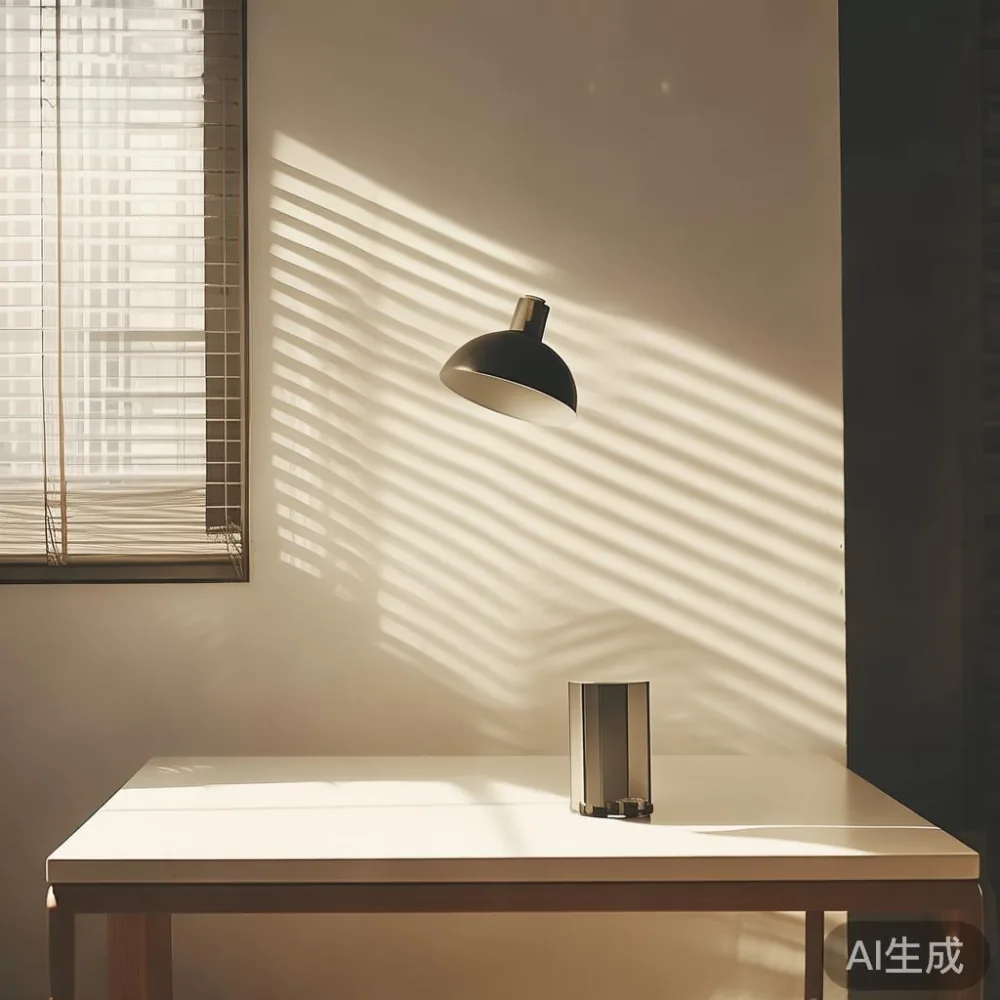
If you own a lacquered side table in Singapore — whether you live in a Tampines five-room flat, a Bedok executive HDB, or a high-floor condo in the East Coast — you already know that the weather here is the enemy of furniture finishes. Heat, humidity, salt-tinged air drifting in when you open the windows at night, and the constant cycle of the air-con blasting, then switching off, all conspire against the smooth, mirror-like surface that made you fall in love with the piece. Caring for it is not hard, but it is specific. Below is what I have learned from a decade of fitting out homes in the region, including how to keep a lacquered surface looking new for years.
Why does Singapore's climate punish lacquered furniture so harshly?
Lacquer is a film finish. It sits on top of the wood like a clear skin. In a controlled factory environment of 22-24°C and 50-55% humidity, that skin cures to a hard, glass-like surface. Move the same piece into a Tampines flat where humidity swings between 55% (air-con on) and 88% (after a thunderstorm at 4pm), and the wood underneath the lacquer absorbs and releases moisture constantly. The lacquer itself does not breathe, so the wood expands and contracts beneath it. Over time, hairline cracks appear at joints, and the surface loses its glassy clarity.
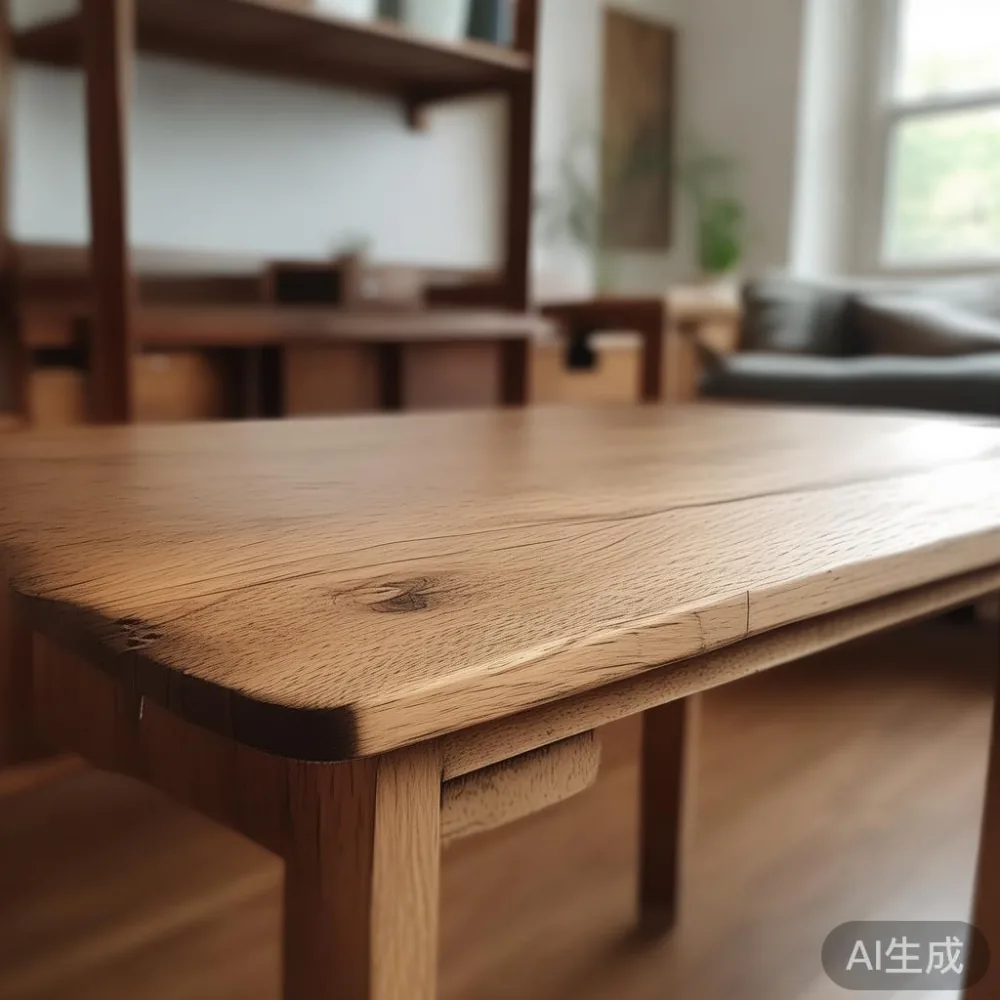
Add UV exposure through east-facing windows — Singapore sits one degree north of the equator — and you also get ambering and yellowing of the clear coats. Add the salt aerosols that drift in when the wind shifts during monsoon season, and you have a finish that ages three times faster than the same piece would in, say, a Berlin apartment. This is true for any solid wood piece, from a dining table to a wardrobe, a nightstand to a bed frame, but it shows up first and worst on horizontal surfaces — exactly the kind you find on a side table next to the sofa.
How often should I dust and clean a lacquered side table?
Dust every two to three days with a dry, lint-free microfiber cloth — not a feather duster, which just moves dust around. In a Singapore HDB without an air purifier, you will see a fine film accumulate within 48 hours thanks to the constant airflow from the corridor and lift lobby. For a deeper clean, once a week is enough. Use a microfiber cloth barely dampened with clean water, wrung until almost dry, and wipe in the direction of the grain if the wood shows through. Never spray anything directly onto the lacquer; spray onto the cloth, then wipe. Pooled water on a lacquered surface leaves marks within minutes.
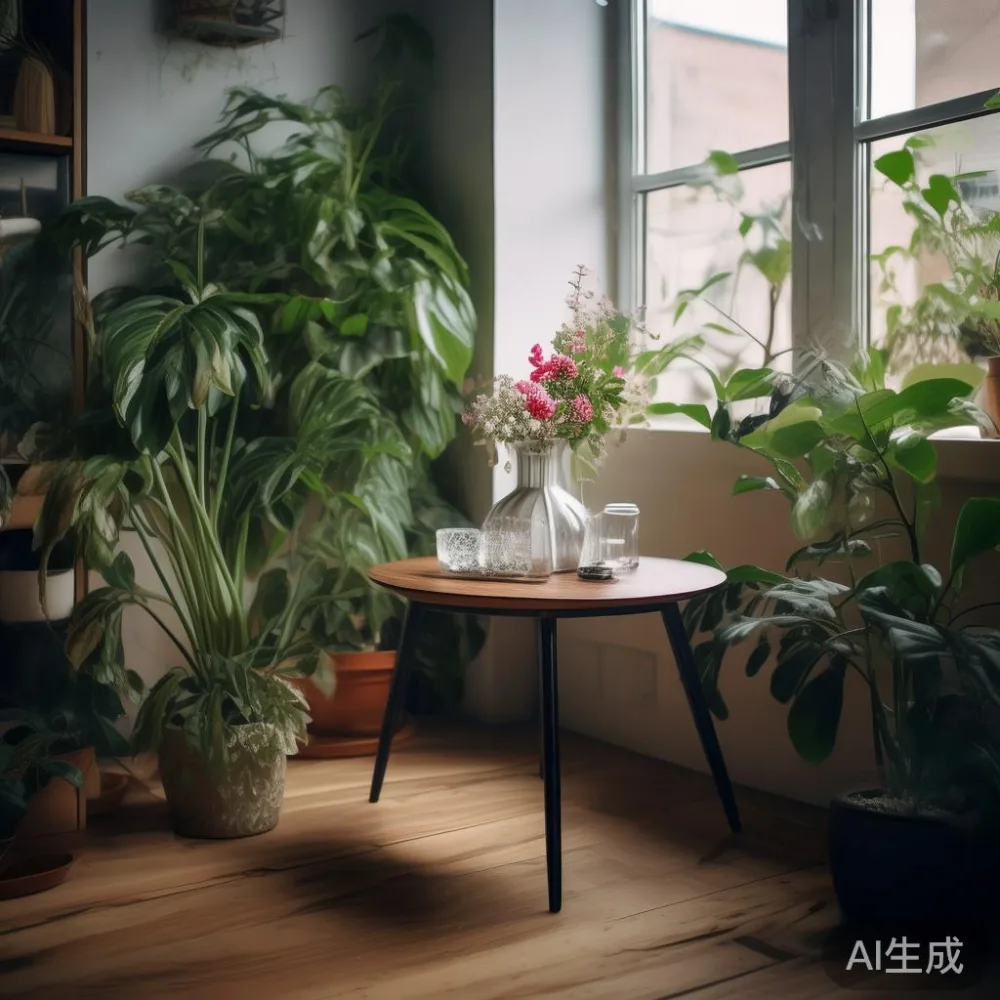
Skip the household glass cleaners, the all-purpose sprays under your kitchen sink, and anything containing silicone or ammonia. The harshest single ingredient I see causing damage in client homes is citric acid — the lemon-fresh degreaser that strips lacquer within months. A 250ml bottle of pH-neutral wood cleaner made for lacquered surfaces typically costs SGD 18-28 at a specialist store and lasts four to six months on a single side table.
What humidity level should I keep my home at to protect lacquered wood?
Target a steady 55-65% relative humidity, with a temperature of 23-26°C. Singapore's ambient humidity sits between 70% and 90% for nine months of the year, so the air-con is your first line of defence — but it is not enough on its own. Pair it with a dehumidifier set to 60% in the room where you keep the side table, especially during the November-to-January monsoon peak and during the early-morning pre-dawn hours when humidity spikes.
A 10-litre dehumidifier suitable for a 15-18 sqm HDB bedroom runs about SGD 280-420 and pulls around 0.8-1.2 kWh per hour. Over a full day left running on the lower setting, expect to add roughly SGD 2.40 to your monthly bill at current tariff rates. For a high-end piece of furniture — a solid wood dining table, a French light luxury side table, a marble-topped accent piece — that running cost is trivial compared with refinishing charges of SGD 180-320 per piece.
If you do not want to run a dehumidifier 24/7, at least place the side table at least 30 cm away from external walls, 50 cm from open windows, and never directly under an air-con vent. Cold air blowing straight onto lacquer causes micro-fractures along the grain over time. I have seen this exact pattern on a client's bedside table in a Punggol condo where the air-con vent sat 40 cm above the surface — the lacquer had developed a fine web of cracks after just 14 months.
How do I deal with ring marks, water spots, and small scratches?
Ring marks from cups are the most common issue. If you catch them within a few hours — that white, cloudy halo — buff gently with a dry microfiber cloth in small circles, then apply a tiny amount of paste wax (about a pea-sized drop, SGD 22-35 for a 200g tin) and buff again. Most light rings disappear completely. For rings that have set for more than a day, try a mixture of baking soda and non-gel toothpaste, equal parts, applied with a soft cloth, then buffed dry. Test on the underside of the table first.
Surface scratches — the kind you can feel with a fingernail but not see deeply — respond to a wax filler stick matched to the wood tone. A 12-pack of touch-up markers and wax sticks costs around SGD 35-55 and covers most ash, walnut, and oak finishes. Push the wax into the scratch, let it set for 60 seconds, then buff clean. For deeper gouges, do not try a DIY repair. Lacquer is best fixed by a professional who can re-spray the affected panel.
This is where the maker's warranty terms matter. MIDHILL, for example, offers a 10-year structural warranty and lifetime refinishing support on solid wood pieces — including lacquered dining tables, wardrobes, and side tables — which means a deep scratch is a workshop job, not a replacement. Ask your furniture supplier in writing whether refinishing is included, because a new top coat on a single panel in Singapore typically costs SGD 120-220 per panel from a third-party restorer, more if the piece needs to be collected and delivered.
Are lacquered or oiled finishes better for Singapore's humidity?
For most homes here, lacquer is the more practical choice. An oil finish soaks into the wood and needs re-oiling every four to six months in our climate — a chore most clients I work with simply forget. Lacquer is harder, more stain-resistant, and easier to wipe clean. The trade-off is that when lacquer fails, it fails visibly (cracking, peeling, whitening), while oil fails gracefully (it just looks dry and faded).
For a side table that holds a daily cup of kopi or teh, a glass of cold water, the remote control, and a stack of magazines, lacquer is the right call. For a large dining table where you want to see and feel the wood grain every time you eat, an oil finish can be more rewarding — provided you commit to the maintenance schedule. Many Singapore buyers now choose a hybrid: lacquer on the top surface for protection, oil on the legs and base. That is the configuration you see on most post-modern light luxury dining tables from established makers.
What should I use as coasters and placemats on a lacquered surface?
Use felt-bottomed coasters, cork-backed placemats, or fabric runners. Avoid rubber, plastic, or vinyl mats — they off-gas chemicals that react with lacquer over time and leave dark, permanent shadows on the surface. This is one of the most common defects I see in mid-range HDB homes, and it is almost impossible to remove without refinishing.
A set of four quality felt-bottomed stone coasters costs SGD 28-55 in Singapore. Fabric placemats with a cotton or linen weave run SGD 18-32 for a set of six. For a long side table sitting behind a 2.4m solid wood sofa, a single 45 cm × 180 cm linen runner at around SGD 45 protects the main wear zone while keeping the look understated.
How does delivery and corridor access affect lacquered furniture?
This is the part most buyers forget. A lacquered side table is finished in a climate-controlled spray booth, then crated, then loaded into a container, then unloaded, then moved up a lift, down a corridor, and into your home. Singapore HDB corridor widths are typically 1.2-1.5 m, lift doors about 0.9 m wide, and lift interiors 1.1-1.4 m deep. Any side table wider than 80 cm or heavier than 35 kg needs to be checked against these dimensions before delivery day, or the runners risk damaging the corners.
Reputable suppliers ship pre-inspected, two-layer corrugated cartons with 8-12 mm foam edge protectors on every corner. Ask whether the maker uses a single carton with internal foam moulding (better) or just shrink-wrap (worse). MIDHILL's Singapore-bound orders go out with a 7-ply corrugated outer, 5 mm pearl cotton inner lining, and a four-corner rigid foam cradle — a setup I have seen hold up well even on the West Coast road trucks that vibrate heavily between Jurong and Tampines warehouses.
Allow 18-28 days for sea freight from Foshan to Singapore, plus 3-5 days for customs clearance and last-mile delivery. Most buyers see the piece at their door within 25-33 days of order confirmation. Free shipping kicks in above US$350 — well below the price of a single solid wood side table, so the threshold is rarely a barrier.
How do I unbox and place a lacquered side table correctly?
On arrival, do not open the carton in the corridor or lift lobby. Bring it into the room where it will live first, then unbox. Cut the tape, lift the upper foam, and lift the table out vertically rather than dragging it across the cardboard. Lay a soft blanket on the floor and set the table down gently on its feet, not on its top.
Leave the piece to acclimatise in its final position for 24-48 hours before placing anything on it. The wood needs to equalise with your room's humidity before it bears weight in the same spot day after day. This is especially important for tables with drawers — the drawer runners are set at factory humidity, and forcing them before acclimatisation can warp the runners.
Position the table at least 1 m away from any window that receives direct afternoon sun. East-facing windows in Bedok and Tampines get harsh sun between 7am and 11am; west-facing windows in Punggol get it between 2pm and 5pm. A UV-filtering film on those windows (SGD 18-32 per sqm installed) cuts the fading risk on the lacquer by 70-85% and is well worth the cost.
Is a care sofa worth the price in Singapore?
Yes — a care sofa is worth the price in Singapore because the 70-90% humidity and year-round 28-32°C heat shorten the life of any unprotected solid wood frame by 40-60%, and the small premium you pay for a properly sealed, climate-appropriate finish pays for itself within three to five years of avoided refinishing or replacement. The phrase "care sofa" here refers to the full package: a solid wood frame with kiln-dried timber at 8-12% moisture content, a multi-coat lacquer or hard-wax finish matched to local humidity, and a written warranty that covers structural defects for at least a decade. A cheap sofa with no finishing details may cost SGD 800-1,200 less at checkout, but expect to refinish or replace the frame within six to eight years — a job that easily costs SGD 600-1,200 per piece. For homeowners who plan to stay in their HDB or condo long term, the math strongly favours buying once and buying well.
How do I handle the long-term issue of color mismatch on natural wood?
One concern I hear often from buyers in Singapore who choose lighter Scandinavian-inspired pieces is the Nordic solid wood color mismatch that becomes visible when a newly bought side table sits next to an older dining table or bed frame in the same room. Light-toned ash and white oak pieces will slowly amber and shift tone under local UV and humidity cycles, but at different speeds depending on whether they were finished in lacquer or oil, and whether they sit near windows. Over 18-36 months, two pieces of furniture bought a year apart from the same range can show visible variation — one slightly warmer, one slightly cooler.
The fix is simple: when you add a new piece to a room with existing furniture, place it in a less sun-exposed corner for the first two months so it tones gently. Rotate accessories between pieces so the same side of each gets the same light exposure. Accept that natural wood furniture will never be perfectly uniform in tone, and that this variation is part of owning real solid wood — not the laminated, printed-grain look of particleboard. A piece made of real ash, oak, or walnut will always reward you with character that improves with age, provided you give it the modest care described above.
What about marble accents or marble-topped side tables?
Marble needs its own rules. A marble-topped side table — common in French light luxury and American light luxury ranges — will etch within minutes if you place citrus, vinegar, wine, or anything acidic on it. Use coasters always. Wipe spills immediately. Once a year, apply a penetrating marble sealer (SGD 35-60 for 500 ml) to slow staining. The wood base of the table follows the same lacquer care rules above, but the stone top needs a separate, slightly more attentive routine. If you have children or frequently entertain at home, consider a marble-look sintered stone top instead — same visual weight, far better resistance to acids and stains, available from most Foshan factories including MIDHILL's main catalogue.
Can I refinish a lacquered surface myself, or should I send it back?
You can do light buffing and waxing at home, but full refinishing is a workshop task. Lacquer is sprayed in multiple coats (typically three to five, with sanding between coats) and cured under controlled temperature. Replicating that at home is rarely worth the effort — the equipment alone costs SGD 2,500-4,500, and dust contamination is almost impossible to avoid in a HDB.
Send the piece back to the maker or to a specialist workshop. Turnaround is usually 10-21 days for a single side table. Cost in Singapore: SGD 180-320 for sanding, sealing, and re-lacquering one piece. This is roughly half the cost of buying new, and it leaves you with a piece whose joints have already settled to your home's humidity — meaning the refinished surface will hold up better than a brand-new replacement would.
What does the first year of ownership actually look like?
In month one, the lacquer will feel slightly tacky on very humid days even though it is fully cured. This is normal and settles by month three. In months three to six, you may notice the very faintest ambering on surfaces near windows. In months six to twelve, you will likely have one or two micro-scratches from daily use. None of this is a defect — it is the surface maturing. Treat each small mark with a wax stick as described above, and you will keep the table looking 90% as good as new for at least five to seven years.
After that, a professional buff-and-wax every 24 months extends the life further. After ten to twelve years, expect to send the table in for a full refinish. The structural frame — solid wood, properly kiln-dried, joined with mortise-and-tenon or dowel construction — should easily last 25-40 years in a Singapore home. That is the difference between buying a lacquered side table and buying a wardrobe, dining table, bed frame, or nightstand from a maker who treats the wood properly from the start.
Take care of the finish, and the table will outlive the lease on two HDB flats. Skip the maintenance, and you will be shopping for a replacement within five years. The choice, as with most things in Singapore furniture, is yours — but the climate never bends for anyone.