How to Choose the Right Side Table for a Singapore HDB Living Room
A Singapore living room rarely suffers from a shortage of furniture. It is the opposite: the sofa, dining table, television console and perhaps a chair already compete for limited floor area, while the HDB flat’s corridor, lift and balcony access place practical limits on every new purchase. A side table can solve a small problem beautifully, but only when its height, footprint and visual weight agree with the room.
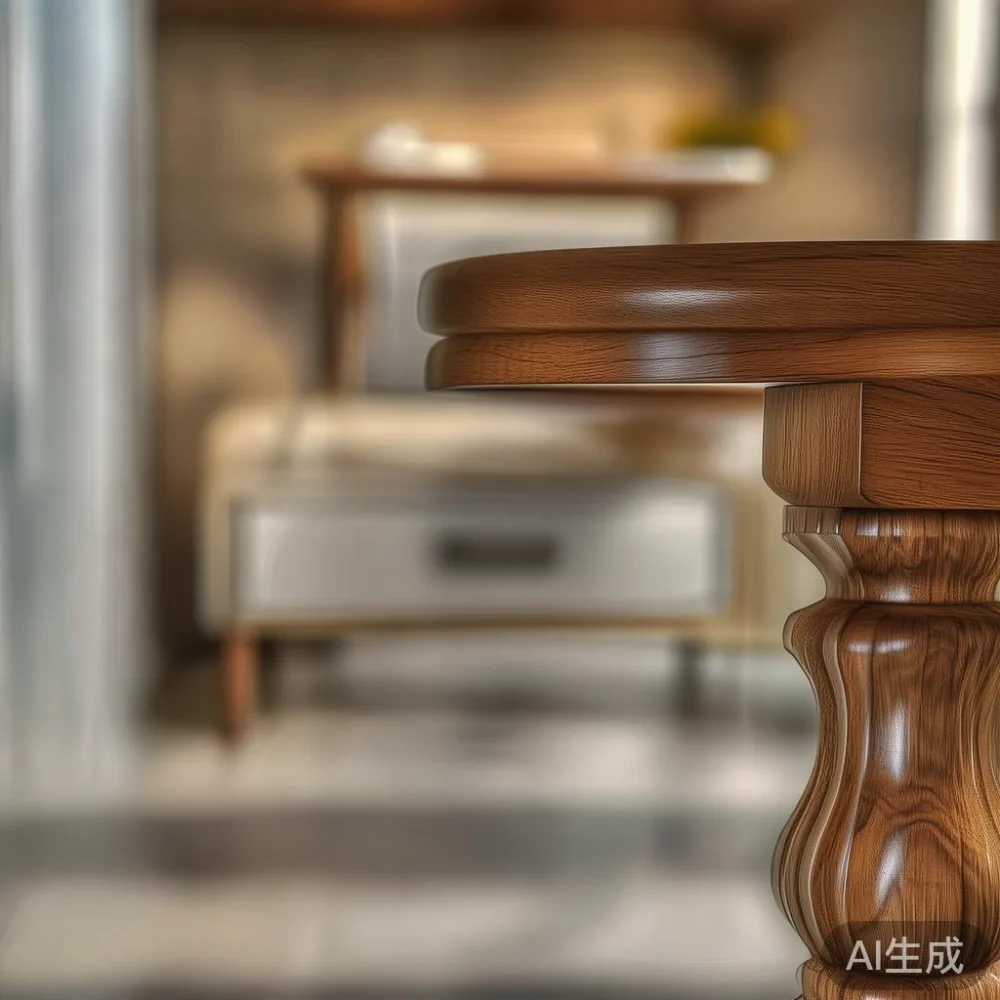
The right dimensions usually matter more than the style. For a compact HDB living room in Tampines, Bedok or Punggol, a side table around 40–45 cm wide and 50–55 cm high often sits neatly beside a standard sofa. A larger model can work in a condo or an open-plan HDB home, but it should not interrupt circulation or block the main route from the entrance to the kitchen.
At MIDHILL, we design side tables as useful pieces of solid wood furniture, with proportions informed by real Singapore rooms. The collection supports a French light luxury, American light luxury or post-modern light luxury direction without making a compact interior feel over-specified. This guide explains how to measure, compare and place the table before it reaches your door.
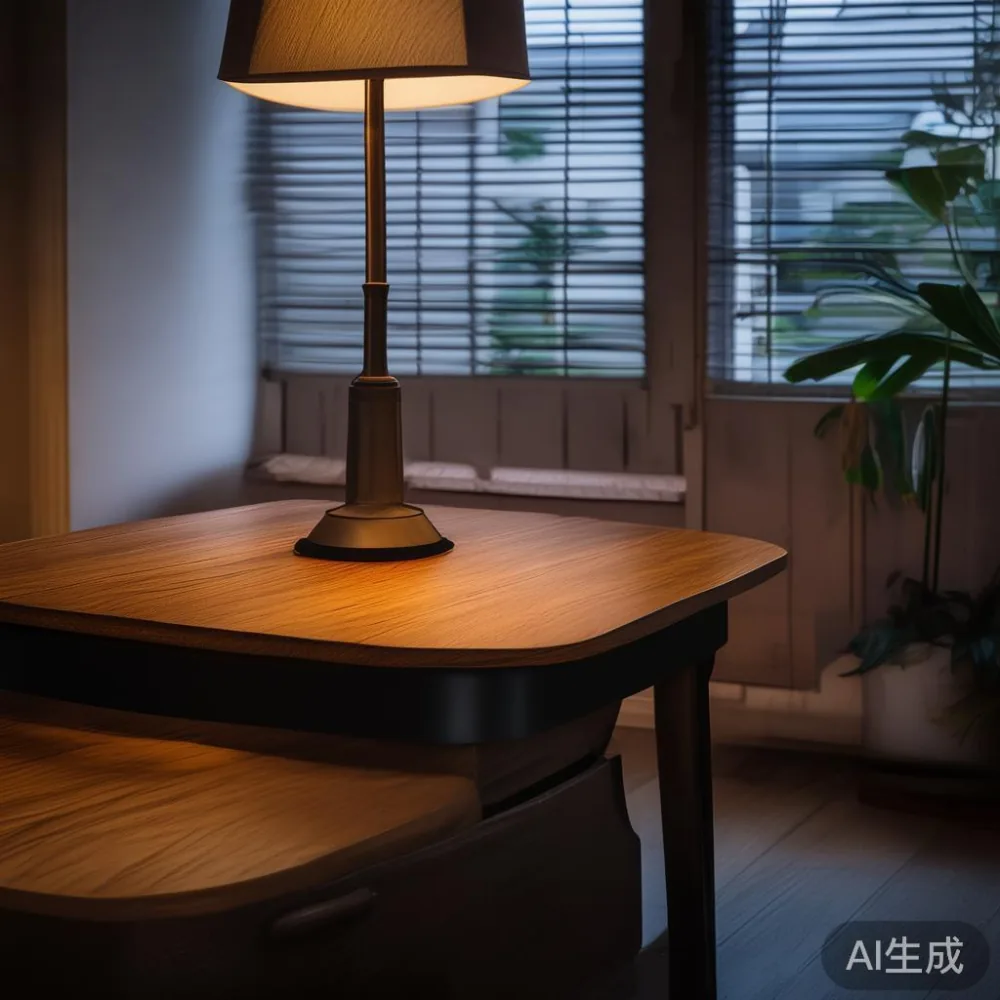
What size side table fits a typical Singapore HDB living room?
Measure the sofa first, then the available floor area. Most three-seat sofas are approximately 190–220 cm wide, while two-seat models are often 140–170 cm. The side table should look like a companion rather than a second seat. For a three-seat sofa, 40–50 cm is a sensible width; for a two-seat sofa, 35–45 cm is usually enough for a cup, book and remote control.
Height is governed by the sofa arm. A level arm commonly sits 55–65 cm above the floor, so a side table with a top height of 50–58 cm is easy to reach. A sofa with a higher arm may suit a 58–65 cm table. Avoid a table so low that users must bend forward, or so high that the surface feels disconnected from the seat.
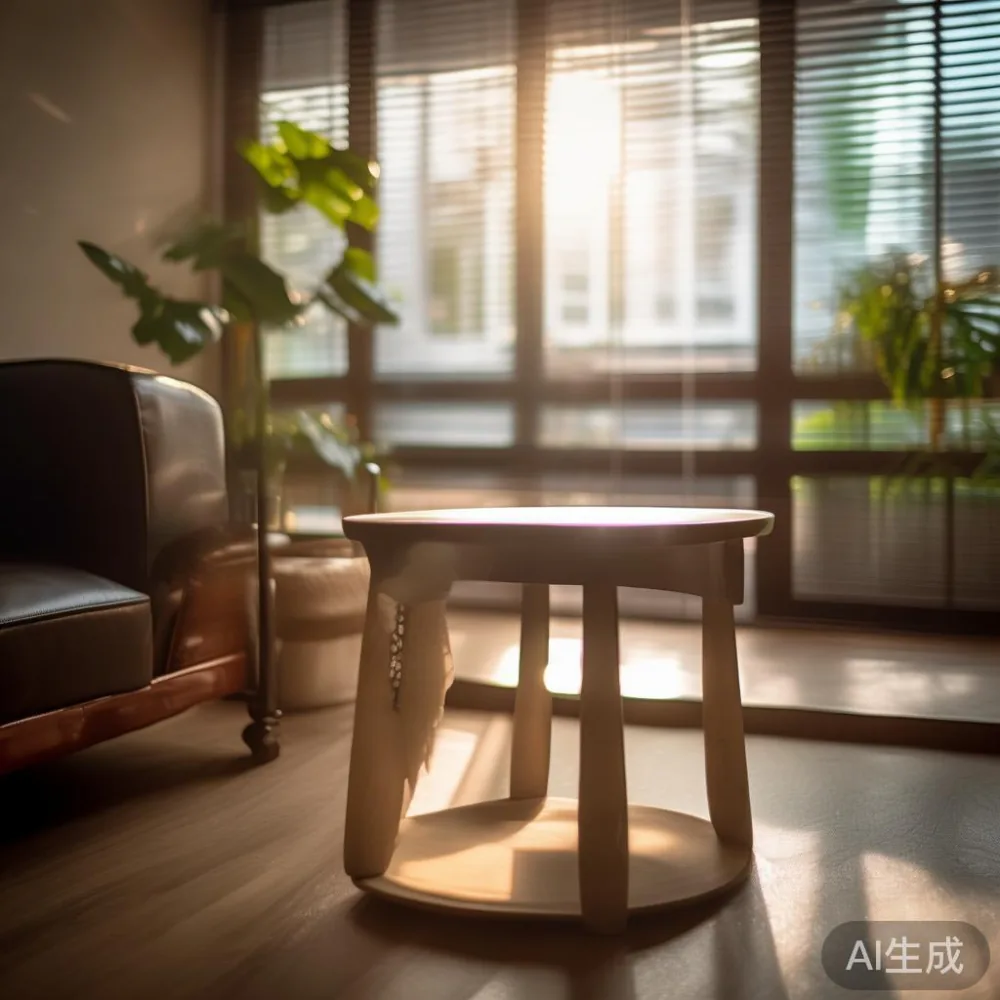
Depth also needs attention. A 35–40 cm deep side table fits beside most sofas and leaves more walking room. The table should sit roughly 10–20 cm away from the sofa arm, leaving enough space to pick up a drink without pulling the table onto the sofa. Do not place it in front of the main door swing, a sliding partition or the television viewing path.
For visual balance, the table’s width should not greatly exceed one quarter of the sofa width. A 45 cm table beside a 200 cm sofa creates a comfortable relationship; a 60 cm model beside the same sofa can appear disproportionately large. If the table must sit opposite the sofa or in a corner, a 35–45 cm square may be more appropriate.
How much space should I leave around the side table?
Leave at least 60 cm of clear circulation beside an open walkway. The common HDB route from the flat entrance to the kitchen may pass a sofa, dining area and television console in sequence, and a side table placed too close to a doorway can make daily movement feel pinched. In a compact flat, 70–90 cm of clearance offers a more comfortable buffer.
Check the actual door and partition positions rather than estimating from the floor plan. HDB renovation drawings may show the unit before furniture was added, and legal fittings can include a television point, shoe cabinet or overhead storage. The side table must not cover sockets, air-conditioner outlets, skirting vents or access panels. Keep at least 15 cm from a wall-mounted power outlet unless the table includes a cable opening.
Check the lift and corridor before ordering a wide design. Many residential lift doors are around 80–90 cm wide, while the internal lift car may offer only 110–140 cm of depth. Standard access corridors can be approximately 90–150 cm wide. A side table packed flat into a box longer than 120 cm can be difficult to manoeuvre around a tight turn, even if it fits into the lift entrance.
Record the narrowest measurement and the shortest turning space available. For delivery, provide the block, floor and unit number, along with photographs of the access route if lift dimensions are uncertain. A 25–35 cm gap around a boxed table is useful when passing it through a metal gate or around a right-angled corridor.
Should the side table match the sofa or contrast with it?
Matching wood tones usually create calm continuity, while a contrasting finish can define the seating area. If the sofa is already a strong visual element, a light or medium oak side table can prevent the corner from feeling heavy. If the room has a dark solid wood sofa frame, a warm walnut side table may integrate more naturally.
The broader room matters. A solid wood dining table with visible grain, a marble table with a cool pale surface or a sofa upholstered in textured fabric can all provide a useful reference. The side table does not need to copy them exactly. It should repeat either one colour, one material or one shape so that it appears deliberate.
French light luxury tends to work well through curved edges, restrained profiles and pale timber. American light luxury often uses a clean rectangular silhouette and a slightly more substantial appearance. Post-modern light luxury can pair simple geometry with a contrasting detail, such as a round top on a square base or a slim pedestal under a circular surface. Keep the mix disciplined: one statement detail is usually enough beside a sofa.
Do not let a side table become a display shelf overloaded with objects. Reserve the top for 3–5 everyday items. A 40 cm table can hold a 9 cm cup, a 15 cm coaster, a 16 cm remote and a 24 cm book. That amount of visual restraint matters in an HDB living room, where every horizontal surface is visible.
Is a round or rectangular side table better in a small HDB flat?
A round table is forgiving in a tight corner. It has no sharp projecting corners, can be approached from several directions and visually softens the straight lines of a sofa. A 35–45 cm diameter round side table is especially practical beside a narrow arm or near a circulation route. It also suits a French light luxury or modern French provincial furniture setting.
A rectangular table can look more architectural and may hold more within a given footprint. A 40–50 cm by 30–40 cm top gives useful surface space without demanding a square floor area. Rectangular models pair naturally with American light luxury interiors, where straight profiles and restrained joins are common. Choose softened corners if children or elderly family members use the room.
Pedestal and three-leg bases can be useful because the lower area remains visually open. However, a narrow central stem may wobble under heavy use, so check the stated load capacity and test stability. Four legs usually feel secure, but their footprint should remain within the table dimensions. Avoid a design whose lower shelf sits only 8–10 cm above the floor; it will look dusty and be awkward to clean.
Last month I visited a family in Bedok with a 210 cm sofa facing a 90 cm television console. The route between the sofa and dining area was only 76 cm. They had rejected two square tables because the delivery team could not turn them around the corridor bend. A 40 cm round model with a 43 cm high top solved the issue, and a 10 cm gap between sofa and table kept the passage usable. That practical test changed their choice more than any catalogue photograph.
Which materials and finishes suit Singapore’s climate?
Solid wood works well in Singapore because it offers warmth, repairability and stable visual character. Ask for the species, finish and expected movement with humidity. Teak, oak and ash are common choices, but their maintenance differs. A hardwax oil finish can be refreshed locally, while lacquer creates a smoother surface that may need careful cleaning to avoid scratches.
Do not confuse solid wood with veneer or engineered board. A genuine solid wood side table can be sanded and refinished, although the life of the finish still depends on exposure to sunlight, moisture and daily handling. MIDHILL offers lifetime refinishing, and its structural warranty covers 10 years, which provides useful reassurance for long-term household use.
For a light-luxury room, a matte finish often feels more refined than a high-gloss surface. Warm honey oak can work in Punggol, while cooler ash or pale walnut may coordinate better with a condo’s stone-toned interior. If a marble table is already present, use a solid wood side table to create contrast rather than introducing another glossy mineral surface.
Weight also affects placement. A small solid wood side table might weigh 8–14 kg, while a wider or thicker model may reach 18–25 kg. A heavier base is useful against an active household, yet it can be difficult for one person to move. Choose a design that can be carried by two people and does not require dragging. Rearrange it before delivery, because moving it after placing books and objects on top is needless work.
What should I check before ordering?
Compare the listed dimensions with the space rather than relying on product photographs. The exact phrase “right size” can conceal a 2–3 cm difference that matters beside a fitted wall. Request the full width, depth, height, leg clearance and packaged dimensions. Confirm that the table can be carried through the lift and into the flat.
Price comparisons should include GST and delivery. Singapore’s standard GST is 9%. A side table listed at SGD 349 before GST becomes SGD 380.41 after tax. MIDHILL offers free shipping for orders over US$350, with the qualifying amount handled in the stated currency rather than converted informally into SGD. Confirm the exact checkout total, delivery timing and return treatment before payment.
For shoppers researching wider furniture questions, phrases such as best American sofa for 2026 or best Mid-century modern sofa for 2026 can help identify relevant style references, but they should not replace measuring the sofa arm and access route. The same applies to a search for for sale Japanese furniture or the question is European light luxury sofa worth it. These are separate purchases, not substitutes for a properly sized side table.
Check the delivery estimate against your renovation schedule. Allow roughly 7–14 working days for stock preparation and dispatch, plus 2–5 working days for local delivery, depending on the supplier and Singapore address. Heavy or oversize pieces may take longer. Read the 14-day returns terms and arrange access for the driver, including parking permissions if needed.
How will the side table work with the rest of the living room?
A side table should support an activity. Place it beside the sofa arm for a drink, beside a reading chair for a lamp and book, or near the entrance for keys. If it sits opposite the sofa, it becomes a display surface and may need more visual restraint. In a dining zone, it can hold serving items, but it should not narrow the route to the dining table.
Repeat one visual cue from the main seating group. For example, if the sofa has a solid wood base, choose a side table with a related exposed timber detail. If the room uses a fabric sofa, a gently curved top adds softness. A polished metal lamp or a ceramic vase can provide contrast, but the table itself should not introduce several competing materials.
Terms such as solid wood sofa, bed frame, dining table, wardrobe, nightstand and marble table describe a wider furniture vocabulary. In this living room, however, the side table remains the focus. It needs to sit beside the sofa without competing with it, align with the room’s proportions and make daily life easier. A 40 cm round top, a 43–55 cm height and a 35–40 cm depth offer a useful starting point for many HDB flats, after which the sofa arm, walkway, lift and door dimensions determine the final selection.
A Modern light luxury accent chair can also affect the decision, especially if it occupies the same corner. Measure the chair’s outer diameter or width and leave 10–15 cm between it and the table. The result should feel composed, not crowded. Correct sizing gives the side table enough presence to complete the seating group while preserving the practical ease expected in a Singapore home.