How to Choose the Right Size for a Singapore HDB Living Room
A side table sounds like a simple piece of furniture, but in a Singapore HDB living room, even 10 cm can affect circulation. The wrong size can crowd the route from the front door to the kitchen, block a lift corner, or leave a sofa feeling visually unsupported. The right table creates a useful landing place for a cup, remote control, keys, and book without competing with the solid wood sofa beside it.
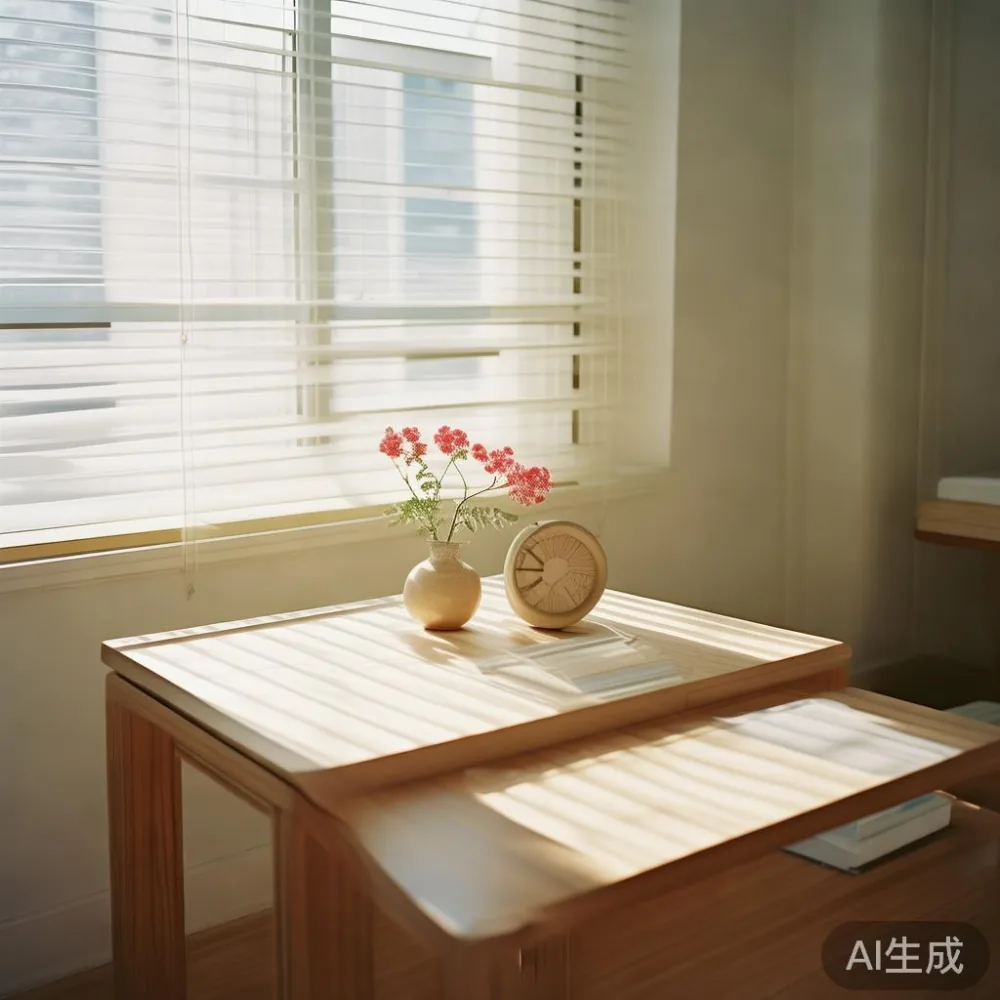
I tested this with my colleague during a home visit in Tampines last month. We placed a 55 cm side table beside a 210 cm three-seat sofa, then compared it with a 40 cm model in the same 3.8 m by 4.2 m living-dining area. The larger table looked generous from the doorway but reduced the clear walking route from 92 cm to 76 cm. The smaller version felt less generous from the entrance yet made the room more comfortable once the dining table was in use.
This guide focuses on one decision: choosing a side table with proportions suited to Singapore apartments, whether they are HDB flats in Bedok or Punggol or newer condos with similar circulation constraints. Measurements are given in cm, prices in SGD, and allowances in kilograms because many lifts impose weight limits.
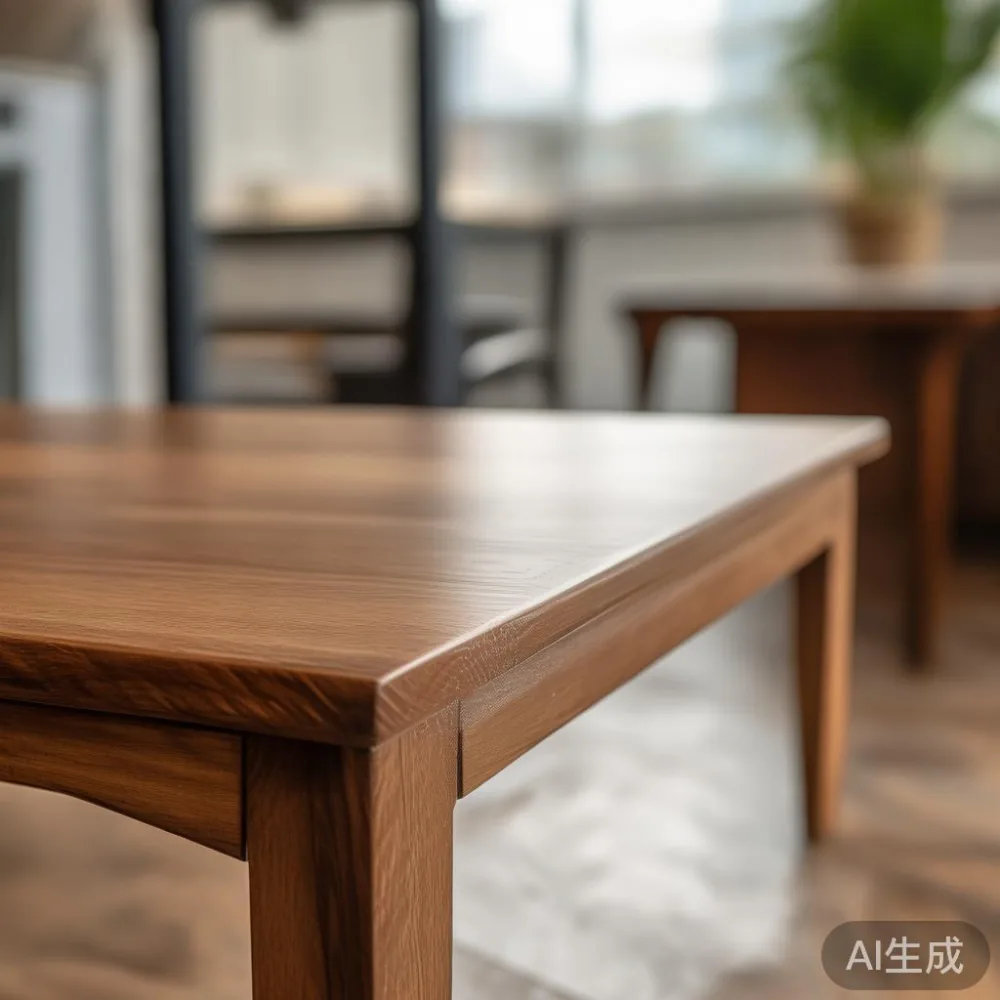
What size should a side table be beside an HDB sofa?
For most 3-seat sofas measuring 190–220 cm, a side table between 40 and 50 cm wide is a practical starting point. It should be slightly narrower than the sofa arm, or close to the same width, without projecting more than 5–8 cm beyond the front edge. A 45 cm table beside a 210 cm sofa usually creates a balanced composition while preserving a 75–90 cm circulation route.
For a compact HDB living room of about 12–18 sqm, 35–45 cm is often easier to live with. In a larger 20–30 sqm living-dining area, 45–55 cm can look more intentional. Dimensions matter more than appearance alone: check the full sofa depth, not only its advertised width. A 95 cm-deep sofa and a 40 cm-deep table need enough space for someone to walk between them.
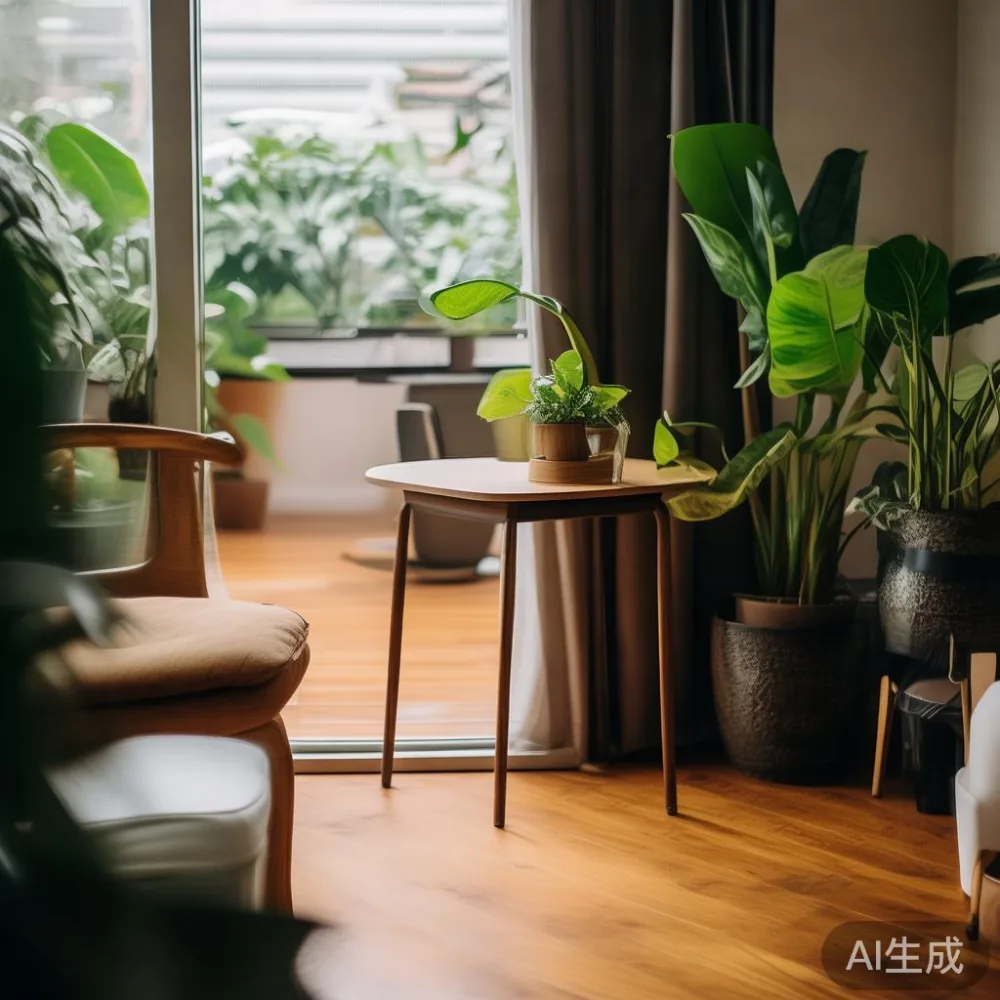
The height should also relate to the sofa arm. A table 3–5 cm above the arm reads clearly as an occasional table; one level with the arm creates a quieter, more continuous line. The common range is 50–60 cm high, though a low-slung solid wood sofa may suit a 45–50 cm table. You should be able to reach the surface from a seated position without lifting your arm sharply.
Concrete scale helps: a 45 cm table provides roughly one mug, one coaster, and a 15 cm phone with room to spare. A 60 cm table can hold a larger tray, but its surface area should not be mistaken for storage capacity. Avoid buying by square centimetres alone. Ask where the table will be used and how people will pass it.
How do I measure the room and sofa before buying?
Begin with a paper plan or a floor measurement. Record the sofa's width, depth, height, and its distance from the wall, TV console, doorway, and dining table. A side table placed in a corner may need only 45 cm of frontal access, while one beside the main walking route should leave at least 75 cm of clear passage.
In many HDB layouts, the route from the lift lobby into the unit turns near the living room. Lift doors may provide only about 90 cm of clear width, while corridor and foyer clearances can narrow further. Measure the narrowest point and add a safety margin of 5 cm. A table may fit through the unit entrance but still be difficult to angle around a corner.
Check the lift capacity as well as its door dimensions. A typical passenger lift allows around 450–1,000 kg, but residents may encounter restricted service lifts rated at 400–600 kg. A solid wood side table weighing 18–25 kg is usually manageable, yet a dense marble table can weigh 35–50 kg. Confirm the packaged dimensions and request two-person delivery if stairs or turns are involved.
Leave 5–8 cm between the table and nearby furniture where fingers need space. Maintain 60 cm in front of a dining chair when the side table shares a dining zone. Above all, preserve 75 cm along a primary route and 90 cm where two people may pass. These figures are practical guides, not fixed building rules, so observe how household members actually move through the room.
What size works in compact Tampines, Bedok, and Punggol homes?
For a Tampines HDB living room with a sofa around 200 cm wide, a 40–45 cm side table usually works well beside one arm. If the sofa sits in an L-shaped arrangement, a 35–40 cm table is less likely to obstruct the corner. Bedok layouts often combine the living room with the dining area, so a 40 cm square or 40 by 30 cm table can sit near the sofa without reducing chair clearance.
In Punggol, a compact table can also work beside a loveseat. For a 140–170 cm sofa, choose approximately 35–45 cm. Do not automatically match the table to the sofa width; the relationship should be visible but not identical. Two small 35 cm tables on either side of a 160 cm sofa can look balanced, although they also require 70 cm more total width than one 50 cm table.
Condo living rooms are often more open, but furniture placement still affects a route linking the private lift, balcony, and dining area. A 45–50 cm table may suit a 220–250 cm sofa in a 25–35 sqm space. Check whether the unit has a wider service lift. MIDHILL can pack a side table for shipping, and its delivery terms should be checked against your tower's loading rules and booking requirements.
Consider the table's visual weight. A narrow 35 cm table in solid wood may appear lighter than a broad marble table of the same height. Conversely, a table with thin tapered legs can make a compact room feel more open. The shape matters too: a round 40 cm table avoids sharp corners and suits a family with children, while a 45 by 30 cm rectangular model fits a narrow gap beside a sofa.
How do I match a side table to a solid wood sofa?
Start with the wood tone, then compare grain, undertone, and finish. Warm honey oak beside pale ash can work if the proportions are restrained. Dark walnut next to a medium-toned solid wood sofa creates clearer contrast, but the darker table may need a lighter rug nearby so it does not appear visually heavy.
French light luxury often pairs a compact table with curved edges, tapered legs, and a soft upholstered solid wood sofa. Post-modern light luxury can use a smaller geometric table, a circular top, or a square frame with minimal visual detail. American light luxury usually favours generous scale, clean profiles, and more substantial material presence, so a 50 cm table may be appropriate in a room with 90 cm or more of clear circulation.
Related searches can help with matching decisions. A guide to how to style light luxury sofa in apartment is useful once the side table is beside the sofa. Comparing American sofa vs French provincial sofa reveals whether the room's established language is more linear or more decorative. For a nearby storage piece, European light luxury sideboard should be measured as part of the same wall composition rather than chosen independently.
If the wider home includes a bed frame, dining table, wardrobe, or nightstand, maintain one consistent width family. The dining table may have a 180–220 cm top, while the bed frame and wardrobe set the room's scale. A side table should not borrow the dining table's visual weight unless there is adequate floor space. If storage becomes the priority, reconsider whether a marble table or another occasional surface would be more practical.
What should I check for delivery, assembly, and GST?
Get the final dimensions before payment, including the tabletop, lower shelf, and any protruding handles. For a simple solid wood side table, a packed weight of roughly 15–25 kg is common; glass or marble versions may reach 30–45 kg. Confirm whether assembly is needed and whether tools are supplied. MIDHILL gives a 10-year structural warranty, lifetime refinishing, and free shipping over US$350, although local Singapore delivery arrangements should be confirmed rather than inferred from an overseas threshold.
The GST-inclusive price should be shown clearly. As a practical illustration, a side table listed at SGD 289 before GST would become about SGD 310.85 after 8% GST, with final rounding to the nearest cent by the seller. Compare like-for-like prices only after including GST. A lower base price may exclude delivery, assembly, lift booking, or damage coverage.
Allow approximately 7–14 delivery days for a locally fulfilled order, but confirm the actual production and dispatch window. Inspect the package on arrival, photograph the corners and top, and check for scratches or movement in the joints. A 14-day return policy offers time to assess fit, finish, and access, provided the piece remains in usable condition and follows the seller's return procedure.
For access, give the delivery crew the unit number, floor, lift dimensions, and a preferred time window. Singapore's Lift Bookings for Projects scheme may require advance booking for furniture moves in many buildings. Reserve a service-lift slot where required, and protect the lift walls with the building's approved padding.
Can a side table work in a French provincial or Japandi apartment?
French provincial for apartment interiors calls for a refined but comfortable side table rather than an oversized formal one. Choose turned legs, a warm natural finish, and a top around 40–45 cm if the sofa is 190–220 cm wide. Add a small ceramic vase, a book, or a lamp with a 25–35 cm shade. Keep the styling restrained so the table remains usable.
Japandi is similarly compatible with compact, functional forms. When reviewing top 10 Japandi furniture ideas, check that each piece supports uncluttered circulation instead of filling every surface. A 35–40 cm side table with pale wood and simple joinery can suit a low sofa. If storage is required, a lower shelf should be at least 25–30 cm above the floor for commonly used items.
For larger storage needs, the best French provincial wardrobe for 2026 may be worth comparing with the apartment's wall dimensions, but it belongs in the bedroom and should not dictate the living-room side table size. The same principle applies to a dining table: establish the room's hierarchy, then select a side table that feels related without duplicating the main surface.
My Tampines test also showed how material changes perception. The 55 cm oak table looked visually imposing even though it was only 5 cm wider than the 50 cm model. Moving it 8 cm closer to the sofa improved the composition and restored a clear route. Lasting comfort came from placement, not from buying the largest available surface.
How can I test the size at home before ordering?
Reproduce the proposed dimensions with boxes, masking tape on the floor, or a temporary table. Mark a 40 cm square for a compact model and a 50 cm square for a medium one. Sit in the sofa's normal position and place a remote, mug, and phone on the marked area. Walk the route from the entrance to the kitchen and watch whether you instinctively turn sideways.
Use painter's tape rather than permanent floor markers, and test in the evening when the room's usual lamps are on. A pale table can disappear under warm lighting, while a dark wood or marble table may look larger than its taped outline. If the footprint feels intrusive after one full day, reduce the width by 5–10 cm rather than forcing the arrangement.
Before checkout, confirm five numbers: width, depth, height, weight, and packaged width. Add the sofa clearance, wall gap, lift width, and GST-inclusive price to your notes. A well-sized side table should support the solid wood sofa, serve the daily rhythm of the room, and leave the home feeling orderly rather than overfilled.