How to Care for a Lacquered Side Table in Singapore’s Humid Climate
A lacquered side table can look quietly luxurious beside a solid wood sofa, bed frame, dining table, wardrobe, or nightstand, yet Singapore’s heat and humidity demand a careful routine. In an HDB flat in Tampines, a table may sit near an open window; in a Bedok condo, it may face west-facing afternoon sun; in a Punggol home, coastal moisture can reach an interior balcony. Lacquer slows moisture exchange, but it is not immune to heat, ultraviolet light, water rings, scratches, or sticky residues.
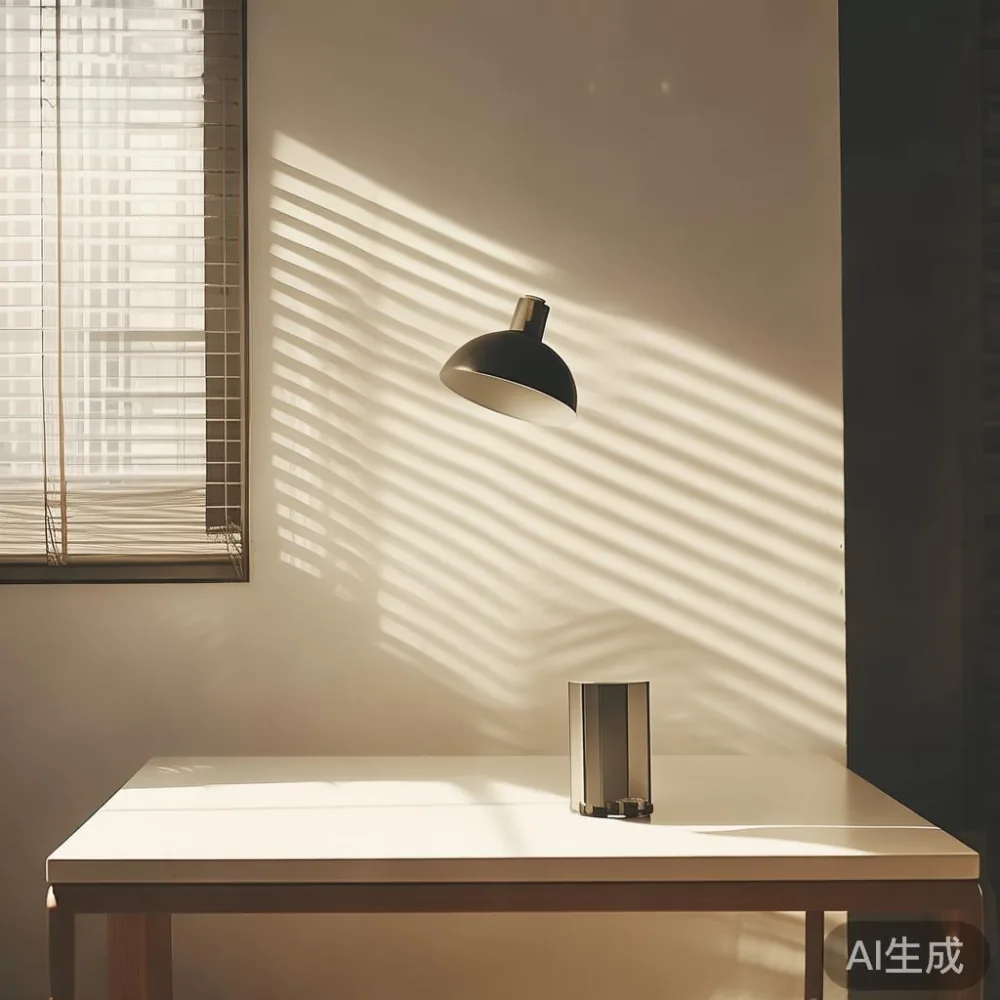
This guide focuses specifically on lacquered side tables: compact pieces usually measuring about 40–60 cm wide, 40–70 cm high, and 30–50 cm deep. The same care principles also protect nearby pieces, such as a lacquered dining table or marble table, without changing their construction needs. A polished finish should retain its depth and smooth touch, not merely look glossy under the lights.
MIDHILL designs and manufactures solid wood furniture in Foshan, established in 2008, with export experience across more than 15 countries. Its lacquered pieces carry a 10-year structural warranty, while refinishing service is available for the lifetime of the product. For a Singapore order, a lacquered side table may cost from SGD 280 to SGD 760 before GST; larger or more detailed versions can reach SGD 1,180. Delivery commonly takes 7–14 days after production, and orders above US$350 qualify for free shipping under the stated policy.
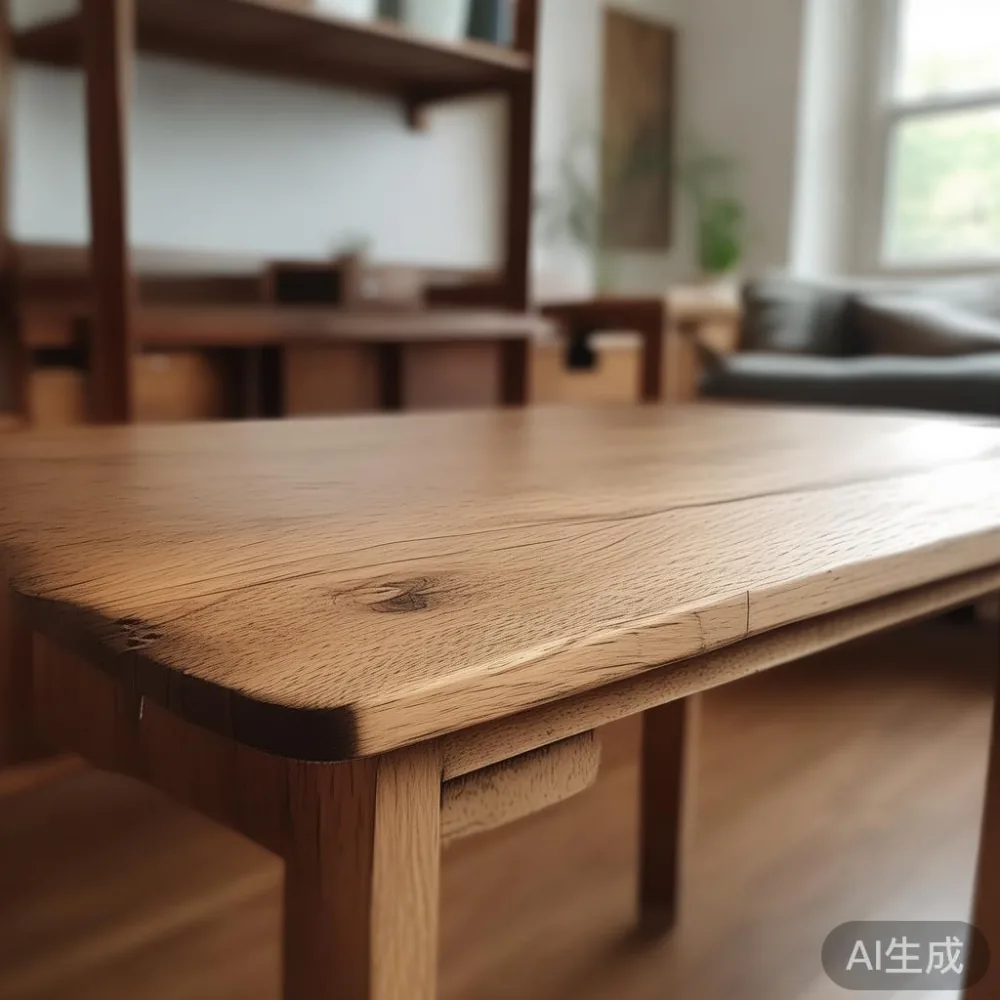
Why does lacquer need special care in Singapore?
Singapore’s tropical climate keeps relative humidity high for much of the year. Outdoor readings can range from roughly 65% to 95%, and a room near an open balcony may remain above 70% even with air conditioning. Lacquer cures the wood underneath and creates a protective skin, but that skin can respond to temperature swings, ultraviolet exposure, and repeated wetting.
Heat is often the hidden enemy. A west-facing window in Bedok can push a dark lacquer surface above 45°C by late afternoon. Prolonged heat may soften the finish, dull its optical clarity, or make cleaning too aggressive. Direct sunlight can also fade a pale lacquer or darken an exposed edge. Keep the side table at least 60 cm from windows, glass doors, and exterior walls where practical, and out of air-conditioner airflow.
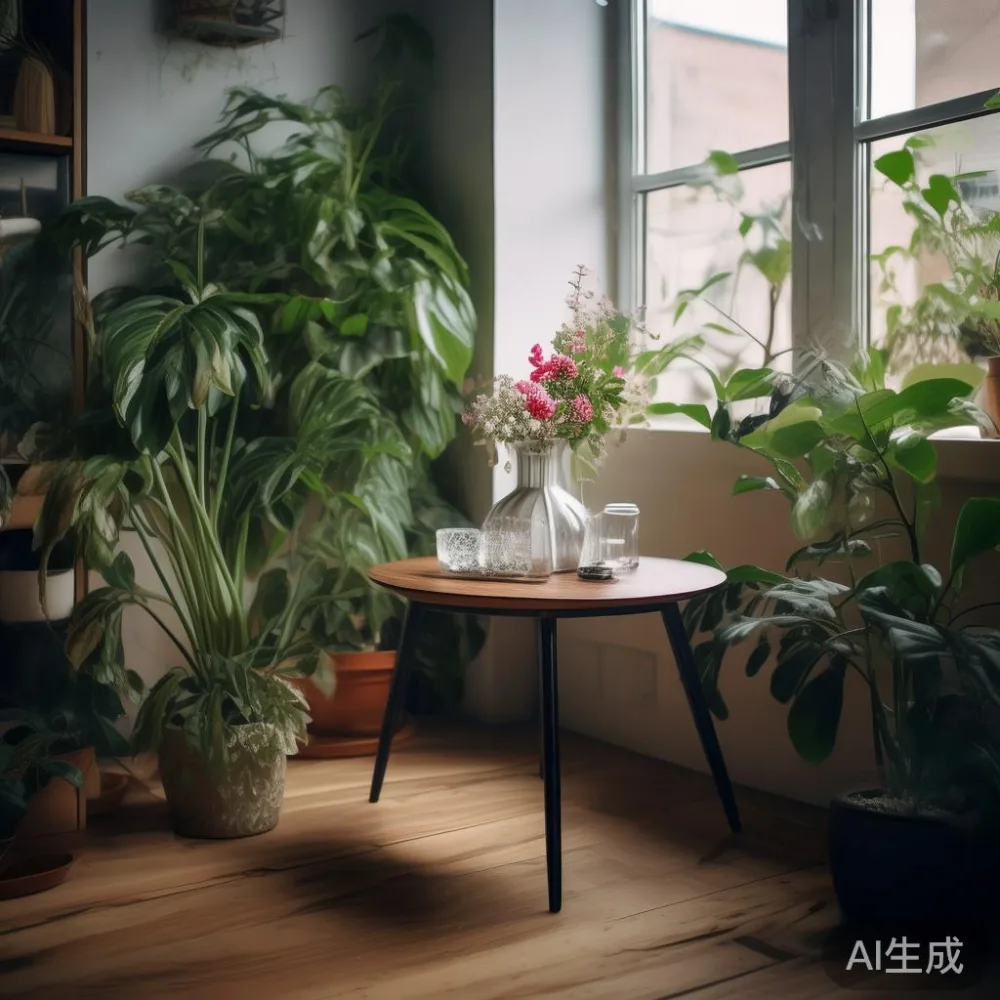
Humidity matters because lacquered solid wood can still move slightly beneath its sealed surface. A well-finished piece may expand or contract by around 1–3 mm across a 50 cm width over seasonal changes. That small amount of movement is normal. Forcing a tight fit against a wall or placing the table against a damp return air grille can stress joints and edges. Leave 3–5 cm of breathing space behind and on open sides.
French light luxury often means restrained colour, slender profiles, and tactile finishes rather than heavy ornament. Those surfaces show fingerprints and fine marks, so gentle habits matter. American light luxury tends toward clean lines and practical elegance, while post-modern light luxury may combine a lacquered top with visible timber details. In every style, prevention is easier than restoring a damaged finish.
What are the safe cleaning steps for a lacquered side table?
Clean every 1–2 weeks during humid periods, or sooner after handling food, drinks, or oily products. Begin by moving the side table away from direct sun and ventilation equipment. Clear the top for 5 minutes so room-temperature air can reduce surface condensation. Avoid testing a product directly over a visible area.
Use a clean, white or pale microfibre cloth with warm water around 30–40°C. Add one small drop of mild dish soap to a bowl containing about 500 ml of water. Lightly dampen the cloth; it should not drip. Wipe in the direction of the grain or along the lacquered panel, then use a second dry cloth to remove moisture. Small quantities of diluted soap clean ordinary dust and fresh fingerprints without attacking a sound lacquer film.
For weekly care, a dry microfibre cloth is enough. Do not use abrasive pads, steel wool, scouring powder, alcohol, acetone, nail-polish remover, bleach, or ammonia cleaner. Even a briefly wet cloth can leave a water ring if the solvent has weakened an aged finish. If soap leaves a visible film, wipe once more with plain water and dry immediately.
Coasters remain the simplest protection. Felt or neoprene pads measuring 8–12 cm can be placed beneath cups and vases. Cork absorbs occasional dampness but can crumble with age, while untreated wood coasters may contain substances that stain the lacquer. Replace coasters every 12–18 months if their edges become rough.
Near a dining zone, remember that acidic drinks are more damaging than water alone. Cola at pH about 2.5 can leave marks quickly, and red wine can stain before it dries. Clear spills within 5 minutes. Blot from the outside inward with a clean cloth rather than spreading the liquid. For comparison, a French bed vs Mid-century modern bed may suit the same apartment but have different care requirements; lacquer protection is always determined by the surface, not the furniture label.
How should scratches, water rings, and sticky marks be treated?
First identify the mark. Dust usually wipes away with a dry cloth. A water ring may appear as a dull circle after a hot cup leaves moisture trapped beneath a polished film. A scratch exposes either clear lacquer, coloured lacquer, or bare timber, and each level needs a different response. Do not scrub until the mark disappears; repeated rubbing can create a larger hazy area.
For a fresh sticky residue, lift what can be lifted with a clean fingertip or a wooden spatula. Place a slightly damp white cloth over the remaining spot for 30 seconds, keeping the table surface only lightly damp. Then wipe once in the direction of the finish. If residue persists, seek a finish-safe cleaner from the furniture maker rather than trying household solvents.
A shallow scratch in clear lacquer can sometimes be reduced with an artist’s lacquer repair pen matching the sheen. Test on a spare board or the least visible edge, and allow 24 hours before judging the result. Coloured lacquer needs a closer colour match, while a deep scratch to the timber may need sanding, recolouring, and a new lacquer coat. That process may take 3–7 days in a controlled workshop.
Water-ring removal is uncertain because the ring may come from contamination inside the lacquer rather than from a surface deposit. Mild dish soap and a soft cloth are the safer starting point. Aggressive heat guns can raise the surface above 55°C, causing bubbling or colour shift, so keep warm air at least 30 cm away and avoid hair dryers over lacquer.
For a purchased side table, photograph the affected area with a ruler beside it, note the room conditions, and contact MIDHILL for guidance. A clear record showing a 2 cm mark is more useful than saying the finish is damaged. The lifetime refinishing service is an important reason to retain the original order details and product photos. Structural warranty coverage and finish wear are separate matters, so realistic expectations help a technician assess the piece correctly.
Can outdoor humidity damage a lacquered side table?
A lacquered side table should not sit permanently on an open balcony or under a shelter that receives wind-driven rain. Even marine-grade lacquer, commonly designed for about 500 hours of salt-spray exposure, is not a promise of unlimited outdoor life. UV exposure, standing water, salt deposits, and repeated drying can shorten its service life.
If the table is on a semi-outdoor landing, use a breathable cover rather than sealing damp furniture inside plastic. Leave the cover slightly open on the lower edge so condensation can escape. Move the table indoors during storms and when the outdoor relative humidity exceeds 90%. Check it every 7 days during monsoon periods.
Singapore lift and corridor dimensions are practical constraints in HDB blocks. An HDB lift lobby may have a clear doorway around 800–900 mm, while compact corridors can narrow to about 900 mm. A side table 45 cm wide and 50 cm high may fit, but rotate or tilt it only after removing loose objects and checking for handles that could catch. Before delivery, measure doors, route turns, lift height, and the receiving room. A larger 70 cm table may require two movers even when its weight is only 14–22 kg.
Floor protection matters too. Use a thick cardboard sheet or purpose-made moving blanket with a non-slip layer. Cardboard can soften impact and provide a clean surface without scratching lacquer. The table should be carried upright when practical; if protected with padding, avoid attaching tape directly to the top. Sticky tape can lift lacquer or leave adhesive after 6–24 hours.
Indoors, position the side table beside a sofa or nightstand with airflow around it. Do not place it against a bathroom wall, kitchen splash zone, or damp service ledge. For homes where early morning condensation forms near windows, wipe the surrounding ledge, not the lacquer, with a separate dry cloth. This keeps water away from the furniture edge.
How often should lacquer be inspected and maintained?
Inspect a side table every month for 5 minutes. Check the top under daylight and under warm room lighting, looking for dull patches, lifting edges, bubbles, fine scratches, or colour changes. Pay attention to areas beneath planters, table lamps, and decorative objects. A coaster should not conceal a sticky ring that continues after removal.
Seasonal checks should occur every 3 months. During the wettest months, confirm that the table sits 60 cm from open windows and that its back is not pressed against a cool exterior wall. In hotter weeks, record peak surface temperatures where practical. If a reading reaches 43–45°C, move the table away from direct afternoon sun rather than waiting for visible damage.
Mechanical checks are equally useful. Tighten a detachable bracket only if the maker’s instructions permit, and do not overtighten. A wobble of more than 2 mm across a 50 cm top deserves investigation. Use an indoor humidity meter and aim for approximately 45–60% relative humidity where feasible. Sudden dry-air exposure can cause lacquered timber to check, while persistent dampness encourages mould around joints and undersides.
Lifters and candles should be kept 20–30 cm away from lacquer and timber. An oil-filled diffuser can mist nearby surfaces, and an unattended candle can create heat damage. For a French provincial accent chair or a refined table arrangement, choose accessories with stable bases and clean bottoms. Their style does not excuse an unstable footprint or oily residue.
Compare maintenance with the rest of a coordinated room. A European light luxury sofa vs Italian light luxury sofa may have distinct textile and leather care schedules. An Italian light luxury dining table may need larger coasters and more frequent wiping than a side table near a bed. A lacquered wardrobe door can mark when clothing rubs against it, and a marble table has different porosity and etching concerns. Keep care instructions for each material, but use the same measured discipline: small quantities, soft cloths, and quick responses.
What should I do before placing a new side table beside the bed?
Let the side table acclimate in its final position for 24–48 hours if it has travelled from a cooler vehicle or air-conditioned van. Remove all packaging first. Do not leave a plastic film against lacquer for several days, especially in humid weather. Retain foam corner guards until the table has been inspected, then store or recycle them according to local rules.
Check the top for dust and transport marks. Use a ruler to measure minor movement at 3 points, recording values such as 0, 0.5, or 1 mm. Do not treat a normal reading as a manufacturing defect. Confirm that any supplied hardware is present; a small pack of washers may weigh only 0.1 kg, yet missing pieces can leave an unstable side table.
For a 45 cm wide table, keep walking clearance in mind. In many HDB rooms, a side table should leave at least 60 cm beside the bed frame and 70 cm in a main circulation route. Avoid blocking a corridor narrower than 900 mm. In a condo, shared corridors and lift lobbies may require a scheduled delivery window, especially for a marble table or wider solid wood dining table that cannot be carried through a turn.
Style references can help with placement, not shortcuts. A French bed vs Mid-century modern bed comparison often highlights warm wood and tapered legs; protect those legs with floor pads. If researching the best Japandi bed for 2026, consider how much space remains for a compact side table and charging cable. Search results for light luxury furniture china may offer ideas, but verify dimensions, finish specifications, GST treatment, and after-sales terms before buying.
Finally, ask who will maintain the table. If children or visitors are likely to set down drinks, place a larger tray beneath vulnerable areas. If smoking is possible near the bed, keep the side table at least 1 m away. The finish should support daily life, not become a reason to leave useful surface space empty.
How do light-luxury finishes fit a tropical home?
Light luxury works well in Singapore when materials are proportioned for compact rooms. A lacquered side table with a muted taupe, warm ivory, soft charcoal, or desaturated green finish can complement an oak bed frame and a pale wall. French light luxury styling uses calibrated restraint; American light luxury often favours clean geometry; post-modern light luxury accepts a clearer mix of periods. The lacquer should be evaluated under the room’s actual daylight, not only studio images.
Sample boards can prevent surprise. Request 2–3 finish swatches and view them beside the flooring at 8 am, noon, and 7 pm. Warm white lighting around 3000K can make cool greys look bluish, while neutral lighting around 4000K offers a more balanced view. Dark lacquer reflects fingerprints and dust, so a weekly cloth routine becomes especially noticeable. Pale lacquer shows tea, turmeric, and coloured pencils more quickly.
Make the finish part of the furniture plan. A solid wood sofa provides scale; a dining table anchors the living-dining area; a wardrobe benefits from vertical storage. A nightstand keeps the surface simple beside the bed frame, and a marble table introduces a different texture with its own cleaning rules. The lacquered side table should not be treated as a catch-all surface. Give it one purpose, such as a lamp and book, rather than keys, wet towels, fruit, and cosmetics.
Price should be considered with service and material information. A Singapore order of SGD 420 before GST, with estimated GST of SGD 29.40 at 7%, illustrates why full landed cost matters. Confirm whether delivery is included, how many days production requires, and what the returns window covers. MIDHILL provides a 14-day return policy, but customers should inspect packaging and finish promptly after receipt. Photograph all 6 sides before moving the piece into its final room.
What if I need lacquer repair or professional refinishing?
Contact a qualified repairer when the mark covers more than about 5 cm, when lifting or bubbling appears, or when a scratch reaches bare timber. A repair is not simply a matter of applying a clear coat. The surface must be cleaned, levelled where appropriate, colour-matched, sealed, and allowed to cure under controlled conditions. Some finishes need 72 hours before handling, while full chemical cure can take 7–14 days.
Collect useful information before requesting advice: product dimensions, finish colour, purchase date, room humidity, direct-sun exposure, and the size and type of mark. Include photographs taken with daylight, close-up images, and a ruler. If the table was bought from MIDHILL, the lifetime refinishing service can be discussed through the company’s contact channel. The 10-year structural warranty should be separated from cosmetic wear so the correct process can be proposed.
Do not sand a lacquered side table on a balcony. Dust can spread into the room, and inconsistent pressure can expose raw wood. If a DIY touch-up is approved, work indoors on a clean cloth with ventilation and wear a dust mask. Test the repair material on an offcut, wait 48 hours, and compare it under both daylight and artificial light.
For moving services, measure the lift and corridor before booking. A 16 kg side table with a 45 cm top may be manageable for two people, but a 70 cm top or marble table can require extra support. Use blankets, cardboard, and straps rated for at least 50 kg. Never lift by a thin apron or a small handle if the maker has not specified that it is load-bearing.
A lacquered side table in Singapore can remain attractive through years of ordinary use when humidity, heat, moisture, and scratches are managed with restraint. Keep it out of direct sun, wipe it gently, protect it with stable coasters, inspect it monthly, and respond to marks within 5 minutes. These habits preserve the quiet character of a side table while protecting the larger room around it.