How to Match a Solid Wood Side Table to a Warm Minimal Interior
Warm minimalism is the interior language most Singapore HDB flats and condos in Tampines, Bedok, and Punggol speak fluently — clean lines, breathable layouts, and a single material story told without shouting. The trick is that warm minimalism lives or dies by the small pieces: the side table beside the sofa, the nightstand holding your book and glass of water, the slim console behind the dining chair. Get those right and the whole room calms down; get them wrong and the white walls feel clinical rather than considered. Last month I visited a 92 sqm four-room HDB in Punggol where the owners had spent SGD 18,000 on a beautiful American light luxury sectional but had paired it with a glass-and-chrome side table from a mall clearance. The room felt colder than the air-conditioning. We swapped that one piece for a 45 cm ash-veneer solid wood side table with rounded edges, and the same sofa suddenly looked like it had been designed for the room.
What exactly is warm minimalism, and why does it suit HDB flats so well?
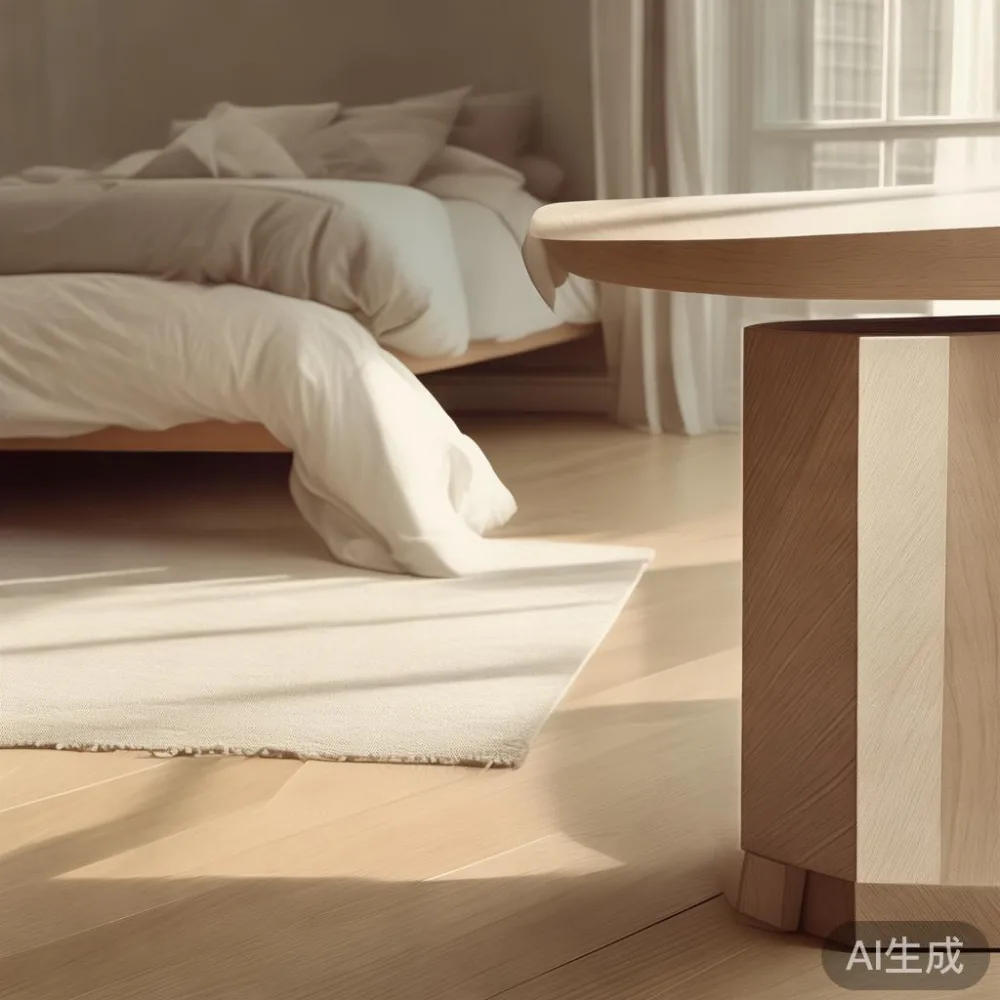
Warm minimalism is the middle path between Scandinavian cool and Japanese restraint, softened by natural timber, brushed brass, and a linen-sofa palette of oat, sand, and clay. In a 990 sqft (92 sqm) BTO flat with 2.8 m ceilings, the style works because it doesn't fight the proportions — it honours them. The principles are simple: one wood tone carried across the side table, dining table, and bed frame; one soft textile family repeated on cushions, throws, and curtains; and one quiet accent metal, usually brass or blackened steel. MIDHILL's solid wood collections, made in Foshan since 2008, follow exactly this discipline — the ash, walnut, and white-oak finishes are calibrated so a side table, a dining table, and a wardrobe can share the same surface without looking like a catalogue set.
Which wood tone, finish, and dimensions should a side table have for a warm minimal HDB?
For a warm minimal HDB, choose ash, white oak, or light walnut — never dark mahogany, which reads formal and shrinks the room. The side table should sit 2-3 cm below the sofa arm height (so a typical 58-62 cm arm pairs with a 55-60 cm table top), and the diameter or width should stay between 40 cm and 50 cm. Anything wider than 55 cm in a 3.2 m-wide living room will crowd the walkway to the balcony; anything narrower than 35 cm looks like an afterthought. Weight matters too — a solid wood side table in ash weighs roughly 11-14 kg, which is heavy enough to feel substantial under the hand but light enough that a single person can lift it over the corridor kerb during move-in. Lift sizes in most 2018-and-newer BTO blocks in Tampines are 1.1 m wide by 2.1 m deep, so any piece with its longest dimension under 100 cm clears them comfortably — including the 90 cm marble-top accent tables some buyers are now requesting.
How do I choose a coastal style for a HDB living room?
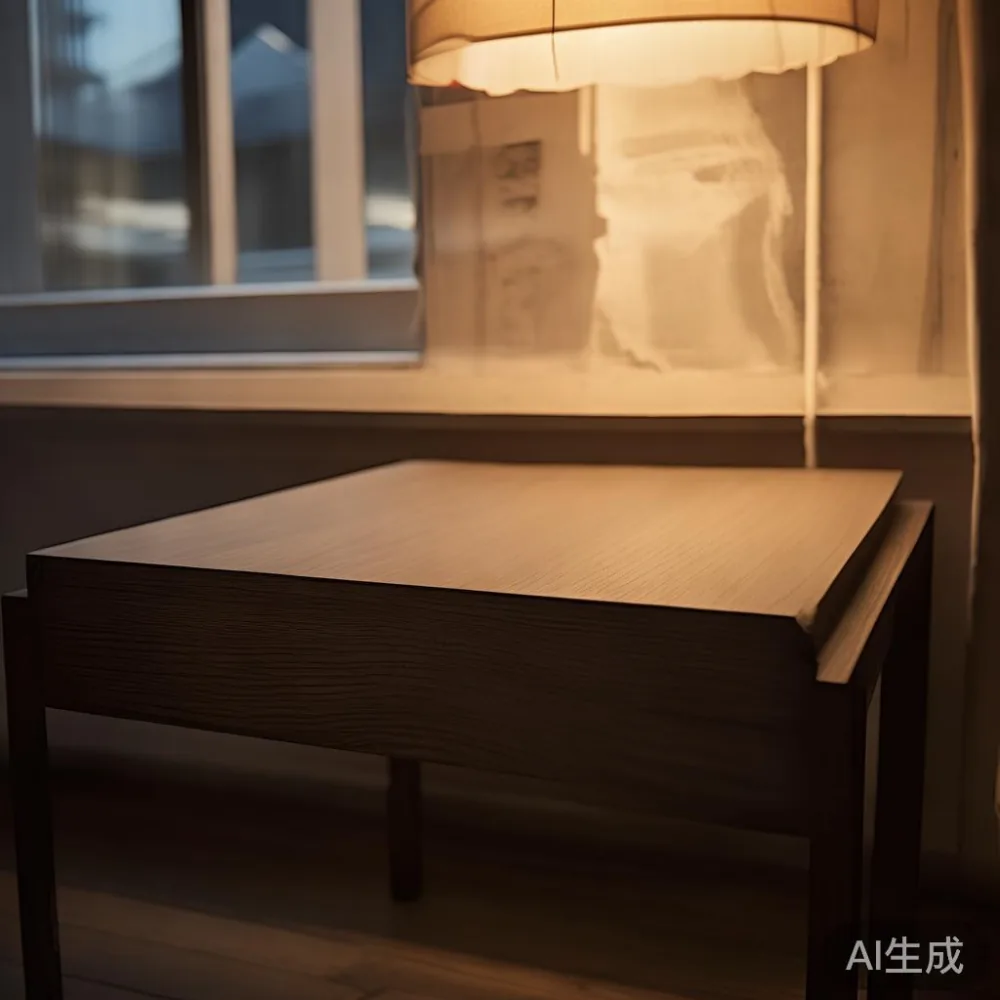
Choose a coastal style for a HDB living room by anchoring the room with a white-oak or ash side table, a linen-covered solid wood sofa in oat or ecru, and one woven jute or seagrass basket, then keep the rest of the palette pale and uncluttered. The side table is the single piece that decides whether coastal reads as Hamptons calm or as theme-park beach — if its top is too glossy or its legs too turned, the room tips toward the second; if its silhouette is square-edged and its finish matte, the room settles into the first. Keep wall art to one or two pieces (a horizon line and a botanical print work well), and limit metal finishes to brushed nickel or aged brass rather than chrome. A 45 cm round ash side table at SGD 489 paired with a 2.4 m linen three-seater at SGD 3,290 is roughly the budget envelope that gets the look right without over-spending on a 4-room flat renovation.
Where should the side table actually sit, and what should go on it?
The side table belongs inside the L of the sofa, 5-8 cm from the seat cushion, with a 60 cm floor-to-bottom clearance for easy leg movement. For a 2.2-2.6 m three-seater, place one side table at the right-hand arm (the side most people reach for the remote) and consider a second smaller table, 35-40 cm, at the left arm for symmetry. The styling rule for warm minimal is the rule of three: one vertical object (a 25 cm bud vase with a single dried stem), one horizontal object (a 22 x 16 cm tray in oak or leather holding the TV remote), and one organic object (a stone, a small ceramic, or a folded linen coaster). Nothing taller than 30 cm, nothing that reflects the overhead LED panel directly, and absolutely no clutter stack — magazines live in the cabinet, not on the side table. If your sofa is American light luxury with rolled arms and deep seats (105 cm depth), a slightly heavier side table at 12-15 kg in solid walnut reads better than a featherweight ash piece that looks out of proportion.
Can a side table, nightstand, dining table, and wardrobe really share the same wood tone without looking matchy?
Yes — and this is the single biggest mistake Singapore buyers make when they buy pieces from different brands within the same week. The trick is that the wood should match in species and undertone, but the silhouettes should differ. A 45 cm round ash side table with a turned-but-clean pedestal pairs beautifully with a 1.8 m rectangular ash dining table that has straight square legs and a 12 mm chamfered edge, and both sit happily next to a Japandi ash wood bed frame with a 108 cm-tall low headboard. The wardrobe can carry the same ash on the door fronts while introducing a painted cream carcass for contrast. MIDHILL builds its collections around this exact logic — the ash dining table, the matching ash side table, the ash wardrobe, and the ash nightstand all come from the same timber batch and the same finishing line, which is why a buyer who starts with one piece can add the others over twelve months and still get a coherent room. The alternative — buying a SGD 1,200 solid wood dining table from one brand and a SGD 320 side table from another in a "similar" tone — almost always reads as two different rooms in one.
What about marble, brass, and glass — are they allowed in warm minimal?
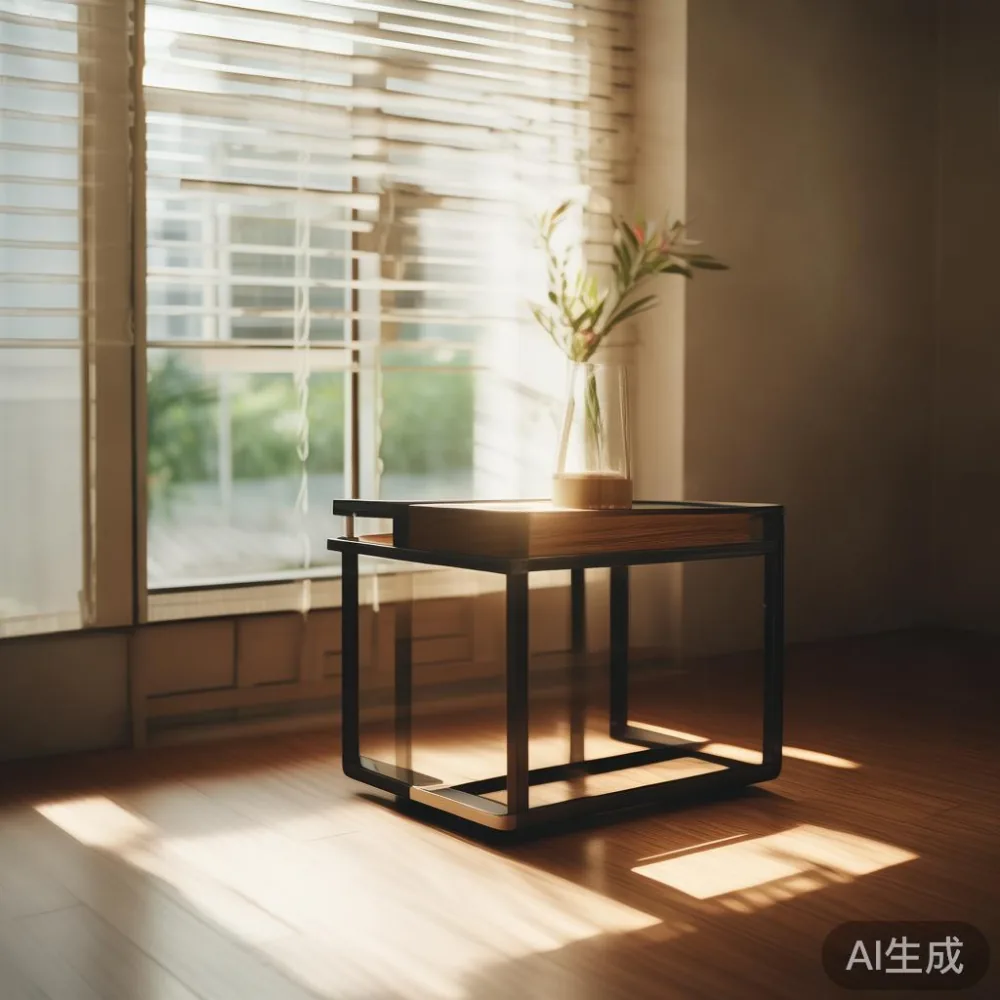
They are allowed, but only as supporting actors, never as leads. A 50 cm round marble side table with a cream or veined-grey top works as a single accent piece in a living room otherwise furnished in ash — think of it as the one statement, sitting opposite a linen armchair, with a 14 cm brass-base table lamp on top. Marble tables from MIDHILL run 18-22 kg depending on the slab thickness (typically 18 mm with a plywood sub-base to keep the weight HDB-friendly), and they pair naturally with the same brand's solid wood dining table when the legs share a brushed-brass ferrule. Glass, on the other hand, should be limited to picture frames and one small lamp shade; a glass side table in a warm minimal HDB reads as transient and showroom-like, which is the opposite of the permanent, settled feeling the style is trying to build.
How much should I budget in SGD, and how does delivery work for a HDB or condo in Tampines, Bedok, or Punggol?
For a complete warm-minimal living-and-dining update in a 4-room HDB, a realistic budget in 2025 prices is SGD 4,800 to SGD 7,200 for the core pieces: a 2.4 m solid wood sofa at SGD 2,900-3,600, a 45 cm ash side table at SGD 420-520, a 1.6-1.8 m ash dining table at SGD 1,100-1,450, and a 50 cm marble accent table at SGD 580-720. Add a 1.8 m ash wardrobe at SGD 1,650-2,100 and a Japandi ash wood bed frame at SGD 1,380-1,780 and the bedroom is covered too. MIDHILL ships free within Singapore on orders over US$350 (roughly SGD 470), and standard delivery from the Foshan warehouse to a Tampines block takes 18-24 working days by sea-freight LCL, plus 2-3 days for the local last-mile crew to call, book the lift, and carry to the unit. Every piece ships with a 10-year structural warranty and lifetime refinishing — meaning if the ash dining table top gets ring marks after year four, the buyer pays only the return freight and gets it re-oiled. Returns are accepted within 14 days for pieces that haven't been assembled, which matters in Singapore because HDB corridor widths of 1.2-1.5 m mean a wrongly-sized dining table cannot be re-boxed once opened. GST is absorbed at checkout for orders under SGD 1,000 and added transparently for orders above, in line with the 9% rate that took effect from 1 January 2024.
How do I keep a warm minimal living room from drifting back into clutter after three months?
The honest answer is that warm minimal only survives if the storage behind the room is generous, which is why a 1.8 m ash wardrobe or a 2.4 m TV-console with drawers is non-negotiable for a four-room flat. Choose a side table with a single shallow drawer (8-10 cm internal depth) for the things that always migrate — phone chargers, earbuds, the TV remote — and commit to nothing living on top of the table except the rule-of-three objects described earlier. Buy one fewer piece than you think you need: a 2.4 m sofa plus one side table plus one accent chair is plenty for a 3.2 x 3.8 m living-dining zone, and adding a second armchair, a second side table, and a footstool will undo the minimalism within a fortnight. Re-oil the solid wood side table every 12 months with a food-safe hard-wax oil (about SGD 28 for 500 ml, enough for three pieces), and the ash will deepen by half a shade over the first year — exactly the patina warm minimal is designed to celebrate.
What should I do this week to start getting the room right?
Three small steps, in order. First, measure the sofa arm height, the corridor width from lift to flat, and the distance between the sofa and the TV console — write the numbers down in cm so they survive the next shopping trip. Second, take three photos of the room in daylight and two at night under the existing LEDs, so the wood tone can be judged under both colour temperatures (2700K warm white reads truer to ash than 4000K cool white). Third, shortlist two side tables in the same species — one round at 45 cm and one rectangular at 50 x 35 cm — and live with the choice on screen for 48 hours before ordering. The right piece will keep looking right after day two; the wrong piece will start to look wrong by breakfast on day three.