Matching a Solid Wood Side Table to a Warm Minimal Interior: A Singapore Flat Guide
A Tampines 4-room HDB I visited last month made the whole brief click for me. The owner had painted three walls in Farrow & Ball Setting Plaster, swapped a glossy white dining table for a solid oak version, and added a 45 cm round side table next to a deep grey armchair near the window. Nothing else changed, yet the room read warmer, calmer, and somehow more grown-up within an hour. That single piece of furniture did more for the space than a fresh coat of paint, and it is the reason this guide starts with the humble side table.
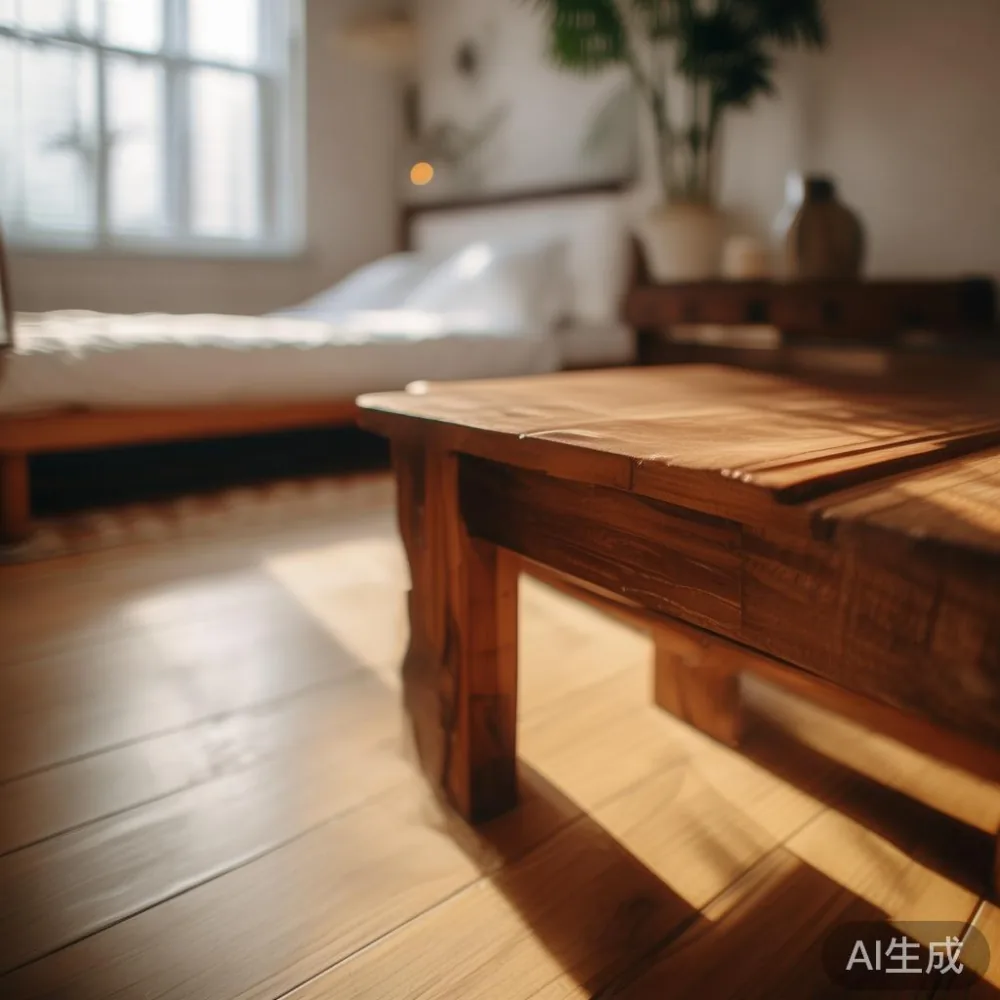
Warm minimalism is the interior style most Singapore homes secretly want. It strips out the noise of fast furniture, but it refuses the cold hospital look of pure Scandinavian. The base palette is cream, putty, oat, warm white, and clay. The accent is one round-edged shape, the strong material is real solid wood, and the texture comes from linen, jute, brushed brass, and unglazed ceramic. In a flat where the corridor is only 1.2 m wide and the service yard lift door measures around 2.1 m tall, every piece has to earn its floor area. A side table in this brief is not a side thought; it is the punctuation.
What Does Warm Minimalism Actually Look Like in a Singapore Home?
Warm minimalism borrows the negative-space rules of Italian light luxury for apartment styling, then layers in the tactile softness that tropical light demands. Walls are usually in the warm white band, between NCS 0500-Y and S 0502-Y50R, which keeps the room bright without the bluish glare of pure 9010. Floors are either engineered oak in a 190 mm wide plank or a warm-toned SPC that mimics oak at a fraction of the cost. Curtains are linen double-straw weave, not blackout polyester, because a 4-room HDB living room only needs about 5 m of fabric per side.
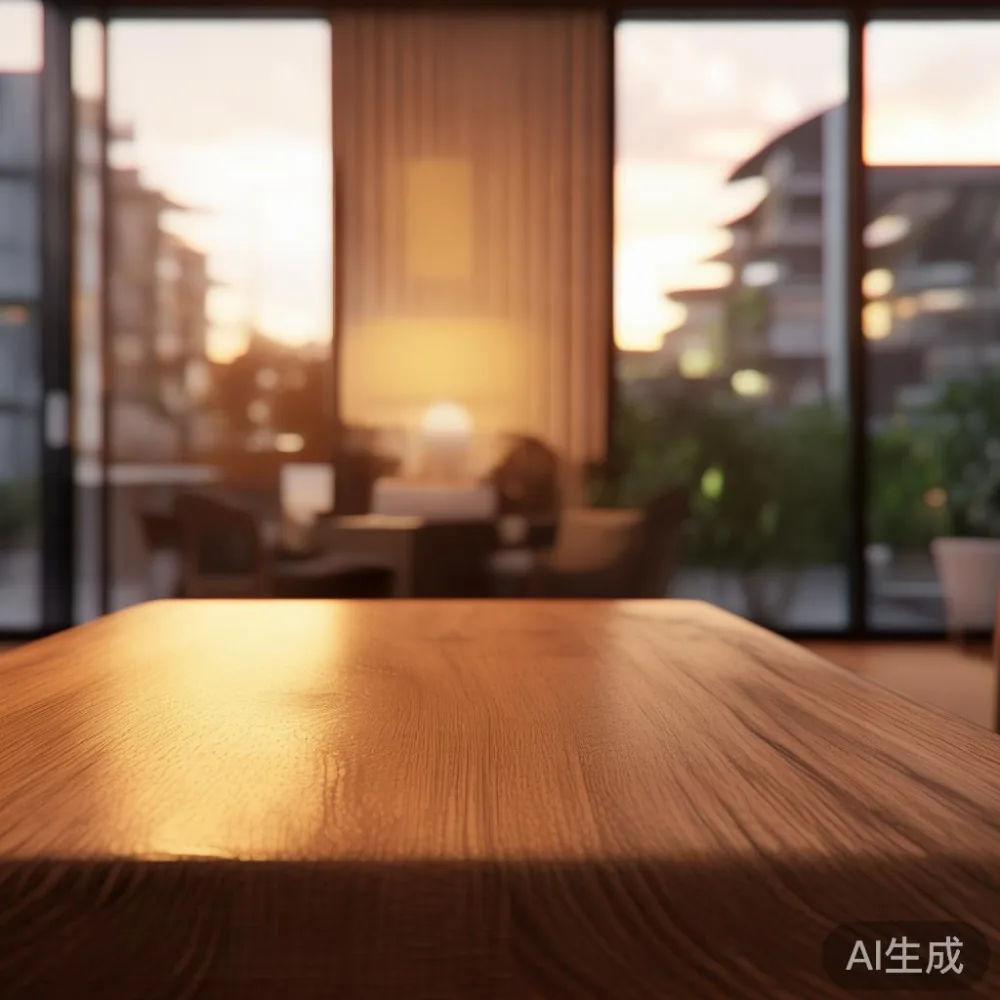
Furniture follows a 70-20-10 rule. Seventy percent of the pieces are quiet, low-saturation pieces in solid white oak or ash. Twenty percent add one wood tone darker, such as smoked walnut or teak. Ten percent are the textural items, like a brushed brass floor lamp, an unglazed stoneware bowl, or a marble table for the entryway. The side table sits in the 70 percent band because it has to disappear into the room until you need it, then carry a 12 cm carafe of water without complaining.
Why the Side Table Is the Hardest Piece to Get Right?
Ask any interior studio that friends customers, and they will tell you the dining table gets all the attention while the side table gets all the blame. Get the side table wrong and the whole composition wobbles. Get it right, and the armchair, the floor lamp, and the linen curtain suddenly look intentional.
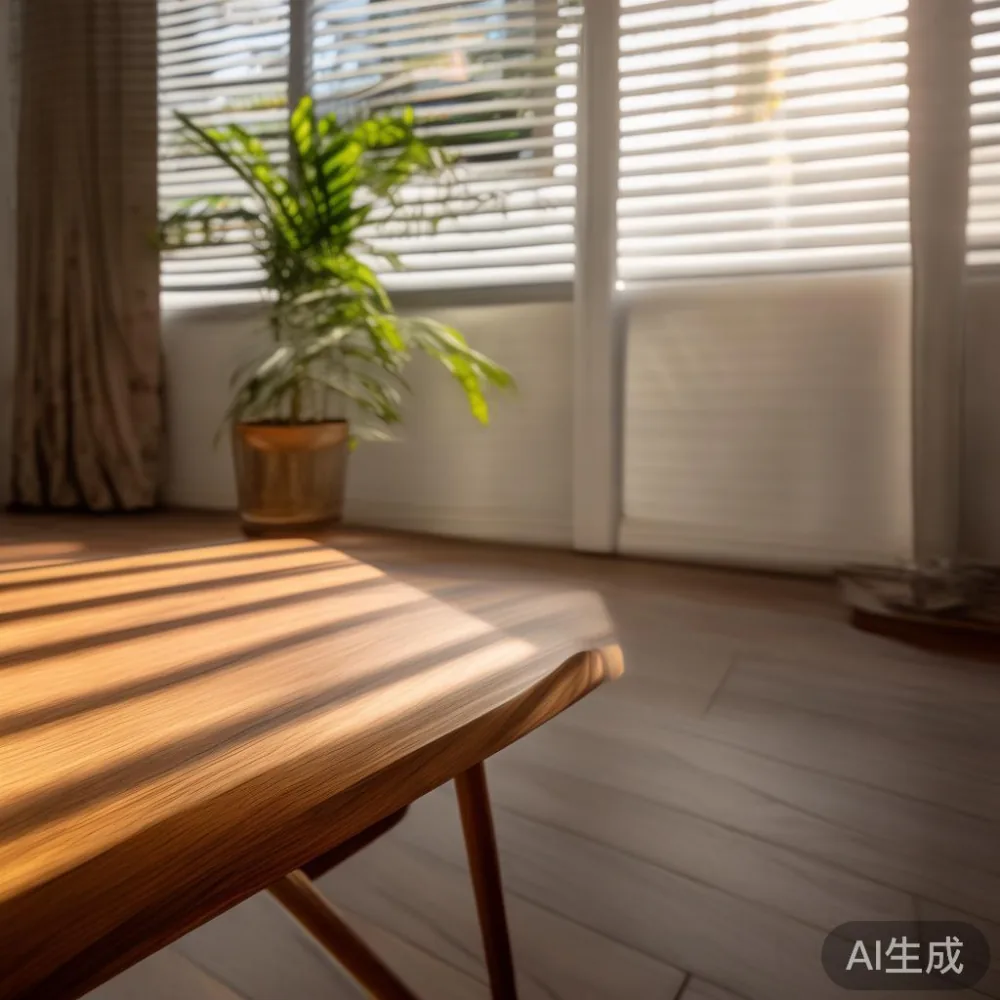
The technical challenges are real. In a Punggol, square 1.8 m balcony that doubles as a reading nook, a 55 cm square side table blocks the door swing. In a Bedok, 5-room corridor, a 60 cm round side table looks stranded in the middle of the walkway. The lift at most HDB blocks is 1.5 m deep and 1.7 m high inside, so a side table wider than 70 cm or taller than 55 cm will not fit through the door without tilting. None of this matters if you choose the right proportions.
What Size, Height, and Shape Works Best?
Numbers beat opinions. The general rule is that a side table should sit 2 to 5 cm below the seat height of the chair or sofa it serves. For a typical 45 cm seat, that means a side table top at 40 to 43 cm. The width should be roughly two-thirds of the seat width, so for a 70 cm armchair the side table is around 45 to 50 cm across. The depth matters in Singapore because most HDB walkways are 1.2 m and you still need 60 cm of clear passage.
For round, the practical sweet spot is a 40 to 50 cm diameter. Anything smaller disappears; anything larger blocks a corridor. For square, a 45 cm square top is the most flexible size I have measured. For rectangular, a 50 cm wide by 35 cm deep tray-top works as a sofa-side surface without eating the walkway. The side table top should be at least 2 cm thick if you want it to feel grounded instead of disposable, and the apron should sit 8 to 12 cm above the floor so the room reads airy.
Which Wood Tones Actually Pair with Warm Minimal Walls?
Color matching is where most people get stuck. A cool ash side table will fight warm walls and look like it was ordered from a different apartment. A red-tinted rubberwood side table will make a putty wall look jaundiced. The dependable trio for warm minimal interiors is solid white oak, solid ash, and smoked walnut. White oak has a beige undertone that disappears into warm walls. Ash has a slight green-grey cast that still reads neutral. Smoked walnut adds the 20 % darker accent without crossing into the dark, heavy territory that shrinks a 90 sqm flat.
If you want to chase the 2026 French provincial furniture trend while staying restrained, pick a white oak side table with a slightly chamfered edge and tapered legs in a 8 to 12 mm round profile. That detail reads French without screaming French furniture. If you want the Italian light luxury accent chair route, choose a side table with a marble inlay top, such as a 5 mm Carrara or a 5 mm Travertine slab on solid white oak, which gives you the Italian light luxury accent chair feeling without buying an accent chair you have nowhere to put.
2What Solid Wood Construction Details Should I Check?
Construction matters more than finish because a side table gets lifted, dragged, and stacked with cups. The four checks I run on every sample are: (1) the top should be one solid plank or finger-jointed with a visible tight pattern, not a printed veneer; (2) the corner joint should be mortise and tenon, not dowel or biscuit-look for a 10-year structural warranty to read as a flat fact rather than a slogan; (3) the leg-to-apron joint should be glued and dowelled or screwed with a corner brace, never only stapled; (4) the underside should show the same wood, not plywood.
For a warm minimal interior, the finish should be a hardwax oil rather than a high-gloss lacquer. Hardwax oil keeps the open grain visible, which is what makes solid wood read warm in the first place. A high-gloss lacquer will flatten the texture and pull the piece toward a hotel-lobby look. Brushed brass or matte black hardware is optional. Most warm-minimal side tables do better with no hardware at all, just a soft chamfer on every edge.
Which Other Pieces Should Match the Side Table?
The side table has to harmonise with five other pieces in a typical 90 sqm flat: the solid wood sofa, the bed frame, the dining table, the wardrobe, and the nightstand. A matched set is dated. A mix that shares wood species and one or two profile details reads curated.
A practical route is to pick one anchor wood, white oak for most warm minimal Singapore flats, then carry it through the solid wood sofa plinth, the bed frame headboard, and the dining table top. The nightstand can match the side table exactly, or it can be a slightly smaller 40 cm square version of the same design. The wardrobe can be the same wood but in a flat slab door without handles, so it reads as architecture, not as a piece of furniture. A marble table works for the entryway or behind the dining table as a console, but resist using it as the dining table itself unless you enjoy wiping up curry.
If you are tempted by cheap Mid-century modern furniture for the reading chair, you can mix it, but pick a chair with a solid wood frame in walnut or ash so it still talks to the side table. MDF or plywood frames in the same look will clash by sound alone when you tap them.
How Does a Side Table Survive Singapore Weather and HDB Logistics?
Singapore humidity sits at 70 to 85 percent most days, and HDB air-conditioning usually sits at 23 to 25 degrees. That 40-degree swing, plus the morning sun that walks across a west-facing Punggol balcony, punishes any finish that is not breathable. Hardwax oil handles it because it lets the wood move. Lacquer eventually cracks at the joints because it does not. Solid white oak is more stable than solid ash or beech in this climate, which is why most light luxury furniture china makers use oak as their default top wood for warm-minimal ranges.
For HDB logistics, measure before you buy. The lift door at most HDB blocks is roughly 1.0 m wide and 2.1 m tall. The service yard lift in newer condos can be 1.3 m wide and 2.3 m tall. A side table that arrives flat-packed in a box under 80 cm wide and 40 cm tall will clear both. A pre-assembled 60 cm round side table usually fits if the lift is empty. If you live above the 25th floor and the lift stops working, the staircase turning radius is tight, so flat-pack is the safer bet.
What Should I Budget in SGD for a Quality Side Table?
Prices move with material, construction, and brand. A flat-packed engineered-veneer side table from a Tampines mall can run SGD 129 to SGD 189 before GST. A solid white oak side table from a regional maker runs SGD 380 to SGD 650 before GST, delivery included within mainland Singapore. A solid white oak side table with a 5 mm marble inlay runs SGD 750 to SGD 1,150. A solid walnut or smoked-oak version means SGD 950 to SGD 1,600. Adding GST at 9 percent and a SGD 40 to SGD 80 delivery fee for non-qualifying orders brings the realistic ceiling for a 50 cm solid oak side table to about SGD 800 all-in.
If you are kitting out a whole flat, expect to spend SGD 3,800 to SGD 7,500 on the five matching pieces: two side tables at SGD 400 each, a dining table at SGD 1,400 to SGD 2,400, a bed frame at SGD 1,200 to SGD 2,200, and a nightstand at SGD 400 to SGD 600. Within that bundle, the side table is the cheapest item and the one that does the most for the room per dollar.
Which Specific Side Tables Are Practical for an Existing Minimalist Lay Out?
Three silhouettes cover almost every warm minimal layout I have seen in Singapore. The first is the 45 cm round drum side table with a 5 cm skirt and three tapered legs, in solid white oak, for about SGD 420 to SGD 560. It works next to a deep armchair in a 1.8 m reading corner. The second is the 50 cm square tray-top side table with a 2 cm lip and a single lower shelf, in solid ash or white oak, for about SGD 460 to SGD 640. It works beside a three-seater solid wood sofa in a 3.2 m living room because the side table can hold a 32 cm table lamp, a 9 cm coaster, and a 10 cm high carafe at the same time.
The third is the 50 cm wide by 35 cm deep rectangular side table with a single drawer and a 12 cm apron, in smoked white oak, for about SGD 580 to SGD 780. It works as a sofa-side surface in a corridor-sensitive layout, or as a standing lamp base in a Punggol studio. All three should sit at 42 to 45 cm height, weigh between 12 and 18 kg when solid, and arrive in a box under 60 cm wide. If you want a side table that also serves as the anchor for a MIDHILL TV console run in the same room, pick the same wood species for both so the side table and the MIDHILL TV console read as a pair rather than as two separate purchases.
How Do I Match a Side Table to the Rest of the Room without re-importing a Look?
Matching a light still requires you to plan three layers: the floor tone, the wall tone, and the textile tone. The floor tone decides whether your side table should be lighter or darker than the floor. The wall tone decides the undertone. The textile tone decides the contrast. If your floor is a 190 mm honey-oak SPC, your side table should be either the same honey tone for a smooth look, or one shade darker for a 20 percent accent. If your floor is a cool-grey washed oak, your side table should be a warm white oak to push the room back into the warm band.
For the wall tone, putty, oat, and Setting Plaster all pair with white oak and ash. Travertine walls pair better with smoked walnut or a marble-top side table. For textiles, a sand linen sofa cover lets a smoked walnut side table read as the 10 percent accent. A grey boucle sofa cover lets a marble-top side table read as the 10 percent accent. The ratio is the same; only the material rotates.
What Is the Cleanest Way to Order and Try a Side Table?
Order from a maker who shows the underside of the side table, the inside of the drawer, and the corner joint. If those three things are clean, the rest is usually clean. Confirm the box dimensions, the gross weight in kg, and the corridor-to-bedroom delivery path. Confirm the warranty in writing, especially for the joint, which is the part that fails first. Confirm the return window in days, and whether the return covers the side table only or the full order.
For warm minimal interiors in Singapore, a brand that stocks matching solid wood sofa, bed frame, dining table, wardrobe, and nightstand ranges, including a nightstand that visually pairs with the side table, saves you from mixing five different wood tones. MIDHILL has shipped this kind of matching range to homes in Tampines and Bedok since its founding, with a 10-year structural warranty, lifetime refinishing on the joinery, and free shipping for orders over US$350 that translates to roughly SGD 480. Their delivery to mainland Singapore for matching side tables and dining tables usually runs 18 to 28 days from the Foshan workshop to your HDB door, which is reasonable for solid wood shipped from light luxury furniture china makers.
Is a Side Table Worth the Splurge over a Cheaper Version?
A side table is worth the upgrade because it is touched daily, in a way that a dining table or a wardrobe is not. You rest your hand on it, your coffee sits on it, your keys land on it, your toddler climbs it. A cheap engineered-veneer side table will show the first ring within a year, and the edge will start to peel within two. A solid white oak or ash side table with a hardwax oil finish will dent and scratch, which is what solid wood does, and you can sand out the dent in 15 minutes and re-oil it in another 15.
A well-chosen side table will outlast three sofas and two paint jobs. In a warm minimal interior, that is the entire point: pick fewer pieces, pick better pieces, and let the side table do the quiet work of anchoring the room every evening when you set down your tea.