The 5-Year Side Table Showdown: Solid Wood vs. Veneer in Singapore
When furnishing a Singaporean home, the choice of materials for even the smallest piece of furniture can have a long-term impact on both your budget and your living space. A side table, for instance, sits in the corner of a living room in a Bedok HDB flat or beside a sofa in a Punggol condo, quietly contributing to the room's aesthetic and function. But is the initial cost of a side table the only financial consideration? A 5-year comparison between solid wood and veneer options reveals a story that goes far beyond the price tag, especially when you factor in Singapore's climate, lifestyle, and the true cost of ownership.
Understanding the Materials: Solid Wood and Veneer Defined
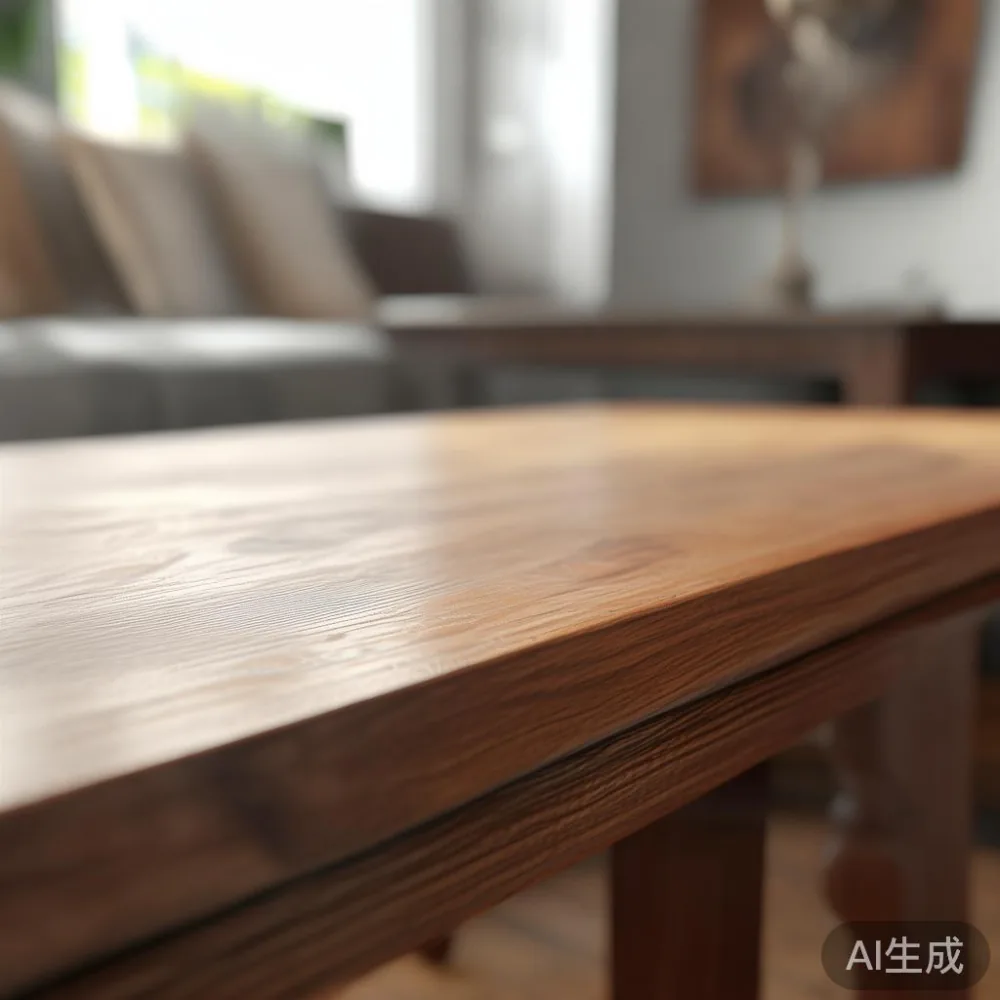
Before diving into the numbers, it's important to understand what these terms mean. Solid wood furniture, like the pieces made by Foshan-based manufacturer MIDHILL, is constructed entirely from genuine timber. A solid wood side table might be carved from a single plank of oak or walnut, or crafted from solid wood panels joined together. The material is consistent throughout the entire piece, from the surface to the legs. This construction gives the piece a substantial weight; a typical solid wood side table can weigh between 12 to 18 kg, a noticeable difference when lifting it through your HDB corridor.
Veneer, on the other hand, is a thin layer of real wood applied over a core panel, which is often made of medium-density fiberboard (MDF), particleboard, or plywood. This core material is much lighter and less expensive than solid wood. A veneer side table might weigh only 6 to 9 kg. The visible surface is real wood, offering the look of solid wood, but the underlying structure is different. The thickness of the wood veneer can vary, with higher-quality pieces using thicker veneers that are more durable and easier to refinish.
The Initial Investment: A Singaporean Price Point
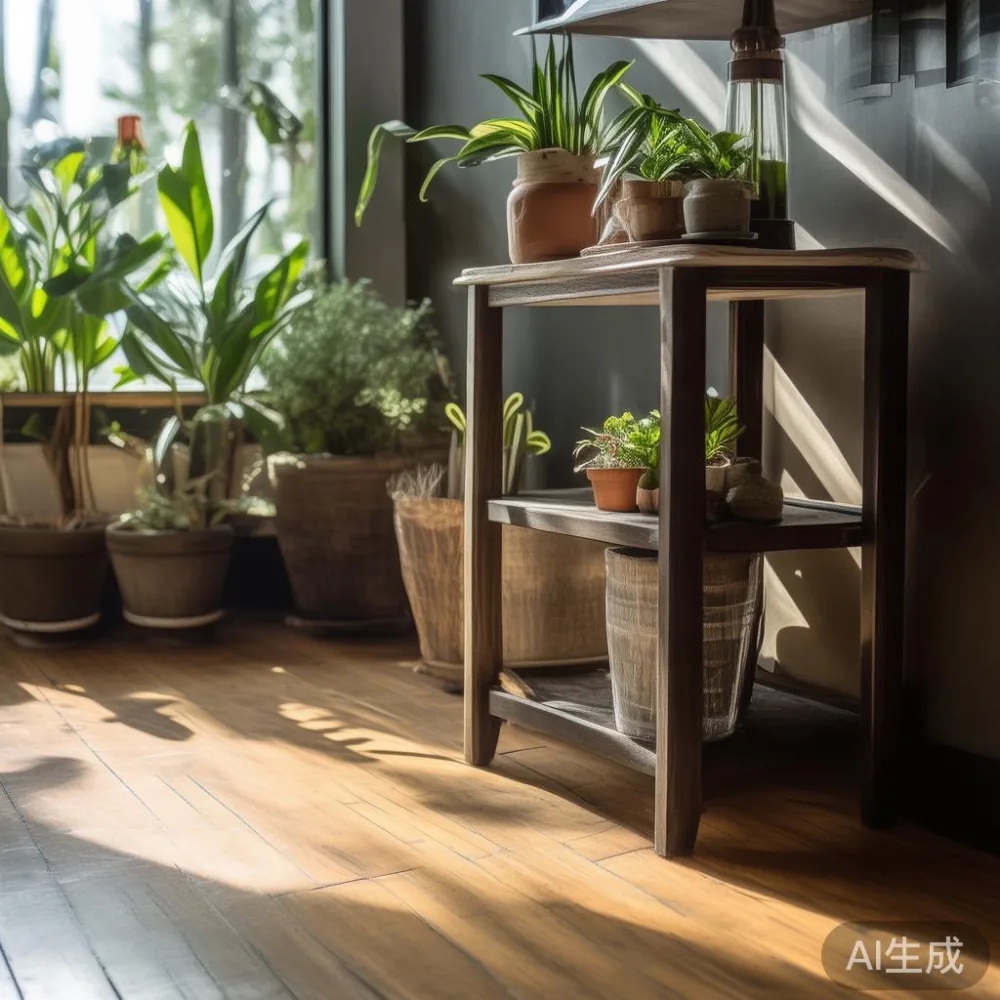
The most obvious difference between solid wood and veneer side tables is the initial purchase price. In the Singapore market, a well-made veneer side table from a local retailer might cost between SGD 180 and SGD 350. These pieces are often designed to fit the compact spaces of HDB flats, with dimensions typically around 45cm wide, 40cm deep, and 50cm high.
A solid wood side table, however, commands a higher price. For a piece made from solid oak or walnut with a similar size, you can expect to pay between SGD 450 and SGD 800. This higher cost reflects the quality of the raw material, the craftsmanship involved, and the durability of the product. A colleague of mine, Sarah, who recently moved into a new condo in Tampines, was surprised by the price difference. She told me last month, 'I thought all wooden side tables were roughly the same price. When I saw the price for a solid wood one, I almost walked away. But the salesperson explained that it was an investment that would last longer than my current lease.'
Year 1-2: Aesthetics, Durability, and the Singapore Climate
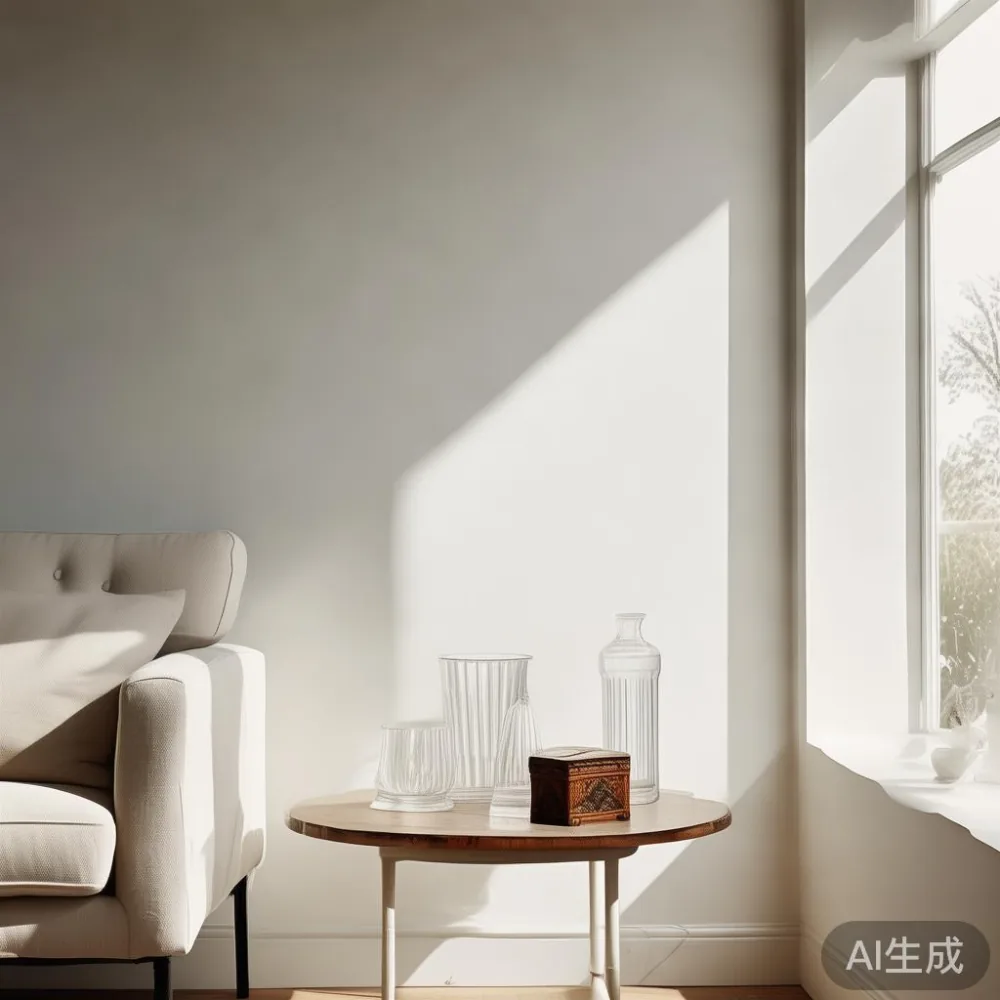
In the first two years, both solid wood and veneer side tables can look beautiful in a home. A veneer side table might offer a wider variety of finishes and styles, allowing homeowners to match existing furniture like a light luxury sofa or a marble dining table more easily. However, veneer's Achilles' heel in Singapore is its sensitivity to humidity. The high moisture levels in the air can cause the thin wood layer to warp, bubble, or peel at the edges. This is a common issue in bathrooms or even in living rooms near windows that are frequently opened.
Solid wood furniture is far more resistant to these environmental stresses. It can breathe, expanding and contracting with the humidity changes without cracking or delaminating. A solid wood side table will maintain its shape and finish much better over this period. The weight of a solid wood piece also contributes to its stability. A lighter veneer table might feel less substantial and could be more prone to wobbling if placed on uneven flooring common in some older HDB units.
Year 3-4: The Maintenance Crossroads
As the years pass, the paths of these two materials diverge significantly. A veneer side table that has been exposed to Singapore's climate will likely show signs of wear. The finish may become dull, and the edges where the veneer meets the MDF core are prime spots for moisture ingress. Repairing a damaged veneer is difficult and often costly. A professional repair might cost SGD 150 to SGD 250, and it may not restore the piece to its original condition. At this point, many homeowners consider the table a write-off and purchase a new one, adding to the long-term cost.
A solid wood side table, however, is built for longevity. The natural patina that develops on wood over time is often seen as a desirable characteristic, adding character to the piece. For minor scratches or dings, the surface can often be buffed out with a wood polish. The real advantage comes when the finish begins to show wear after several years. Unlike veneer, solid wood can be completely refinished. This process involves sanding down the old finish and applying a new one, in effect making the table look brand new. This is a key part of the lifetime refinishing service offered by some manufacturers, including those with a 10-year structural warranty.
Is a Solid Wood Side Table a Better Financial Decision Over 5 Years?
This is the most common question I get from clients. To answer it, let's create a 5-year cost comparison based on typical Singaporean scenarios. We'll assume the veneer table lasts 4 years before needing replacement, and the solid wood table requires one refinishing at the end of year 4.
Scenario 1: Veneer Side Table
- Initial Purchase: SGD 250
- Repair Cost (Year 4): SGD 200 (partial repair to extend life)
- Replacement Cost (Year 5): SGD 280 (new, similar-quality veneer table)
- Total 5-Year Cost: SGD 730
Scenario 2: Solid Wood Side Table
- Initial Purchase: SGD 600
- Refinishing Cost (Year 5): SGD 150 (if not covered by warranty)
- Total 5-Year Cost: SGD 750
On paper, the numbers are close. However, this simple calculation misses several key points. The solid wood table retains its value much better. Should you decide to sell it after 5 years, you might recoup 40-50% of your initial cost. A worn-out veneer table has almost no resale value. Also, the hassle and disruption of replacing a piece of furniture every few years are not factored in. The solid wood side table remains a constant, reliable presence in your home.
Styling and Function in a Singaporean Context
The choice of material also influences how a side table fits into your home's design. A solid wood side table, with its natural grains and textures, aligns perfectly with popular interior styles like Japandi or light luxury. The warmth of wood can soften the sleek lines of a modern condo. When considering how to style a light luxury sofa in a bedroom, a solid wood side table can serve as a perfect, understated companion, adding organic texture without overwhelming the space.
The practicality of a solid wood side table in Singapore is also worth noting. Its sturdiness makes it a safe choice for homes with children or pets. A heavier table is less likely to be toppled over. The generous dimensions of a solid wood piece provide a more stable surface for placing a cup of coffee, a book, or a lamp. For those living in HDB flats where corridor and lift space can be tight, the delivery of a solid wood piece is straightforward. A 15 kg side table is easily managed by two people, and the packaging is designed for standard doorways.
Final Considerations: GST, Delivery, and Peace of Mind
When making a significant purchase like a side table, it's wise to consider the ancillary costs. In Singapore, the Goods and Services Tax (GST) is applied to the purchase price. A SGD 600 solid wood table will have a 9% GST added, bringing the total to SGD 654. This is a standard cost, but it's important to remember that higher-quality items naturally incur a higher tax amount.
Shipping costs can also add up. Many reputable brands offer free shipping for orders over SGD 350, which covers the cost of a solid wood side table. Delivery typically takes 7 to 14 business days, with the company handling the logistics from the workshop in Foshan directly to your home in Singapore. This convenience saves the customer from arranging their own transport, which can be a challenge for bulky items.
Finally, the warranty provides peace of mind. A 10-year structural warranty on a solid wood side table protects against defects in the wood or construction. This long-term assurance is something that rarely comes with veneer furniture. It speaks to the manufacturer's confidence in their product's durability. For example, a customer asking 'how to choose Japandi wardrobe' might also consider the warranty as a key indicator of quality, a principle that applies equally to a side table.
In the end, the 5-year comparison shows that while a veneer side table has a lower initial cost, the long-term value, durability, and lower hassle of a solid wood piece make it a more sound investment for the Singaporean home. It's a purchase that not only withstands the test of time but also the unique challenges of our local climate and lifestyle. A well-chosen side table is more than just a place to put your remote; it's a foundation for a home that is both beautiful and built to last.