How to Care for a Lacquered Side Table in Singapore’s Tropical Climate
A lacquered side table looks calm and precise in a Singapore home, but the local combination of heat, humidity, sunlight, and salt-rich air can make care more demanding than care for an unfinished solid wood table. In HDB flats around Tampines, Bedok, and Punggol, a side table may sit beside a sofa, hold a drink beside a bed frame, or occupy a narrow console near the entrance. Its finish must withstand repeated hand contact, warm evening air, and the occasional splash from a kitchen or drinks trolley.
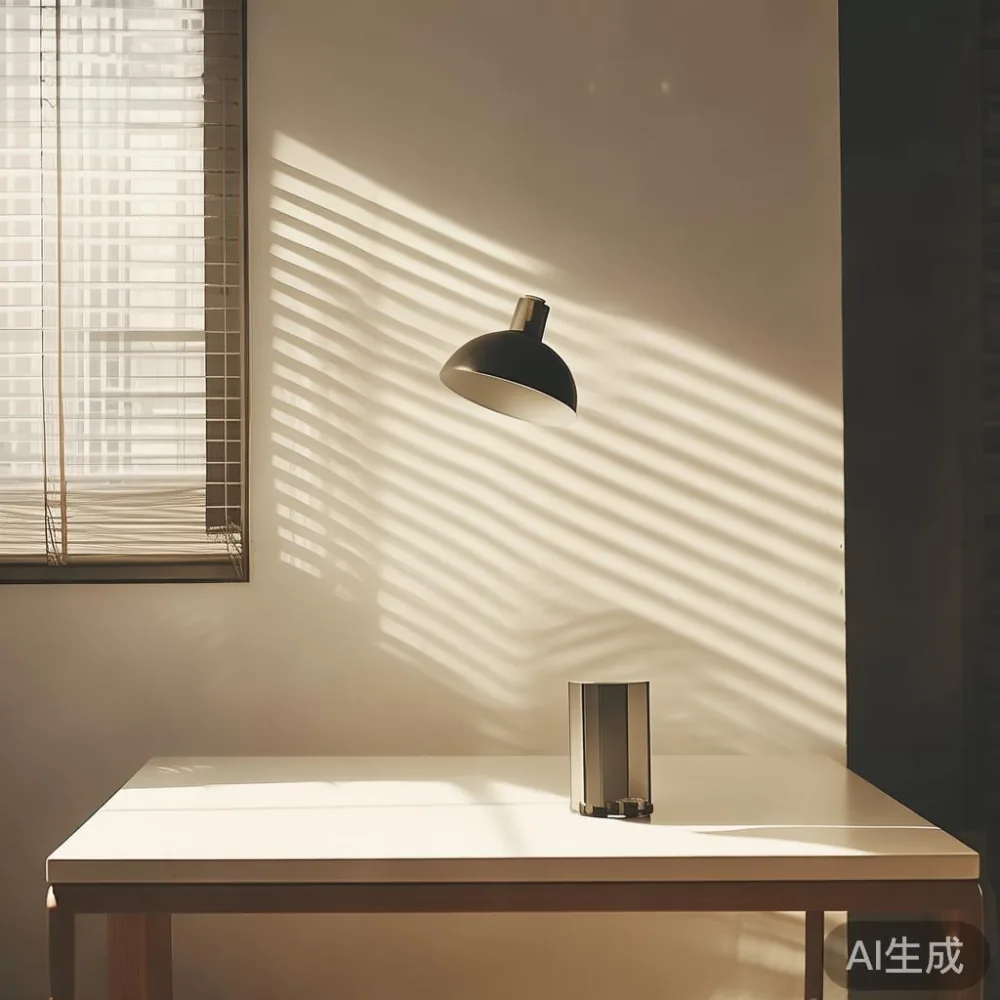
MIDHILL designs solid wood furniture for export to more than 15 countries, with a 10-year structural warranty and lifetime refinishing support. Those commitments matter in a humid city, yet lacquer care still depends on sensible daily habits. The safest approach is gentle cleaning, controlled moisture, and quick intervention when spills occur.
What Is a Lacquered Side Table?
A lacquered side table is built from a solid wood core and covered with a sprayed or brushed finish that dries into a hard, smooth surface. It is not the same as a factory-lacquered veneer on particleboard, although both may be called lacquered furniture. The solid wood version can be repaired and refinished over time; the veneer version generally cannot be restored to the same depth.
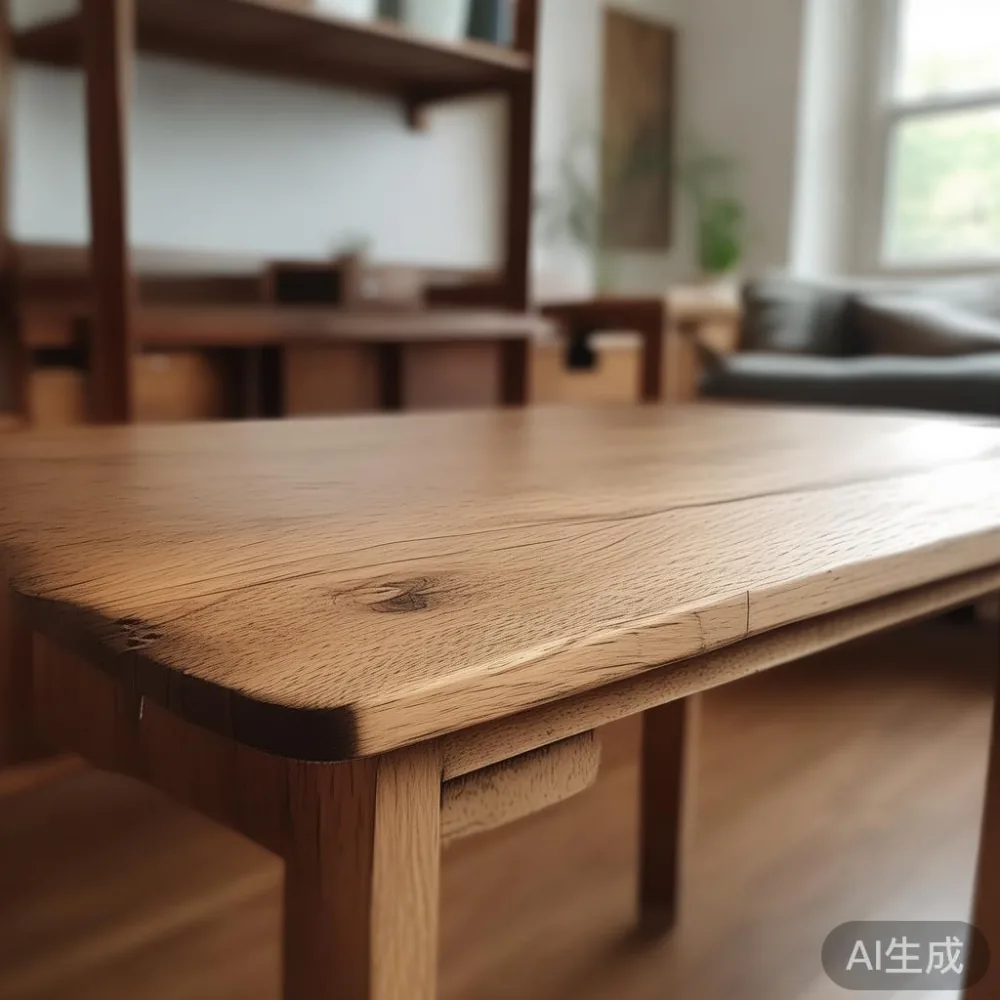
Typical lacquer finishes include clear gloss, soft sheen, matte, and open-pore treatments. Some are water-resistant, while others remain sensitive to standing water, alcohol, ammonia, and silicone-based polish. Because household products can damage a finish without any obvious change at first, treat the care label or supplier instructions as the final authority.
For a compact room, a side table might measure 45 cm wide by 45 cm deep by 55 cm high and weigh 8 kg. Its dimensions should suit the space beside a sofa or bed frame without blocking a circulation route. In an HDB living room, leave at least 60 cm along the main walkway where possible. A condominium corridor may be only 110 cm wide, so a boxed side table with assembled dimensions above 60 cm in its longest side can be difficult to manoeuvre past a lift or through a tight entrance.
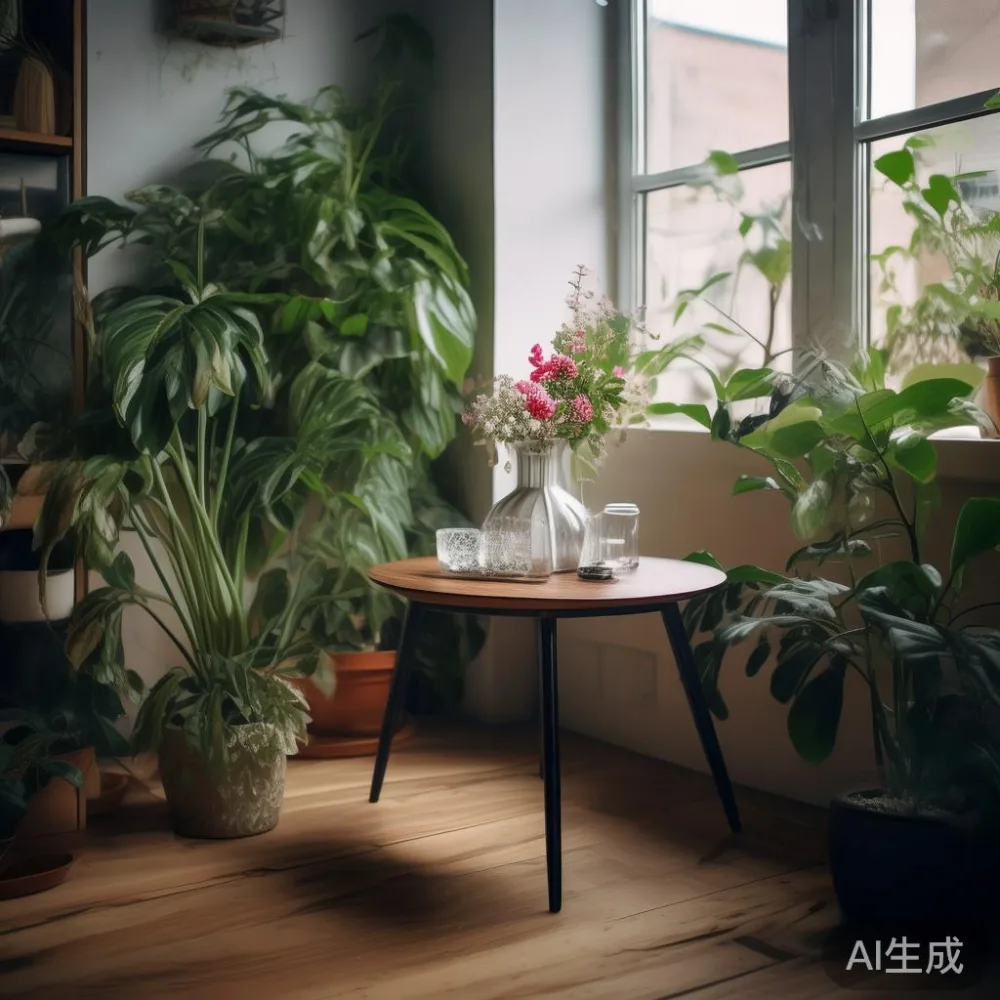
Light-luxury design has a role here too. French light luxury often uses pale woods, moulded edges, and restrained brass details, while American light luxury favours clean geometry and darker stained timber. A post-modern light luxury side table might combine a sculptural base with a circular lacquered top. Whatever the direction, the care principles remain the same.
How Should I Clean a Lacquered Surface?
Start with a soft microfibre cloth, ideally 20 cm square or larger, and use clean water with a drop of mild dishwashing liquid only when necessary. Test the mixture on an inconspicuous area such as the underside for 24 hours. Wring the cloth thoroughly: it should be barely damp, never dripping.
Wipe in the direction of the grain or along the finish, then dry the surface immediately with a second clean cloth. This routine should take about 2 minutes for a 45 cm table. Avoid abrasive pads, scouring sponges, rough cotton, and brushes. Steel wool can scratch the lacquer, while abrasive powder can leave dull lines that are difficult to polish out.
Do not use ammonia, bleach, acetone, alcohol, furniture polish, or sprays containing silicone. Even a product labelled “natural” may contain ingredients that haze the finish. If the lacquer begins to look cloudy, stop using the cleaner and consult the furniture maker. Do not attempt to correct it with a stronger chemical.
My colleague tested a clear, commercially available lacquered side table last month in a Bedok apartment. She applied diluted dish soap with a damp microfibre cloth, left the finish to dry for 15 minutes, and checked it under daylight. The tested panel showed no visible film. A second patch treated with an aerosol silicone polish developed a faint haze within 48 hours. That comparison is not a product guarantee, but it demonstrates why the wrong residue can be harder to remove than ordinary dust.
How Often Should I Clean and Dust It?
Dust the side table every 7 days and clean it more thoroughly every 4 to 8 weeks. In a Punggol home with open windows and visible construction dust, weekly attention may be necessary. Close windows during dusty periods, but ventilate the room after humid weather so condensation does not linger around furniture.
Use a dry microfibre cloth for routine dust. A slightly damp cloth is suitable for fingerprints and light marks, provided the surface is dried at once. For sticky spills, lift the residue gently rather than scrubbing it. Place coasters and felt pads beneath glasses, remote controls, and ornaments.
Heat is another daily concern. Keep the side table at least 30 cm from a fan heater and 1 metre from a window with direct afternoon sun. Prolonged ultraviolet exposure may fade a stained or lacquered surface. Where possible, use curtains with a UV rating and rotate decorative objects every 2 or 3 months so one area does not darken more quickly than the rest.
For residents comparing furniture directions, “is American sofa worth it” is a separate purchasing question with its own comfort and proportion considerations. The paired side table should not crowd the sofa: leave 10 to 15 cm between the seat arm and the table edge when a person needs to reach it. Clear circulation through the HDB flat matters more than squeezing in another surface.
How Do I Deal with Humidity, Rain, and Condensation?
Singapore’s relative humidity often reaches 80% or higher at night. Lacquer protects wood from moisture to a degree, but repeated condensation can enter small cracks, loosen joints, or encourage mould beneath an object left on the surface. Wipe drinks promptly, especially in rooms facing an open balcony or near an air-conditioning unit that can chill a glass and create condensation on the tabletop.
Maintain reasonable indoor conditions. A relative humidity reading between 45% and 65% is practical when the home has working air conditioning or dehumidification. Stand a hygrometer near the side table for 7 days and check it at approximately 8 a.m. and 8 p.m. If readings remain above 70% for long periods, improve airflow or run a dehumidifier rather than placing a chemical absorber directly against the wood.
Do not cover the tabletop with a thick cloth for hours, as trapped humidity can soften or bloom some finishes. Use a breathable runner for brief protection, and remove it after 30 minutes. Salt deposits carried in on shoes or outdoor air can leave a gritty film; clean them with a barely damp cloth before they become embedded in the lacquer.
Rainwater itself is not ideal. If a side table sits on an open HDB balcony, use a covered balcony or move it indoors. Outdoor-rated lacquer should be confirmed with the manufacturer because indoor furniture lacquer may not withstand direct rain. Avoid a side table beside a washing machine in a service yard, where vibration and splashes can shorten the finish’s service life.
What Should I Do If the Surface Gets Chipped or Stained?
Small marks do not always mean the table needs replacement. Place a white paper towel over the mark and warm the area gently with a hair dryer held at least 30 cm away for 20 seconds. Some lacquer finishes soften enough for minor marks to lift. Test this method on the underside first, and do not use heat if the product instructions advise against it.
For a liquid stain, blot rather than rub. Use a fresh damp cloth, followed by a dry cloth. Deep stains may require professional refinishing. Do not apply paint thinner, acetone, or a sanding block yourself, because these actions can remove the lacquer down to the wood.
Choose a replacement side table with a solid wood core if the finish may be renewed during its life. MIDHILL offers lifetime refinishing, which is useful after years in a humid apartment, though the finish type and repair scope should be confirmed for an individual piece. Keep the original care instructions and a few spare offcuts if available; matching sheen and colour are easier to maintain with the correct materials.
Can a Lacquered Side Table Fit into a Singapore Apartment?
Yes, with careful measurement. A slim side table of 40 cm by 40 cm can fit beside a compact sofa, while a 50 cm round top may suit a narrow corner near a bed frame. Check the lift dimensions before ordering: many HDB lifts have a door width around 90 cm and a car depth of roughly 130 cm, while condominium service lifts vary by building. Measure the narrowest corridor turn and the door opening as well as the lift.
For example, an assembled side table with a 60 cm top may fit a 90 cm lift door diagonally but still be awkward to turn into a flat. A 45 cm square model is easier to handle. If the table needs assembly, check that the finished height lets it slide beneath a console or beside a sofa without removing a cushion.
Local pricing also requires a clear landed-cost comparison. A lacquered solid wood side table may cost from SGD 320 to SGD 680 before GST, depending on timber, finish, and construction. Add 9% GST and confirm whether delivery is included. MIDHILL offers free shipping for orders over US$350, but that threshold is denominated in US dollars rather than SGD; Singapore buyers should request the exact SGD total, delivery days, and any import treatment before paying.
Keep the table in a stable, dry position rather than directly against a wall. Leave around 5 cm of ventilation space where space allows, and do not place it where damp laundry, a leaking plant, or a drinks trolley can repeatedly wet the top.
Is French Provincial or Japanese Style Suitable for Humid Homes?
Style can suit Singapore interiors, but material details deserve attention. French provincial styling uses curved profiles, warm wood tones, and decorative details, while Japanese-influenced rooms often favour simple lines and pale timber. Questions such as “how to style French sofa in room” or “how to style Japanese bed in room” usually focus on the whole room, not the lacquer alone. A coordinated side table should match the scale, colour temperature, and visual weight of those larger pieces.
“Is French provincial bed worth it” depends on the frame construction, available space, and preferred maintenance level. A carved bed frame may need careful dusting, while a lacquered solid wood bed frame can offer a more uniform surface. Similarly, “how to style European light luxury bed in apartment” requires measuring the bedroom and lift route before choosing wide nightstands.
A side table should complement, not compete with, the bed frame. Keep a nightstand top around 5 to 10 cm below the mattress for convenient reach, and allow space for a lamp, a 15 cm charger, and a glass. If the room is under 8 square metres, a compact 40 cm table may be more practical than a broad marble table, whose weight and moisture-sensitive stone surface add handling concerns.
How Do I Keep a Lacquered Side Table Looking Refined?
Use a three-zone care system. In the first zone, protect the surface with coasters, placemats, and felt pads. In the second, clean weekly with a dry microfibre cloth and remove spills within 5 minutes. In the third, inspect the finish every 6 months under daylight, looking for haze, scratches, swelling, or lifting at the edges.
A lacquered side table can also form part of a broader collection of furniture. A solid wood sofa provides a strong centrepiece, a dining table requires a different moisture routine, and a wardrobe may be positioned in a drier bedroom zone. For anyone working out “how to choose light luxury wardrobe”, consider whether the finish will be handled frequently, whether children may use the doors as handles, and whether the room has adequate ventilation.
A marble table near a sofa introduces another material with different cleaning needs, so keep acidic drinks and oily stains away from the stone and follow its separate care guide. For a related search, MIDHILL coffee table options may include lacquered surfaces, but buyers should confirm the exact material, finish, dimensions, and care requirements rather than assuming two product names share the same treatment.
Most importantly, avoid the “everything in one bottle” approach. Product-specific advice is more reliable than a general cleaner, especially when a finish has been exposed to Singaporean humidity for several years. Record purchase dates, cleaning methods, and any changes in sheen. If the lacquer is peeling, blistering, or separating from the wood, stop using chemicals and seek professional assessment.
A well-maintained lacquered side table can retain its clean lines and light-luxury character for years. The difference comes from small routines: wiping a ring before it dries, controlling direct sun, keeping condensation away, and checking the finish twice a year. For Singapore homes, those few minutes each week are a sensible investment in the appearance and longevity of the furniture.