The Art of Harmony: Matching a Side Table to Your Warm Minimalist Home in Singapore
Living in a Singaporean apartment, whether a compact HDB flat in Tampines or a spacious condo in Punggol, presents a unique design challenge. The desire for clean, uncluttered lines often clashes with the human need for warmth, texture, and comfort. The resulting aesthetic is 'warm minimalism' – a style that celebrates negative space but refuses to feel sterile or cold. At the heart of this delicate balance lies a small but significant piece of furniture: the side table.
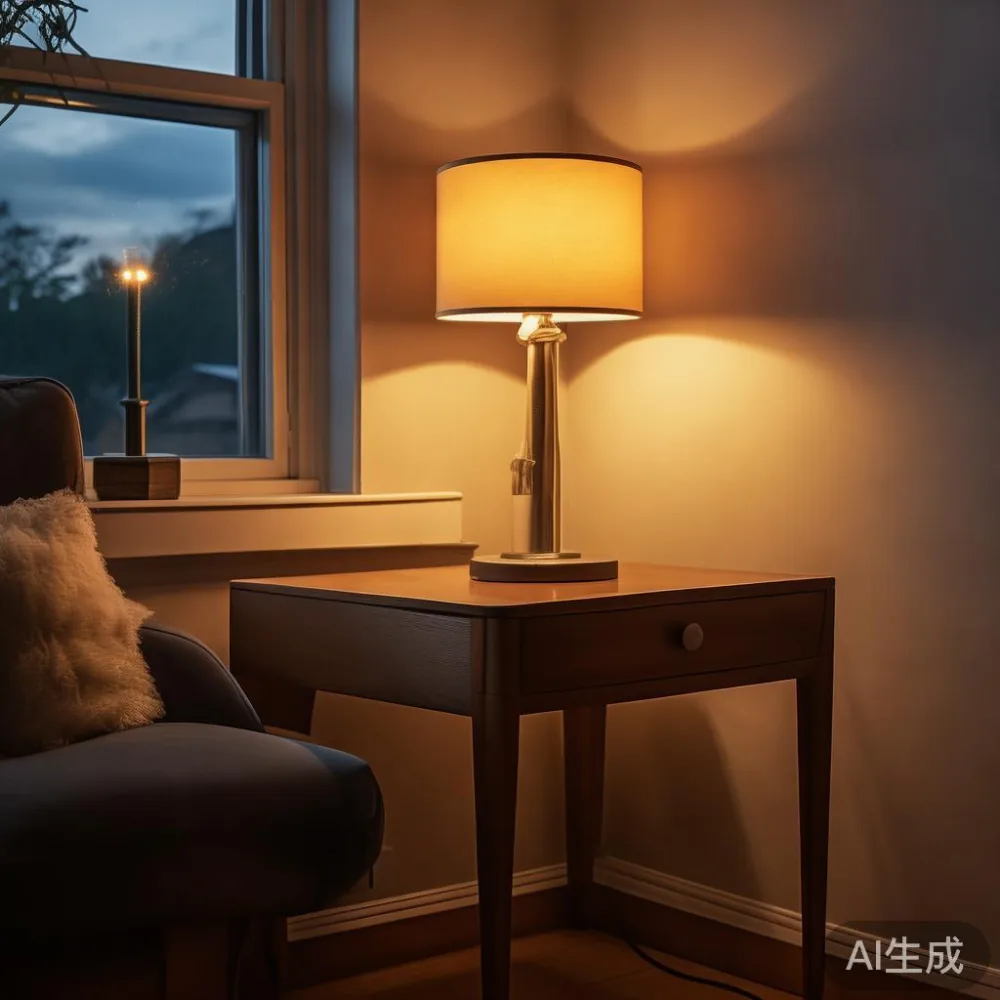
A side table is more than just a place to put a lamp; it's a punctuation mark in your room's design language. It can introduce a natural texture, add a sculptural element, or provide a pop of colour that ties everything together. For Singaporeans, who often live in spaces with limited square footage, choosing the right side table is a matter of both aesthetic and practical concern. It must fit comfortably in a narrow corridor or beside a sofa without obstructing walkways, especially considering the standard 1.2-metre width in many HDB lift lobbies. This guide will walk you through the principles of selecting a side table that not only complements your warm minimalist interior but also enhances your daily life.
What is Warm Minimalism and Why Does It Work So Well in Singapore?
Warm minimalism is a design philosophy that strips a space down to its important elements but enriches it with materials and finishes that evoke a sense of comfort and welcome. It’s the difference between a room that feels like a gallery and one that feels like a home. Think of a living room with a clean-lined, solid wood sofa in a light oak finish, paired with a plush linen sofa in a warm grey. The floor is a light, wide-plank wood, and the walls are painted a soft, creamy white. The feeling is airy and open, but the natural grain of the wood, the soft texture of the linen, and perhaps a woven wool throw draped over the armrest add a layer of tactile warmth.
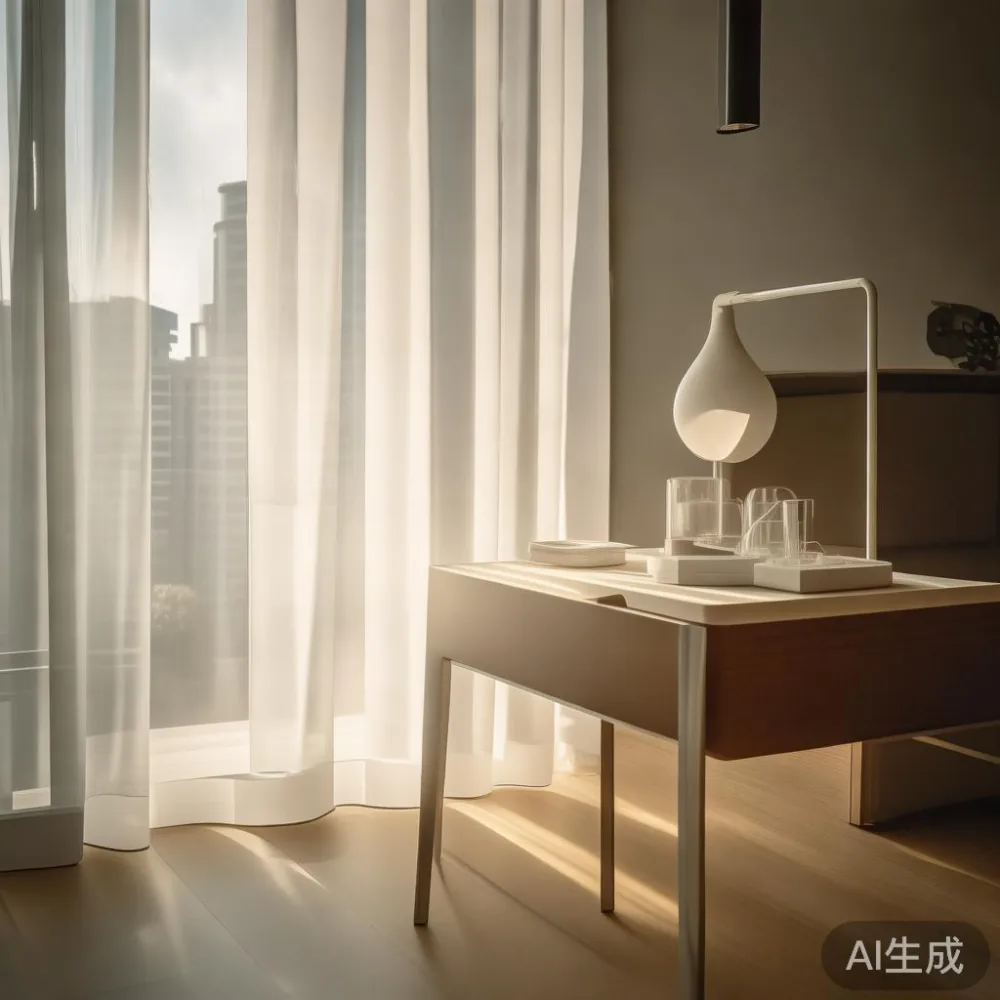
This style is particularly well-suited to the Singaporean context. Our HDB flats and condos often favour open-plan living areas to maximise space. A minimalist approach prevents these large, open rooms from feeling chaotic. However, our tropical climate and urban lifestyle can make a stark, all-white, high-gloss environment feel clinical and unwelcoming. Warm minimalism solves this by introducing natural materials that are inherently cooling and grounding. The use of solid wood, for instance, brings a piece of nature indoors, creating a calming sanctuary from the busy city outside. It’s a style that respects the simplicity of modern living while acknowledging our need for a space that feels personal and lived-in.
How to Choose the Perfect Side Table for Your Living Room?
Selecting a side table is a nuanced process that involves considering scale, material, and function in relation to your existing furniture. The goal is for the side table to feel like a deliberate and harmonious addition, not an afterthought. Let's break down the key considerations.
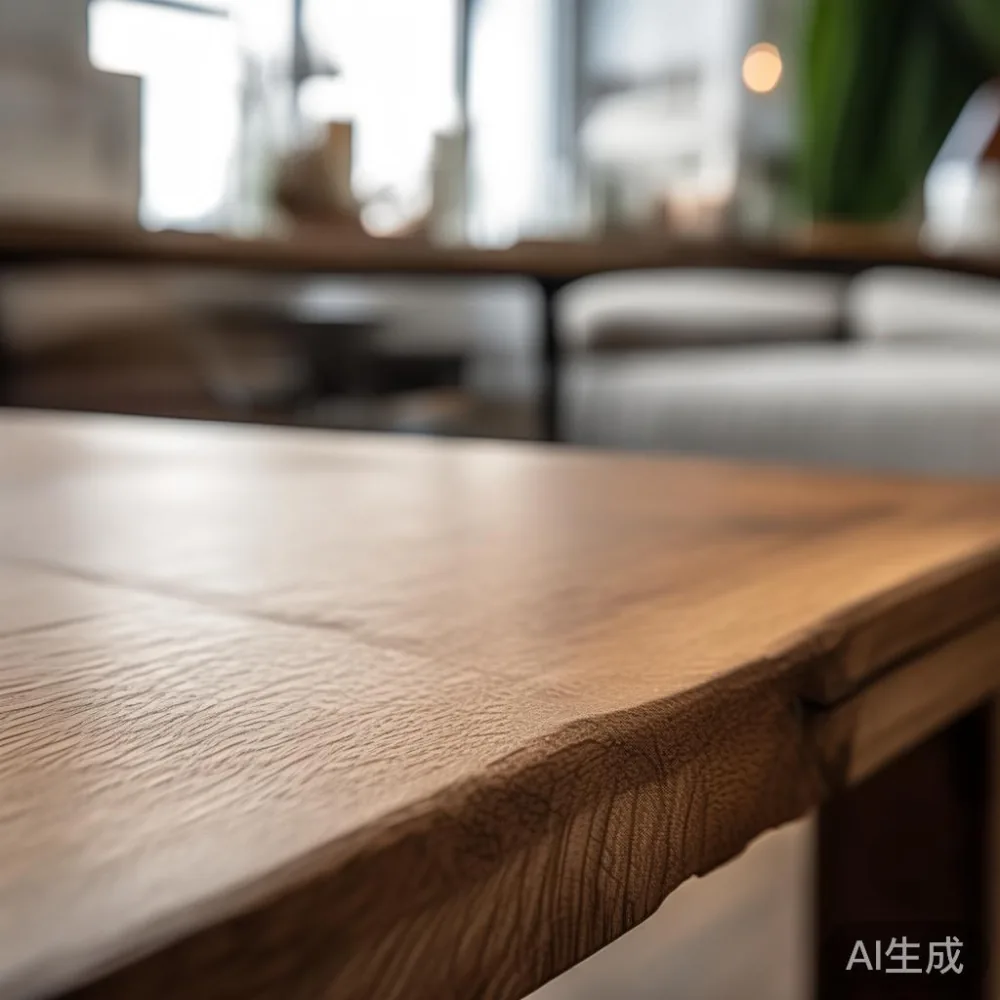
Scale and Proportion: The size of your side table should be in direct proportion to the furniture it accompanies. Placing a tiny, delicate side table next to a large, imposing solid wood sofa will look unbalanced. Conversely, a massive, heavy table next to a slender armchair will overwhelm it. A good rule of thumb is that the height of the side table should be within 5 to 10 centimetres of the sofa arm or chair arm it sits next to. This creates a visual and practical link, making it easy to reach for a glass or a book. For a standard 85cm high sofa, a side table between 75cm and 90cm tall is ideal. The surface area should be just large enough for a lamp, a small tray, and perhaps a coffee cup, typically around 40cm to 50cm in diameter.
Material and Texture: This is where you inject personality and warmth into a minimalist scheme. A side table made of a warm material can be the single element that defines the character of a room. Solid wood, with its visible grain and natural imperfections, is a classic choice for warm minimalism. A light oak or walnut side table can beautifully complement a Scandinavian-inspired space. For a touch of light luxury, consider a marble table top. The cool, veined surface of marble provides a stunning contrast against warm woods and soft textiles. The base of the table can be made of brushed brass or matte black metal, adding a modern, sophisticated edge. My colleague, who recently decorated her new Bedok apartment, opted for a side table with a solid oak base and a Carrara marble top. She found it was the perfect piece to ground her all-white living area without making it feel cold.
Function and Form: A side table must be useful. Think about what you will use it for. Is it primarily for a lamp? Then ensure the surface is large enough and that the table is tall enough so the lampshade is at eye level when seated. Do you need storage for remotes and magazines? A side table with a drawer or a lower shelf might be the answer. A nesting set of two or three side tables can be incredibly versatile in a Singaporean apartment; you can use one as a standalone piece or pull them out together when you have guests. For a bedroom, a nightstand serves the same purpose as a living room side table but with an added focus on function: a spot for a phone, a book, a glass of water, and perhaps a small lamp for reading before bed.
Can a Side Table Unify Different Styles in a Room?
Absolutely. A well-chosen side table can act as a bridge between different design elements, creating a cohesive look even when other pieces have distinct styles. This is particularly useful in a home where you might have inherited a piece or fallen in love with something that doesn't quite match the rest of your decor. The side table can be the unifying thread.
Imagine a living room with a modern, low-profile European sofa in a neutral grey. Beside it, you have a vintage leather armchair with a more traditional silhouette. The two pieces don't immediately seem to belong together. Now, place a side table that incorporates elements from both worlds. Perhaps it has a sleek, angular, black metal base in the style of a European sofa, but the tabletop is a rich, dark walnut slab with a live edge, echoing the classic feel of the armchair. This single piece creates a visual dialogue between the sofa and the chair, telling a story of curated, collected style rather than a perfectly matched set.
This principle extends to mixing materials. If your dining table is a heavy, rustic solid wood piece, a side table in the same living area could have a marble table top with a brushed brass base. The shared material of the wood connects the two spaces, while the marble and brass add a layer of modern light luxury that prevents the dining area from feeling too heavy. The key is to find a common element, whether it's a colour, a texture, or a shape, and let the side table highlight that connection. It’s about creating harmony through contrast, which is a hallmark of sophisticated interior design.
Practical Tips for Singaporean Homes: Space and Logistics
In Singapore, where space is a premium and moving day logistics are a reality, practical considerations are paramount. A beautiful side table is useless if it doesn't fit through your door or down your corridor. Here are some practical tips to keep in mind.
Measure Your Space: Before you even start shopping, measure the exact spot where you intend to place the side table. Note the width, height, and depth. Also, measure the width of your main corridor and the dimensions of your lift. A standard HDB lift is approximately 1.1 metres wide by 2.1 metres deep. A large, bulky piece of furniture might not fit. For a condo in Tampines with a narrower service entrance, this is even more critical. Knowing these dimensions will save you from the headache of purchasing a piece you can't get into your home.
Consider Assembly and Weight: Some side tables, especially those with marble table tops, can be very heavy and may require two people to manoeuvre. Check the product specifications for the weight and whether the item comes fully assembled or requires self-assembly. If it requires assembly, ensure you have the tools and the space to put it together. A side table that weighs 25kg is significantly more difficult to handle than one that weighs 10kg, especially when working through stairwells in older HDB estates.
Factor in Delivery and Returns: When buying from international brands or even local online retailers, understand their delivery policies. Some companies offer free shipping for orders over SGD 350, which can be a significant saving, especially for larger items like a dining table or wardrobe. Always check the estimated delivery days, which can range from 5 to 14 business days. It's also wise to familiarise yourself with the return policy. A 14-day return window is standard and gives you peace of mind. You can unpack the side table, live with it for a few days, and return it if it doesn't feel right in your space. Remember to factor in Singapore's 9% GST on your final purchase price.
Real Customer Stories: Finding the Perfect Piece
Nothing illustrates the principles of warm minimalism better than real-life examples. Let's look at how two homeowners in Singapore found their ideal side tables, blending style with practicality.
Story 1: The Modern Light Luxury Look in Punggol
Jenny, a resident of a new Punggol Waterway Point condo, wanted to create a light luxury feel in her living room without being overly ornate. Her main furniture is a minimalist L-shaped sofa in a light grey fabric. She found her perfect match in a side table with a base inspired by post-modern light luxury design – clean lines with a subtle, sculptural curve. The base is made of brushed brass, and the top is a stunning piece of white marble with soft grey veining. This piece sits next to her sofa, providing a surface for a ceramic lamp and a small succulent. The brass adds a touch of glamour, the marble provides a cool, elegant contrast to the soft sofa, and the form is simple and uncluttered. It's a small investment at SGD 450, but it completely defines the sophisticated yet welcoming tone of her living space.
Story 2: The Scandinavian Harmony in a Tampines HDB Flat
David, living in a 4-room HDB flat in Tampines, embraced a Scandinavian-inspired warm minimalist style for his bedroom. His bed frame is a simple, low-profile Nordic design made of light ash wood. He wanted a nightstand that would complement the bed's simplicity but also offer a bit of warmth and storage. He chose a solid oak nightstand with a drawer. The natural grain of the oak echoes the wood in his bed frame, creating a cohesive, harmonious look. The drawer is perfect for stashing away his phone, wallet, and other bedside clutter, maintaining the minimalist aesthetic. He purchased it from a local maker, and the price was SGD 320. The piece fits perfectly beside his bed, is the ideal height, and adds a touch of organic warmth to his serene sleeping sanctuary.
Where to Find Quality Side Tables in Singapore
Once you know what you're looking for, the next step is finding a source that aligns with your quality standards and budget. Singapore offers a range of options, from high-end boutiques to online retailers and local artisans.
For those seeking a curated collection with a focus on design and quality, established furniture stores and online platforms are a good starting point. Many of these retailers specialise in styles that align with warm minimalism, offering pieces from various design movements. You can find a wide array of options, from a sleek marble table to a rustic solid wood nightstand. When browsing, pay close attention to the materials. Solid wood furniture, for example, will last for decades and can even be refinished, making it a sustainable long-term investment. Some brands offer a lifetime refinishing service, which is a proof of their confidence in their products' durability. Always look for clear information on the materials used, the dimensions, and the warranty. A 10-year structural warranty, for instance, provides great peace of mind, ensuring your investment is protected.
For those who appreciate the finer things in life, exploring luxury Mid-century modern furniture might be the way to go. These pieces are often characterised by their clean lines, organic forms, and exceptional craftsmanship. A side table from this era or inspired by it can become a true conversation piece. However, sourcing authentic pieces can be challenging and expensive. A more accessible route is to look for modern interpretations of these styles from reputable makers who combine traditional techniques with contemporary design sensibilities. This allows you to achieve that sophisticated look without the prohibitive cost or uncertainty of the vintage market.