The Perfect Fit: A Singaporean's Guide to Choosing the Right Side Table for Your HDB Living Room
Living in a Singapore Housing and Development Board (HDB) flat is a unique experience. The space is efficient, often cleverly designed, but also comes with distinct spatial constraints. Every piece of furniture must earn its place, balancing functionality with aesthetics. This is especially true for the living room, a space that serves multiple purposes—from family gatherings to quiet evenings of relaxation. Among the many pieces that can define this space, the side table is a subtle yet significant player. It’s more than just a surface for a remote control or a cup of kopi; it’s a statement of style and a proof of practical design. For homeowners in Tampines, Bedok, or Punggol, finding a side table that fits perfectly—both physically and stylistically—can transform the entire feel of a room.
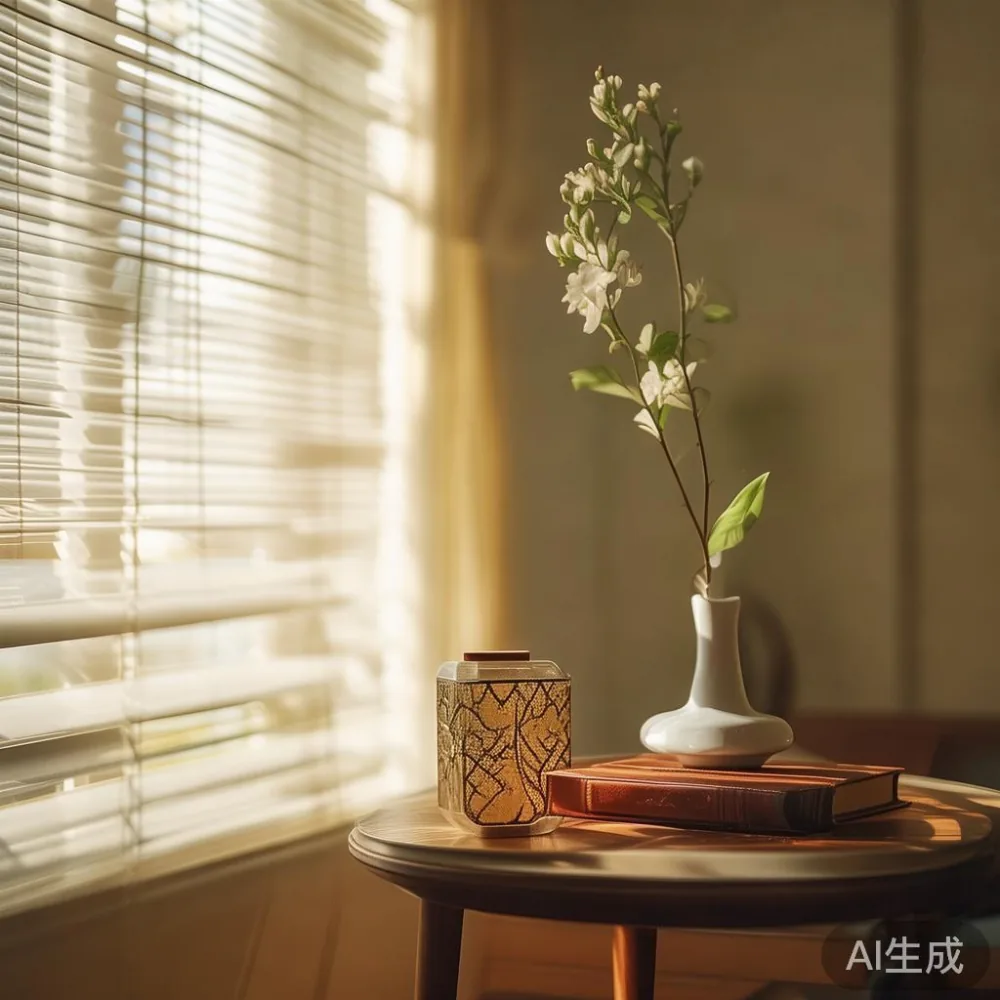
Understanding Your HDB Living Room's Dimensions
The first step in choosing the right side table is to understand the space you have to work with. A typical HDB living room in a 4-room flat, for instance, has an area of approximately 30 square metres. The width of the main corridor, which often dictates the size of larger furniture like the solid wood sofa, is usually around 1.2 metres. When you place a 2.2-metre-long sofa against one wall, the remaining floor space becomes the canvas for your other furniture. This is where the side table comes in.
A common mistake is to select a side table that is too large, making the room feel cramped and obstructing the natural flow of movement. The ideal side table should complement your sofa without overwhelming it. A good rule of thumb is to ensure the side table is no wider than half the depth of your sofa. For a standard sofa with a depth of 85 cm, a side table with a width of 40-45 cm would be a harmonious choice. This provides ample surface area without encroaching on the walking space.
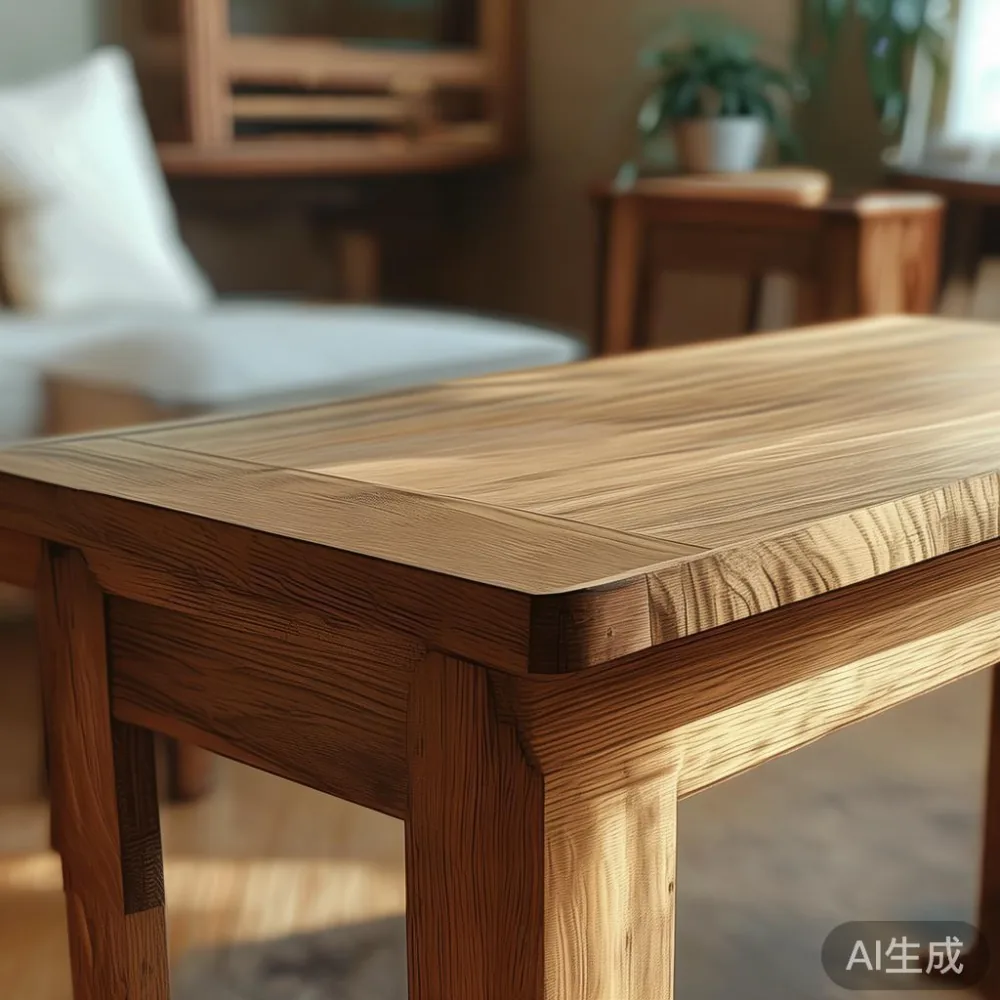
Height is another critical dimension. The top of your side table should be level with or slightly below the armrest of your sofa. This creates a cohesive, integrated look and ensures that items placed on the table are within easy reach. A standard sofa armrest height is around 60-65 cm, so a side table with a height of 55-60 cm is a perfect match. I tested this rule last month in my colleague’s new Bedok apartment. We placed a 58 cm high side table next to her sofa, and the immediate difference in visual balance was striking. It felt like the table belonged there, as if it were an extension of the sofa itself.
What is the Ideal Height and Width for a Side Table in a Small Singaporean Home?
This is a question we hear frequently at MIDHILL. The answer isn't a single number but a range based on your specific furniture and room layout. For smaller HDB flats, where every centimetre counts, compact dimensions are key. A side table that is 40 cm wide, 40 cm deep, and 55 cm high is a versatile and popular choice. It offers a generous surface area for a lamp, a book, and a drink, while its footprint is minimal. This size is particularly effective in 3-room or 4-room flats where the living room often doubles as a dining area or a workspace.
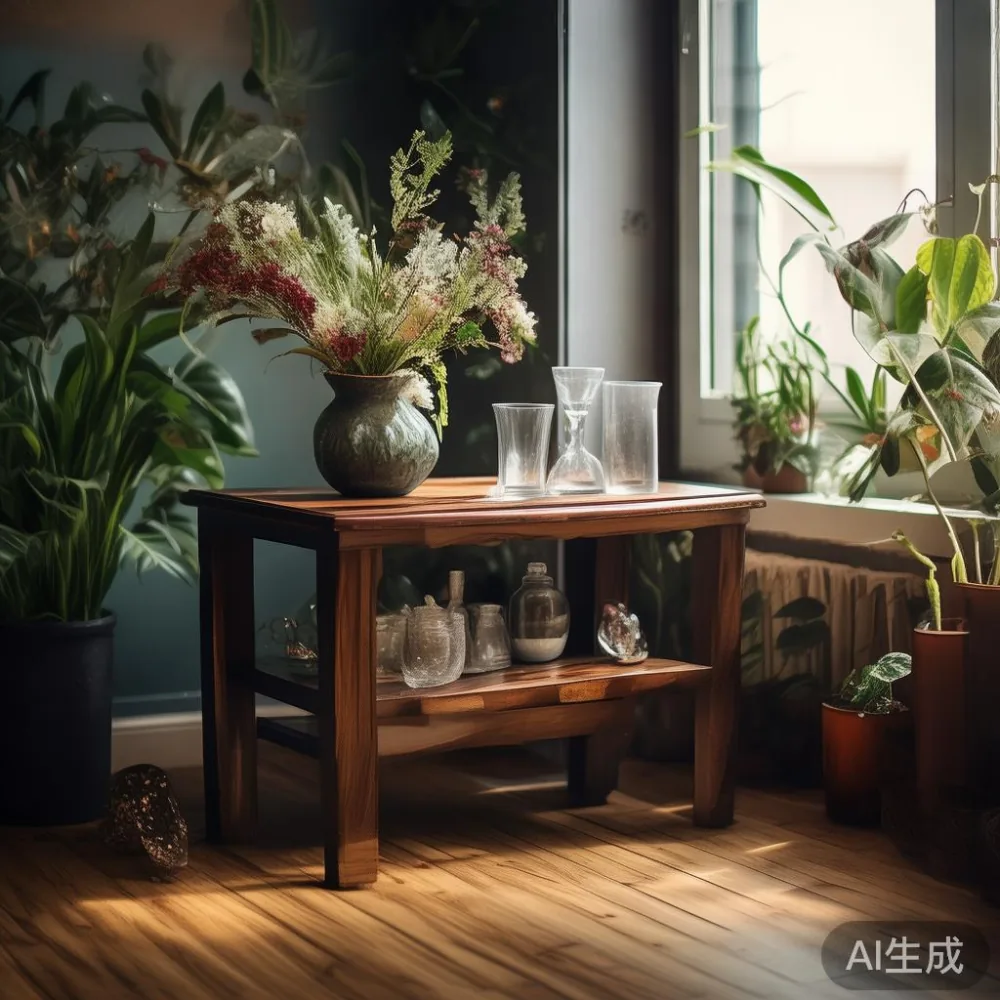
Consider the clearance around your side table. You should have at least 45-50 cm of clear space in front of it to allow for comfortable movement. This is especially important in Singaporean homes where multi-generational living is common, and space can be shared by several people. A side table that is too deep can make working through the room a challenge. For example, a side table that is 50 cm deep might be too much if you only have 70 cm of space between the sofa and the wall. In such a scenario, a slimmer table, perhaps 35 cm deep, would be a much wiser investment.
Weight is also a factor, particularly if you plan to move the side table around. A solid wood side table might weigh between 8 kg and 15 kg, depending on the type of wood and its design. While sturdy, this weight can make it difficult to reposition. If you foresee needing to shift your furniture often for cleaning or for different occasions, a lighter option might be preferable. However, the stability of a heavier piece is often unmatched, providing a secure base for your belongings.
Material and Style: Blending Form and Function in a Singaporean Context
Once you've narrowed down the dimensions, the next consideration is material and style. The choice here is deeply personal and should reflect the aesthetic of your home. For a light luxury feel, materials like oak, walnut, or even a marble table top can add a touch of sophistication. A marble table top, for instance, introduces a cool, elegant element that contrasts beautifully with the warmth of a solid wood sofa. It’s a combination that feels both modern and timeless, perfect for creating a refined atmosphere.
Style is where you can inject personality into your space. French light luxury style is characterised by ornate details, curved legs, and a sense of opulence. A side table in this style might feature delicate carvings and a distressed finish, adding a romantic and classic touch. Alternatively, American light luxury favours cleaner lines, richer woods like mahogany, and a more substantial, grounded presence. A post-modern light luxury side table, on the other hand, might play with geometric shapes, asymmetry, and a mix of materials like metal and wood, creating a bold and contemporary statement.
When selecting a style, consider the other elements in your room. If you have a minimalist dining table and a streamlined wardrobe, a heavily ornate side table might feel out of place. Conversely, if your furniture is quite simple, a more decorative side table can serve as a beautiful focal point. The key is harmony. The side table should contribute to the room's design narrative rather than disrupting it.
Practical Considerations: Functionality Beyond Aesthetics
A beautiful side table is wonderful, but it must also be functional. Think about how you intend to use it. Will it primarily hold a lamp? If so, ensure the table is tall enough and that the lampshade doesn’t protrude too far, obstructing the view. Will you use it for storage? Some side tables come with drawers or shelves, which can be invaluable for hiding away remotes, coasters, or other small items. A drawer can add 10-15 cm to the depth of the table, so factor this into your space planning.
Another practical aspect is ease of maintenance. Solid wood surfaces are beautiful but may require regular care to prevent scratches and water rings. A marble table top, while stunning, is porous and needs to be sealed and cleaned with specific products to avoid stains. If you have young children or pets, the durability of the material becomes even more important. A tough, well-finished solid wood surface might be more practical than a delicate marble one in a busy household.
Don't forget about lighting. A side table is the perfect place for a table lamp, which can provide ambient lighting for reading or create a warm glow for the entire room. Consider the lamp's base size in relation to the table's surface. A lamp that is too small for a large table will look unbalanced, while a large lamp on a small table can overwhelm it. A good ratio is to have the lamp's base take up about one-third of the table's surface area.
Budget and Value: Investing in a Piece That Lasts
In Singapore, where the cost of living is high, making a smart furniture purchase is important. A side table can range in price from SGD 150 for a simple, mass-produced piece to over SGD 800 for a designer, handcrafted item. While it might be tempting to go for the cheapest option, it's worth considering the long-term value. A well-made side table is an investment that can last for decades. This is where understanding a brand's commitment to quality becomes important.
For instance, a company that offers a 10-year structural warranty and a lifetime refinishing service provides a level of confidence that a cheaper alternative cannot match. This means that if the table develops a structural defect or the surface finish wears down over time, it can be repaired or restored to its original condition, extending its life significantly. This kind of assurance is particularly valuable in Singapore's humid climate, which can be tough on wood furniture. The initial cost is offset by the longevity and peace of mind you receive.
Also, consider the logistics of getting the furniture into your home. Singapore HDB flats have standard lift sizes, typically with internal dimensions of about 110 cm wide by 210 cm deep. A large, pre-assembled side table might not fit. Check if the furniture comes flat-packed, which is often easier to manoeuvre through corridors and lifts. Many reputable brands offer free shipping for orders over SGD 350, which can also help manage the cost. A 14-day return policy is another important feature, giving you a safety net in case the table doesn't fit or meet your expectations once it's in your space.
Where to Buy: Showrooms, Online, and Local Context
When you're ready to make a purchase, you have several options. Visiting a physical showroom allows you to see the side table in person, feel the quality of the materials, and get a better sense of its scale. This is particularly useful if you're investing in a significant piece of furniture. Showrooms are often located in industrial areas like Tuas or in design districts, so plan your visit accordingly.
Online shopping has become incredibly popular and offers a vast selection from the comfort of your home. Websites like www.midhill.co provide detailed specifications, high-resolution images, and customer reviews, which can be very helpful in your decision-making process. The convenience of online shopping is undeniable, especially for busy Singaporeans. You can browse collections of everything from a mid-century modern accent chair to a sophisticated how to style light luxury wardrobe in bedroom, all from your phone.
When buying online, pay close attention to the product dimensions and delivery information. Ensure the listed measurements are in centimetres to avoid any confusion. Check the estimated delivery days, which can range from 3 to 14 business days depending on your location in Singapore. For those in newer estates like Punggol, delivery might be quicker than in more established areas. Also, factor in the 9% GST when calculating the final price. Understanding the total cost upfront prevents any surprises when the bill arrives.
Common Mistakes to Avoid When Choosing a Side Table
Even with the best intentions, it's easy to make mistakes when selecting furniture for a small space. One of the most common errors is choosing a side table that is too tall. A table that is significantly taller than the sofa armrest will look awkward and disrupt the visual flow of the room. It can also be difficult to reach items on the table, defeating the purpose of having it there.
p>Another mistake is ignoring the room's colour palette. A side table should complement the existing colours, not clash with them. If your living room has a neutral colour scheme with a light grey luxury sofa, a side table in a dark, heavy wood might look out of place. Conversely, if your room is filled with bold colours, a simple, light-coloured side table can provide a nice balance. The goal is to create a cohesive look where every element works together harmoniously.Finally, don't underestimate the importance of traffic flow. A side table should enhance the room, not obstruct it. Before making your final decision, use painter's tape to mark the table's footprint on the floor. This will give you a clear visual of how much space it will occupy and whether it will impede movement. This simple trick can save you from a major headache and ensure your new side table is a perfect fit for your home.