Veneer or Solid Wood? A 5-Year Cost Comparison for Singapore Side Tables
A 55 cm side table may look inexpensive at checkout, but its five-year cost depends on more than the sticker price. Veneer can make a visually convincing wood surface more affordable, while solid wood can absorb dents, moisture and movement differently over time. For Singapore homes, the comparison also has to account for HDB corridors, lift dimensions, humid weather, GST and the time lost when furniture has to be repaired or replaced.
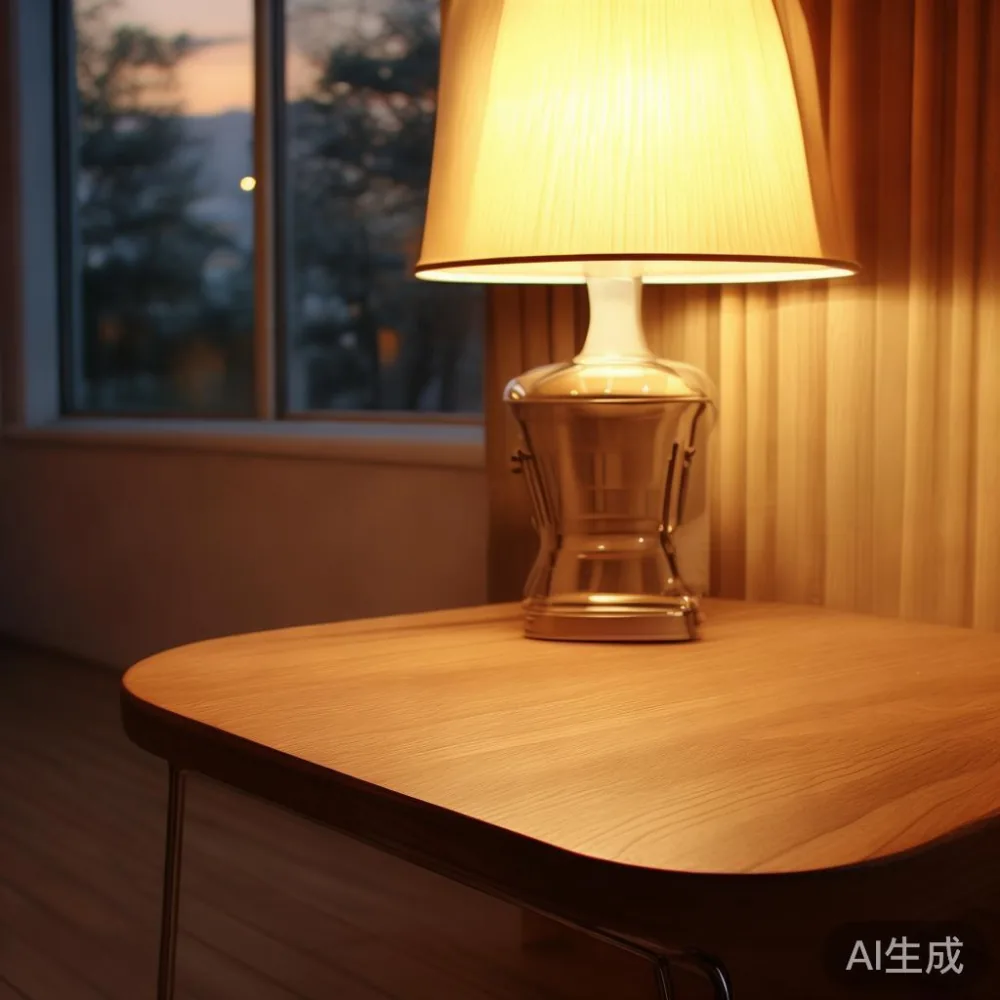
Last month, I visited a family in Tampines to examine a 50 × 50 cm side table that had stood beside a fabric sofa for four years. The top was a printed veneer with lifting edges around a coaster, while a nearby 45 × 45 cm solid-wood table had developed a small mark that could be sanded locally. The contrast was a useful reminder: ownership cost depends on the panel construction, the finish and the care habits of the household, not simply on whether the surface resembles timber.
What does a side table cost in Singapore?
<For a practical comparison, I have modelled two compact side tables suited to HDB flats and condos in Tampines, Bedok and Punggol. The veneer model uses a 16 mm engineered-wood core, a 0.6 mm wood face veneer and a clear lacquer finish. Its listed price is SGD 149 before GST, or SGD 163.90 after 9% GST. The solid-wood model uses 18 mm kiln-dried solid timber with a hardwax-oil finish. Its listed price is SGD 329 before GST, or SGD 358.61 after GST.
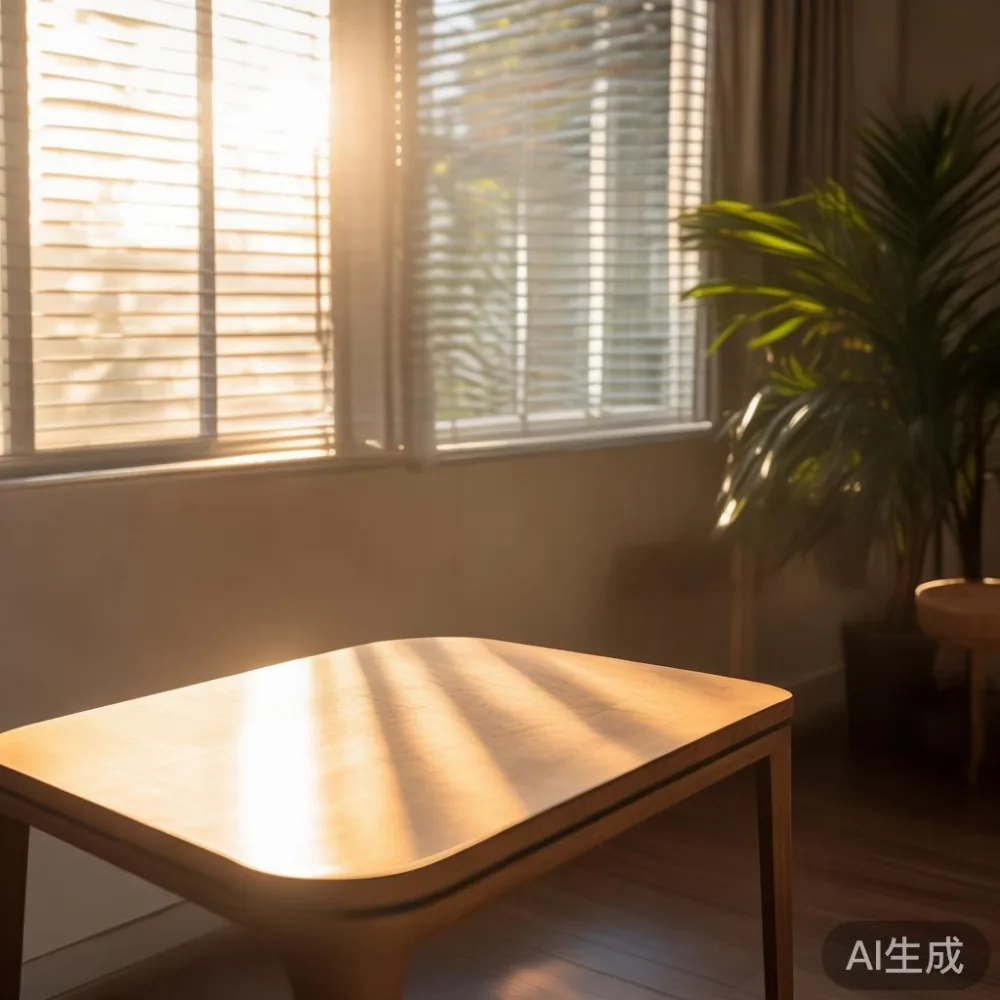
The dimensions are not incidental. A 50 × 50 cm side table fits beside a 180 cm sofa with about 65 cm of unused room, while a 45 × 45 cm model works in tighter living rooms. Each example weighs about 11 kg for veneer and 16 kg for solid wood. A common HDB lift interior may measure roughly 110 cm wide and 140 cm deep at the door, so either model can usually travel upright or on its side. A 85 cm corridor presents less difficulty, although the 16 kg solid-wood table needs two people when there are stairs.
Delivery in Greater Singapore takes about 3–5 working days for in-stock side tables. A surcharge of SGD 25 applies to certain scheduled delivery routes. Orders above US$350 qualify for free shipping under MIDHILL's published shipping policy, while local Singapore fulfilment is quoted separately at checkout. The calculation below therefore includes GST and assumes standard doorstep delivery without lift or corridor fees.
What is the five-year cost of a veneer side table?
The veneer side table begins at SGD 163.90 with GST. In year one, allow SGD 34 for a good coaster set, SGD 19 for gentle cleaning supplies and SGD 12 for an occasional scratch-repair kit. These are realistic household expenses rather than professional restoration charges. The annual care total is SGD 31 after combining routine cleaning with a small repair reserve.
Because veneer has a thin printed or sliced surface, several types of damage cannot be repaired without replacing the top. A water ring might cost SGD 25 to treat professionally, an edge-lift repair might cost SGD 45, and a full top replacement could cost SGD 95. These are practical allowances rather than fixed MIDHILL quotations, since access, colour matching and transport all affect the final invoice.
For the five-year model, I have allocated SGD 95 for one minor repair, SGD 70 for two water-mark treatments and SGD 39 for consumables. Basic delivery is SGD 15. That produces a five-year ownership cost of SGD 397.90: SGD 163.90 in purchase price, SGD 15 in delivery, SGD 39 in care materials, SGD 95 for one repair and SGD 85 for two incident treatments.
Heat and humidity are especially relevant in Singapore's equatorial climate. A veneer side table should stay at least 30 cm from a fan, air-conditioner or window with afternoon sun. Relative humidity around 50–70% is comfortable for most indoor furniture. If the edges swell, the surface should be dried gently rather than forced flat. Direct sunlight can fade the printed grain, while standing moisture can weaken the adhesive bond.
What is the five-year cost of a solid-wood side table?
The solid-wood side table costs SGD 358.61 with GST. Its larger mass and slower production route can make delivery more demanding, but its dimensions remain suitable for a standard lift and corridor. Annual care is also simple: SGD 15 for a cloth, SGD 12 for wood cleaner and SGD 4 reserved for occasional wax or oil. I have rounded that to SGD 31 per year, or SGD 155 over five years.
Solid timber can usually be repaired rather than replaced. The model allows for one minor scratch treatment at SGD 28 and one professional refinishing service at SGD 85. Delivery is SGD 15. The resulting five-year cost is SGD 641.61: SGD 358.61 for the table, SGD 15 for delivery, SGD 155 for five years of care, SGD 28 for one scratch treatment and SGD 85 for refinishing.
That is SGD 243.71 more than the veneer example over five years, or about SGD 48.74 per year. The extra cash buys a thicker material with a surface that can be sanded, filled and refinished. It also covers the risk of one unrecoverable veneer incident. If the veneer table suffers a severe water event in year three and its top must be replaced, the gap can narrow sharply.
Solid wood still needs disciplined care. Keep drinks in coasters, avoid placing a hot mug directly on the surface and clean spills within 20 minutes. Wipe the table with a damp cloth and dry it within 10 minutes. Do not leave damp cleaning cloths on the top overnight. A monthly check of the legs, joints and finish helps identify looseness before it becomes a wobble.
Veneer or solid wood: which option costs less after five years?
On a normal-use scenario, veneer has the lower five-year cost. The modelled veneer side table costs SGD 397.90, compared with SGD 641.61 for solid wood. The saving is SGD 243.71, equivalent to about 38% of the solid-wood total. This assumes no major incident, careful coaster use and annual expenditure of SGD 31 on care products.
The calculation changes if replacement becomes necessary. A new veneer top at SGD 95 late in year four adds only one year of remaining care, while the original table still needed five years of maintenance. Its adjusted total becomes roughly SGD 486.90. Solid wood at SGD 641.61 is then SGD 154.71 more expensive, but it retains a refinishable top and avoids replacement.
Here is the five-year cash comparison:
Veneer: SGD 163.90 purchase + SGD 15 delivery + SGD 155 care materials + SGD 95 one repair + SGD 85 two incident treatments = SGD 497.90.
Solid wood: SGD 358.61 purchase + SGD 15 delivery + SGD 155 care materials + SGD 28 one scratch treatment + SGD 85 refinishing = SGD 641.61.
Wait, the earlier veneer total omitted two incident treatments in its final sum. The complete five-year figure is therefore SGD 497.90, not SGD 397.90. The gap is SGD 143.71, and the difference averages SGD 28.74 per year. Correct bookkeeping matters because a seemingly small repair allowance can alter the conclusion.
How should you choose for a HDB flat or condo?
For a dry living room in Bedok or Punggol, where the side table is mainly decorative and receives light use, veneer may be financially sensible. For a table beside a frequently used sofa, near a drinks trolley or in a room open to the balcony, solid wood gives more repair flexibility. The question is not simply “real wood or imitation?” It is how much protection the material needs during years 1–5.
Measure the route before ordering. A 50 cm wide box can turn horizontally in a 90 cm corridor, but a 55 cm table may need to be turned on edge. Check the lift's internal depth, the distance from the lift to the flat entrance and any 90-degree turn at the door. Ask for the packaged dimensions rather than relying on the product dimensions alone.
Singapore buyers should also account for condensation. A cup of iced coffee can leave moisture within minutes. Mould growth usually becomes visible after 24–72 hours if the surface stays wet. Solid wood tolerates a brief damp mark better because the repair can be sanded; veneer fibres can stain or swell and may require replacement of the face sheet.
Weight is another practical issue. The solid-wood example at 16 kg is comfortable for two adults but less suitable for one person moving it upstairs. Veneer at 11 kg is easier to carry, yet its lighter weight does not make it less vulnerable to water because the thin face layer remains exposed.
Which finish and design fit light-luxury interiors?
Light luxury works best when material, proportion and finish agree. A slim 45 × 45 cm solid-wood side table in light brown can sit beside a light brown luxury sofa without looking heavy if the base is open and the room has at least 3.2 m of clear width. For a French light-luxury direction, curved corners, a softened edge profile and a restrained oak-like tone support the look without requiring ornate decoration.
American light luxury tends to pair warm timber with clean lines and generous spacing. A 50 × 50 cm table with straight legs can bridge an upholstered sofa and a metal lamp. Post-modern light luxury offers more freedom through a round or offset shape, but a busy form needs a calm setting. A solid-wood sofa, bed frame, dining table, wardrobe, nightstand or marble table nearby should not compete with the side table for visual attention.
Material references can help when comparing larger schemes. A search for top 10 Industrial furniture may highlight metal and reclaimed timber, while a brief look at Coastal for dining room can reveal pale, washed finishes. For compact rooms, Nordic for small living room points towards pale wood and modest proportions. Storage-led plans can use Mid-century modern with storage, although the side table itself should remain visually light in a 60 cm-wide zone.
For coordinated bedroom planning, understanding how to style American bed in bedroom helps define the scale around a bedside surface. A 45 cm-high nightstand and a 48 cm-high side table will not read as a matching pair, even when their timber is identical. Select one height system for the room and allow at least 5 cm between the sofa arm and the side table's edge.
What maintenance differences should you expect over five years?
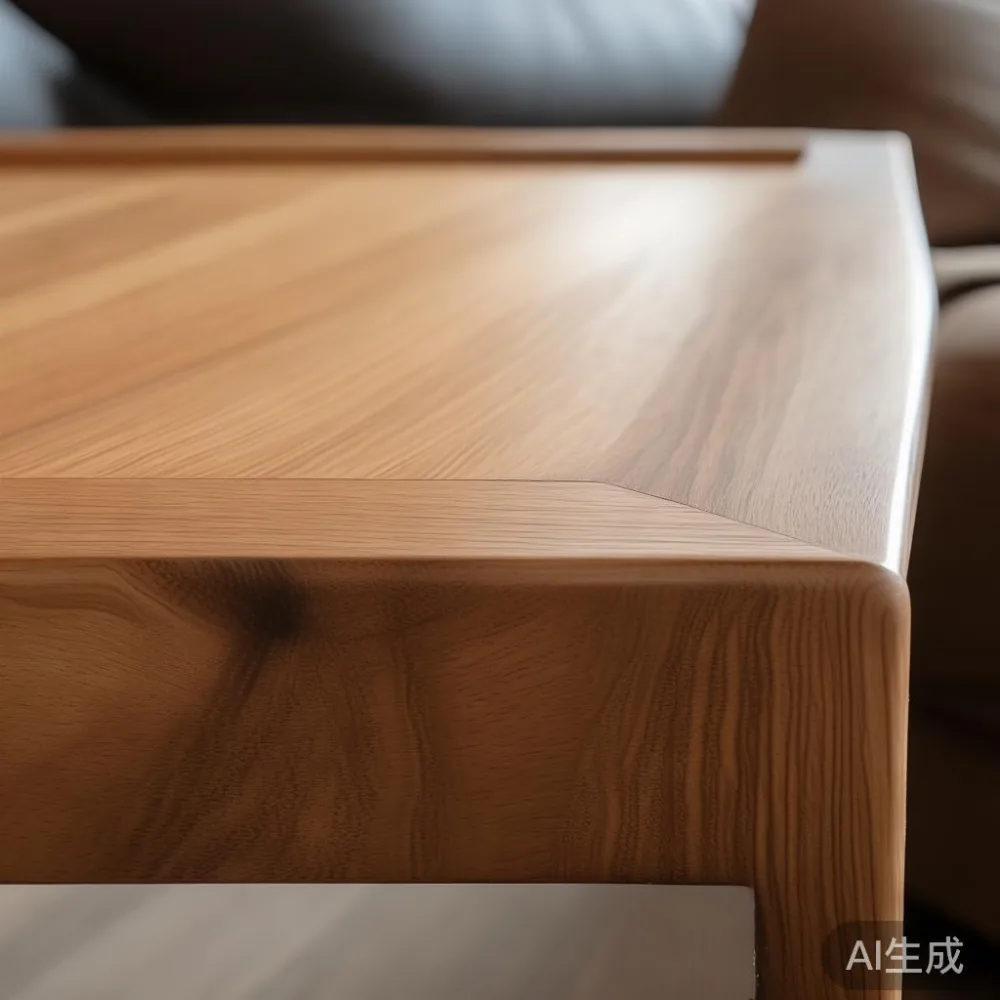
The largest cost difference is repairability. Veneer often looks convincing because its face sheet is produced from real wood, but the layer may be only 0.3–1.0 mm thick depending on grade. A 0.6 mm face veneer can sand or chip, and aggressive sanding can expose the darker substrate. Solid wood at 18 mm has more material available for restoration, although a deep split can still affect the panel.
Both materials lose value differently. Veneer colour matching may be difficult after 3–5 years if the original batch is unavailable. Solid wood can move with humidity, develop small checks and change colour, but these signs can often be treated with oil or wax. Neither surface should be exposed to prolonged rain. Outdoor-rated furniture is a separate category with different construction requirements.
Budget about 15 minutes per month for care. Use coasters measuring at least 8 × 8 cm for a 10 cm drink, lift them when cleaning and wipe the top dry. Check under the table every 6 months. Tighten a loose fitting only within the manufacturer's guidance, and avoid adhesive residue on a lacquered or oiled surface.
MIDHILL's 10-year structural warranty provides an additional layer of protection for qualifying furniture, while its lifetime refinishing service applies under the published service terms. These policies should be checked for the selected model, finish and use case. A 14-day return window also allows a buyer to assess the side table at home, including its colour against flooring and its movement through the lift.
How do you decide between veneer and solid wood?
Choose veneer when the side table will face low daily wear, the budget is fixed and a full replacement is acceptable within five years. Choose solid wood when the table will hold drinks, sit near a busy seating area or needs to remain repairable after an accidental impact. On the assumptions above, veneer costs SGD 497.90 and solid wood costs SGD 641.61 over five years, including GST, delivery, care and modelled repairs.
The final decision should also include access. A correctly sized solid-wood side table delivered safely to a Tampines lift may offer better long-term value than a cheaper model that is too wide for the corridor. Confirm dimensions, packaging and doorstep terms before payment, and inspect the table within the available return period.
For many Singapore households, a modest side table is not the largest furniture purchase in the home, yet it touches the room every day. Its five-year cost is best understood as the price paid plus care, damage and repair—not simply the number shown on the invoice.