What Actually Drives the Price of Solid Wood Furniture?
When walking through the showrooms in Tampines or browsing online for a new piece to fit your Bedok HDB flat, a solid wood side table can feel like a significant investment. The prices can range from a few hundred to several thousand Singapore dollars, leaving many to wonder: what exactly am I paying for? It's a question my colleague asked just last month after receiving a quote for a walnut nightstand for her new Punggol condominium. The answer is not a simple one. It's a story of material, craftsmanship, design, and logistics, all woven together to create the final number on the tag.
Is a Solid Wood Side Table Just a Piece of Wood?
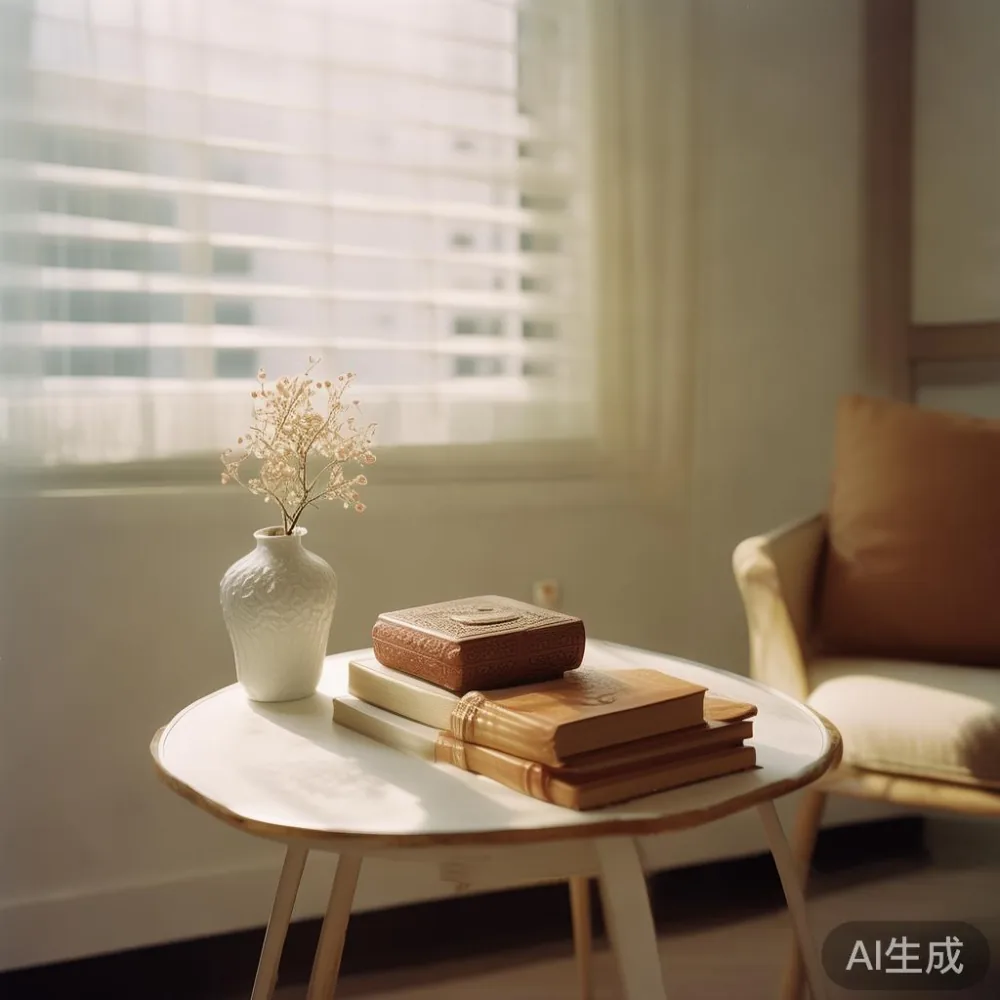
At its core, a side table is a simple object: a surface to hold a lamp, a book, or a cup of coffee. But when we talk about solid wood furniture, we are not dealing with a simple piece of wood. We are dealing with a natural, living material that has been carefully selected and processed. The type of wood is the first major factor in determining the price. Common choices like oak, acacia, and mango offer a beautiful grain and durability at a more accessible price point, typically starting from SGD 350 for a smaller side table. These woods are plentiful and their processing is well-understood, keeping costs down.
On the other end of the spectrum, you have premium woods like solid American walnut or teak. A single side table crafted from these materials can easily command a price of SGD 1,200 or more. The difference lies in the wood itself. Walnut has a rich, dark colour and a straight, fine grain that is highly prized. Teak is renowned for its natural resistance to rot and insects, making it exceptionally durable for Singapore's humid climate. The sourcing of these premium woods is more complex, often involving sustainable forestry practices and longer growth cycles, which directly impacts the raw material cost. A solid wood side table made from a single, large plank of walnut will always be more expensive than one made from several smaller pieces of oak glued together.
Why Does Craftsmanship Add Hundreds to the Price?
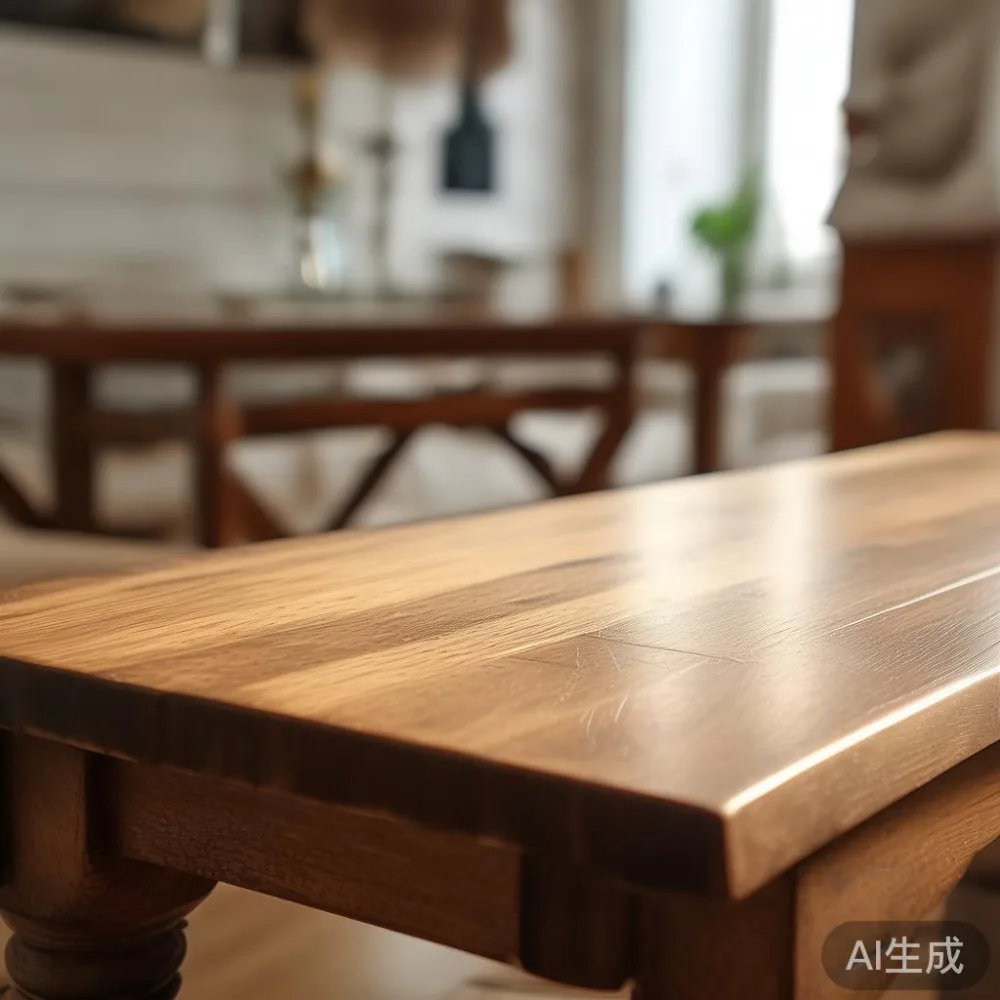
Once the wood is selected, the real work begins. The craftsmanship involved in creating a high-quality side table is a significant portion of its cost. This is not a mass-produced item churned out by a machine. It is the result of skilled hands, specialised tools, and many hours of labour. Consider the joinery. A cheap side table might be held together with staples or simple screws. A well-made piece from a maker like MIDHILL, established in 2008, will use traditional joinery methods like mortise and tenon or dovetail joints. These techniques create stronger, more stable connections that will not loosen over time. This level of construction adds to the durability and longevity of the piece, justifying a higher price.
The finishing process is another area where craftsmanship shines. A basic side table might have a simple lacquer spray applied. A luxury piece, however, will undergo a multi-step finishing process. This often involves hand-sanding between coats of oil or wax to create a deep, lustrous finish that highlights the wood's natural beauty. This process is time-consuming and requires a high level of skill. A French light luxury side table, for example, might feature a hand-applied finish that gives it a soft, aged patina, a detail that a machine simply cannot replicate. This attention to detail transforms a functional object into a piece of art, which is reflected in the final price.
How Does Design Influence the Cost of a Side Table?
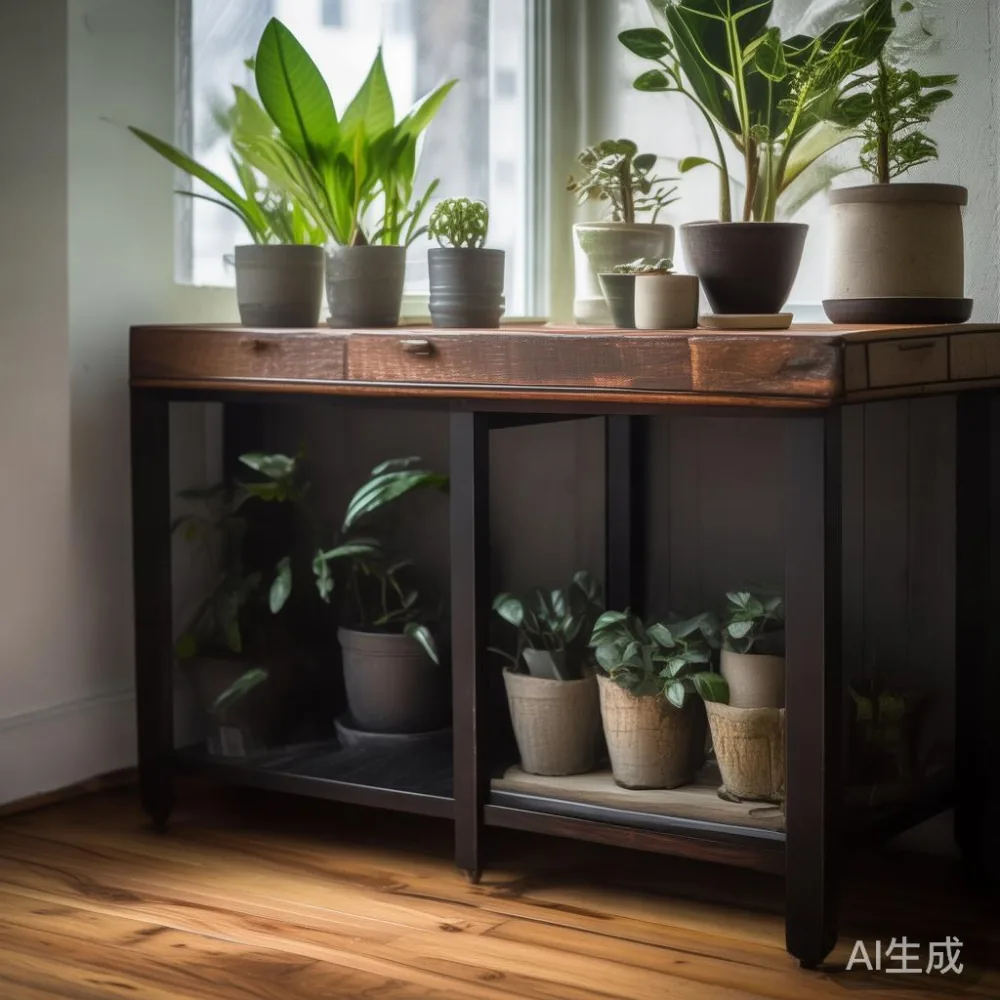
Design is more than just how a side table looks; it's about form, function, and philosophy. A minimalist design might seem simple, but achieving simplicity is incredibly difficult. It requires clean lines, precise proportions, and a focus on the material itself. A post-modern light luxury design, on the other hand, might incorporate unexpected curves, mixed materials like brass inlays, or a sculptural base. These design elements require extensive planning, prototyping, and skilled execution.
Licensed or copyrighted designs carry a premium. If a furniture maker partners with a renowned designer to create a specific side table model, the cost of that design license is factored into the price of each piece. This is common in the high-end market. Even without a famous name, the design process itself is costly. Designers spend weeks creating 3D models, testing for stability, and ensuring the piece fits the intended living space. For instance, a side table designed for a Singapore HDB corridor needs to be compact, perhaps 40cm wide, to fit comfortably. A design for a larger condo living room might be more expansive. The specific requirements of the target market influence the design complexity and, therefore, the price.
What Role Does Location and Logistics Play?
Where a piece of furniture is made and how it gets to you is a major component of its cost. Many high-quality solid wood furniture makers are based in Foshan, China, a region known for its furniture manufacturing prowess. A piece like a marble table or a solid wood bed frame from Foshan Lingzhan, for example, must travel a long distance. This involves shipping, which is calculated by volume and weight. A single side table might weigh 15kg and have dimensions of 50cm x 50cm x 60cm. Shipping this from Foshan to Singapore adds a significant cost to the final price.
Once the furniture arrives in Singapore, there are local expenses to consider. This includes warehousing, customs clearance, and the 9% Goods and Services Tax (GST) applied to the landed cost of the item. The final delivery to your home in Tampines or Punggol is also a logistical consideration. A reputable company will offer services like free shipping over SGD 350 and will ensure the furniture is handled carefully. The delivery personnel need to work through narrow HDB corridors and lift landings, which requires experience to prevent damage. This level of service, including a 14-day returns policy, adds to the operational costs but provides peace of mind for the customer. All these logistical steps, from the factory floor to your doorstep, contribute to the final retail price.
Why Does a 'Cheap European Light Luxury Furniture' Deal Seem Too Good to Be True?
The market is flooded with options, and it's easy to be tempted by low prices. The phrase 'cheap European light luxury furniture' is often used to attract buyers, but a critical eye is necessary. True European light luxury, whether it's a sofa or a side table, is defined by its materials and construction. It uses solid wood frames, high-density foam, and top-grain leather or premium upholstery. The manufacturing process is often slower and more labour-intensive to ensure quality.
A piece sold at a suspiciously low price likely cuts corners. Instead of solid wood, it might use a veneer—a thin layer of real wood glued over a cheaper composite or particleboard core. Instead of dovetail joints, it might use staples or nails. The upholstery might be bonded leather or a lower-quality fabric that will wear out quickly. While these pieces might look good in a showroom, their longevity is questionable. A side table that warps after a year or a sofa that loses its shape in six months is not a bargain. The initial savings are often offset by the need for replacement. This is why understanding the materials and construction is key to making a wise investment, rather than just looking for the lowest price.
How to Choose a Side Table That Lasts a Lifetime
Making the right choice for a side table comes down to balancing your aesthetic preferences with an understanding of quality. Start by examining the piece in person if possible. Run your hand over the surface. It should be smooth and free of rough patches. Check the joints. If you can see them, they should be tight and well-fitted. Lift the piece. A solid wood side table will have a certain heft and feel substantial, unlike a lighter, hollow-sounding veneer piece.
Ask the seller about the wood and the finish. A transparent company will be happy to tell you if it's solid oak or mango wood. They should also be able to explain the warranty. A 10-year structural warranty, like the one offered by some established makers, is a strong indicator of confidence in the product's durability. It promises that the frame and main joints will hold up for a decade, which is a significant commitment. This warranty, combined with a lifetime refinishing service, means that even if the surface gets scratched over the years, it can be restored to its original beauty. This long-term support is part of the value proposition of higher-priced furniture, ensuring your investment is protected for decades to come.
Is a Mid-Century Modern Wardrobe Worth the Investment?
While our focus is on side tables, the same principles of value apply across all solid wood furniture. Take the question: 'is Mid-century modern wardrobe worth it?' The answer depends on your appreciation for the style and the quality of its construction. A true Mid-century modern wardrobe is characterised by clean lines, tapered legs, and functional design. When well-made, these pieces are timeless.
The value lies in its design and durability. A high-quality wardrobe from this style will be built from solid wood, with smooth-gliding drawers and sturdy hardware. It's a statement piece that can anchor a bedroom for decades. Unlike a fast-fashion wardrobe that might be discarded after a few years, a well-made one can be passed down. This longevity makes it a worthwhile investment for those who value both style and substance. The same logic applies to a side table. It's not just a place to put things; it's a long-term companion in your home.
What About Warranties and After-Sales Support?
The price of a side table isn't just about the physical product; it's also about the service and support that comes with it. This is an area where established brands distinguish themselves. A 10-year structural warranty is a substantial promise. It covers the core integrity of the piece—the frame, the legs, the major joints. It tells you that the manufacturer is confident that their construction methods will prevent sagging, warping, or joint failure for a decade.
Complementing this is a lifetime refinishing service. Wood is a natural material that can be scratched, dented, or faded by sunlight over time. A lifetime refinishing guarantee means that even decades down the line, if the surface of your side table needs attention, the manufacturer will help you restore it. This service extends the life of the furniture indefinitely, protecting your initial investment. This level of after-sales support is built into the price of the product. It represents a commitment to the customer that goes far beyond the point of sale. For a customer in Singapore, where space is at a premium and furniture is a long-term commitment, this kind of assurance is a critical part of the value.
How to Choose European Sofa and Other Furniture Pieces
The principles we've discussed for a side table apply equally to other furniture items. When you ask 'how to choose European sofa', the answer lies in looking beyond the showroom polish. Examine the frame. A high-quality European sofa will have a solid wood frame, often beech or hardwood, not a flimsy metal or particleboard one. Check the suspension. Eight-way hand-tied springs are a mark of superior comfort and durability, compared to cheaper serpentine springs.
Look at the cushions. High-resilience foam wrapped in down or a feather blend will offer a luxurious feel that lasts, whereas cheaper foam will quickly flatten. The upholstery should be a natural material like linen, cotton, or wool, known for its durability and breathability. Understanding these details allows you to compare pieces on a level playing field. It helps you see that a higher-priced sofa is not just a name; it's a result of superior materials and construction that will provide comfort and style for many years, making it a smarter choice in the long run.
What Defines Modern Light Luxury Accent Chair?
The term 'Modern light luxury accent chair' describes a style that blends contemporary design with a sense of understated opulence. It's not about being overtly flashy. Instead, it focuses on high-quality materials, refined tailoring, and a sculptural form. A chair in this style might feature a solid wood base with a rich, hand-rubbed finish, paired with a seat upholstered in a textured, high-performance fabric.
The 'light luxury' aspect comes from the details: the precise stitching, the quality of the wood grain, the way the fabric drapes. These are subtle touches that improves the piece from simple furniture to a design object. The price of such a chair reflects this attention to detail. The designer has spent time perfecting the proportions to ensure it's not only beautiful but also comfortable. The manufacturer has invested in skilled artisans to execute the design perfectly. When you buy a modern light luxury accent chair, you are paying for that design vision and that level of execution, which results in a piece that is both functional and a work of art.
Planning for Future Furniture Purchases
Understanding what drives the price of furniture helps you make informed decisions, not just for a current side table purchase, but for future ones as well. When you consider buying a 'best American bed for 2026', you can now look beyond the price tag and evaluate what that price represents. Is it for a solid wood frame with premium upholstery? Does it come with a comprehensive warranty? Is it from a brand known for quality and ethical manufacturing?
The same goes for a 'best Japandi bed for 2026'. Japandi style is celebrated for its simplicity and use of natural materials. A high-quality Japandi bed will be made from solid, light-coloured woods like ash or oak, with a minimalist design that highlights the natural grain. The price will reflect the quality of that wood and the precision of the joinery. By understanding these factors, you can anticipate the cost and appreciate the value of the pieces you are considering for your home. It allows you to budget for quality, knowing that a well-made piece of furniture is an investment in your comfort and the beauty of your living space for years to come.