What Actually Drives the Price of Solid Wood Furniture?
Solid wood furniture is often sold as a simple combination of timber and craftsmanship, but its final price can vary by several hundred dollars. The species matters, yet the thickness of the board, the number of joints, the finish, the hardware and the delivery conditions may have a larger effect. For a Singapore buyer comparing a side table for a Tampines HDB flat or a Bedok condo, those practical details can matter as much as the visible grain.
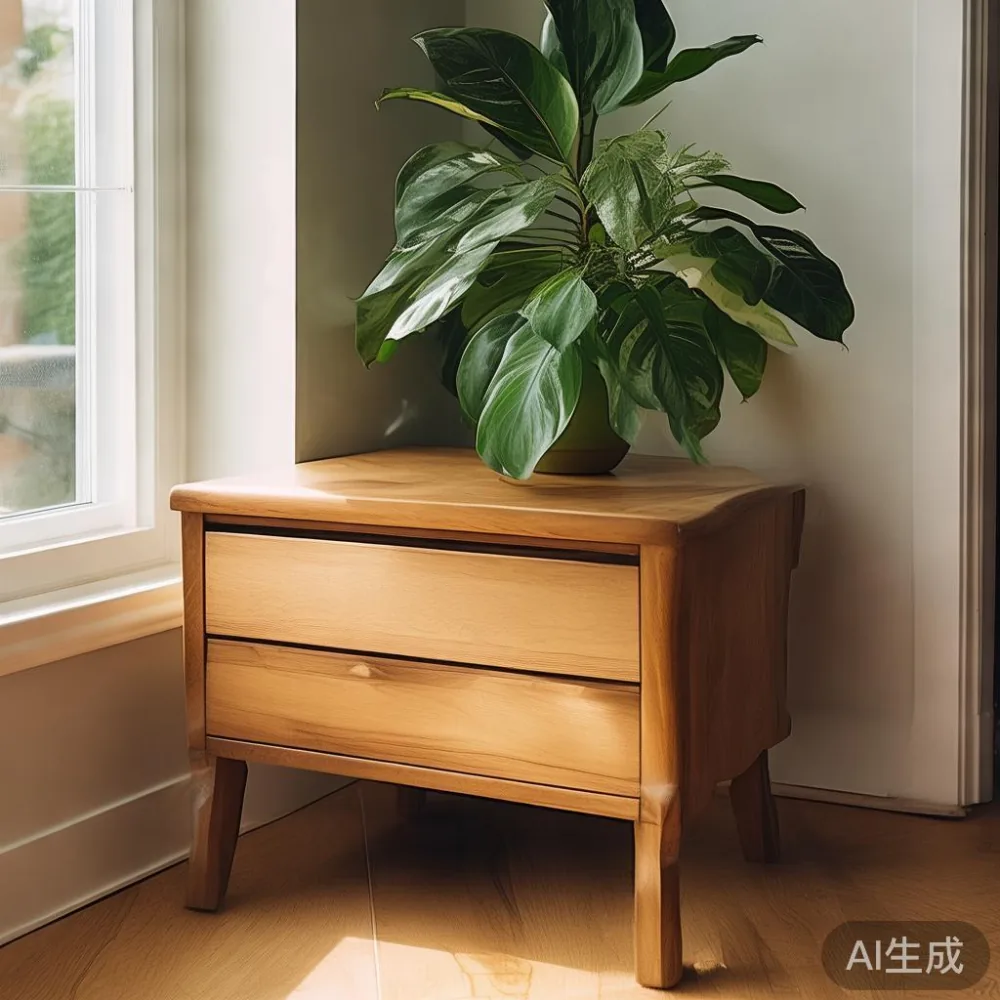
MIDHILL was established in 2008 and exports to more than 15 countries. Its furniture carries a 10-year structural warranty, while refinishing service is available for the lifetime of the piece. The point of examining pricing is not to find a bargain label. It is to understand what your money buys, from a 42 cm side table that fits beside a bed to a 120 cm dining table made for a larger home.
What determines the price of a solid wood side table?
The starting point is the wood species. White oak, walnut, ash, beech and rubberwood all have different raw-material costs, supply patterns and market prices. A side table built from 20 mm solid boards may therefore cost more than a similar piece made from 18 mm boards of another species, even when both use straightforward construction.
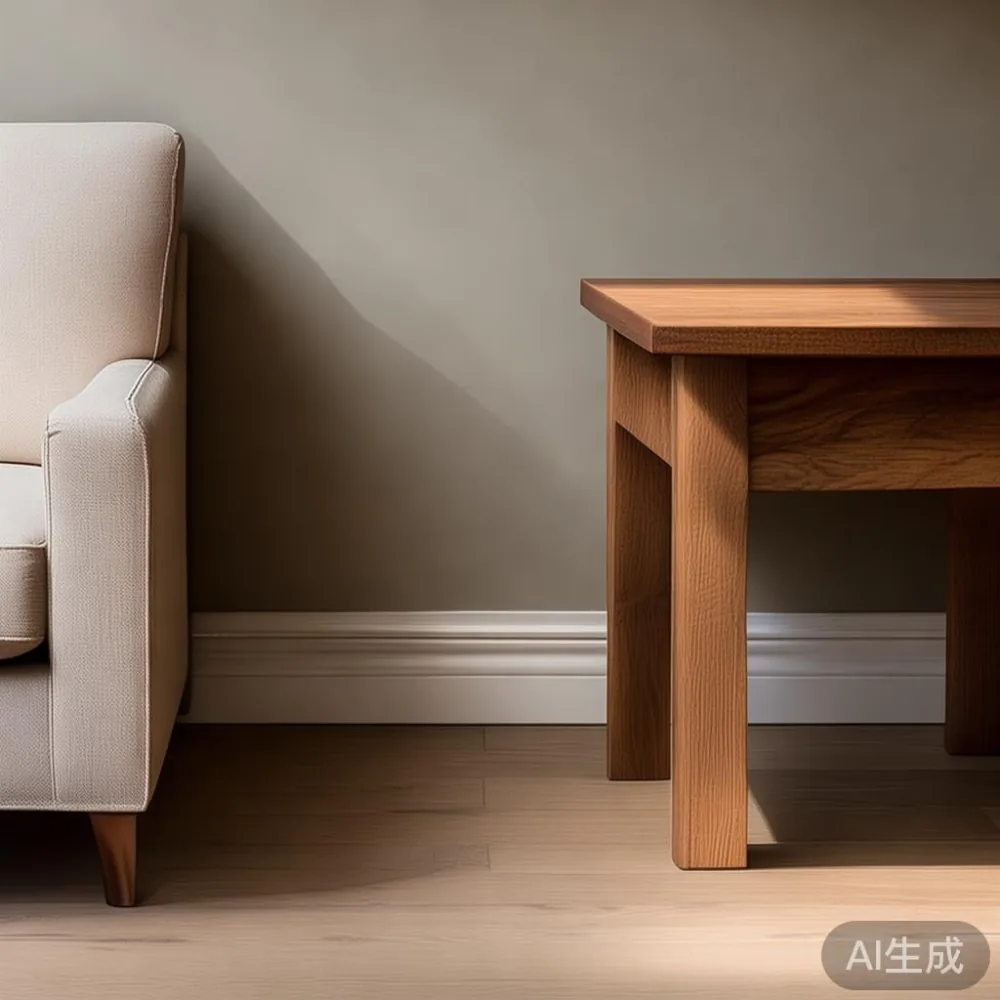
Board thickness is equally important. A small bedside table may use 18 mm panels, while a heavier side table with a 25 mm top will contain more timber and require different cutting and joining methods. Buyers should compare usable dimensions rather than appearance alone. A table listed at 45 × 45 × 55 cm may look compact but can still be difficult to move through a narrow HDB doorway or place beside a standard 90 cm bed.
Joinery affects price because it determines how much machining and assembly are required. Dowelled, mortise-and-tenon and finger-jointed constructions can take more time than concealed screws and brackets. Dovetails are not automatically superior for every side table, but visible hand-cut dovetails add measurable work and can justify a higher figure when the construction is neat and load-bearing.
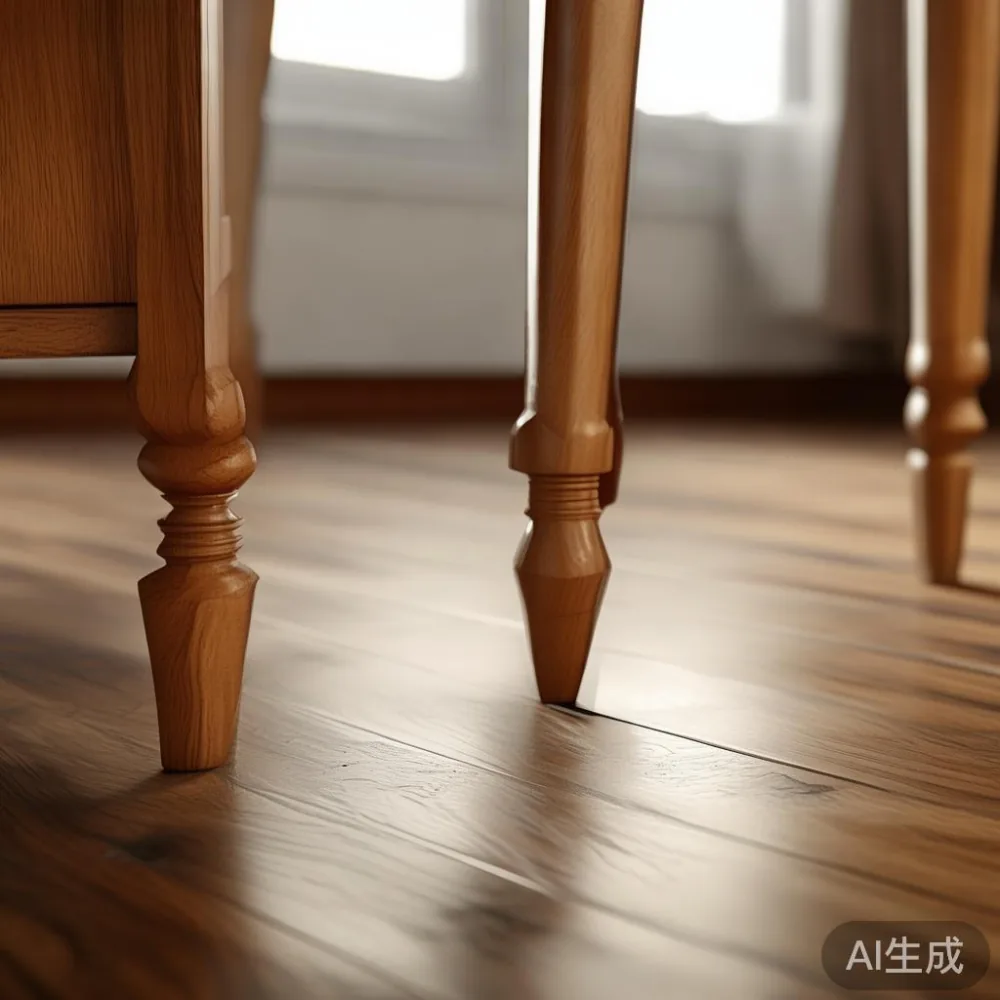
The finish must also be counted. A clear lacquer, oil, wax or matte coating changes the labour involved. Some finishes deepen the grain and create a warmer appearance, while others are chosen for easier maintenance in humid Singapore conditions. Ask what coating is used, how many coats are applied and what cleaning products are suitable. A fully finished piece should normally arrive ready for use, with no extra painting required.
Is solid wood automatically more expensive than engineered wood?
Not always. The answer depends on what is being compared. A well-made solid wood side table uses a solid structural frame and suitable solid panels. An engineered board may use veneers, engineered timber or a combination of materials. Neither description gives enough information to calculate the final price.
Look for the actual panel thickness, the timber species and the structural method. A veneered product can be well engineered and may offer consistent colour across a large dining table. A solid wood product may expose the natural variation of each board. For furniture expected to develop a patina, that variation can be desirable; for a matching suite, it may be less convenient.
Consider weight as one clue, not a verdict. A 50 cm solid oak side table might weigh 18 kg, whereas a similar-looking engineered model may weigh 9 kg. Extra mass can signal more timber, but it can also make delivery into a lift harder. In an older Tampines block with a 900 mm lift opening and a 1.1 m internal lift depth, a 20 kg table may require two people and careful turning.
Singapore buyers should also account for the 9% GST. If a side table has a pre-GST price of SGD 680, GST brings the payable amount to SGD 741.20. A visible online price should state clearly whether tax is included, since comparing SGD 650 before tax with SGD 690 after tax reverses the apparent difference.
How much should you pay for a solid wood side table in Singapore?
A practical range is more useful than a single number. Entry-level solid wood side tables may sit around SGD 280–450 before GST. Mid-range pieces commonly fall around SGD 450–850 before GST, while crafted designs with thicker tops, detailed joinery, premium species or high-performance finishes may reach SGD 900–1,600 before GST.
For a simple 45 × 45 × 55 cm table, check whether the quoted amount includes the top, legs, drawer, hardware, finish and delivery. A rounded bedside model with one drawer may cost about SGD 520 before GST; a larger 60 × 40 × 58 cm version with deeper storage may cost SGD 690–890. The drawer matters. Soft-close hardware, solid drawer boxes and dovetail joints can add SGD 35–120 to the final price.
These figures are market reference ranges rather than guarantees. Material certification, unusual dimensions, custom finishes and complex designs can move a quote outside them. The correct comparison is between two side tables of similar size and function.
Delivery can alter the total too. MIDHILL offers free shipping above US$350, but that threshold is denominated in a different currency. At the time of purchase, the seller should confirm the Singapore delivery charge in SGD rather than asking buyers to calculate the conversion. Local delivery to an HDB unit and delivery to a freight-forwarding warehouse may have different pricing, especially when the latter requires a collection appointment or additional handling.
Why do solid wood sofa, bed frame and wardrobe prices differ so much?
The same pricing principles apply across larger furniture, but scale magnifies them. A solid wood sofa combines a timber frame with foam, upholstery fabric, springs or webbing and labour-intensive assembly. A solid wood bed frame adds slats or a platform system for mattress support. A wardrobe requires doors, drawer mechanisms, hanging rails and much larger quantities of board material.
Consequently, a 180 cm solid wood bed frame may cost several times as much as a 45 cm side table. The room dimensions also influence the design. A standard Singapore queen mattress measures 152 × 191 cm, so a 160 cm bed frame leaves little clearance. A 190 cm frame provides more space but may be unsuitable for a compact bedroom with a ceiling fan or fitted wardrobe nearby.
For wardrobes, usable internal dimensions matter more than external width. A nominal 180 cm wardrobe might have an internal width of only 170 cm after side panels, runners and hinges. Standard long garments need about 140–150 cm of hanging space. Buyers should request drawer measurements and shelf clearances, not just a catalogue photograph.
Light-luxury design language is also relevant to price. French light luxury often uses pale woods, curved profiles and restrained ornament. American light luxury tends toward clean silhouettes and substantial-looking construction. Post-modern light luxury may mix geometric forms, contrasting grain or unexpected details. The label itself should not determine cost; the execution does.
One example is a French provincial accent chair. A solid timber chair with a shaped back, upholstered seat and coordinated side table may cost more than a minimal dining chair because the shaping, padding and fabric are additional production steps. If you are also researching how to style light luxury bed in bedroom, match the side table to the bed frame’s finish and scale rather than treating it as an isolated object.
How do width, weight and Singapore access change the quotation?
Access should be checked before payment. A side table is usually easier to deliver than a wardrobe, but “small” can be misleading. A 70 cm round top may fit through a door diagonally yet still be too wide to turn inside a narrow corridor. A 55 cm table can fit a lift more easily, although its box may be longer than the lift door allows.
Measure the route in centimetres: entrance width, lift door width, lift cabin depth, hallway turns and the space at the destination. For example, a 820 mm lift opening cannot accept a 900 mm packed carton without tilting. A side table with removable legs may be a sensible choice if the shipping carton is larger than the finished dimensions.
Weight also affects handling. A typical side table may weigh 12–24 kg, but a thick solid timber version can exceed 30 kg. Ask whether the legs can be detached and whether delivery includes carrying to the unit or only doorstep handover. In a high-rise condo, include the loading bay and parking distance in the delivery instructions.
Delivery time is another practical price factor. Stock pieces might be dispatched within 5–10 working days, while made-to-order furniture can require 30–60 days. Peak periods and custom finishes may extend that period. If the table is needed before a house move or renovation handover, agree on a realistic date and what happens if the carton is delayed or damaged.
What should a trustworthy solid wood quotation include?
A useful quotation should identify more than “solid wood”. Look for the species, dimensions, board thickness, construction, finish, drawer or shelf specification, warranty and delivery terms. It should also state the GST-inclusive price in SGD.
For example, a clear quotation might read: white oak, 50 × 40 × 58 cm, 20 mm solid wood top and frame, dovetailed drawer, matte clear coat, 14 kg assembled weight, SGD 825 including GST, delivery within 8–12 working days to a Singapore address. Another quote of SGD 690 may exclude delivery, use a thinner top or specify a different finish, so the figures are not directly comparable.
MIDHILL’s 14-day returns policy provides a useful benchmark for what after-sales information should accompany a purchase. Confirm the return conditions, especially for custom-sized furniture, and ask whether assembled furniture can be returned. A 10-year structural warranty is meaningful only if the scope is explained in writing.
For maintenance, expect movement in a tropical climate. Solid timber can develop small surface changes as humidity varies. Use a coaster under a hot cup, protect the surface from standing water and clean with a lightly damp cloth. Avoid dragging a heavy side table by its top or drawer. Refinishing can restore an older finish, but prevention usually costs less than restoration.
Last month I visited a client’s newly renovated Bedok condo with a compact side table delivered in two pieces. The assembled table measured 52 × 38 × 54 cm and weighed 17 kg. The lift door was 900 mm wide and the corridor beyond it had a tight 90-degree turn. The legs detached cleanly, allowing the carton into the lift and the body to be reassembled in the bedroom. My colleague and I also checked that the drawer opened without touching the bed frame. That 30-minute handover showed why delivery planning belongs in the price discussion: construction, packaging and access should be evaluated together.
The price of solid wood furniture is driven by a combination of timber, dimensions, joinery, hardware, finish and service—not by a fashionable label alone. For a side table, compare the actual specification sheet and the delivered cost in SGD. Inspect corners, drawer movement, finish consistency and assembly details. That approach gives a clearer answer than comparing photographs or chasing a headline discount.