Side Table: What Actually Drives the Price of Solid Wood Furniture
I spent the better part of last month sitting on showroom floors in Tampines and Bedok with two friends who were furnishing their first HDB flats. Same budget, around SGD 4,500 each for the bedroom set. One came home with a solid wood bed frame, a 120 cm side table, and a two-door wardrobe for SGD 4,180. The other paid SGD 4,250 for something that looked almost identical in the catalogue, and six months later the joints at the headboard are already creaking. The price tags were within SGD 70 of each other. The furniture, plainly, is not. That afternoon is the reason I wanted to write this guide, because the gap between a fair price and a trap price in solid wood furniture is rarely about the sticker on the outside. It is about five or six decisions the factory made before the timber even arrived at the saw.
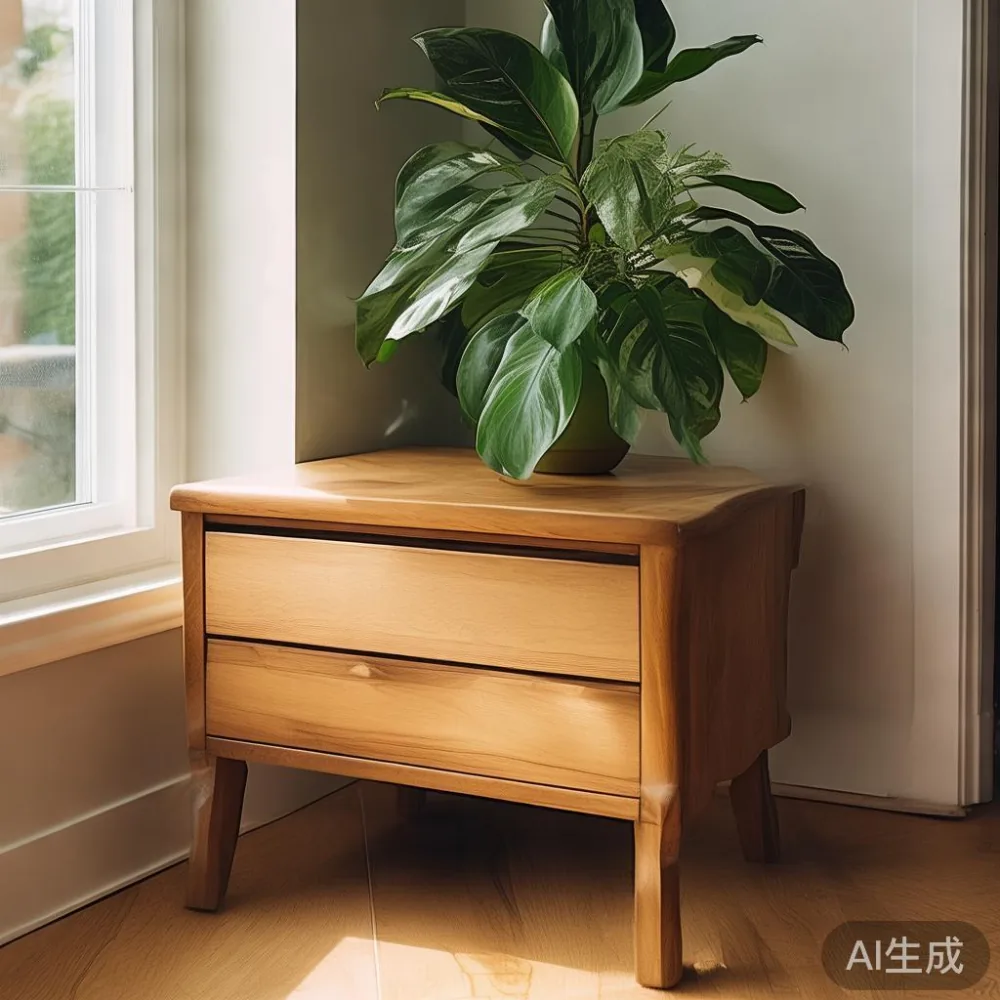
Solid wood furniture sounds like one category, but a side table next to your sofa and a marble-top dining table in your living-dining area live in very different price universes. Below I walk through the parts that actually move the number, with Singapore-specific notes on lift access, corridor turns, and what a fair landed cost looks like after GST and delivery. I also bring in what French light luxury and American light luxury mean in practice, because those two styles get used as marketing labels far more often than they get explained. If you only have ten minutes, jump to the customer question near the end. If you have twenty, start here.
The wood itself: species, grade, and the part nobody quotes
The single biggest driver of price is the species, and the second biggest is how much of each panel is actually solid. A solid wood bed frame made of North American white oak at 45-50 mm thickness will price very differently from one made of rubberwood at 25 mm, even if both are technically "solid wood." Walnut, ash, and cherry sit at the top of the spectrum for bedroom pieces. Rubberwood, a plantation species grown across Southeast Asia, is the honest workhorse for most mid-range pieces and accounts for a lot of the side tables, nightstands, and wardrobes you see under SGD 800.
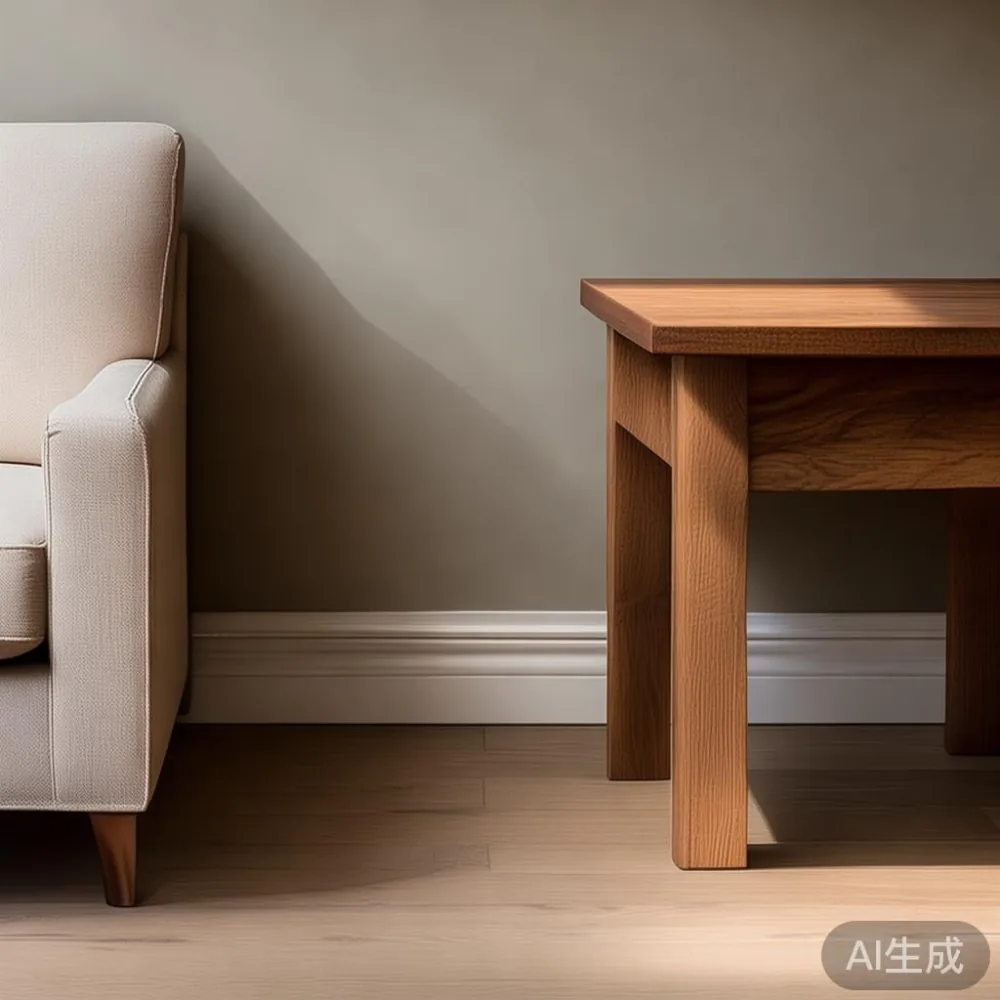
Grade matters almost as much as species. FAS (First and Seconds) grade timber from the US has fewer knots and longer clear cuttings, which is why factories that export to Europe and North America lean on it. A 150 cm dining table in FAS-grade oak can cost the maker 35-50% more in raw material than the same table in a #1 Common grade, and that difference is honest to pass on to you. When you compare quotes, ask the salesperson to specify the species in writing, the thickness of the main panels in millimetres, and whether the piece uses solid timber throughout or solid timber with engineered panels in large surfaces like wardrobe doors and wardrobe side panels. Engineered panels are not a scam, by the way. A wardrobe door 220 cm tall will cup and bow if it is one solid piece of timber; a plywood core with a 4-6 mm oak veneer is the correct engineering choice and can extend the life of the piece by years.
Origin stories also move the price. Oak from FSC-certified European forests costs more than oak from less regulated sources. North American walnut has roughly doubled in cost over the past decade, which is why a walnut side table that sold for SGD 380 in 2014 can sit at SGD 720 today. MIDHILL, the Foshan-based maker behind this guide's reference pieces, has been buying through the same FSC channels since 2008, and that kind of long-term relationship is part of why their solid wood sofa frames and bed frames can land in Singapore without the volatility you see from shorter-term importers.
Joinery, hardware, and the quiet SGD 200 hiding in the drawer
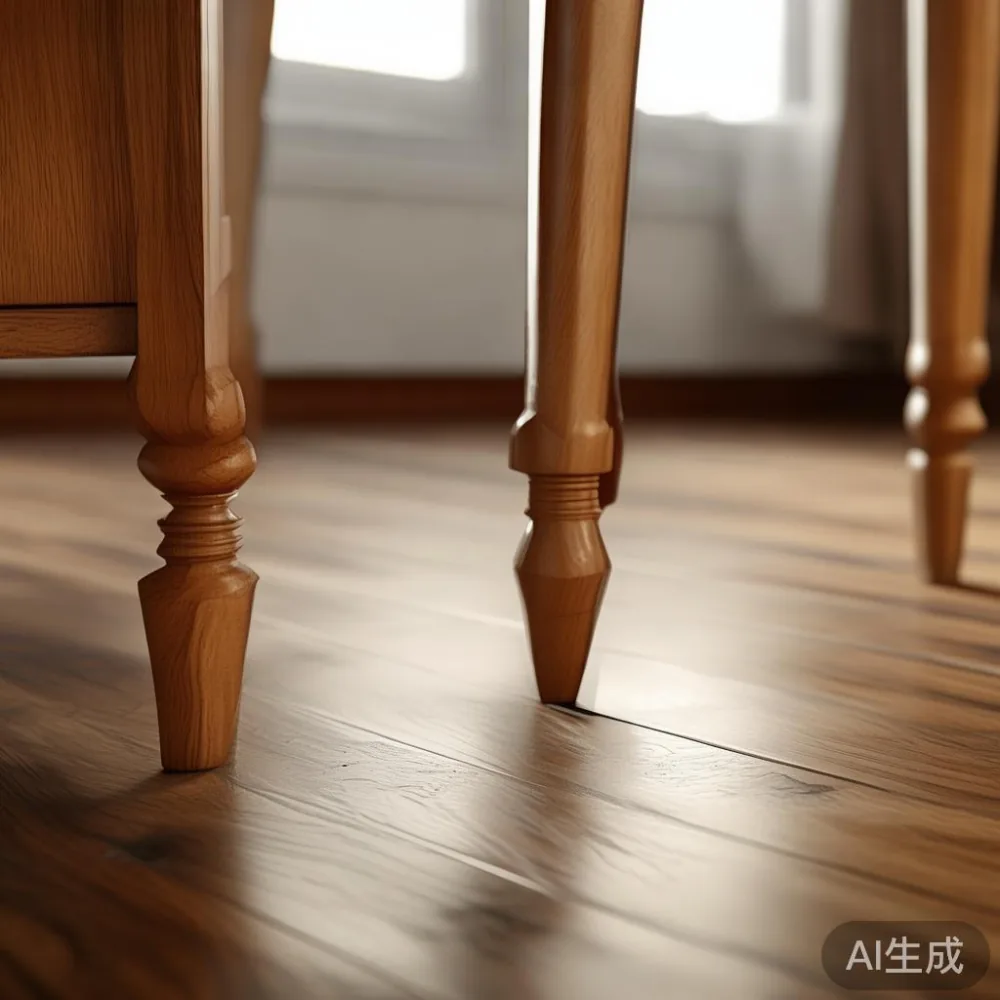
Open the drawer of a nightstand and pull it all the way out. If the drawer slides on thin metal runners with a plastic clip, you are looking at about SGD 8 of hardware. If it slides on soft-close Blum runners that carry a 100,000-cycle rating, you are looking at SGD 35-60 per drawer. Multiply that across a six-drawer dresser and you are at a SGD 200-300 difference the showroom never mentions. The same logic applies to the hinges on a wardrobe, the dowels and corner blocks inside a side table, and the cam locks that hold a bed frame together.
Mortise and tenon, dovetail, and finger joints are the three traditional joinery methods you will hear about. A solid wood bed frame joined with mortise and tenon at the headboard post and a metal corner bracket at the side rail will outlast a frame held together by cam locks and dowels alone. Neither is wrong, but they target different lifespans, and the price gap between them on a queen-size bed frame is usually around SGD 180-350. For a small condo side table, where the structural demands are lower, dowel-and-glue construction from a careful factory is perfectly fine.
Ask about the finish as well. A conversion varnish or a multi-coat lacquer cured in a dust-controlled booth will look better in year five than a single-coat wax. Factories in Foshan that ship to 15 or more countries, MIDHILL included, tend to use NC (nitrocellulose) or PU (polyurethane) finishes applied in sealed rooms. The piece that left the factory looking identical to the cheaper one will, two years later, show scratches that buff out on the PU finish and stay forever on the cheap one.
Design lineage: what French and American light luxury actually mean at your door
Light luxury, or qing dan ya in the original Chinese, is a styling direction that took hold in coastal Chinese cities around 2015 and spread through export catalogues by 2018. French light luxury tends toward slim tapered legs, brass-finished metal tips, cream or greige fabric on a solid wood sofa frame, and just enough curve at the arm to feel decorative without crossing into full classical. Think of it as Louis XV filtered through a 55 sqm Punggol executive HDB. American light luxury pulls from mid-century and contemporary American lines: longer horizontal lines, walnut and white oak, low-profile beds, and visible joinery. Post-modern light luxury is the bolder cousin, mixing two wood tones in one piece, using a marble table top on a slim solid wood base, and pairing curved silhouettes with rectangular cabinets.
The reason the labels matter is that they tell you what hardware and what fabric quality to expect. A French light luxury side table usually has a 6-8 mm marble top or a faux-marble sintered stone top, with a slim solid wood apron and four legs that finish in brushed gold metal. The metal tips, the marble, and the fabric on a coordinating solid wood sofa are three places where a maker can quietly absorb SGD 150-400 of cost without changing the wood. If you want the look without the full ticket, ask for the same side table in all-wood construction; most catalogues offer it.
Size, weight, and the Singapore-specific cost you forgot to budget
A 150 cm dining table in solid white oak weighs 45-55 kg. A queen-size bed frame in the same species weighs 60-80 kg. A six-door wardrobe can clear 120 kg once crated. These numbers matter in Singapore, where HDB cargo lifts typically have a 250-300 kg limit and a 1.2 m depth, and condo service lifts can be as narrow as 0.9 m wide and 2.0 m tall. A wardrobe that will not fit through the lift door costs you either a return trip or a paid modification on site. I have watched a Punggol couple argue with two deliverymen about a side table that would not clear the corridor turn on the 12th floor; the table was fine, the corridor was 1.05 m, and the table was 1.10 m across at the diagonal. They had to leave it downstairs for three days while a relative with a bigger unit collected it.
Before you buy, measure the lift door, the lift interior, the corridor at its tightest turn, and your front door. Give those numbers to the showroom. A good one, and the MIDHILL team in Foshan has been surprisingly patient with this on the orders I have seen, will redraw the crating plan or split a wardrobe into two modules for an extra SGD 80-150. Delivery inside Singapore for furniture over US$350 in product value typically ships free by sea-freight-then-last-mile, which works out to about 18-28 days door-to-door including Singapore customs clearance and the 9% GST. Below that threshold you usually pay SGD 60-120 for the last mile alone.
For smaller pieces, and especially in compact flats, a lightweight option like a bean bag for small condo living corners can be a useful complement to a heavier solid wood side table; one soft piece, one anchor piece, and the room reads balanced without crowding the 3 m by 3 m typical HDB living room footprint.
Is Mid-century modern master bed furniture worth it?
Yes, mid-century modern master bed furniture is worth it if you want a low-profile headboard, visible solid wood joinery, and a bed frame that visually weighs less than a traditional panel bed, but only if the frame is built in a kiln-dried hardwood at 40 mm or thicker and not in veneered MDF at 18 mm dressed up with a walnut-print sticker. A genuine mid-century modern queen frame in solid white oak or solid ash, properly joined, will sit in the SGD 1,400-2,200 range landed in Singapore for a credible factory, against SGD 600-900 for the lookalike in engineered wood, and the structural warranty difference (10 years versus the typical 1-2 years on flat-pack imports) is where the real value lands.
Warranty, returns, and the hidden signal in the after-sales policy
Read the warranty before you read the price tag. A 10-year structural warranty on joinery, drawer runners, and frame integrity is the current benchmark for serious export factories. One-year warranties are standard for value-tier pieces. Lifetime refinishing, which several Foshan makers including MIDHILL offer as part of the purchase price, is unusual outside of heirloom-level American workshops and is worth real money over a 15-20 year ownership window; a sanding and re-lacquer of a 180 cm dining table in Singapore runs SGD 280-450 at an independent restorer.
Returns matter more than people think in Singapore, where you usually cannot see the actual piece before paying a deposit. A 14-day return window on a side table you unboxed and decided you did not like is the difference between a low-risk purchase and a permanent fixture. Make sure the policy covers transit damage, which is the most common failure mode in cross-border furniture, and confirm who pays the return freight if the piece arrives with a cracked marble top or a split leg.
A practical way to read any price tag in 60 seconds
Use this order: species and panel thickness first, joinery second, hardware and finish third, design lineage and ancillary materials fourth, delivery and after-sales fifth. If the salesperson can answer all five in plain language with numbers, the price is anchored in reality. If they can only answer one or two, the rest is a guess, and the price is probably softer than it looks. A solid wood bed frame, dining table, wardrobe, nightstand, or side table is a 10-20 year commitment, and the right factory will treat your questions as part of the order, not an interruption to it.
What I would actually buy in Tampines on a SGD 5,000 bedroom budget
For my own master bedroom in a 4-room HDB in Tampines, I would spend roughly SGD 1,800 on a queen-size solid wood bed frame in white oak with a low headboard, SGD 650 on two matching side tables at 50 cm diameter, SGD 480 on a six-drawer wardrobe in the same species with soft-close runners, and SGD 1,200 on a sintered-stone-top vanity with a small solid wood base, leaving SGD 870 for a reading chair, mattress topper, and the inevitable SGD 80 in additional Blum soft-close upgrades I forgot to budget for. The side tables would carry the room's visual weight, the bed frame would carry the structural warranty, and the wardrobe would carry the daily use. A solid wood sofa and a marble-top dining table can wait for the next budget cycle. Buy the pieces that hold the most weight, in every sense, first.