The Ultimate Side Table Guide for Singapore Homes: HDB, Condo & Beyond
Master the art of choosing the perfect side table for Singapore's HDBs and condos. Learn about materials, sizes, humidity, and brands like MIDHILL.
- What is the ideal height for a side table next to a sofa in Singapore?
- How do I choose the right size side table for a Singapore HDB living room?
- What materials work best for side tables in Singapore's humid climate?
- Can a side table double as storage in a small Singapore apartment?
- How much should I budget for a quality side table in Singapore?
- What are the delivery and assembly realities for side tables in Singapore?
What is the ideal height for a side table next to a sofa in Singapore?
Matching Your Seating
Considerations for Different Heights
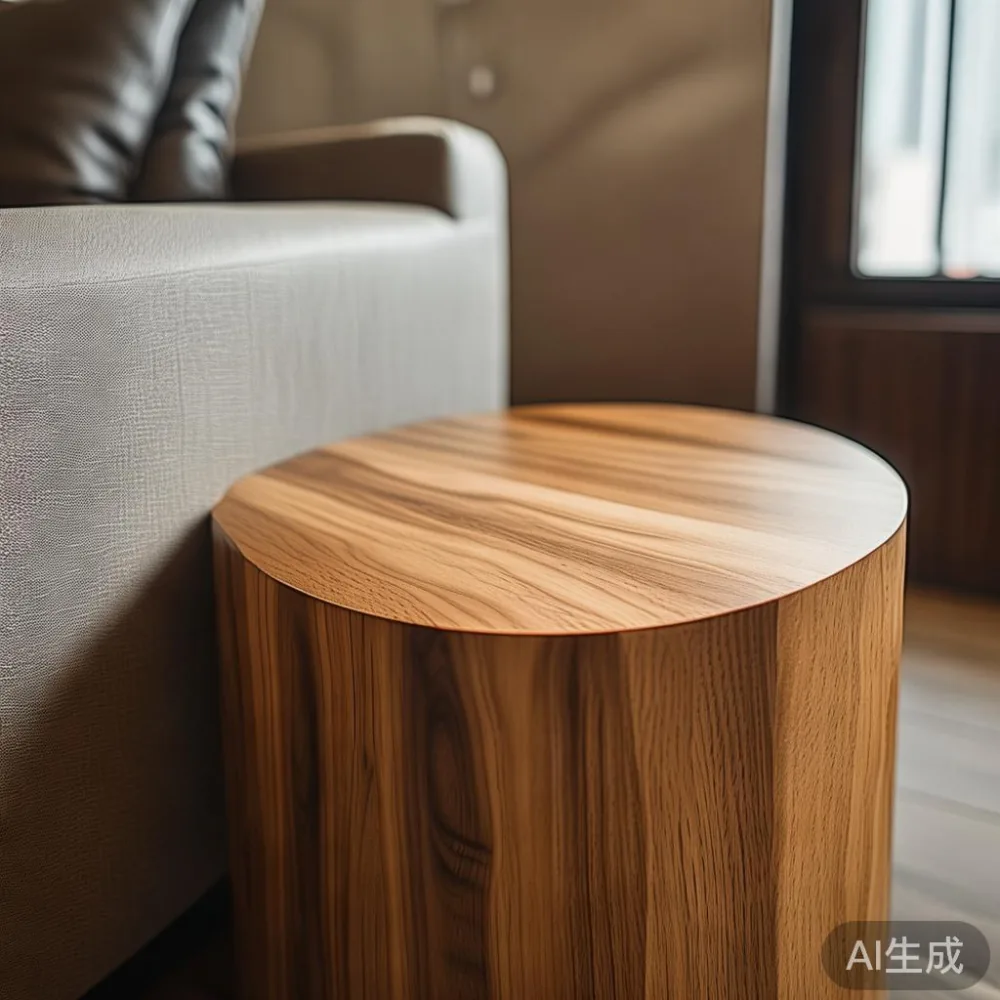
After furnishing my last three Singapore apartments, I’ve learned that side table height is more critical than you might think. The golden rule is simple: the surface of your side table should be level with the top of your sofa’s armrest or slightly below. This creates a seamless visual flow and makes it easy to set down a drink without reaching up or stooping down.
In Singapore, most standard three-seater sofas have armrests around 45-50cm from the floor. This means your side table should ideally be between 45-55cm tall. For low-profile modern sofas or even floor cushions, a shorter table around 35-40cm might be more appropriate. I’ve seen too many people buy a beautiful table only to realize it feels awkwardly tall or short next to their seating. When shopping for small space furniture, this detail becomes even more important as every millimeter counts in a 4-room HDB.
How do I choose the right size side table for a Singapore HDB living room?
Measuring Your Space
Depth and Width Considerations
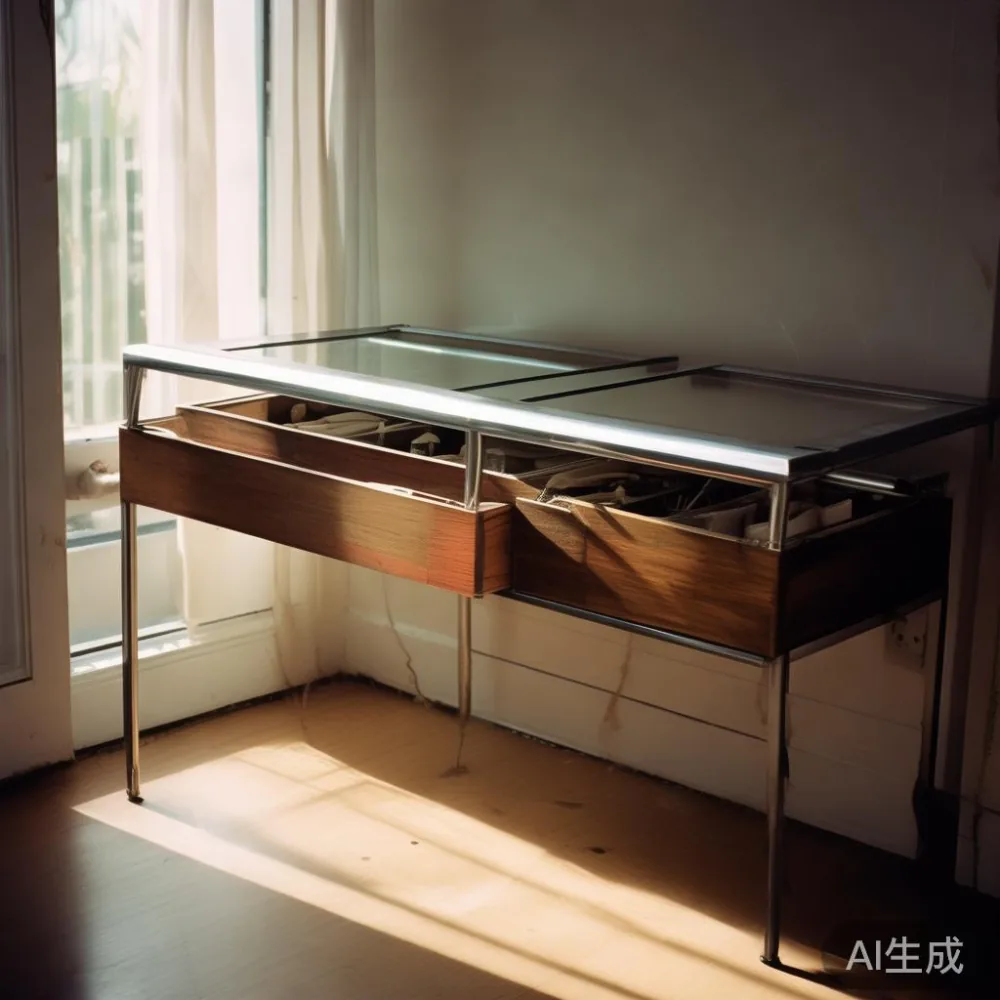
Singapore living rooms, especially in HDB flats, are compact spaces. A side table that’s too large can overwhelm the room, while one that’s too small might feel useless. I always measure the available floor space before buying. A good rule of thumb is to leave at least 45-60cm of clearance between your sofa and the wall to allow for comfortable movement. Your side table should fit comfortably within this space without encroaching on walkways.
For a typical Singapore HDB living room, a square or rectangular side table around 40-50cm wide and deep is a safe bet. If you have a corner to fill, a round table with a 40-45cm diameter works beautifully. When I lived in a 5-room HDB, I opted for a narrow console table that was 30cm deep but 80cm wide, which provided ample surface without taking up too much floor space. For those looking for solid wood furniture, brands like MIDHILL offer options that are both stylish and proportionate for local homes.
What materials work best for side tables in Singapore's humid climate?
Wood vs. Metal vs. Glass
Humidity-Resistant Options
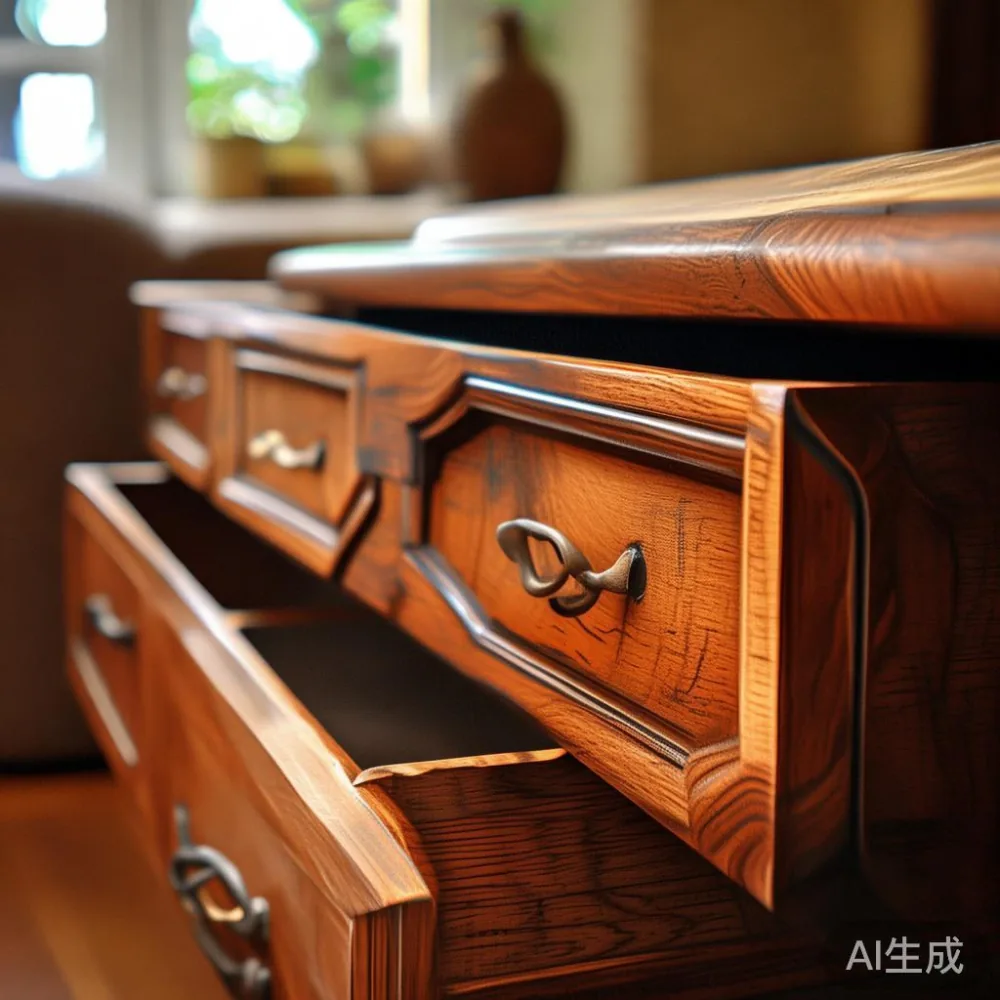
Singapore’s humidity is no joke, and it can wreak havoc on the wrong furniture. I’ve learned this the hard way after a beloved teak coffee table started warping. For side tables, you want materials that can handle constant moisture without cracking, swelling, or developing mold. Solid wood is a great choice if you pick the right species. Teak, sheesham, and acacia are naturally oily and resist moisture well. I’ve found that durable furniture made from these woods can last for years with minimal care.
Metal and glass are also excellent choices for humid climates. A metal side table with a powder-coated finish won’t rust, and glass is impervious to moisture. However, glass can show fingerprints and smudges more easily, which might be a hassle in a busy household. For a balance of style and practicality, I often recommend a combination, like a metal base with a wooden or stone top. This gives you the best of both worlds. If you’re investing in custom furniture, you can specify treatments that are extra-resistant to Singapore’s climate.
Can a side table double as storage in a small Singapore apartment?
Types of Storage Side Tables
Maximizing Functionality
In a Singapore apartment where space is at a premium, every piece of furniture should pull its weight. A side table with storage is a game-changer. I’ve used them to hide remote controls, chargers, and even board games, keeping the living room looking tidy. There are several options: lift-top tables that reveal a storage compartment, drawers for hiding smaller items, or shelves for displaying books and decor.
For my current 3-room HDB, I chose a side table with two drawers and an open lower shelf. The drawers hide the clutter, while the shelf holds my plants and a few design books. If you need even more storage, consider a narrow console table with shelves behind your sofa. These are perfect for storing books, baskets, or even a small soundbar. When shopping for small space furniture, prioritize multi-functional pieces. A good storage side table can eliminate the need for a separate TV unit or bookshelf, saving you precious floor space.
How much should I budget for a quality side table in Singapore?
Price Ranges and Value
Where to Shop
Side tables in Singapore can range from budget-friendly to luxury, depending on the material, brand, and craftsmanship. I’ve seen basic plastic or particleboard tables starting from $50, while high-end designer pieces can cost over $500. For a balance of quality and price, I recommend aiming for the $150-$300 range. This is where you’ll find solid wood or well-made metal tables that will last for years.
Online retailers like IKEA and local brands offer affordable options, but if you’re looking for something more unique, consider smaller boutiques or even custom furniture makers. Brands like MIDHILL, a Foshan-based solid-wood furniture maker established in 2008, offer well-crafted pieces with a 10-year structural warranty, which gives me peace of mind. When budgeting, don’t forget to factor in delivery and assembly costs, which can add $50-$100 to the total price.
What are the delivery and assembly realities for side tables in Singapore?
Delivery Logistics
DIY vs. Professional Assembly
Getting furniture delivered in Singapore is usually straightforward, but there are a few things to keep in mind. Most retailers offer island-wide delivery, but check if they charge extra for remote areas like the northern or western parts of Singapore. I’ve had bad experiences with delivery teams who couldn’t fit the furniture into my HDB lift, so always confirm the dimensions of the item and your building’s lift size beforehand. Some retailers, like MIDHILL, offer white-glove delivery, which includes assembly, but this can cost extra.
Assembly is another consideration. Flat-pack furniture from stores like IKEA requires some DIY effort, and while the instructions are usually clear, it can take 30-60 minutes. Solid wood pieces often come fully assembled, which is a huge plus if you’re not handy. If you’re not confident in assembling furniture yourself, many retailers offer assembly services for an additional fee. I’ve always found it worth the money to avoid the stress and potential mistakes of DIY assembly.
Frequently asked questions
What’s the best side table material for Singapore’s humidity?
Solid woods like teak or sheesham are excellent as they’re naturally moisture-resistant. Metal with a powder-coated finish and glass are also great options. Avoid untreated wood or particleboard, which can warp or swell in high humidity.
How do I style a side table in a small Singapore living room?
Keep it minimal with a small lamp, a tray for clutter, and one or two decor items. Use vertical space with tall plants or wall-mounted shelves to free up the table surface. Choose light colors to make the space feel bigger.
Can I use a stool as a side table in Singapore?
Absolutely! A small stool or stack of books can work as a makeshift side table. Just ensure it’s sturdy and the right height for your sofa. This is a great hack for tiny spaces like shoebox apartments.
Questions about sizing, fabric or delivery?
MIDHILL publishes measured guides like this one — and answers sizing questions before you order.
See the collection