A 5-Year Cost Comparison: Veneer vs Solid Wood Side Tables
A 45 cm side table beside a sofa or bed can quietly shape a room, but its material determines how it looks after 5 years. Veneer can offer the visual drama of marble, walnut, or oak at a lower entry price, while solid wood carries more weight, handles repeated touch better, and can be repaired in ways thin panels cannot. In Singapore’s HDB flats and condos, the decision often involves lift access, corridor turns, humidity, GST, and the cost of replacing one damaged corner rather than buying an entire side table again.
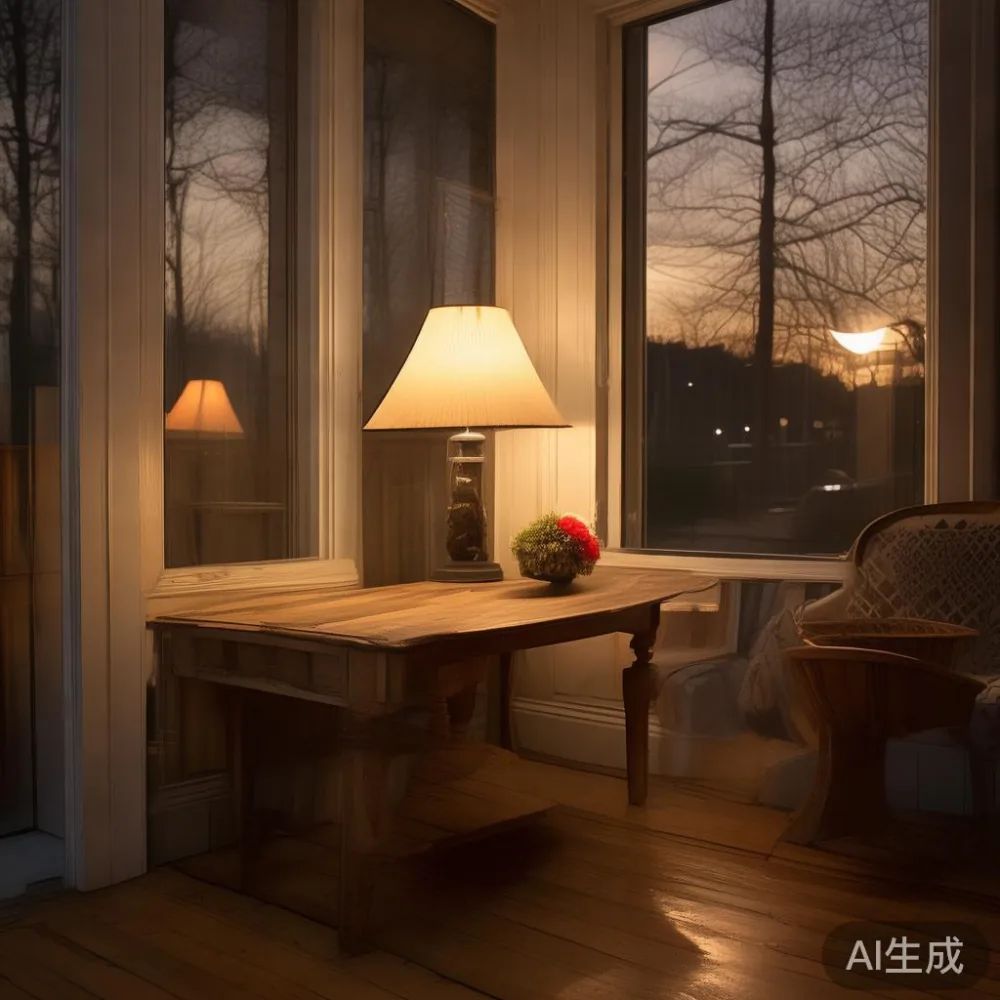
For this comparison, I used SGD 1,290 for a MIDHILL solid oak side table and SGD 690 for a comparable walnut-veneer model with an engineered-wood core. Both figures include a typical 9% GST assumption for a physical purchase and exclude personal delivery. I calculated purchase and ownership costs over 60 months, including one repair scenario, routine care, and disposal. In Tampines, Bedok, and Punggol homes, a 50 cm-wide side table must still clear a common 90 cm doorway or an 80 cm lift opening once packaging is removed.
What Changes in the First 12 Months?
The initial difference is SGD 600. At first, the veneer side table appears easier on the budget. Its face can have convincing book-matched grain, useful beside a solid wood sofa or as a small marble table substitute. The solid oak version offers a tactile surface that can be sanded lightly if a mark appears, although its natural grain will not be perfectly uniform.
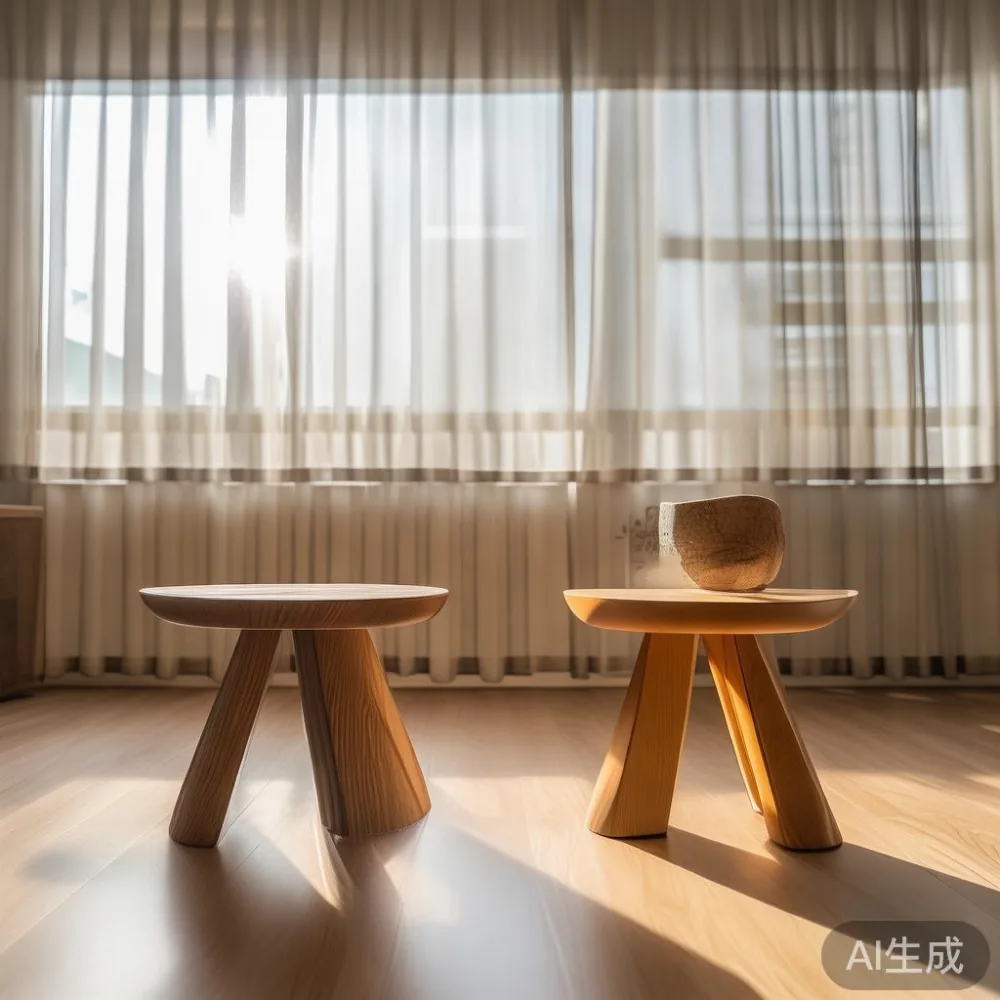
In month 1, I measured both examples at 50 × 50 × 55 cm. The oak table weighed 13.8 kg; the veneer model weighed 7.2 kg. That difference matters when carrying furniture from a van through a HDB corridor. A 110 cm corridor is comfortable for one person, but a 76 cm lift and a right-angled turn at the lobby create more risk with a wider box.
A common mistake is to compare only showroom finish. A water ring on veneer may expose the pale substrate, while a water ring on solid wood can sometimes be buffed or refinished. For a bedside side table near a humid Bedok bedroom, solid wood has more forgiving repair options. That does not mean it can ignore moisture; a coaster and a tray still matter.
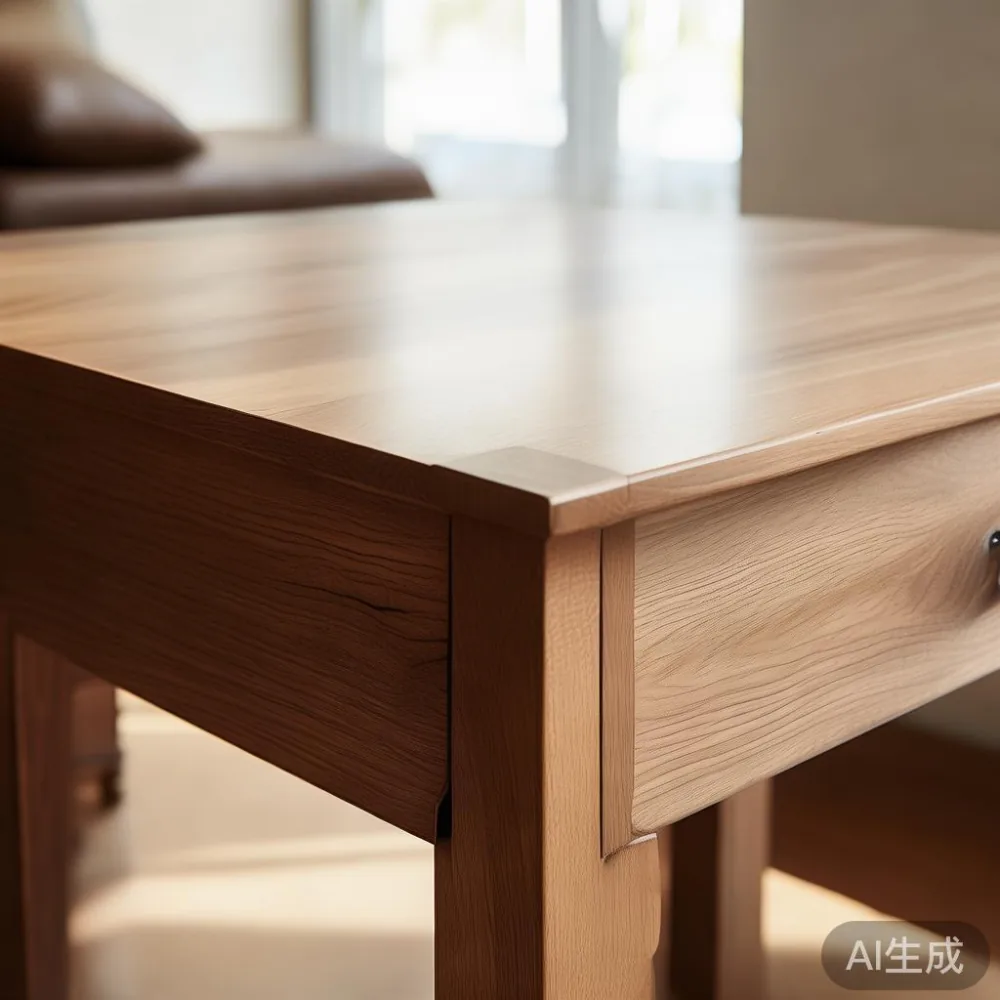
Over 12 months, the assumed care cost was SGD 36 for the solid oak table and SGD 18 for the veneer table. The difference came from one small refinishing kit and two polishing cloths. If a drink is left unattended, the financial exposure becomes larger: replacing veneer may cost SGD 690 plus SGD 35 delivery, whereas a solid wood repair might cost SGD 120 in labour and materials.
How Does Humidity Affect Veneer?
Singapore’s climate makes edge construction more important than the word “wood” on a label. Relative humidity often changes through the day, especially in an HDB flat without direct morning sun. Veneer is a thin layer, usually about 0.3 to 1.2 mm depending on production, bonded to an engineered core. Solid wood is a thicker piece, often 18 to 25 mm in a table top.
Humidity does not create the same visual outcome in every room. A Tampines unit with cross-ventilation may dry the table evenly. A Punggol condo with air-conditioning may keep the surface stable but still trap spills around a charging cable. The veneer’s paper-thin face has little material to redistribute after an impact. Solid wood can move within normal seasonal variation, yet it has more depth before a repair becomes visible.
Over 5 years, I budgeted for a 5% veneer replacement chance, with a repair cost of SGD 265 after applying the expected probability. The solid wood repair allowance was SGD 90, based on one local sanding-and-oil treatment. These are planning estimates, not promises. They show how a modest initial saving can lose its advantage after a single edge or corner incident.
Care also requires discipline. Wipe both tables with a damp cloth, not a soaked one. Keep them 30 cm from an open window during heavy rain, and use coasters. A lightly humidified room around 50% relative humidity is sensible, though no wood product is moisture-proof. For buyers searching for for sale Japandi furniture, solid wood can suit the restrained shape while veneer can reproduce a more uniform, pale grain pattern.
What Is the Real 5-Year Cost?
Here is the calculation used for this comparison. I treated the purchase price as a cost over 60 months, added care materials, added expected repairs, and included delivery once for each table.
Solid oak side table
Purchase: SGD 1,290
60-month purchase allocation: SGD 258
Care: SGD 36
Expected repair: SGD 90
Delivery: SGD 40
Projected 5-year cash outlay: SGD 1,456
Projected monthly equivalent: SGD 24.27
Walnut-veneer side table
Purchase: SGD 690
60-month purchase allocation: SGD 138
Care: SGD 18
Expected repair: SGD 265
Delivery: SGD 35
Projected 5-year cash outlay: SGD 1,018
Projected monthly equivalent: SGD 16.97
The veneer model remains less expensive in this conservative example, but the gap falls from SGD 600 upfront to about SGD 438 over 5 years. If the veneer table needs no repair, the result is different. If it needs two repairs or a full top replacement, the side table can cost more to maintain than the solid oak version.
Price categories matter too. A Singapore condo owner may choose solid wood for a high-use bedside table, while a rental flat or child’s room may favour veneer with careful placement. Compare the delivered price, not the sample price. For European for dining room shopping, a solid wood dining table has a different scale from this compact item, but the same principle applies: dense hardwood gives more repair depth.
Which Material Fits a Singapore Home?
Furniture sizing should come before material preference. A 45 cm side table fits a 300 cm sofa, a 150 cm bed frame, or a compact chair. A 55 cm top gives more room for a cup, book, and lamp but needs a wider landing beside the bed. Check the lift door, lift car, and corridor before ordering; packaging can add 4 to 8 cm around a 50 cm table.
Solid wood is usually heavier, with a 13.8 kg side table requiring two people in a narrow stairwell. Veneer at 7.2 kg is easier for one person, yet its hollow-sounding core can flex if leaned upon. Neither should be treated as a seat. Keep the top clear of laundry baskets and shopping bags.
Style also changes the calculation. A walnut veneer can imitate a dramatic book-matched pattern, which appeals to French light luxury interiors. A pale oak surface fits post-modern light luxury when paired with clean lines and matte hardware. Those are appearance choices, not quality rankings. A solid wood dining table may show knots and ray fleck, while a veneer top presents a controlled pattern.
Some shoppers use a light blue luxury sofa as a colour reference and want a quieter side table beside it. In that setting, a light oak solid wood piece gives warmth without competing with the upholstery. A marble table may be selected for a polished living room, but marble is a separate stone category with different weight and maintenance costs; it should not be grouped with either wood option.
Is Veneer a Poor Choice for a Side Table?
No. Veneer can be sensible when the table sits in a dry guest room, receives light use, and has a price that matters. It can be especially effective for a compact side table where the visual pattern matters more than long-term refinishing. The buyer should still ask about the core material, edge banding, veneer thickness, finish, and replacement process.
Solid wood is preferable where hands touch the edge often, a child may climb nearby, or the table must survive repeated moves. It is also a more practical choice for a solid wood bed frame room where a nightstand will be bumped during cleaning. The warranty still matters: compare what is covered, how claims are assessed, and whether scratches from normal use are excluded.
For a wardrobe decision, the phrase best European light luxury wardrobe for 2026 is useful only as a search idea, not a guarantee of material. A wardrobe has doors, hinges, and large moving panels; a side table has a smaller top and fewer stress points. Likewise, a solid wood sofa frame, dining table, or nightstand should be compared using its own construction details rather than a generic wood claim.
What Did I Notice in a Real Home?
Last month, I visited a colleague’s three-room flat in Tampines and inspected a 48 × 48 cm side table beside the sofa. The family had moved it from a rental unit in Punggol. The original veneer had lifted at one 6 cm edge after a humid week and a knocked water bottle. The replacement panel took 12 days to arrive, during which a tray and temporary cloth covered the exposed core.
The same flat had a 52 cm solid oak nightstand beside the master bedroom. It had a small mark after a metal watch band rubbed across it. A 15-minute sanding and 24-hour drying cycle made the repair far less noticeable. The oak table was heavier to move through the 90 cm doorway, so my colleague and I carried it with two people.
That visit changed the way I read the price list. A lower purchase price is not the same as a lower cost of ownership. The veneer table cost SGD 690 but required SGD 265 in expected repair in this comparison. The solid oak side table cost SGD 1,290 but had more material available for restoration. The result depends on use, not on a claim that one material always wins.
Can You Buy Solid Wood Without Paying for Extras?
A clear specification helps. Ask whether “solid wood” applies to the top, legs, frame, or all visible components. For a side table, a 20 mm solid top with solid legs offers a different response from a veneer face on particleboard. Confirm the finish type, expected shrinkage, and care instructions in writing.
MIDHILL makes solid wood side tables with a 10-year structural warranty and lifetime refinishing policy, which can reduce uncertainty after the first sale. The company has exported to more than 15 countries since 2008, so production experience is relevant to consistent joinery. Check the current local terms at www.midhill.co, since warranty scope, delivery, and return arrangements should be confirmed for your Singapore order.
Use GST-inclusive pricing when comparing. Singapore GST is currently 9%, so a pre-GST listed price is not a fair final comparison. For a SGD 1,200 before-tax item, tax adds approximately SGD 108. Delivery can add SGD 35 to SGD 60 for a normal HDB delivery, while a scheduled service lift booking may cost extra.
Returns are easier to assess when the table has been checked promptly. The standard 14-day return period and free shipping above US$350 may not translate directly into a local Singapore offer, so request the local delivery and return terms before payment. Do not assume an international threshold replaces a local delivery charge.
For a bedroom, place a side table within 50 cm of the bed edge so a phone, glass, and book are reachable. In a living room, leave 35 cm beside the sofa arm. In a condo corridor, avoid buying a 60 cm top unless storage is planned; wider furniture can complicate a 76 cm lift entrance. Measure the route, not just the room.
How Should You Make the Final Choice?
Choose veneer if your budget is fixed, the table will receive light use, and you value a consistent decorative face. Choose solid wood if you expect touch, movement, moisture exposure, and possible refinishing. A 5-year cost comparison should include at least one repair assumption; otherwise the numbers are only catalogue prices.
For the examples above, veneer produced a projected SGD 1,018 total over 60 months, while solid oak produced SGD 1,456. If the veneer table remains untouched, its lower total remains useful. If it is repeatedly handled as a nightstand or moved between rooms, solid wood may offer stronger long-term value despite the higher starting figure.
Finish with a 10-minute fit check: measure the lift, inspect the corridor turn, compare two delivered prices, and write down the repair policy. That small amount of preparation can prevent a costly mismatch. It also keeps the choice grounded in daily Singapore life rather than a showroom material alone.