Caring for a Lacquered Side Table in a Singapore Tropical Climate
I still remember dropping a cold glass of iced teh-o on a freshly lacquered side table at a Tampines HDB show flat last month. The glass left a faint white ring that wiped away with a soft microfibre cloth, and the lacquer underneath looked exactly as it did the week before. That moment, more than any spec sheet, convinced me that a well-finished lacquered side table is one of the most practical pieces you can own in Singapore — provided you understand how the local climate treats it.
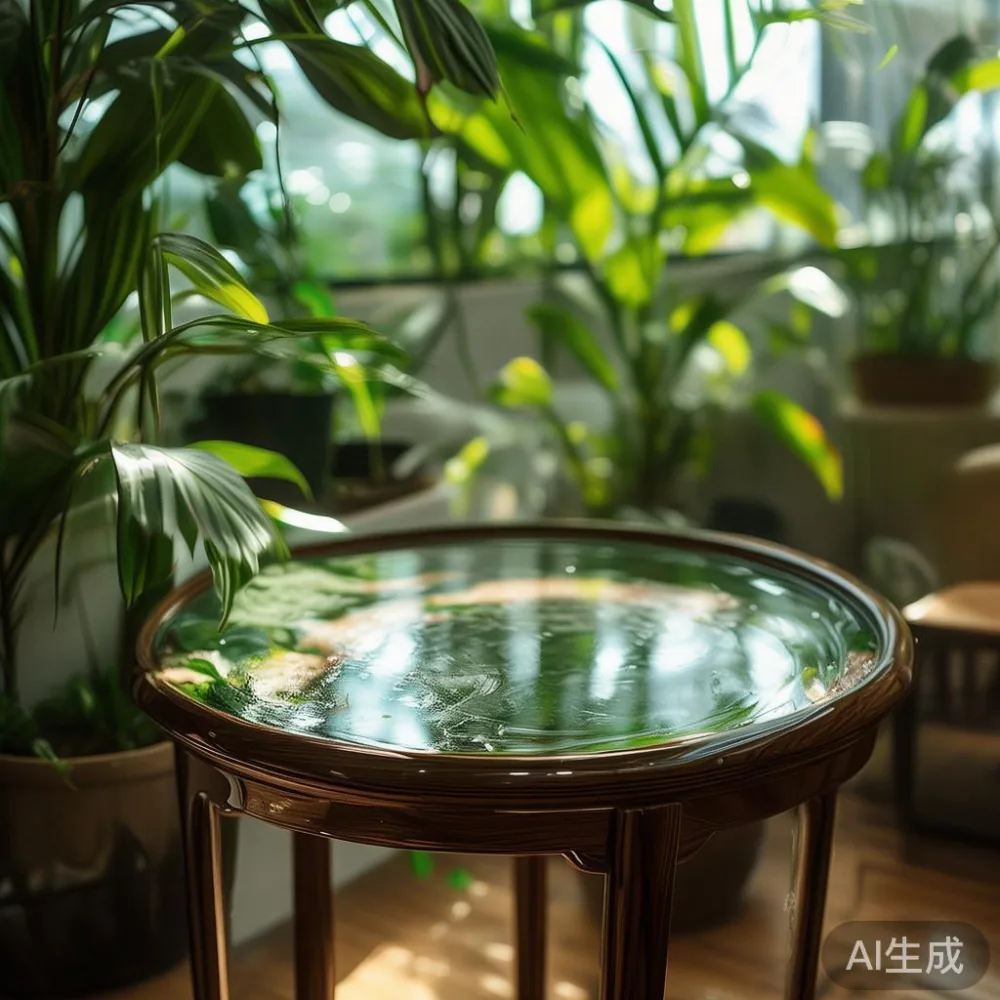
Humidity in Singapore sits between 70% and 90% for most of the year. Daily temperatures swing between 24°C and 34°C. Air-conditioning drops indoor relative humidity to roughly 40–55% for a few hours, then the room returns to a sticky equilibrium the moment the compressor clicks off. Lacquer — whether a high-gloss piano finish on a French provincial bed headboard, a matte post-modern light luxury coating on a Scandinavian-style nightstand, or a warm honey-toned seal on an American oak nightstand — expands and contracts constantly under those swings. The good news: the right care routine takes about 8 minutes a week and costs under S$15 a month.
How does Singapore humidity actually attack a lacquered surface?
Lacquer is a film finish. Unlike oil, it sits on top of the wood in a continuous skin roughly 0.05–0.12 mm thick. When indoor humidity climbs above 65% for long stretches, the wood beneath the lacquer absorbs moisture and swells. The lacquer skin cannot stretch at the same rate, so micro-cracks (called checking) appear, usually along the grain where a side table meets its apron or where a dining table top meets its skirt. When humidity drops sharply — for example, an 18°C air-conditioned bedroom at 2 a.m. — the wood contracts faster than the lacquer, and the film can lift at the edges or develop a milky haze called blush.
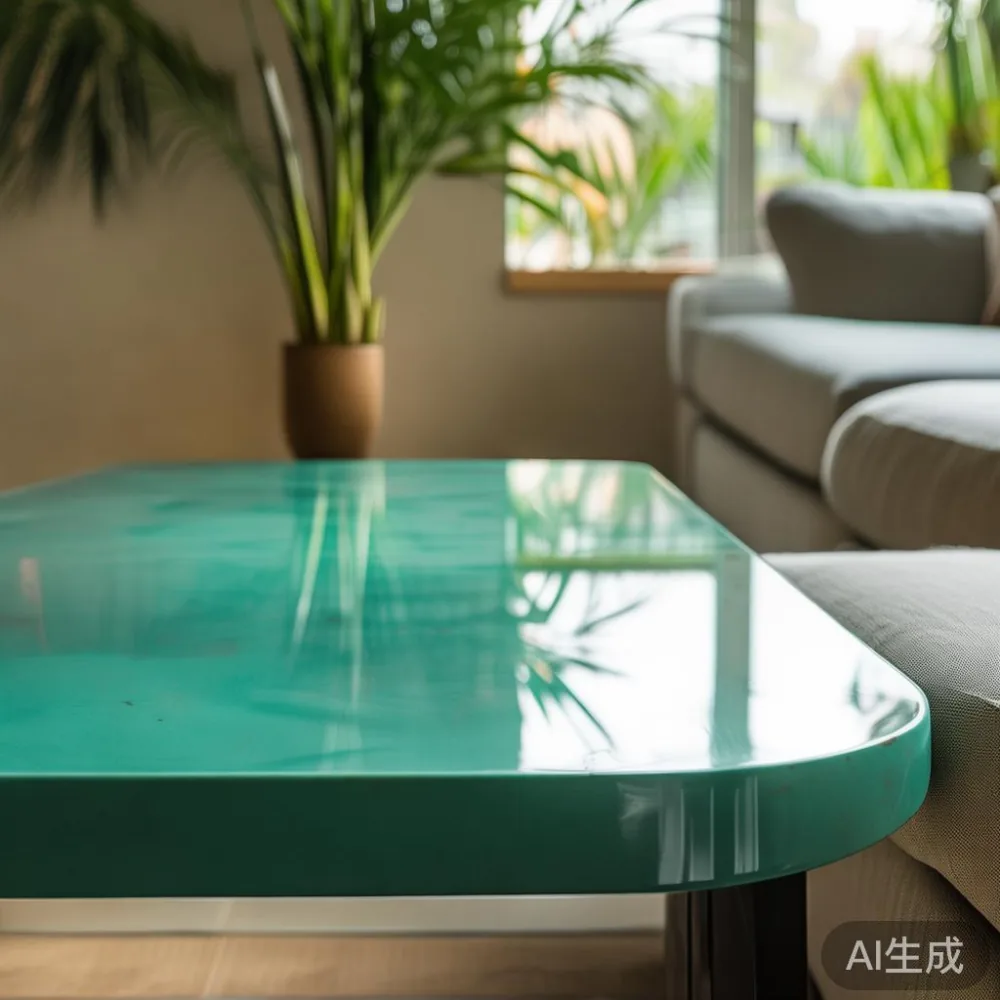
Three local factors make Singapore slightly harsher than, say, Taipei or Bangkok:
- Salt-laden air in districts like East Coast, Pasir Ris, and Punggol accelerates moisture cycling through wood pores. A piece kept near a frequently opened balcony door will absorb and release water 4–6 times more often than the same piece in an interior corridor unit.
- Direct afternoon sun through west-facing windows in older HDB blocks in Bedok and Toa Payoh can push surface temperatures to 48–52°C between 2 p.m. and 4 p.m. That 20°C delta against an air-conditioned room stresses lacquer joints far more than any single humidity cycle.
- Corridor and lift constraints mean most Singapore furniture arrives partially disassembled and is finished on-site. A side table that ships as a 110 cm × 60 cm × 12 kg flat-pack can be hand-carried into a standard 3.5 m HDB lift, but the finish is the first thing to get nicked on a metal railing.
What is the correct weekly routine for a lacquered side table?
A disciplined weekly routine beats any expensive restoration. I keep a small caddy under the console in my own living room and follow these steps every Saturday morning:
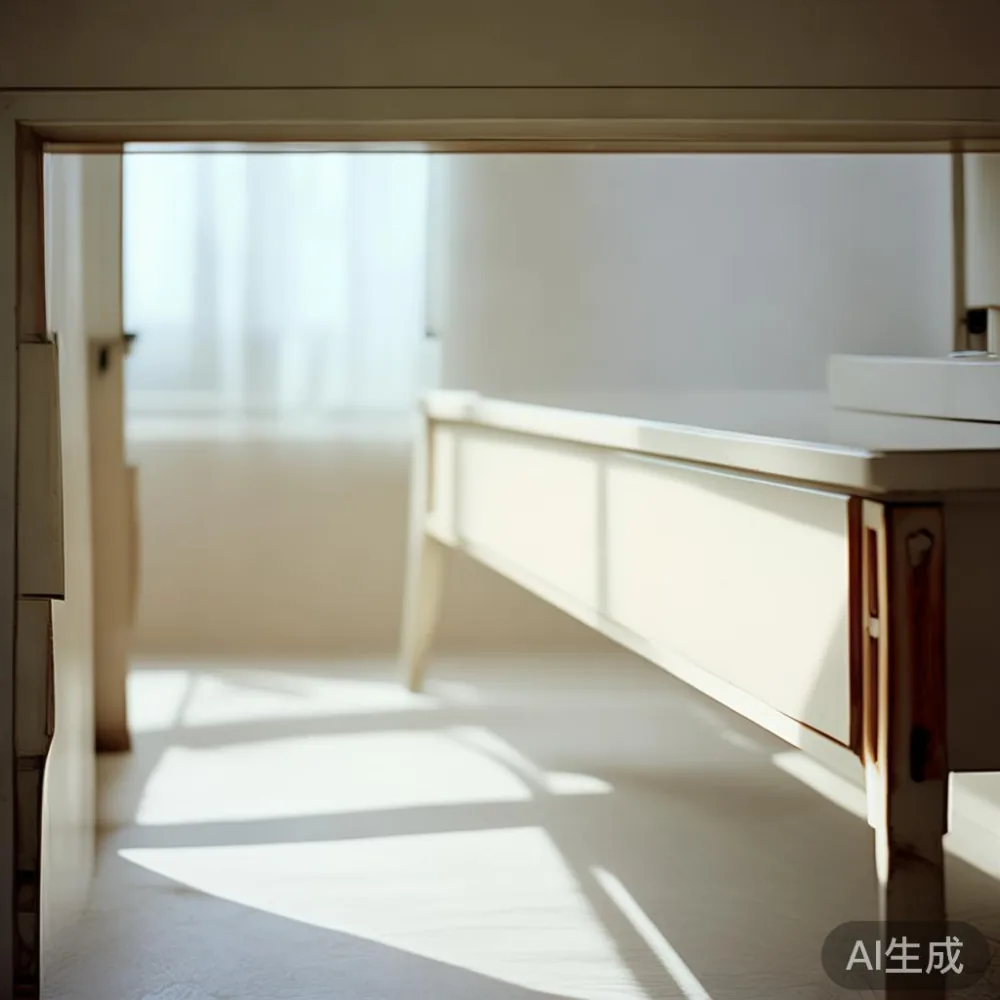
- Dust with a dry microfibre cloth (12″ × 12″, 220 gsm). Synthetic dust attracts the airborne moisture that becomes cloudy marks on gloss lacquer. Wipe with the grain, never across it.
- Wipe down with a barely damp cloth. Two tablespoons of distilled water on a 30 cm × 30 cm cloth is enough. Singapore tap water contains 12–35 mg/L of chlorides; over a year, those salts leave a dull film on piano-black finishes. Distilled water costs about S$0.80 per litre at FairPrice.
- Dry immediately with a second microfibre cloth. Any water left sitting for longer than 90 seconds can soak through micro-pinholes and lift the lacquer.
- Apply a quarterly wax coat using a paste wax with UV inhibitors. One 200 g tin retails at S$22–S$28 and covers roughly 6 m², enough for a full living-room set including a side table, a coffee table, and a TV console.
For spill response — kopi, soy sauce, the inevitable chilli padi splatter — blot within 30 seconds, then clean with the damp-distilled-water method. Do not spray any cleaner directly onto the surface; always spray onto the cloth. A 250 ml bottle of neutral pH wood spray retails at S$14 at most departmental stores; one bottle should last 3–4 months on a single side table.
Which products and finishes survive a HDB corridor move best?
Last quarter my colleague delivered a small batch of solid wood side tables to a walk-up in Bukit Timah that lacked a service lift. We wrapped each corner in 5 mm closed-cell foam, sealed the lacquer surfaces with a temporary cling film (the static kind used by piano movers), and watched the load climb 38 steps without a single scuff. The same approach scales for a typical 4-room HDB delivery from MIDHILL in Foshan: pieces travel in double-walled corrugated cartons with 8 mm edge protectors, and the lacquer is shielded by a low-tack PE film that peels off cleanly within 48 hours of unpacking.
When choosing a new piece, look for these specifications on the spec sheet:
- Coat count. Quality factory lacquer runs 5–7 base coats plus 2 top coats. Anything below 5 base coats will check visibly within 18 months in a non-air-conditioned corner of a Punggol condo balcony.
- Curing time. True conversion lacquer needs 21–28 days to fully harden. A side table delivered 7 days after the final coat is technically still soft and scratches easily. The brands that spec 30-day pre-delivery curing are the ones whose finishes survive Year 3 in Singapore.
- Underlying wood. Rubberwood and Asian ash move less than solid American white oak in tropical humidity. If you love the look of a French light luxury marble-top side table, an ash core with a 12 mm marble slab (about 22 kg per table) is more dimensionally stable than a similar oak-and-marble piece.
- Joinery. Mortise-and-tenon joints with two 12 mm dowels per corner tolerate the swelling cycles of a Tampines HDB far better than cam-lock fittings. Lift this up in the showroom — a good nightstand or side table feels like one rigid body even before the back is attached.
How much should I budget to maintain a full lacquered set across 10 years?
Lets put real numbers against the work. A typical Singapore homeowner owns roughly 8–12 lacquered pieces — a solid wood sofa frame, a bed frame, a dining table, a wardrobe, two nightstands, two side tables, a TV console, and a marble table. Maintenance over a decade looks like this:
- Consumables (cloths, distilled water, wax, spray): about S$320–S$420 across 10 years, or roughly S$3 a month.
- Annual spot polish by a handyman: S$45 per visit, 2 visits per year, totals S$900 over 10 years.
- One full re-lacquer at Year 7 or 8: S$180–S$260 per piece, depending on size — about S$1,800–S$2,800 across the whole set. Re-lacquering a single side table at home costs as little as S$55.
- Total 10-year budget: roughly S$3,000–S$4,200 spread across the home, or less than S$35 a month.
Compare that to a single replacement. A 60 cm lacquered side table retails between S$329 and S$620 in Singapore showrooms. Avoid replacing on a 3-year cycle if you can; the same budget covers 30 years of careful maintenance. A 10-year structural warranty from the maker — offered by established brands like MIDHILL — covers joint failure and lacquer peel, which are climate-driven failures rather than wear-and-tear.
Can refinishing really be free, and is it worth shipping a piece back to Foshan?
Free lifetime refinishing sounds generous until you do the math on logistics. Shipping a single side table from a Tampines HDB to Foshan and back via sea freight costs S$280–S$380 in 2026, with a 38–55 day round trip. The refinishing labour itself costs the maker roughly S$45–S$70 per piece; the real cost is the consolidated sea container. Economically, it makes sense only when you bundle 6 or more pieces into one shipment — usually a household that is replacing the dining table and adding a marble table at the same time.
On-site refinishing, by contrast, costs S$120–S$180 per side table and finishes in 4 working days. Most Singapore refinishers will sand back to 240-grit, apply 4 new base coats (often a 2-component polyurethane for humidity resistance), and finish with a 30° or 60° sheen top coat. A satin (30°) sheen hides micro-scratches far better than a piano (95°) sheen and is the practical choice for a side table used daily as a tea station.
What about HDB-specific challenges like renovations, GST, and disposal?
Renovation dust is lacquer's quiet enemy. A typical 4-room HDB respray generates 1.2–1.8 kg of fine gypsum and paint dust per room. If you are replacing a side table during a renovation, drape it in 0.05 mm PE sheeting taped at the seams; even a 30-minute exposure to airborne renovation dust will dull a gloss finish permanently. Wait at least 10 days after the final coat of wall paint before unwrapping any lacquered pieces in the same room — the off-gassing from new acrylic emulsions contains ammonia that hazes fresh lacquer.
On GST: any imported side table above S$400 in declared value attracts the 9% GST as of 2026, plus a S$12–S$18 clearance fee per consignment. Direct-from-factory shipping from Guangdong consolidates that — for example, MIDHILL ships consolidated containers from Foshan to Singapore weekly, so a single S$50 clearance fee is amortised across an entire order. Free shipping thresholds above S$350 save more than the GST itself for most accessory pieces.
Disposal matters in a HDB corridor. A solid wood side table cannot be left at the void deck under the NEA bulky refuse rules — wood over 15 kg per panel must be cut into 4 sections before disposal. A renovation hack many residents use is to list the piece on Carousell at S$0; local hobbyists who refinish furniture will usually collect within 5 days, and the piece stays out of the incinerator.
How do I keep a lacquered side table looking new across a 5-year lease cycle?
A 5-year HDB lease cycle is the practical horizon most Singaporeans plan around. Here is the calendar I use for my own living-room side table:
- Monthly: deep clean with distilled water and neutral spray. Inspect edges for any checking. Budget: 25 minutes, S$0.
- Quarterly: apply paste wax, buff to a soft sheen with a 25 cm lambswool pad. Budget: 40 minutes, S$1.20 in wax.
- Yearly: professional inspection at Year 2 and Year 4. A handyman checks for joint movement, especially around the apron and the corner blocks. Tighten any dowels with a small wooden mallet. Budget: 45 minutes, S$45.
- Year 3: touch-up any micro-cracks with a 5 ml bottle of colour-matched lacquer (S$8) and a 000 brush (S$3).
- Year 5: decide whether to refinish, sell, or hand down. A well-kept side table retains roughly 55–65% of its retail value at Year 5.
Where does styling sit next to all this technical care?
Maintenance and styling are two halves of the same habit. The way you place a lacquered side table in a Tampines HDB determines how often you have to wipe it. Keep it 80–100 cm away from any west-facing window; use a sheer linen curtain to cut UV by about 60%; pair it with a felt-lined tray for keys, wallets, and the ever-present bottle of hand sanitiser. Light luxury reads well when the surface is calm and uncluttered — a single ceramic vase with a sprig of orchid, a stack of two coasters, a brass reading lamp with a warm 2700K bulb.
If you are wondering how to style French sofa in apartment without overwhelming a small space, the same principle applies to the side table: restraint, soft lighting, and a surface that breathes. Readers researching how to style American sofa in bedroom with a coordinating nightstand will find the lacquer finish pulls the room into one voice, especially when the side table matches the bed frame's wood tone to within 5%. Look at the same logic if you are learning how to style French provincial bed in bedroom — the side table acts as the visual anchor at bedside, and its lacquer finish should sit one shade lighter than the bed's case goods for a layered French-provincial feel.
For shoppers browsing for sale Scandinavian furniture in Singapore, remember that Scandinavian styling typically relies on pale ash and whitewashed oak finishes that show water marks within seconds. A post-modern light luxury finish — usually a velvet-matte 25° sheen over light walnut — forgives daily use far better, and a velvet-matte side table next to a Scandinavian sofa is a common pairing in recent Punggol and Sengkang condo projects.
For buyers weighing a wardrobe, the same humidity logic that protects a side table governs how to choose French wardrobe: look for full-back panels, dovetail drawers, and 5–7 lacquer coats over sealed ash. And if a brand can point to a documented 10-year structural warranty and a lifetime refinishing service — the kind of quiet, patient craftsmanship that has shipped from Foshan workshops for nearly two decades — the long-term cost of ownership drops sharply.
Last week I walked back through the same Tampines show flat where the iced-teh ring had tested my confidence. The lacquer still had that clean, slightly cool sheen it showed on handover day. A side table costs less than a single month of kopi-peng habits, and with eight minutes a week, it can outlive three lease cycles in this climate.