Humid Climate Care for Singapore Side Tables
A lacquered side table can bring quiet polish to a Singapore home, but tropical humidity, daily condensation, and frequent hand contact demand a considered care routine. In a compact HDB flat in Tampines, a lacquered side table may sit beside a sofa in a living room only 3.2 m wide. In a Bedok condo, it might stand beside a bed frame near an air-conditioning vent; in Punggol, it could be positioned beside a dining table where meals are brought through the nearest door. The finish may look cool and effortless, yet keeping it attractive for 10 years requires simple habits, sensible placement, and prompt attention to scratches or moisture marks.
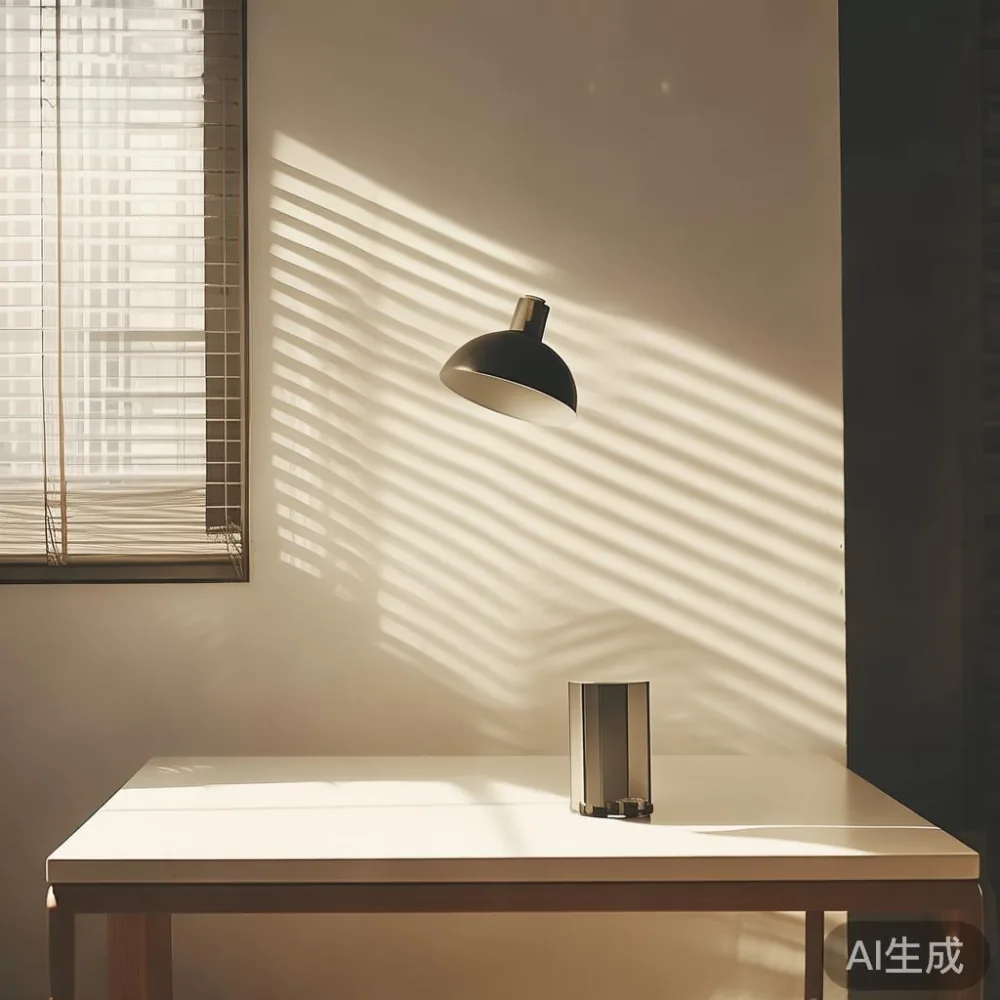
MIDHILL makes lacquered solid wood furniture for homes where proportion and durability matter. Its side table collection includes forms suited to narrow interiors, while the wider range covers a solid wood sofa, bed frame, dining table, wardrobe, nightstand, and marble table. For buyers comparing room layouts and finishes, a French provincial accent chair or a MIDHILL TV console can help establish a coordinated furnishing plan without making the living room feel crowded.
Why Does Lacquer Need Special Care in Singapore?
Singapore’s climate can be hard on lacquered wood. The island’s relative humidity often reaches 75–85% during rainy periods, and an air-conditioned room can alternate between roughly 18°C and 30°C over 24 hours. Lacquer is less permeable than unfinished wood, so it protects the substrate well; however, repeated humidity changes can still cause a lacquered side table to swell, contract, or develop fine surface marks over time.
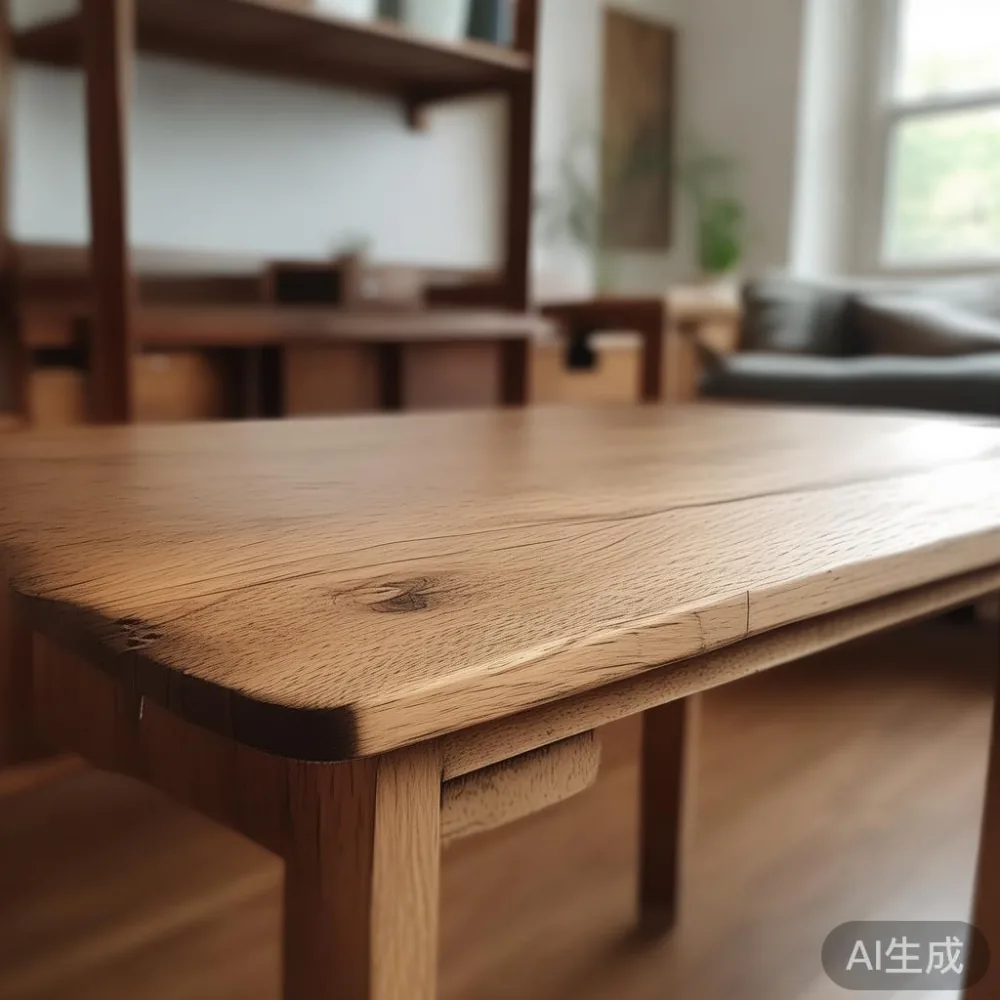
Water is the immediate enemy. A glass of ice water, a damp cloth, and a leaking plant saucer can leave cloudy rings if the liquid remains in contact with the finish. Heat is another concern. A ceramic lamp placed on a lacquered side table may cast enough heat to soften the coating locally, especially when the bulb reaches 45–50°C. Direct sunlight can fade pigment and create a visible contrast between exposed and covered areas.
Cleaning products also matter. Some household glass cleaners contain ammonia, alcohol, or abrasive particles. These may haze a lacquer finish or dull its sheen. The safest approach is mild soap, warm water, and a soft microfibre cloth, followed by careful drying. Strong acids, bleach, nail-polish remover, and coarse pads should stay away from the surface.
How should I care for a lacquered side table?
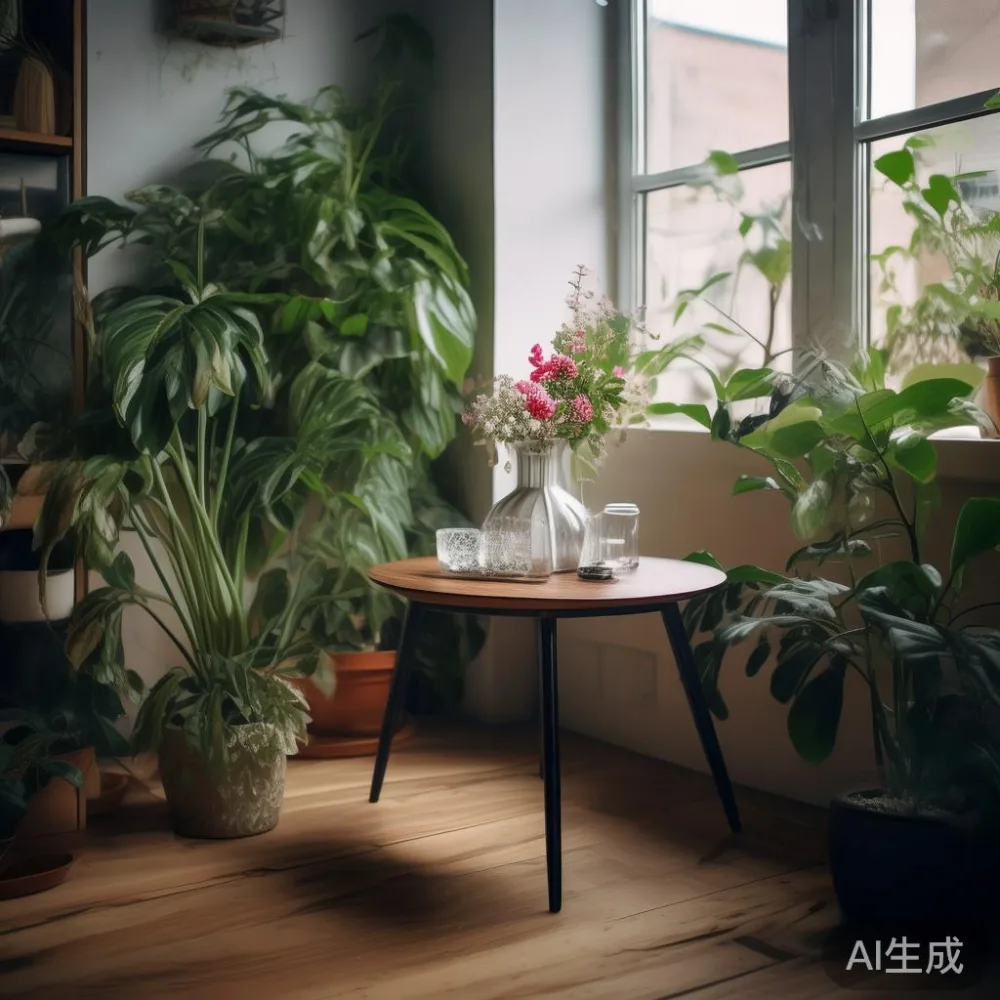
Care begins with placement. Keep the side table at least 30 cm from a window with direct sun, and maintain a gap of about 20 cm from bathroom doors or areas with heavy condensation. If possible, avoid placing it directly over an air-conditioning diffuser. Consistent room conditions help lacquer remain stable; a table moved daily between a 21°C bedroom and a 30°C balcony corridor experiences more movement than one kept in a stable location.
For routine cleaning, use 1 teaspoon of mild dish soap in a bowl containing 500 ml of lukewarm water. Dip a clean microfibre cloth into the mixture, wring it until barely damp, and wipe the lacquer in the direction of the grain. Wipe again with a second cloth moistened with plain water, then dry with a soft cotton cloth. Do not flood the joints, grooves, or underside, where moisture can collect.
Follow a weekly schedule rather than waiting for a visible stain. Dust the top with a dry microfibre cloth every 7 days. Clean the complete surface every 2–4 weeks during humid months, and every 6–8 weeks in air-conditioned interiors. Wipe spills within 5 minutes, especially oil, alcohol-based drinks, sauces, and coloured liquids.
Use a purpose-made surface coaster for cups and saucers. Choose felt or natural cork underneath rather than untreated rubber, which can leave a sticky ring. Place hot pans and appliances on a heat-resistant mat rated for at least 100°C. A side table beside a dining table should not become an improvised serving surface, even if its top appears spacious.
How do I remove fingerprints, stains, and small scratches?
Fingerprints usually disappear with the mild soapy method described above. For a stubborn mark, rub the area gently with a clean, white melamine foam pad dampened with water. Keep the movement circular but light, and test a 5 cm section for 60 seconds before treating the whole panel. Melamine foam is mildly abrasive, so excessive pressure can create a dull patch that is harder to notice than the original mark.
Scuff marks from shoes or bags respond differently. A soft artist’s eraser can lift some superficial transfer, but it must be clean and free of pigment. Always work along the grain and stop after 10 passes. For deeper scratches, inspect them under side lighting with a 10× magnifier. A scratch that remains white after cleaning may have broken through the lacquer and requires professional refinishing rather than DIY polishing.
Never sand lacquer casually. Even 320-grit paper can flatten the clear coat, and 600-grit followed by 1200-grit could still leave a patch with a different texture. The more reliable response is to contact the maker, photograph the damage under daylight, and request assessment. MIDHILL offers lifetime refinishing, which can be particularly useful when a lacquered side table has been part of a home for several years.
For stains caused by water, blot rather than scrub. Place 2 paper towels over the mark and press gently for 30 seconds. If the lacquer has hazed, clean it with the soapy solution and allow 24 hours for the finish to recover. A silicone or oil-based polish can sometimes temporarily disguise a mark, but it may collect dust around table edges and should not be applied unless the product instructions permit use on lacquer.
What should I do if condensation reaches the table?
Condensation needs both moisture control and careful drying. If a cold drink is placed on the side table, move the drink to a coaster and wipe any wet ring immediately. If an open window or air-conditioner vent causes recurrent condensation, relocate the table by at least 45 cm or use a blind behind it. Repeated wetting is more damaging than a single isolated spill.
After cleaning a damp area, leave the table uncovered and ventilated for at least 60 minutes. A fan set to low speed, placed 1 m away, can help the lacquer dry evenly. Do not place the table beside a dehumidifier’s warm air outlet, because rapid heating may create finish stress. A basic desiccant packet placed in a nearby cabinet can help in a persistently humid room, but the table itself should not be wrapped in plastic for more than 24 hours.
Check the feet and underside every 3 months. Felt pads can trap grit and moisture, while old adhesive residue may stick to a timber floor. Lift the side table instead of dragging it. If the model weighs 12–18 kg, use 2 people for larger pieces and protect the floor with a moving blanket during delivery or rotation.
How can I fit a lacquered side table into a compact HDB or condo?
Measure before choosing. For a narrow living room, consider a side table with a diameter of 35–45 cm and a height of 50–55 cm. A rectangular unit measuring 40 × 30 cm may be more practical beside a sofa in a 3.2 m-wide Tampines flat, because it can align with the sofa arm without blocking the walkway. A round side table is useful where a hinged door or sliding corridor makes sharp corners inconvenient.
Allow at least 60 cm of circulation space around a table used beside a dining table. In a lift lobby, a compact boxed side table may be easier to move than an assembled one. Check the lift’s internal dimensions and the width of the corridor from the loading area. Door and gate clearances need a few extra centimetres beyond the largest dimension of the package.
Local delivery typically takes 3–7 business days after dispatch, depending on stock and access requirements. Some larger furniture deliveries may take 7–14 days. GST is added at checkout, and shipping is free for qualifying orders above US$350, with the total shown before payment. Returns are accepted within 14 days under the stated policy, so buyers should inspect packaging and dimensions before confirming delivery.
Light-luxury styling works best when finishes are repeated carefully. A French provincial accent chair may suit a crafted room, while an American light-luxury scheme often relies on straighter profiles and restrained colour. For a bedroom, evaluating the best French provincial bed for 2026 and the best American wardrobe for 2026 can reveal whether carved forms or cleaner geometry will sit comfortably beside a lacquered side table.
How should I coordinate a side table with other furniture?
Start with proportion rather than matching every component. The side table top should be within 5–8 cm of the sofa arm or bed frame surface for visual balance, and its width should not exceed the adjacent seat’s usable width. If a lacquered side table sits beside a solid wood sofa, repeat one or two tones from the upholstery and wood, rather than placing several glossy objects together.
For a dining area, a lacquered side table can serve as a compact auxiliary surface, but keep it separate from food preparation. A round marble table already provides a reflective centrepiece; adding a highly polished side table beside it may make the arrangement feel busy. A wooden side table can bridge the dining table and a softer lounge area more naturally.
Wardrobe planning benefits from the same discipline. The guide on how to style European wardrobe in room often recommends carrying a colour or material into the bedside area. A pale oak wardrobe paired with a warm lacquered side table can look connected if the tabletop is used as the main shared feature. For a TV wall, an European light luxury TV console with slim handles and muted finishes can complement a matching side table without overwhelming a narrow HDB living room.
Other room searches reflect different priorities. The best Japandi sofa for 2026 may use low, clean forms that pair well with a compact lacquered table, while a MIDHILL TV console can share the same restrained finish. In a two-bedroom condo, a nightstand with 2 drawers may offer more practical storage than a single open side table. In a children’s room, position the piece beyond the swing path of a door and allow 20 cm of clearance for drawers to open fully.
What does a realistic long-term maintenance schedule look like?
A 10-year structural warranty addresses the stability of the furniture, while the finish still benefits from attentive care. Keep a simple record with the purchase date, finish type, and the location of the table. Check the top for colour change every 3 months and the joints for movement every 6 months. Inspect the underside after heavy rain or if the unit is moved to a balcony.
Maintain a reasonable room range where possible. A relative-humidity meter placed beside the table can reveal whether conditions remain near 45–65%. During wet periods, use blinds, run the air-conditioner in normal mode, and dry condensation promptly. Avoid a rapid change of more than 8°C within 4 hours, especially for a lacquered side table placed in a new condo before the dehumidifier is calibrated.
Use trivets, coasters, and lifting pads as a 3-part routine: protect the top, clean it gently, and inspect it regularly. If a mark appears, address it in the first 24 hours. If the lacquer is chipped or the wood beneath is exposed, stop using abrasive products and arrange professional assessment.
Last month, I visited a colleague’s three-bedroom flat in Punggol and tested a 42 cm lacquered side table beside a bed frame. The family had placed a chilled metal bottle directly on the top, leaving a ring after about 20 minutes. I cleaned it with 1 teaspoon of mild soap in 500 ml of water and a white microfibre cloth. The ring disappeared after 8 minutes of gentle wiping, and a second check 24 hours later showed no haze. The experience reinforced how much a short, practical routine can protect a frequently used finish.
Good care is not about keeping furniture unused. It is about controlling the few everyday variables that matter most: moisture, heat, abrasion, and abrupt environmental change. A well-placed lacquered side table can retain its crisp appearance through Singapore’s seasons, complement a dining table or nightstand, and remain a practical part of the home for many years.