How to Choose the Right Side Table Size for a Singapore HDB Living Room
A side table earns its place beside a sofa when its height, depth and weight suit the room rather than the product photograph. In a Singapore HDB flat, that decision is shaped by compact floor plans, glossy tiled surfaces, narrow corridors and the path between the lift lobby and the front door. A table that looks generous in a showroom can crowd a 3-room BTO or block a 4-room flat's main circulation route.
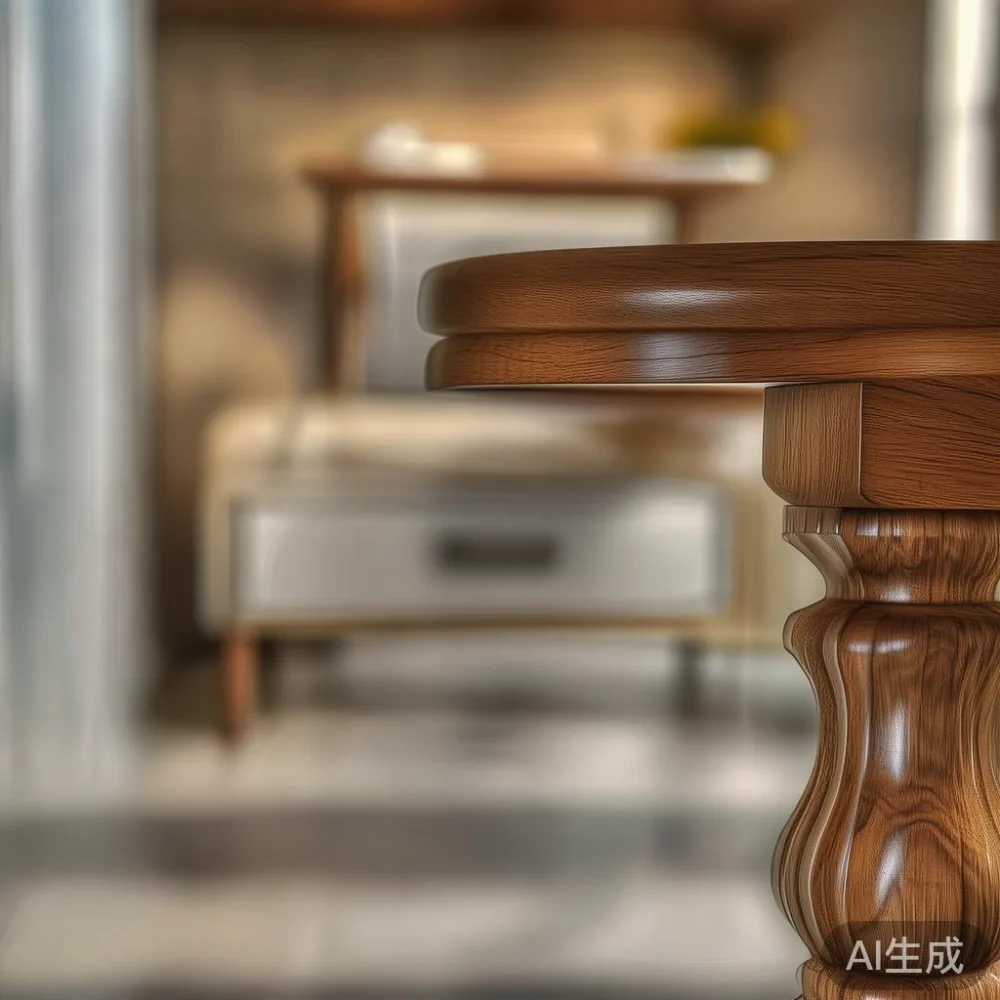
My own measurement check last month made the point clearer. I visited a family in Tampines with a 3.6 m-long sectional and a 1.1 m-wide side table they had placed beside it. The table looked attractive, but the sofa arm and table edge left only 42 cm for moving past. We replaced it with a 45 cm-wide model, and the passage became 60 cm without making the seating area feel sparse.
MIDHILL designs solid wood furniture around practical dimensions and long-term use. Its side tables are offered with a 10-year structural warranty and lifetime refinishing, while Singapore orders over S$350 qualify for free shipping. The figures below help you compare room proportions before choosing, including lift access, delivery timing, GST and returns.
What size should a side table be for an HDB living room?
For most Singapore HDB living rooms, the safest starting point is a side table measuring 40-50 cm wide, 40-50 cm deep and 50-58 cm high. Small studios may need 32-38 cm wide, while a larger 4-room or condominium living room can accommodate 55-65 cm wide. Measure the actual sofa and the wall before ordering; the nominal size of the flat is a poor guide.
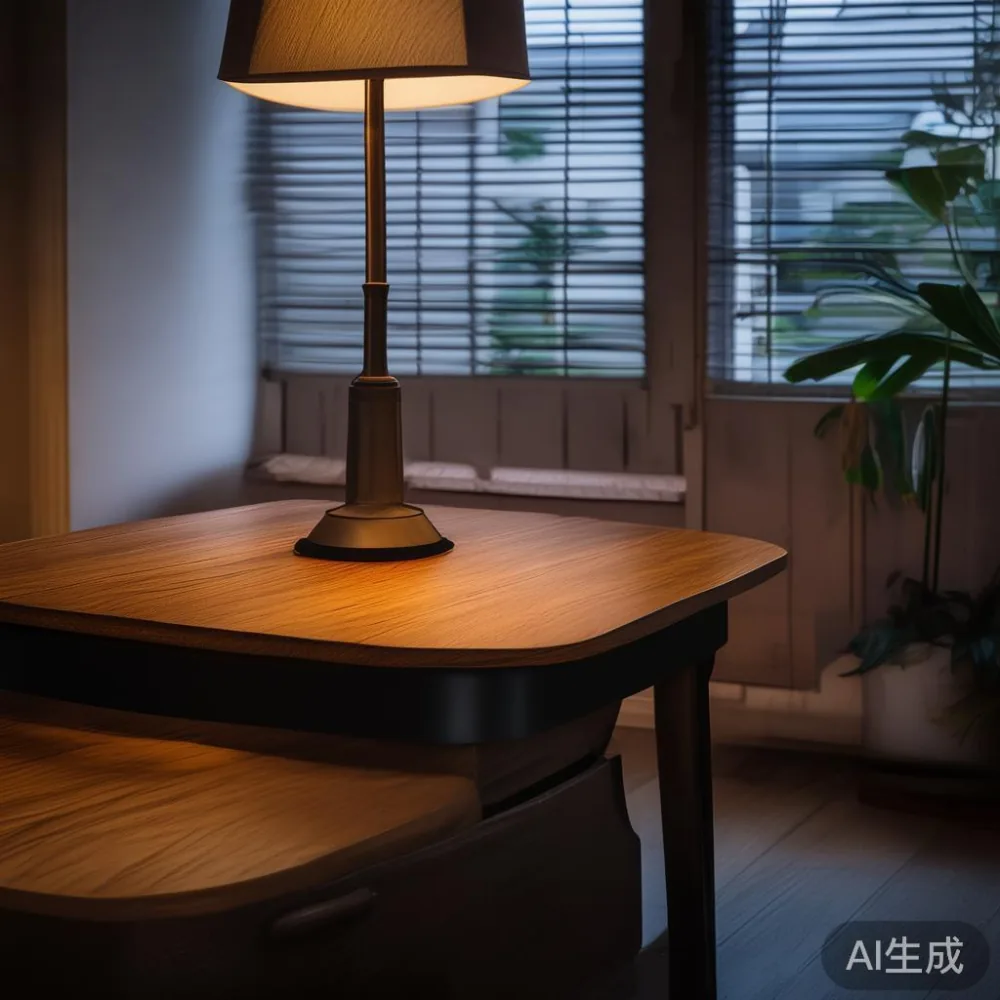
A side table beside a normal 2-3 seat sofa often works at 45-55 cm wide. The top should sit roughly level with, or 2-4 cm below, the sofa arm. You should be able to place a 30 cm-wide mug, a 16 cm-diameter saucer and a 24 cm-long phone on the surface without turning constantly. For an L-shaped sofa, choose a shallower 35-45 cm depth so the table does not project into the main walkway.
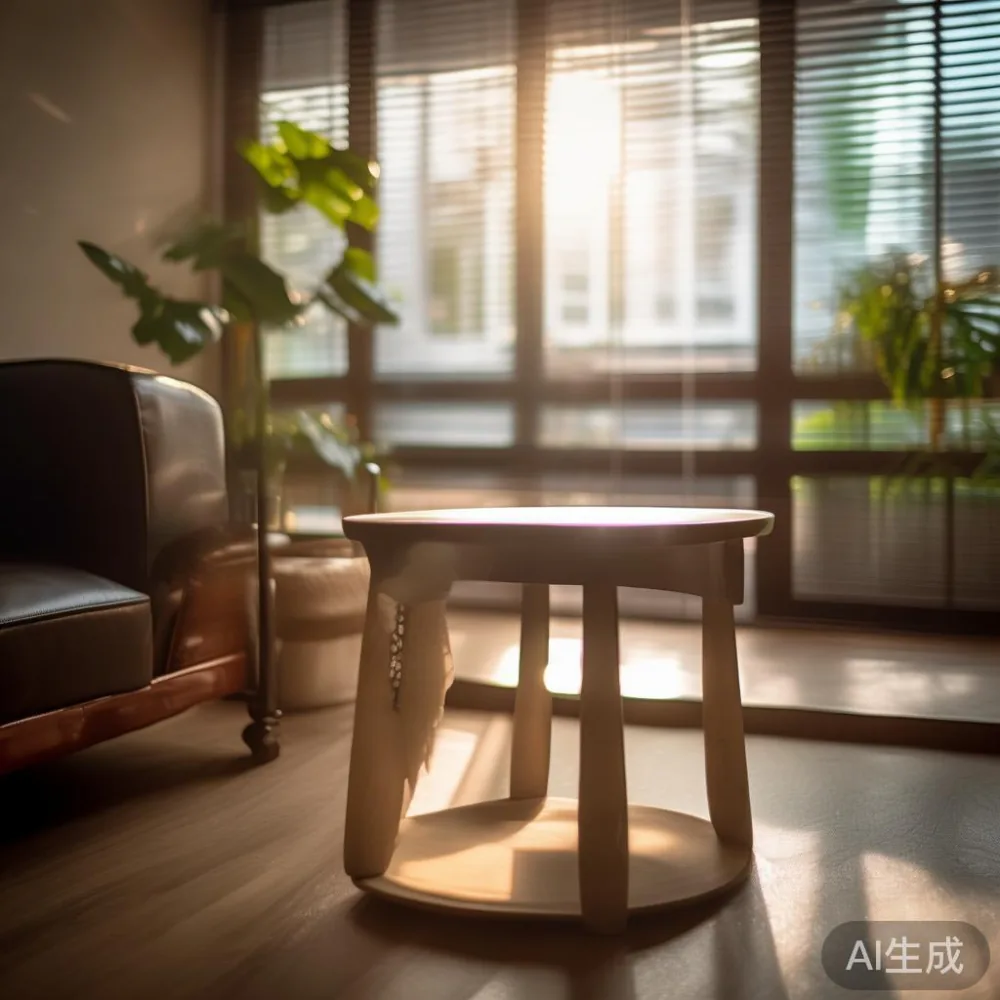
Height is less forgiving than width. A 65 cm-high side table beside a 42 cm-high sofa may create a strong visual break, but it becomes awkward for a seated drink. A 52-56 cm height usually gives a more relaxed relationship with standard HDB seating. Taller occupants can still use a lower surface, while a table below 45 cm may look more like a low stool than a practical side table.
Do not assume that “small” means one dimension. A 35 cm square table with tapered legs may preserve circulation, whereas a 55 cm-wide solid wood table with thick edges can occupy the same footprint. Ask for the exact top dimensions and the widest point, including any apron or handle projection.
How much space should remain beside the sofa?
Leave at least 40-60 cm between the side table and a wall or the sofa's opposite seat. This gap allows access, cleaning and movement around the sofa. In high-traffic HDB layouts, aim for 60-75 cm of clear circulation space in front of the table. If the table stands at the end of a sofa, a 45-50 cm side gap can prevent knees and bags from catching its corners.
Place the table on the side used most often. In a right-handed home, a table on the right can hold a remote, water glass and reading lamp within easier reach. If the sofa faces a TV wall and the table sits between the sofa and a balcony door, check the door swing and avoid a width over 50 cm.
Useful reference points include:
30-40 cm: suitable for a 32-38 cm side table beside a compact armchair or tight 3-room living room.
45-60 cm: a comfortable relationship with most 2-3 seat sofas and end tables.
60-75 cm: useful when the table must not obstruct the walkway between a dining area and balcony.
75 cm or more: often an indication that a larger accessory table or console would suit the space better.
Sketch the room on paper using a scale of 1 cm to 1 m. Draw the sofa, television console, dining chairs and side table. Add a person-sized shape, about 50 cm wide, to test the walking route. This simple exercise often reveals problems that a floor-plan square metre cannot explain.
Will the side table fit through the lift and corridor?
A 48 cm-wide table may fit your living room perfectly but fail at the lift lobby. In many HDB blocks, the internal lift car measures around 100-140 cm deep and 110-140 cm wide, with door openings near 80-100 cm. A standard passenger lift may hold a boxed side table diagonally, but turns at the lobby can reduce the usable angle.
Before purchase, record the lift door width, internal car dimensions, distance from the lift to the flat and any landing turns. The item should fit through the entrance door too. A common HDB front door offers roughly 85-90 cm of usable opening, although security gates and renovation changes can reduce this. Keep a margin of at least 5 cm rather than relying on an exact measurement.
For a wider table, ask whether it can be partly disassembled. MIDHILL's solid wood construction uses real timber rather than a fragile sheet-metal imitation, and removable legs can make transport and assembly more manageable. Confirm the packaging dimensions, combined weight and number of people required to carry it upstairs.
Typical solid wood side tables weigh about 12-22 kg. A small 38 cm model might be 9-13 kg; a broad table with a thick top could reach 24-28 kg. If the unit has no lift, the delivery crew must carry it through the block's stairs and corridor. Mention this during checkout because the normal free-shipping offer over S$350 does not automatically mean free carrying to a high floor without a lift.
Which side table works with a solid wood sofa?
A solid wood sofa, bed frame, dining table, wardrobe, nightstand or marble table creates a distinct material relationship. Oak, walnut and ash have visible grain and warm colour, so a side table with a similar or contrasting solid wood top can feel deliberate. If the sofa is upholstered in pale fabric, medium-toned timber adds warmth without making the room heavy. Darker wood can create a sharper post-modern light luxury composition.
French light luxury usually favours restrained profiles, soft upholstery, curved edges and a pale palette. A slim 42-48 cm side table with rounded corners and a light oak finish complements this treatment. Keep the top simple: one tray, one small lamp and one object create order. Excess accessories can make a 40 cm surface appear crowded.
American light luxury tends to use larger volumes, deeper upholstery and warmer woods. A 50-60 cm side table may suit a broad sofa, provided at least 60 cm remains in the path. For homes looking into how to style French sofa in bedroom or how to style American sofa in bedroom, the same balance applies: repeat one timber tone across nearby pieces and avoid matching every item exactly.
For apartment interiors, questions about how to style American sofa in apartment or how to style American sofa in bedroom often lead to the same accessory rule. Use the side table to repeat one colour from the sofa or rug, rather than adding a third competing finish. This is especially useful for HDB interiors with strong flooring and limited visual storage.
Is a square, round or narrow side table better?
A square side table suits straight sofa arms, compact corners and a grid-based HDB floor plan. Choose 40-45 cm across when the adjacent wall is close. A round side table works well beside a curved sofa and reduces the chance of a sharp corner catching a passer-by. A diameter of 40-45 cm offers useful surface space without the visual weight of a square top.
A narrow rectangular side table is useful beside a sofa with a broad chaise, where a square top would intrude into the footrest area. Dimensions around 30-35 cm wide by 50-60 cm long can provide room for a drink and book. It should still have enough weight to resist tipping; look for a stable base or a lower shelf rather than choosing the lightest option.
Coordinate shape with function. A 45 cm round table can carry a mug, remote and coaster. A 40 cm square top can fit a 15 cm speaker, 14 cm plant pot and lamp only if the lamp has a narrow base. For a small living room, the Coastal for small living room principle works well with light colours, open visual space and one woven or textured accessory. Avoid overcrowding the table with shells or pale ornaments that disappear against the floor.
Storage is another consideration. One shelf with a clear height of 12-18 cm can hold books and magazines, while a 25-30 cm cabinet can conceal cables. If you need drawers, check their extension: a 35 cm-wide body may offer only 28 cm of internal drawer width.
How should solid wood, glass and marble finishes be compared?
Solid wood is a practical choice for a side table because it absorbs knocks, can be repaired and develops character over time. Oak and ash suit bright HDB rooms, while walnut suits warm neutral schemes. Confirm the wood species and finish, including whether the surface is matte, satin or gloss. A matte finish hides small marks better and usually suits daily family use.
A marble table can add polish, but the weight of a 45 cm square marble top may be 18-25 kg. That creates a greater carrying challenge at the lift lobby and needs a stable base. Veining also becomes more prominent at close range, so pair a strongly patterned top with a simple sofa and wall colour.
Glass-topped designs appear light and reveal tiled floors beneath, but fingerprints show readily. Veneered or engineered timber can also create a convincing surface at a lower weight, though long-term refinishing options differ from solid timber. For repairability, compare the actual core, edges and underside rather than judging only by the top photograph.
MIDHILL's lifetime refinishing policy is relevant here, but confirm whether the chosen finish and table are covered for the intended use. Ask for care instructions too: dust with a soft cloth, wipe spills quickly and avoid abrasive cleaners. A side table should withstand at least 10 years of structural use in a well-ventilated Singapore home.
How much will the side table cost after GST?
A compact solid wood side table may retail around S$220-S$450 before GST, while a wider table with thick timber, a lower shelf or more detailed construction may range from S$450-S$900 before GST. At the current GST rate of 9%, a S$300 item becomes S$327, a S$500 item becomes S$545, and an S$800 item becomes S$872.
Compare price with dimensions and material, not style labels. Ask for the top thickness, timber species, drawer or shelf construction, joinery, finish and packaged dimensions. A table priced at S$399 should not be assessed solely by its walnut colour or “scandinavian” description.
Singapore delivery commonly takes 7-14 working days for in-stock pieces, while custom finishes or made-to-measure sizes may require 21-45 working days. Production schedules can add another 3-7 days during peak periods such as June, September and November. Confirm the promised dispatch date in writing.
MIDHILL offers free shipping for orders over US$350, which is converted to SGD at the checkout rate where applicable. Before payment, check the displayed Singapore price, GST treatment and delivery fee. If your side table and another small item keep the order above the threshold, the delivery charge may be lower, but grouped furniture should also arrive when someone can receive it.
The 14-day returns policy gives buyers room to assess scale and colour at home. Photograph the table and room before assembly, retain the packaging, and follow the stated return conditions. Custom sizes and altered finishes may be excluded, so approval matters.
What should you check before ordering a side table?
Use a 5-point check before paying for a side table:
1. Fit: confirm the room, lift door, lift car and flat entrance measurements.
2. Use: check that the height suits the sofa arm and the top can hold a 30 cm mug without crowding.
3>3. Clearance: leave at least 60 cm of walking space where the table faces an active route.
3. Material: verify solid wood species, top thickness, shelf load capacity and finish care.
4. Movement: ask about assembled weight, lift access, carrying charges and packaging.
5. Ownership: review the 10-year structural warranty, lifetime refinishing terms, delivery time and 14-day return conditions.
A side table for an HDB living room does not need to fill every corner. It needs to support the daily rhythm of the home without narrowing the route to the balcony, dining area or front door. For most Tampines, Bedok and Punggol flats, a 40-50 cm-wide solid wood side table at 50-56 cm high offers the most workable balance. Measure twice, compare exact dimensions, and choose a finish that complements the sofa without turning the corner into a display cluster.
For related planning, the phrase best light luxury wardrobe for 2026 may help when assessing bedroom storage, while a search for Japanese for dining room can guide table-layout ideas. Neither should distract from the side table's immediate measurements. A restrained timber design, properly scaled and placed within the actual room, will serve daily life more gracefully than a larger statement piece bought from a showroom photograph.