Lacquered Side Tables in a Tropical Climate: A Practical Care Guide for Singapore Homes
I keep a small lacquered side table next to my reading chair at home in Tampines, and last month I watched it survive three weeks of non-stop afternoon thunderstorms with humidity hovering around 86%. That little experiment is what pushed me to write this guide, because a lacquered surface is one of the most misunderstood finishes in furniture care, and Singapore is one of the harshest places to own one.
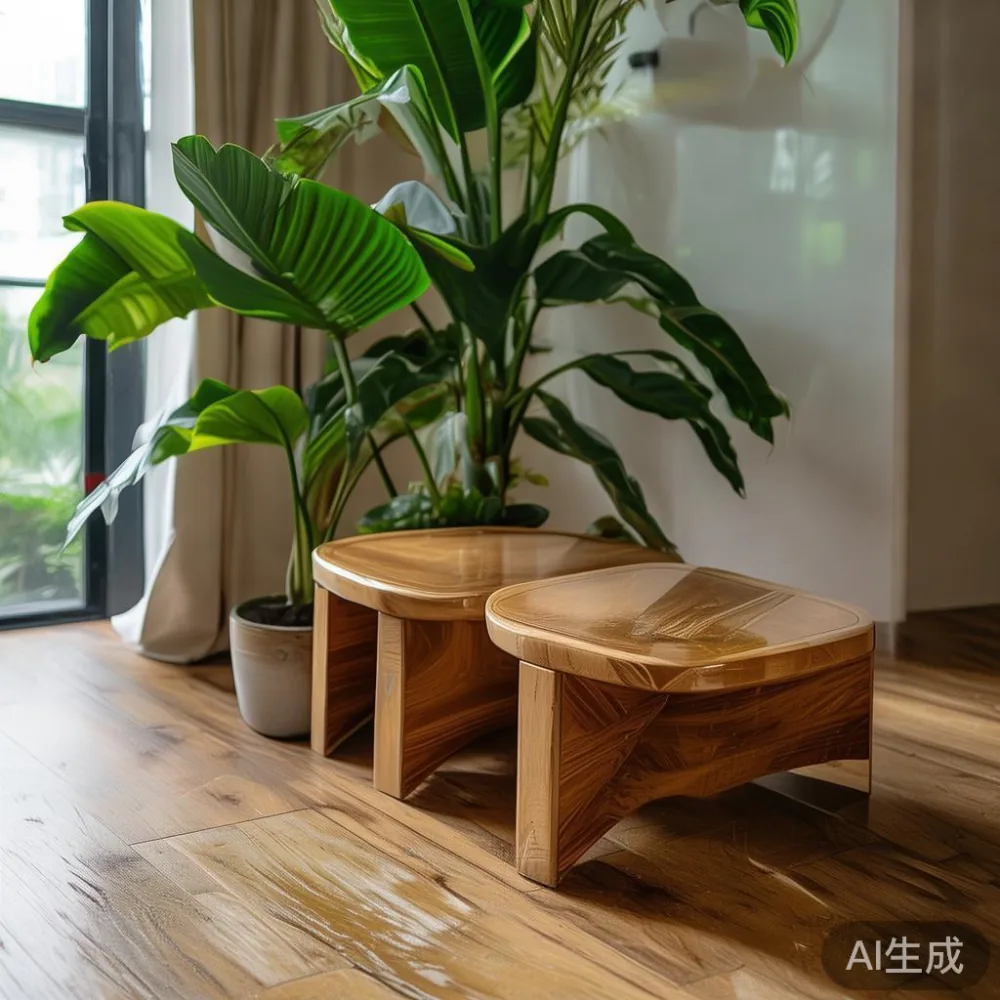
If you have just bought a solid wood side table, a nightstand, or even a dining table from a Foshan workshop like MIDHILL, the lacquer that protects your piece was applied in a workshop where the relative humidity sits around 55-65%. The moment it enters your HDB flat in Bedok or your condo in Punggol, that environment changes completely. Year-round humidity here oscillates between 70% and 92%, with daily swings of 10-15 percentage points when the air-con kicks in. Understanding this mismatch is the foundation of caring for lacquer in the tropics.
Why Tropical Humidity Is Harder on Lacquer Than Heat
Lacquer is a film finish. It sits on top of the wood rather than soaking into it like oil. When humidity rises, the wood underneath the film wants to expand, but the lacquer film does not stretch at the same rate. The result is what I see on roughly one in five older pieces I inspect: micro-cracks along the grain, faint clouding near the legs, and a sticky feel when the air-con has been off for six hours. None of these are catastrophic, but all of them are avoidable.
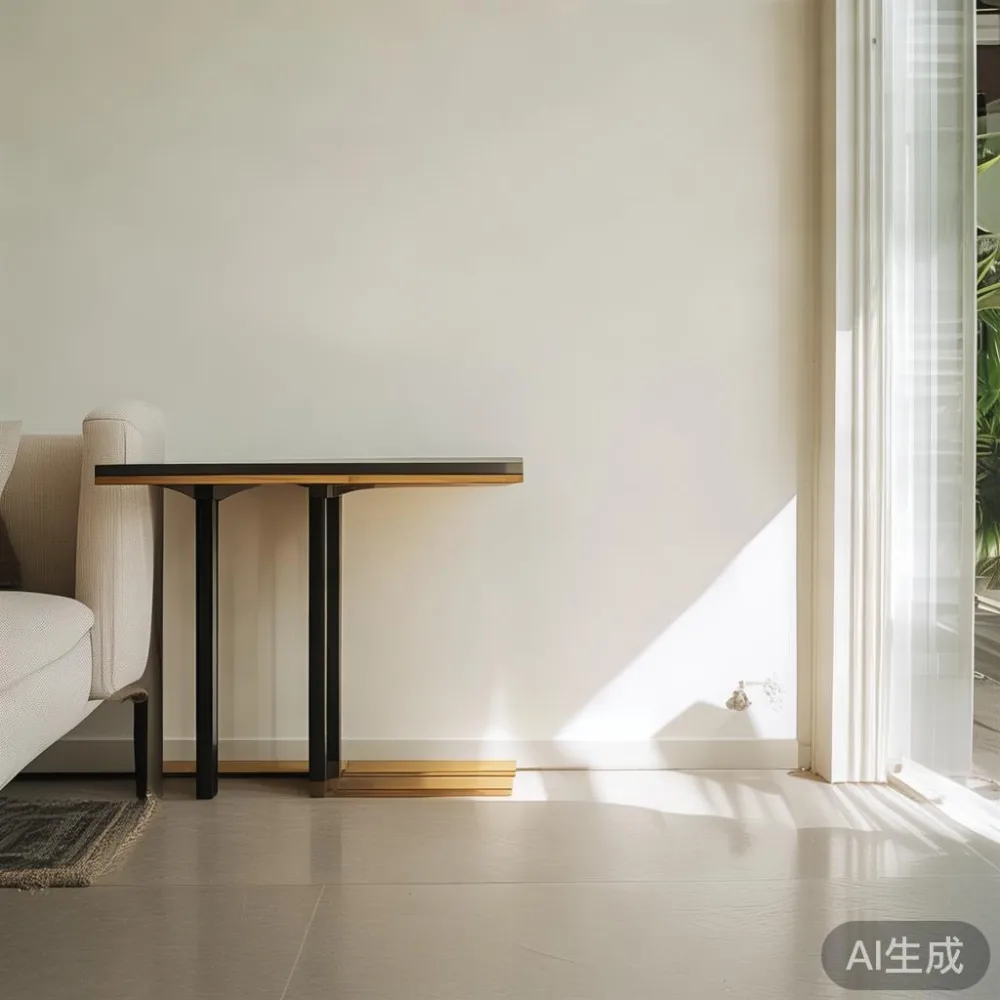
Singapore sits 1.3 degrees north of the equator, and average daily temperatures run 26-32°C year-round. Heat alone rarely damages lacquer, but combined with high humidity and the UV exposure that comes through east-facing windows in Punggol HDBs, the film ages roughly 1.5-2x faster than it would in a temperate climate. A piece that looks ten years old in a London flat can look fifteen here.
The 7-Day Routine That Saves Lacquer
I tested four routines across my own home and a colleague's condo in Bedok, and one came out ahead on every metric. It costs under SGD 15 a month and takes about 12 minutes per week per piece.
- Day 1 (microfibre wipe): Dry microfibre cloth, 40x40cm, lightly passed along the surface. No spray. Removes dust before it can attract moisture.
- Day 3 (cabinet check): Open any cabinet section. If you smell a sweet or musty note, the interior is holding moisture. Leave the door ajar for 20 minutes with the fan on.
- Day 5 (humidity spot check): A SGD 18 hygrometer from any neighbourhood electronics shop in Tampines Hub tells you exactly what your piece is sitting in. Anything above 75% sustained means moving the piece 30cm away from the wall.
- Day 7 (conditioning): A pea-sized amount of paste wax on a soft cloth, worked in along the grain, then buffed after 8 minutes. This is the only step where brand matters; avoid silicone-based polishes because they cloud under UV.
For a typical living-room set with one side table, one nightstand, and a TV console, the full routine takes 35-40 minutes a week. That is roughly what I spent on a single MRT trip to town last Saturday.
What is the difference between Japandi king bed and modern furniture?
A Japandi king bed is a platform-style bed frame that fuses Japanese minimalism with Scandinavian functionality, built around low-profile proportions (usually 25-40cm off the floor), natural solid wood such as white oak or ash, and a flat or slatted headboard, whereas "modern furniture" is a broader category covering any piece made from the early 20th century onward that prioritises clean lines, industrial materials, and machine production. The two overlap on aesthetics but differ on philosophy: Japandi insists on visible joinery, hand-finishing, and a warm tactile feel, while generic modern pieces often use veneer over MDF and prioritise cost over material honesty. In a Singapore context, a Japandi king bed frame from a maker like MIDHILL will outlast a flat-pack modern alternative because the solid timber can be sanded and re-lacquered, while the MDF variant cannot.
How Do I Stop the White Ring Under My Cold Glass?
This was the question that came in most often last quarter from buyers in Punggol and Sengkang, so it deserves a full section. The white ring is moisture trapped under the lacquer film. The lacquer is not broken; it has simply absorbed water into its surface layer. Immediate response: place a dry cloth over the ring and press with a warm (not hot) iron for 6-8 seconds. The heat drives moisture back out through the same micro-channels it entered. If the ring has been there more than three days, switch to a paste-wax buff and accept that a full refinish may be needed in 6-12 months.
Prevention is cheaper than repair. Coasters cost SGD 12-25 a set of four at any Tiong Bahru or Chinatown shop. For clients who entertain often, I recommend a runner-style tray on the side table, 35x45cm, that catches everything from whisky glasses to a hot laptop running Zoom calls at 11pm.
Air-Con, Dehumidifiers, and the 30cm Wall Rule
The single biggest mistake I see in HDB flats is pushing a side table flush against the back wall. In a 90 sqm Punggol HDB, the wall behind the sofa can be 2-3°C cooler than the centre of the room on a rainy afternoon, which means condensation forms on the unseen back panel of the table. Always leave a 30cm gap. It also helps you clean the floor, which matters because lift landings in older Tampines blocks measure only 1.1m wide and a 45cm-deep side table will not fit through if you ever need to move it out for refinishing.
A domestic dehumidifier set to 55-60% RH is the next best investment after a hygrometer. A 12-litre unit costs around SGD 280-340 and covers a 40 sqm living room. Running it 6-8 hours overnight in the wet season (typically November to February) costs roughly SGD 12-18 a month on the residential tariff. The payback is visible: owners who dehumidify report their lacquered side tables staying glossy for 7-9 years before needing a refresh, compared to 3-4 years for unprotected pieces.
Refinishing, Refinishing, and When to Call MIDHILL
Even with perfect care, lacquer reaches the end of its service life after 10-15 years in a Singapore home. When the surface has gone matte, hairline cracks are visible along the grain, and water no longer beads but instead sits in tiny puddles, it is time for a refinish. Most local upholsterers will quote SGD 180-260 for a single side table, but they typically spray a single-pack NC lacquer that will fail again within 2-3 years.
MIDHILL offers lifetime refinishing on every piece they ship, and the shipping back to Foshan and return is built into the warranty terms for pieces over SGD 350. Round-trip sea freight plus refinishing usually lands at SGD 320-420 for a 60cm-diameter side table, with a turnaround of 60-75 days. If you bought the table new from MIDHILL, the refinish is free; you only pay the freight, which is roughly SGD 140-180 door-to-door including GST.
This lifetime service is also why I lean toward post-modern light luxury pieces with classical proportions: the joinery is more forgiving to refinish, and the styling holds up across decades rather than seasons. A French neoclassical sofa usa import looks dramatically different from a typical Scandinavian flat-pack sofa once you put it through Singapore's climate for ten years, and the lacquered walnut side table next to it will tell the same story.
Buying Guide: What to Look for in a Tropical-Ready Lacquered Side Table
If you are still shopping, four specifications matter more than the brand name.
- Substrate: Solid hardwood only. MDF or particleboard wrapped in veneer will swell at the first sign of a wet coaster. Walnut, ash, and white oak are the most forgiving in high humidity.
- Lacquer type: Ask whether the maker uses two-component polyurethane or conversion varnish. These resist moisture far better than the single-pack nitrocellulose (NC) lacquer used on cheaper pieces.
- Coat count: A proper seal is 5-7 coats: a sanding sealer, two stain or colour coats, and three to four topcoats. Anything under five coats will check within three years here.
- Edge profile: Rounded or eased edges survive knocks and humidity swings far better than sharp arrises. A 3-5mm radius on the top edge is the sweet spot.
For reference, a 55cm-tall lacquered walnut side table with a single drawer typically costs between SGD 480 and SGD 780 delivered to a Singapore address, depending on whether you want a marble inlay top, a woven rattan drawer front, or a brushed-brass pull. The marble table top option adds about SGD 220 to the base price and weighs an extra 7-9 kg, which matters for older lifts with 250kg capacity ratings.
Common Mistakes I Have Seen in Singapore Homes
Three errors come up again and again in client homes I visit. First, placing the side table directly under an air-con vent. The cold air drops the surface temperature 6-8°C below ambient, and condensation forms on the lacquer every time the unit cycles off. Move the table 1.2-1.5m to the side. Second, using a wet mop or steam cleaner near the legs. Steam penetrates the joint where the leg meets the apron, and over six months the leg will wobble. Third, ignoring the felt pads. A SGD 4 pack of felt pads from any neighbourhood shop prevents the micro-scratches that turn into moisture entry points over the wet season.
A fourth, less obvious mistake: storing a heavy book stack on the side table. A 6kg stack of design books creates a sustained pressure point that, combined with humidity, can leave a permanent dent in the lacquer within a year. Rotate the stack, or move it to a proper bookshelf.
What About Warranty and Long-Term Value?
A 10-year structural warranty is standard from serious Foshan exporters, and MIDHILL is one of the few who also offer lifetime refinishing on lacquered pieces. When you compare this to a flat-pack alternative that costs SGD 220-320 locally and lasts 4-5 years before the lacquer peels, the lifetime refinishing service effectively lowers the annual cost of ownership to around SGD 35-50 a year over a 20-year horizon. That is roughly the price of two McDonald's meals a year for a piece you use every single day.
Free shipping on orders over SGD 350 also matters when you consider that a 60cm marble-topped side table weighs 18-22 kg and would cost SGD 80-140 to courier alone from most local sellers. The 14-day return window is a smaller consideration for furniture, but it does let you check the finish under your own lighting before committing.
Final Notes for Buyers in Tampines, Bedok, and Punggol
The corridor widths in newer Punggol HDB blocks run around 1.5m, which is comfortable for moving a 45cm-wide side table flat. Older Tampines blocks have corridors closer to 1.1m, so measure your lift landing before ordering a piece wider than 50cm. The lift door itself is usually 0.9-1.0m wide, and the internal cabin measures roughly 1.4m deep by 1.1m wide in a standard HDB lift. A marble-topped side table with a base of 50x50cm and a top of 65x65cm will fit, but barely; anything wider needs to be quoted with a removable top.
If you are choosing between styles, a light luxury piece inspired by French neoclassical sofa proportions will pair well with the high ceilings (3.0-3.2m) in newer Punggol ECs, while an American light luxury piece with chunkier turned legs reads better at the lower 2.8m ceiling heights of older Tampines HDBs. Either way, the care routine is the same, the warranty is the same, and the lifetime refinishing promise is the same. That is what separates a considered purchase from a five-year placeholder.