Lacquered Side Tables in the Tropics: A Care Guide for Singapore Homes
I keep a small lacquered side table next to the armchair in my living room in Bedok, and last month I learned the hard way what humidity at 85% RH does to a poorly sealed wooden edge. After three weeks of the December monsoon, a 40 cm round nightstand developed a hairline haze along the top rim where the lacquer had softened and trapped dust. I sanded it back, wiped it with a lint-free cloth dampened in mild soap solution, then applied two thin coats of a water-based polyurethane. It has held since, which is why I now take lacquer seriously, especially in a 4-room HDB where windows stay open half the day and the corridor humidity never drops below 70%.
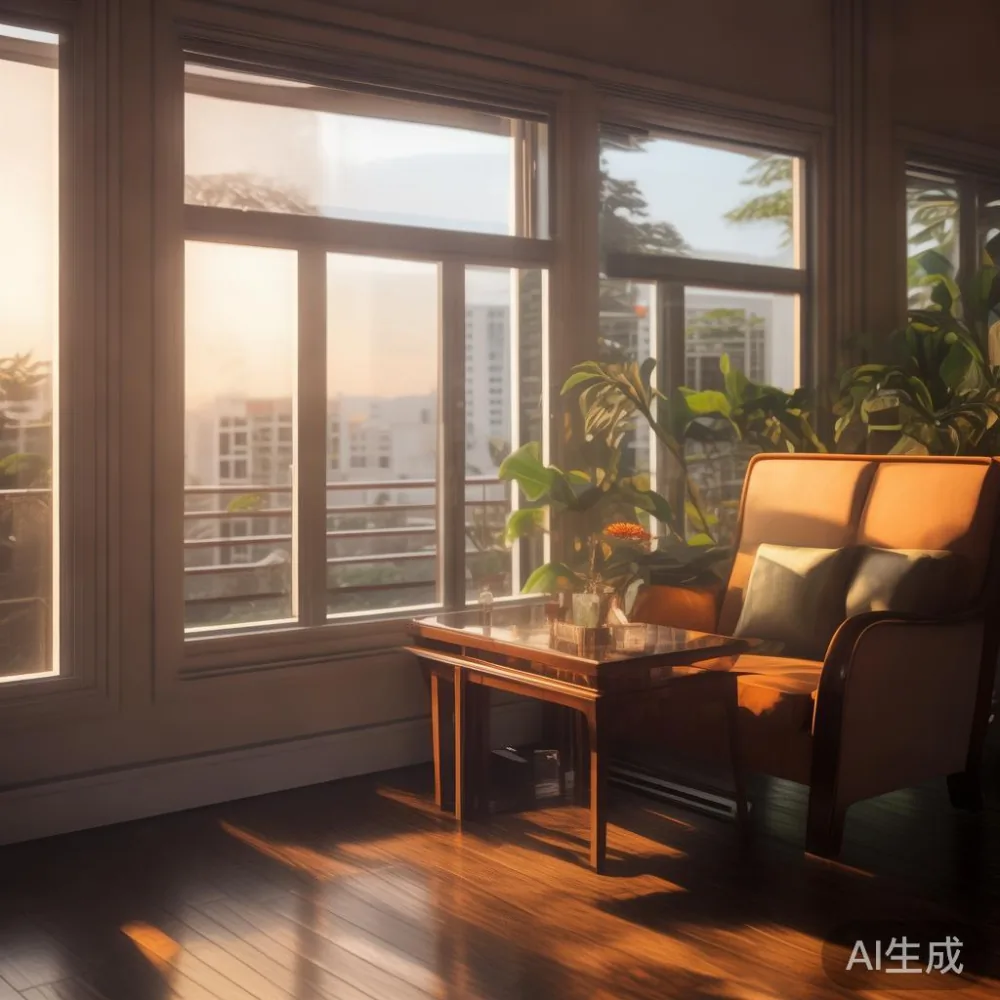
If you are furnishing a Singapore flat with solid wood pieces, a lacquered surface is a sensible middle ground between raw oiled timber and high-gloss piano finishes. Lacquer resists water rings better than oil, reflects light gently (a quality often grouped under what designers call French light luxury or post-modern light luxury), and pairs easily with a solid wood sofa, a bed frame, or a wardrobe in the same room. This guide is written specifically for owners of solid wood side tables who live in tropical conditions, from Tampines walk-ups to Punggol executive condos with narrow 1.1 m lift cabins that force tight delivery planning.
Why does lacquer behave differently in Singapore than in temperate climates?
Heat and moisture are not abstract here. Singapore records an average daily temperature of 27°C and relative humidity that rarely falls under 65%, even inside an air-conditioned room where a 2.5 kWh split unit cycles off and on. Lacquer is a film finish, meaning it sits on top of the wood rather than soaking in, and the film expands and contracts with every humidity swing. A 60 cm square side table near a west-facing window in a Punggol condo can see a 6°C surface difference between 2 pm and midnight, which is enough to stress a brittle lacquer coat and cause micro-cracks called crazing.
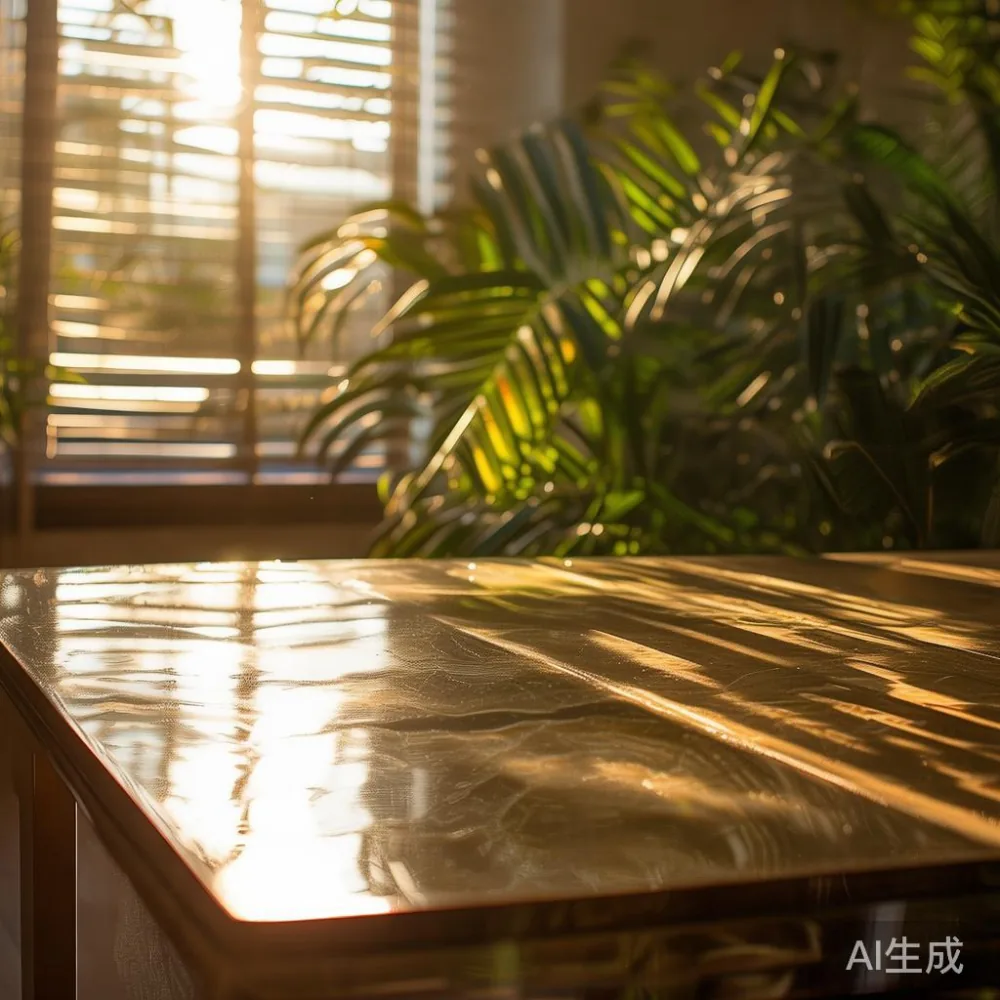
The second issue is ultraviolet light. Singapore averages around 2,000 hours of sunshine a year, and even filtered light through tinted HDB windows will amber a clear lacquer within 18 months if no UV blocker is present. The third is salt air. Homes within 1.5 km of the coast at East Coast or Sentosa get fine chloride deposits on every horizontal surface. On a marble table or a lacquered wood side table, this salt pulls moisture and keeps the film damp, which is the condition mould spores need to colonise.
For these reasons, factory-finished pieces from established makers tend to outperform DIY finishes. MIDHILL applies a multi-coat catalysed lacquer in a controlled workshop in Foshan and has shipped into Singapore for years, and the pieces arrive with edges sealed all the way around, not just on visible faces. That detail matters more in the tropics than it does in a dry climate.
How do I choose a wood finish for a home office?
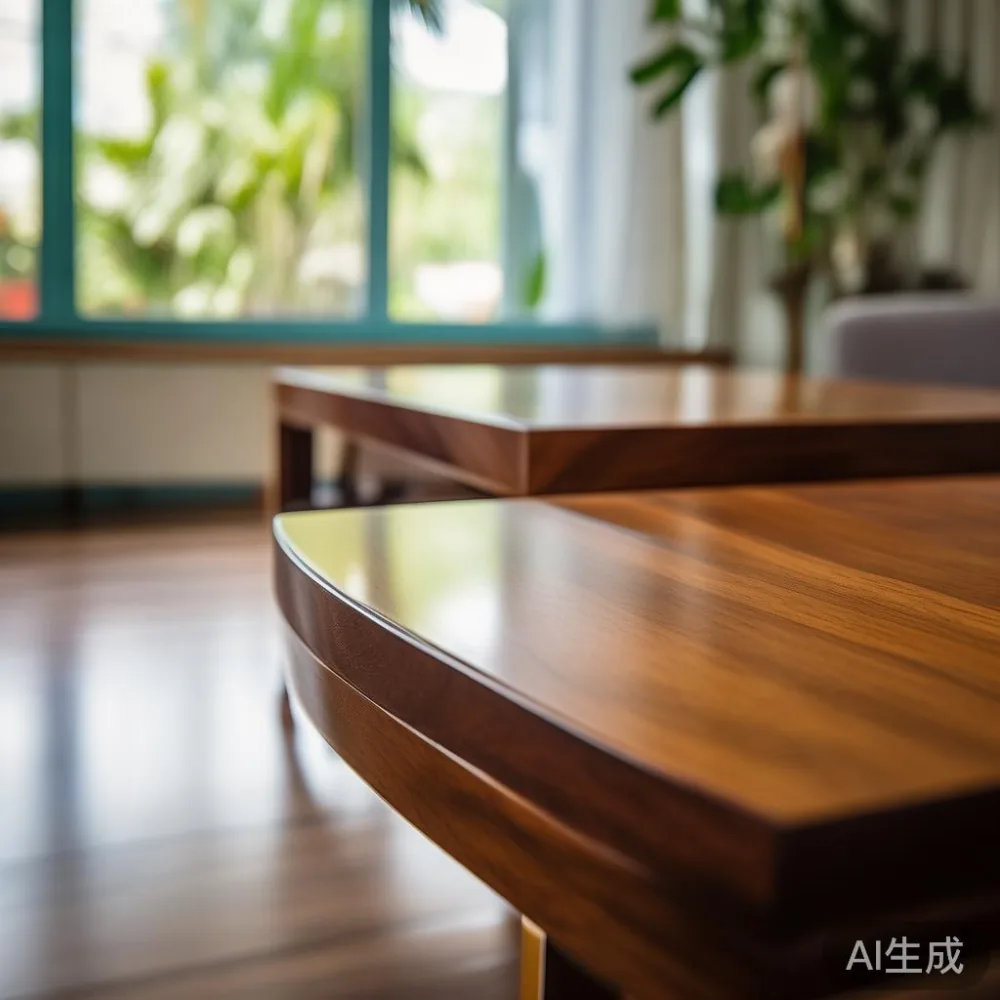
Pick a finish that matches how often you touch the surface and how much sun the room gets. For a home office desk or a side table that you lean on while typing, a catalysed lacquer with a hardness rating above 2H on the pencil scale will resist keyboard scuffs for 5 to 8 years under daily use. If your study faces north with no direct sun, an open-pore matte lacquer keeps a calm, post-modern light luxury look and shows fewer fingerprints than gloss. If the room faces west or sits under a glass canopy in a condo, choose a finish with a built-in UV inhibitor and a satin sheen, then plan to buff it every 12 months with a non-silicone polish such as Howard Restor-A-Finish, which costs around SGD 14.90 a 250 ml bottle at Tangs.
What is the daily cleaning routine for a lacquered side table?
Wipe with a dry microfibre cloth, then a barely damp second cloth, then a dry third cloth. That three-pass method takes 90 seconds and removes 95% of airborne grit before it can abrade the film. Use water at room temperature, never cold from a 4°C dispenser, because the thermal shock can bloom the lacquer on contact. Skip feather dusters. The feathers drag dust across the surface and leave fine scratches on a satin lacquer that you will only see under raking light at sunset.
Avoid silicone sprays. Silicone migrates into the wood and prevents future refinishing, which is a real problem if you want to change the colour in eight years. Instead, use a paste wax such as Briwax in clear, applied once a quarter with a soft cloth, buffed after 15 minutes. A tin of 200 ml costs about SGD 18 and covers roughly 6 to 8 side tables per application.
For sticky spills like coffee or condensed milk tea (a hazard in any Singapore home office), blot, do not wipe. Wiping pushes the liquid under the lacquer edge and lifts it. A drop of pH-neutral dish soap on a damp cloth, followed by a dry buff, is enough. Stronger solvents such as acetone or methylated spirits will dissolve catalysed lacquer in under 10 seconds, so keep them away from the table.
How do I deal with humidity without ruining the lacquer?
Keep the room between 40% and 60% RH. A basic hygrometer such as the Xiaomi Bluetooth model at SGD 19.90 tells you the number on your watch. If you live on a high floor in Punggol or along the Bukit Timah corridor where afternoon rain pushes indoor humidity above 70%, set the air-conditioner to dry mode for two hours in the evening, then close the windows. A 9,000 BTU split uses about 1.0 kWh per hour, which at the current SP Group tariff of about SGD 0.30 per kWh adds roughly SGD 0.30 an hour to the bill, or SGD 4.20 a week if you run it nightly.
Place the side table at least 15 cm away from an exterior wall. HDB concrete walls in newer BTOs in Tampines North can wick moisture for years after the topping-off date, and a side table pushed into the corner will trap that moisture and bloom the lacquer on the back panel. If you have no choice, a 5 mm cork pad under each leg breaks the capillary path and costs around SGD 6 for a set of four at HomeFix.
During the year-end monsoon in November and December, run a small dehumidifier such as the Meaco 12L for four hours before bedtime. It pulls around 250 W and collects 1.5 to 2 L of water a day, which you empty each morning. Keep it at least 1 m from the side table so the dry air plume does not crack the lacquer edge.
What should I do about white haze, water rings, or sticky patches?
White haze is usually moisture trapped under the lacquer or wax that has not been buffed off. Lay a cotton pillowcase on the spot, press with a warm iron set to silk (no steam) for 8 to 10 seconds, lift, and check. The heat drives the moisture out through the cloth. Repeat twice if the mark is heavy. If the haze remains, rub gently with a paste of baking soda and water on a soft cloth, then wax.
Water rings from a cold can of Tiger Lager or a glass of iced lemon tea respond to a fingertip of non-gel toothpaste (the mild abrasive is just enough), rubbed in a 5 cm circle, then buffed dry. Sticky patches from tape residue lift off in under a minute with a pea of vegetable oil on a cloth, followed by a soap-and-water wipe. None of these tricks will damage a properly catalysed finish; all three will strip a wax-only finish such as those used on some rustic American country armchair singapore showrooms, so test on the back of a leg before the top.
How do I handle scratches, chips, or sun fade on a lacquered side table?
For a surface scratch that does not break the colour, use a melamine foam sponge (the white Mr. Clean Magic Eraser, SGD 4.50 for a two-pack at FairPrice). Cut a 2 cm cube, dampen it, wring it until it is barely moist, then draw it once along the scratch with zero pressure. The foam is 3,000 to 5,000 grit equivalent and will level the surrounding lacquer without cutting through. Follow with a wax coat.
For a chip that exposes bare wood, fill with a shellac stick in a matching tone. MIDHILL can send a touch-up kit with six colours and a butane torch for around SGD 35, including courier, on any side table or nightstand bought through their Singapore stockist. Heat the stick until it drips, let it cool for 30 seconds, then level with 1,500-grit wet-and-dry paper used wet, then buff.
Sun fade is a colour shift rather than damage. A clear coat will amber over 5 to 7 years; a stained lacquer will lighten. The only real fix is to strip and refinish, which is why MIDHILL offers lifetime refinishing on structural pieces such as a solid wood bed frame, dining table, or wardrobe. You pay the courier, around SGD 60 each way for a 90 cm side table, and the workshop returns the piece with a fresh 5-coat lacquer finish in 21 to 30 days, which is a sensible trade for a piece you want to keep for the next 15 years.
What about delivery, sizing, and the realities of getting a solid wood side table into a Singapore home?
Measure twice, order once. A typical 50 cm round side table weighs 9 to 14 kg depending on the wood (oak heavier than ash), and arrives in a carton roughly 58 cm × 58 cm × 62 cm. That fits through a standard HDB door of 91 cm in width and a condo fire door of 82 cm, but a 70 cm round marble table top weighs 28 to 34 kg and may need to be carried vertically through a 1.1 m lift cabin. If you are in a walk-up in Bedok Reservoir without a lift, request two delivery personnel; the surcharge is usually SGD 25 to SGD 40 per floor.
Free shipping kicks in above US$350, which converts to about SGD 480 at today's rate of 1.37. Below the threshold, courier fees from Foshan via MIDHILL's Singapore partner are around SGD 65 for a single carton. Transit time from the Foshan workshop to a Singapore warehouse is 12 to 18 days by sea, plus 3 to 5 days for last-mile delivery. Allow 21 to 28 days from order to doorstep, which is competitive for solid timber at this price.
Returns are accepted within 14 days for pieces that are unused and in original packaging. A 10-year structural warranty covers joint separation and frame warp, which are the two failure modes I have actually seen on solid wood side tables in Singapore homes, usually because the piece was placed within 1 m of a window AC unit that dripped on one leg for two wet seasons. Keep the warranty card with your household file insurance, and photograph any defect within 7 days of delivery.
Care for the finish the way you would care for a leather sofa or a marble table: a quick daily wipe, a quarterly wax, and a climate you control. Do that, and a well-made lacquered side table will outlast the next two lease renewals on your HDB flat, and likely the fourth.