A Guide to Caring for Lacquered Furniture in Singapore
Living in Singapore, with its consistently high humidity and warm temperatures, presents a unique set of challenges for maintaining fine furniture. A beautifully crafted side table, with its smooth, reflective lacquered finish, can be the centrepiece of a living room or bedroom. However, the very air that makes our island lush and green can also pose a threat to that flawless surface. This guide offers practical, detailed advice on how to protect and care for your lacquered side table, ensuring its beauty endures for years to come in your HDB flat or condominium.
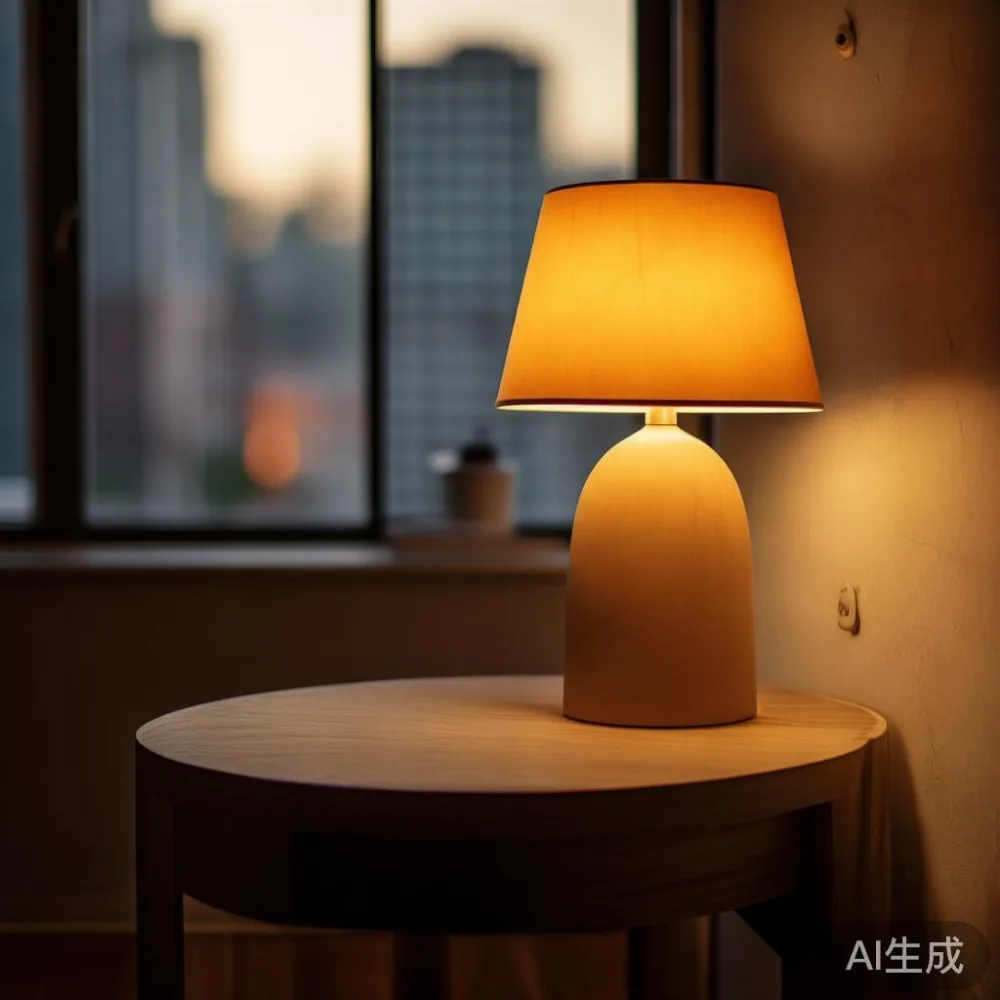
Understanding Lacquer and Why It Needs Special Care in Singapore
Lacquer is a finish applied over wood to create a hard, durable, and highly glossy surface. It is prized for its deep, mirror-like sheen and protective qualities. However, this same finish can be sensitive to environmental changes. In Singapore, the average relative humidity hovers around 80%, and temperatures often exceed 30°C. This combination can cause several issues. High humidity can lead to moisture absorption, potentially causing the wood underneath to swell and the lacquer to become soft or sticky. Conversely, sudden drops in humidity, perhaps due to air-conditioning, can cause the wood to contract, leading to cracks in the lacquer layer. Understanding these vulnerabilities is the first step in proper care.
How to Clean Your Lacquered Side Table Without Causing Damage
Regular cleaning is key, but it must be done correctly. For daily dusting, use a soft, lint-free microfiber cloth. A dry cloth is sufficient for light dust. For a slightly more thorough clean, lightly dampen the cloth with distilled water. Never use tap water, as the minerals in it can leave spots or streaks on the lacquer. Wring the cloth out thoroughly so it is only slightly damp, not wet. Always wipe in the direction of the wood grain if it is visible beneath the lacquer. For stubborn smudges or fingerprints, a drop of mild, pH-neutral dish soap mixed with distilled water can be used. Apply the solution to the cloth, not directly onto the table, and wipe gently. Immediately follow with a clean, damp cloth to remove any soap residue, and finish with a dry cloth to prevent water spots. This method, costing less than SGD 10 for a good quality microfiber cloth and a bottle of distilled water, is effective for maintaining a clean surface.
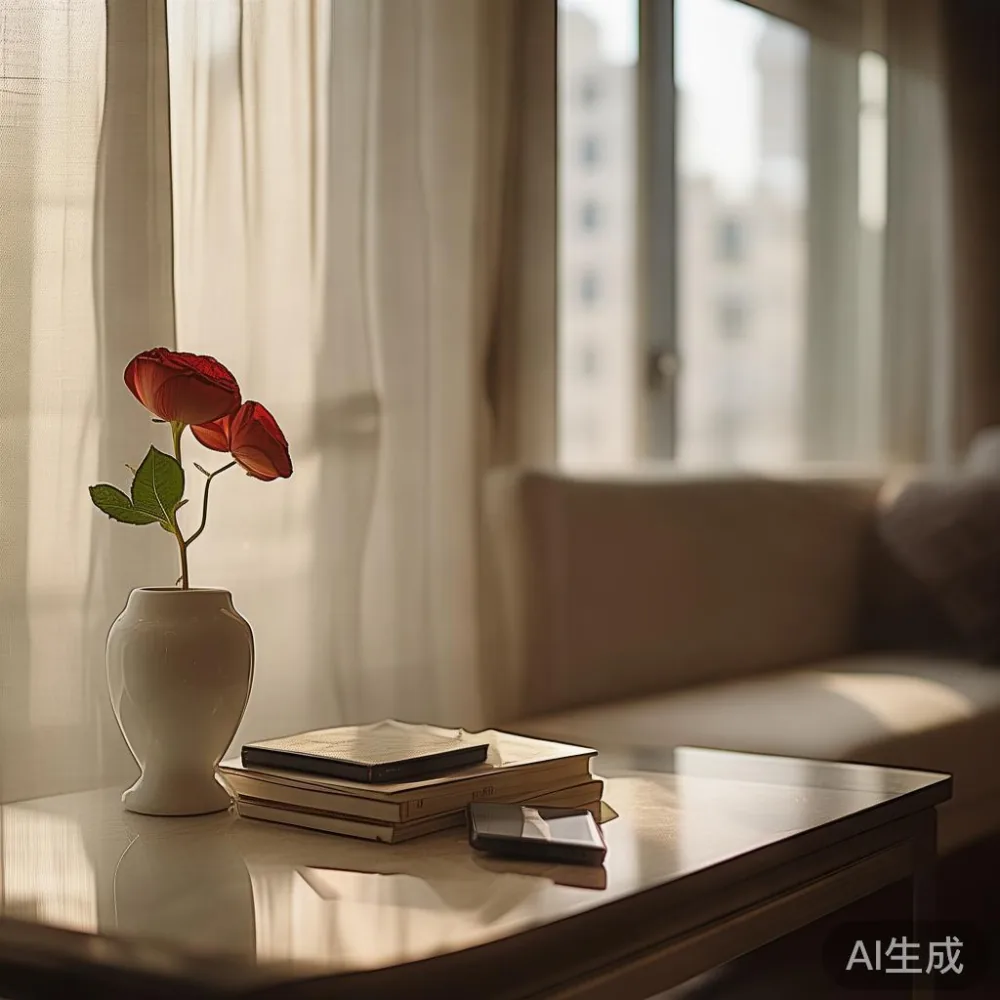
Is It Safe to Place Hot Drinks or Direct Sunlight on My Lacquered Side Table?
This is a common question, and the answer is a firm no. The heat from a mug or cup can create a white ring or a permanent stain by softening the lacquer and allowing it to stick to the hot surface. Always use a coaster. A good coaster should be made from a material that does not trap moisture, such as cork, stone, or felt with a moisture barrier. A set of four quality coasters typically costs between SGD 20 and SGD 50. Similarly, direct sunlight is the enemy of lacquer. The ultraviolet rays can cause the finish to fade, turning a rich, dark colour into a dull, washed-out version of itself over time. In Singapore HDB flats and condos, this is a significant concern. For instance, a side table placed near a west-facing window in a Tampines or Bedok apartment will receive intense afternoon sun. Position your table away from direct sunlight or use UV-protective window film, which can be installed for approximately SGD 80 to SGD 150 per window, to filter out harmful rays.
Preventative Measures: Placement and Usage in Your Singapore Home
Where you place your side table is as important as how you clean it. Consider the environment of your space. In a condominium in Punggol, where floor-to-ceiling windows are common, the temptation to place furniture near the light is strong. Resist it. A good rule of thumb is to keep your side table at least 1.5 metres away from any heat source, including air-conditioning vents. The constant, direct flow of cold air can dry out the wood and lacquer, leading to cracking. Also, be mindful of placement in high-traffic areas. The narrow lift and corridor widths in many older HDB blocks mean that furniture can be bumped and scraped. Ensure your side table is in a stable position where it is less likely to be knocked over. When moving the table, always lift it. Never drag it, as this can scratch the floor and the table's base. A solid wood side table from a maker like MIDHILL can weigh between 8 kg and 15 kg, so lifting it with care is necessary.
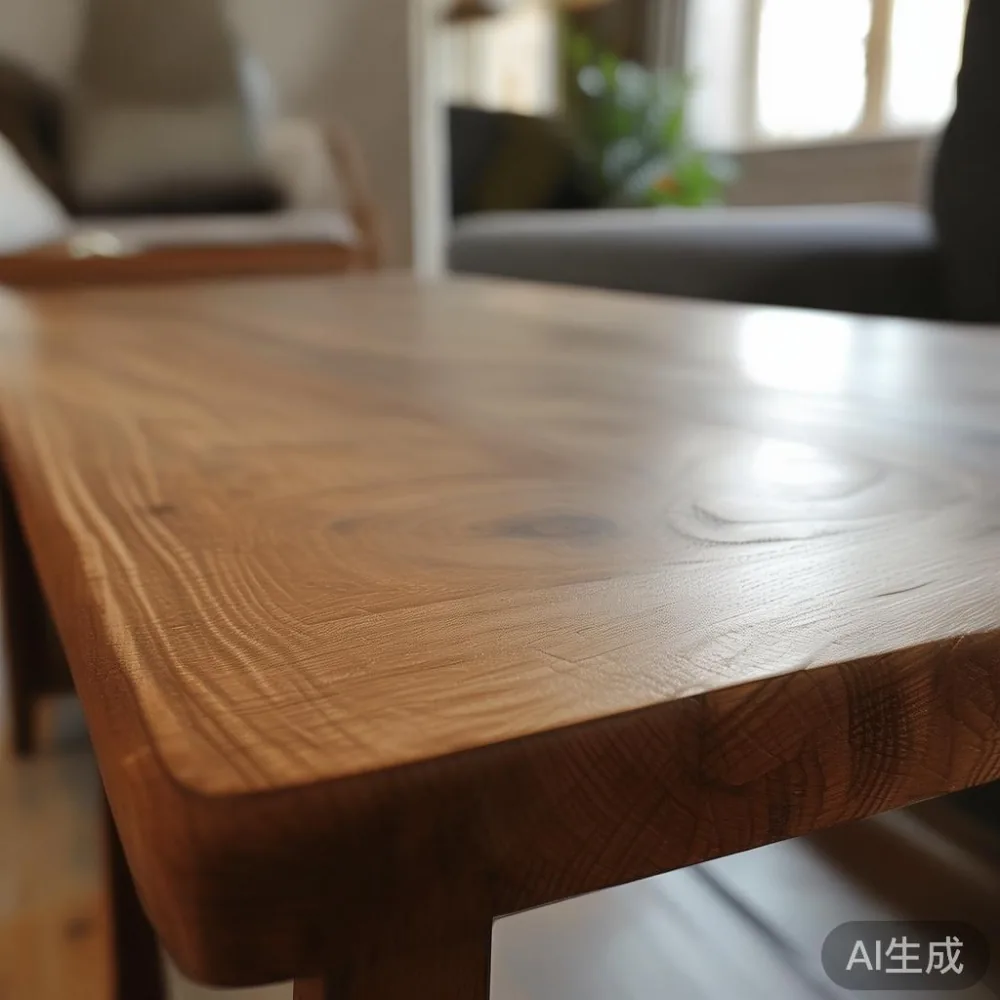
Addressing Common Problems: Stains, Discolouration, and Minor Damage
Despite your best efforts, accidents can happen. For water rings, act quickly. If the ring is still wet, blot it immediately with a dry cloth. If it has dried, try applying a small amount of non-gel toothpaste to a soft cloth and gently rubbing the spot in a circular motion. Wipe clean with a damp cloth. For stubborn stains, a specialized furniture polish or a product designed for lacquer may be necessary. Always test any new product on an inconspicuous area, like the underside of the table, first. For minor scratches, a high-quality scratch cover marker, available at hardware stores for around SGD 15, can be used to fill in the scratch and blend with the surrounding colour. For more significant damage, such as deep scratches or chips, professional refinishing is the best option. Many reputable furniture services in Singapore offer this, with costs starting from SGD 200 depending on the extent of the work. A colleague of mine recently had a beloved nightstand refinished after a deep scratch, and the result was indistinguishable from the original.
The Long-Term View: Protecting Your Investment for Decades
Caring for a lacquered side table is not just about maintaining its appearance; it's about protecting a valuable investment. A well-made piece of furniture should last a lifetime. This philosophy is shared by brands that focus on quality, such as those offering the top 10 French provincial furniture collections or the best American bed for 2026, which are built to be cherished for generations. The same applies to your side table. Regular, gentle care prevents the need for expensive repairs or replacement. Think of it as a form of preservation. By controlling the environment, cleaning properly, and using preventative measures, you are actively ensuring that your side table remains a beautiful and functional part of your home for 10, 20, or even 30 years. This long-term perspective is what separates a simple piece of furniture from a family heirloom.
What About Polishing and Waxing? Do I Need to Do This?
This is another excellent question. The answer depends on the type of lacquer. Most modern lacquered finishes are very durable and do not require regular polishing or waxing. In fact, applying wax or polish can sometimes create a cloudy, sticky film that ruins the finish. The best rule is to follow the manufacturer's advice. If you are unsure, it is safer to avoid it. If your table has an older lacquer finish that has become dull, a specialized lacquer polish might be appropriate. However, for the vast majority of contemporary pieces, including the minimalist designs popular for guest rooms, a simple microfiber dusting is all that is needed to maintain the shine. Over-polishing can build up layers of product that are difficult to remove and may attract more dust. The goal is to clean, not to add layers.
Choosing a Side Table That's Built for Singapore's Climate
If you are in the market for a new side table, consider the construction and finish. A solid wood frame is more stable than a veneered one, as it is less prone to warping with humidity changes. The lacquer finish itself should be of high quality. Some manufacturers apply multiple layers of lacquer, which provides superior protection against moisture and heat. When selecting furniture, whether it's a nightstand, a marble table, or a larger piece like a solid wood sofa, it is wise to choose from brands that stand behind their products. A 10-year structural warranty, for example, offers significant peace of mind, indicating the manufacturer's confidence in their craftsmanship. This level of assurance is found in companies like MIDHILL, which has been producing furniture since 2008 and understands the demands of different environments, from the humid conditions of Southeast Asia to the drier climates of Europe.
The world of interior design offers many styles that incorporate beautifully finished side tables. You might be drawn to the clean lines of a post-modern light luxury nightstand, the understated elegance of a Japandi-inspired piece, or the ornate details of a French provincial design. Similarly, when selecting a wardrobe, the best Italian light luxury wardrobe for 2026 often features a flawless lacquer finish that requires the same meticulous care. The key is to appreciate the beauty of the finish while understanding the practical steps needed to preserve it. By following these guidelines, you can enjoy the reflective beauty of your lacquered side table, confident that it will remain a stunning feature of your Singapore home for years to come, regardless of the weather outside.