Veneer or Solid Wood? A 5-Year Cost Comparison for Your Side Table
A side table earns its place beside a sofa, bed frame, dining table, wardrobe, or nightstand, but choosing its material is rarely just a visual decision. In a compact Singapore home, the price, weight, maintenance, and replacement cycle all matter. A 60 cm veneer side table may suit a Tampines HDB flat where the lift is narrow and the corridor turns sharply. A 55 cm solid wood side table may feel more substantial in a Punggol condo, yet it can also be heavier and more expensive to move.

This comparison examines the likely 5-year costs of two typical side tables: one made from veneered engineered wood and one made from solid timber. Figures use Singapore dollars and include GST where appropriate. The aim is not to identify a universally superior material, but to calculate what each option may actually cost over 1,825 days.
What are the real 5-year costs of veneer and solid wood?
For this exercise, assume a rectangular side table measuring 60 × 40 × 55 cm, with one drawer and two open shelves. The veneer example is priced at SGD 220 before GST, while the solid hardwood version is priced at SGD 460 before GST. At the prevailing 9% GST, those become SGD 239.80 and SGD 501.40 respectively.
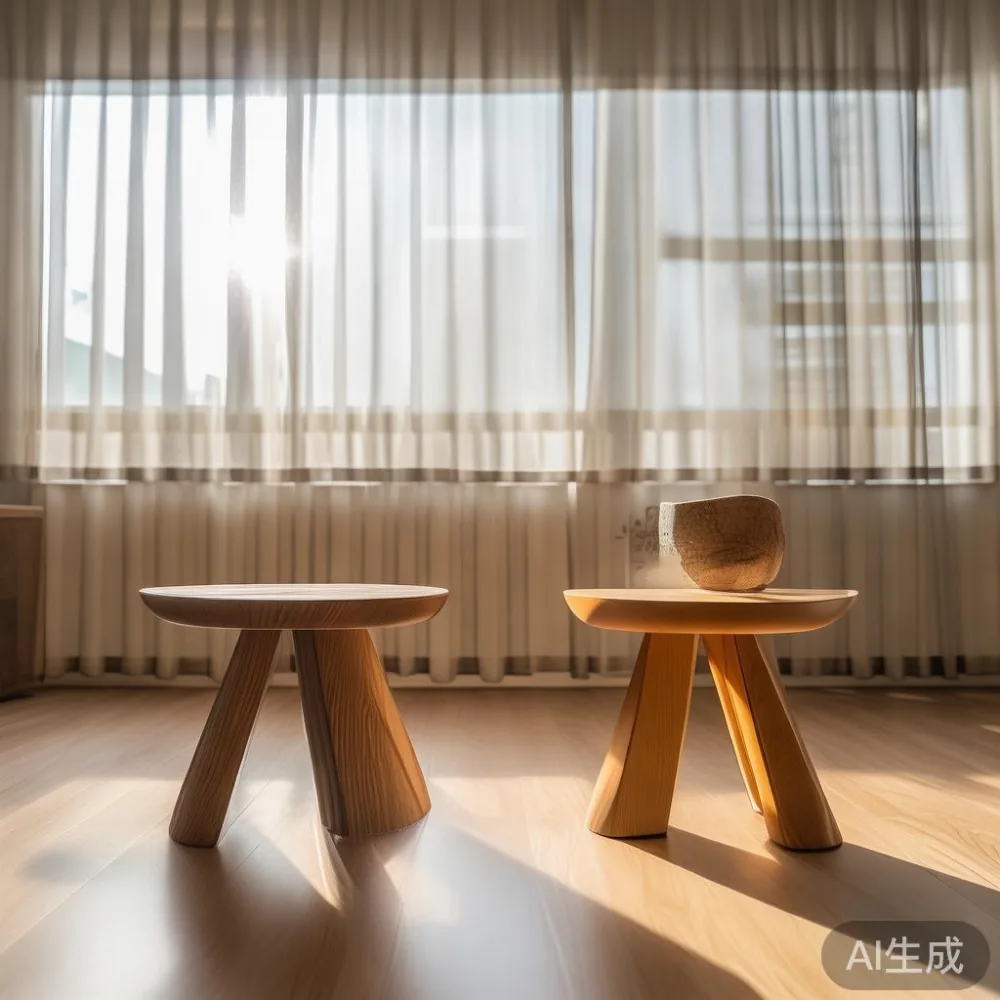
The initial difference is therefore SGD 261.60. Over 5 years, that price gap is SGD 52.32 per year, or about SGD 0.14 per day. Those figures are useful, but they omit the factors that often influence the decision in Singapore: humidity, cleaning, scratches, moving charges, and the possibility of selling or replacing the table.
We also assume delivery is free for either order above US$350, equivalent to roughly SGD 470. Because both sample tables fall below that threshold, each buyer may pay a delivery charge of about SGD 35. A second trip to a Bedok block or a Punggol tower could add SGD 25–SGD 45 in lift or carrying surcharges, depending on access.
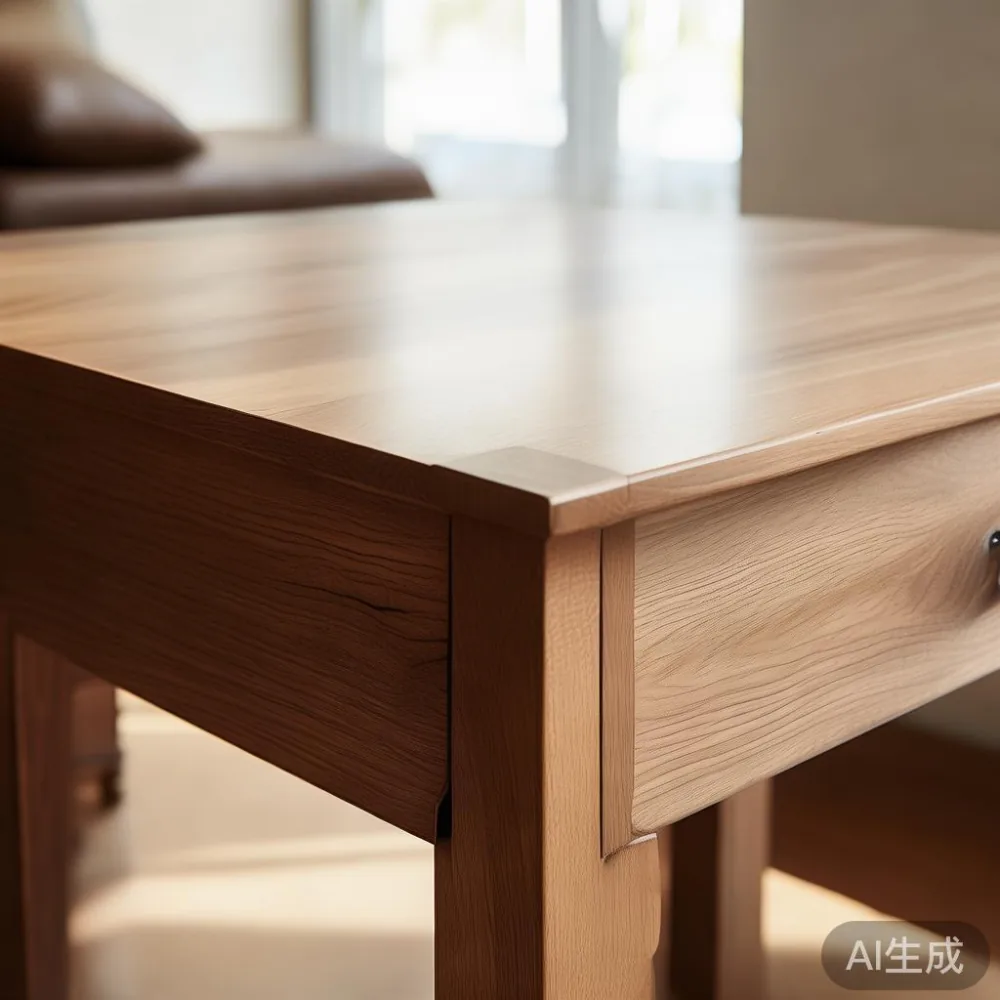
Solid wood generally requires more care around moisture, while good veneer can perform consistently if its substrate and finish are sound. Neither material should be treated as maintenance-free. Spills should be wiped within 10 minutes, coasters should be used, and abrasive pads should be kept away from both surfaces.
How do purchase price and ownership costs compare?
Here is a practical 5-year budget for each table, using the assumptions above:
Veneer side table
Product and GST: SGD 239.80
Delivery: SGD 35.00
Protective pads and coasters: SGD 18.00
One professional clean in year 3: SGD 25.00
Possible repair or drawer adjustment in year 4: SGD 20.00
Estimated total: SGD 337.80
Solid wood side table
Product and GST: SGD 501.40
Delivery: SGD 35.00
Protective pads and coasters: SGD 18.00
One professional clean in year 3: SGD 35.00
Minor sanding and refinishing in year 4: SGD 70.00
Estimated total: SGD 659.40
The solid wood table costs an estimated SGD 321.60 more over 5 years. If it retains 45% of its resale value and the veneer table retains 15%, that residual value narrows the net cost difference. The solid table's net ownership cost becomes approximately SGD 433.83, compared with SGD 287.13 for veneer. The difference falls to about SGD 146.70.
Resale estimates are only planning assumptions, not guaranteed offers. A used solid wood side table can still be affected by dents, drawer movement, visible scratches, and changes in taste. Veneer often has less resale value because buyers cannot easily inspect the internal timber or confirm how the surface will age.
For a buyer expecting to keep the same table for 10 years, the gap becomes less important because the solid wood unit can be refinished. MIDHILL offers lifetime refinishing on its qualifying solid wood furniture, which can reduce long-term surface-replacement costs. That service does not erase every form of damage, but it changes how wear is handled.
How does Singapore humidity affect each side table?
Singapore's warm, humid climate is one of the most important variables. Outdoor relative humidity may range from roughly 65% to 90%, while air-conditioned interiors often sit between 40% and 60%. A solid wood side table can move slightly as timber responds to moisture, so its drawer should not be forced if seasonal movement has affected the fit. Good workshop adjustment can usually resolve minor alignment changes.
Veneer behaves differently. A thin wood leaf is bonded to an engineered substrate, giving the finished side table a consistent profile across its 60 cm width. This can be advantageous in an HDB bedroom where a narrow 80 cm corridor leaves little room for uneven movement. However, if moisture reaches the edges or the bonding fails, veneer may lift or chip. Quality control matters more than the word “veneer” itself.
Last month, I visited a colleague's 3-room Tampines HDB flat and handled two 55 cm side tables she had moved from her previous home. The veneered table weighed 12 kg and had survived the move with one scuff. The solid wood table weighed 21 kg, and one corner had taken a dent during a 4 cm doorway turn. Her conclusion was not that solid wood was weaker; the heavier unit had simply absorbed more impact during transport.
That observation is useful when comparing household move costs. A light 12 kg side table may fit in a standard car boot without a van, whereas a 21 kg table may require a larger vehicle. A local mover charging SGD 45 for the first item and SGD 15 for each additional item could therefore save SGD 15–SGD 30 with the veneer table.
Neither option should stand beside an open bathroom door or directly against a sunlit window. Keep the table at least 30 cm from a wet area, maintain indoor humidity below roughly 65% where possible, and use felt pads beneath the legs.
What maintenance will each material need?
Both options need weekly dusting and immediate spill removal. Veneer usually needs less attention to the underlying material, but the finish can still scratch. A microfibre cloth, mild soap, and a damp cloth are usually enough. Avoid silicone-heavy cleaners, which can leave a patchy film.
Solid wood can show the texture of repair more clearly. Small marks may be treated with a wax stick, while deeper scratches may require sanding and refinishing. Budget about SGD 50–SGD 90 for a local professional to restore a visible section, depending on the species and finish.
French provincial dining table buyers often appreciate hand-finished timber because small variations are accepted as part of its character. The same tolerance for natural variation is useful on a solid wood nightstand or side table. If a perfectly uniform, factory-identical surface is the priority, a well-made veneer may be easier to live with.
Light-luxury positioning also affects maintenance perception. A marble table has a different cleaning routine, while a solid wood sofa or bed frame introduces fabric and frame care into the room. The side table remains the small piece that people touch most often: a remote-control shelf, a cup, a book, and occasionally a damp hand.
Choose coasters rather than decorative mats that trap moisture. Replace felt pads every 12–18 months. Do not use ammonia or concentrated alcohol on an unknown finish, and test any cleaner on a 5 cm concealed area first.
Which side table works better in HDB flats and condos?
In older Tampines or Bedok blocks, a compact side table can improve a tight living room without narrowing the main circulation route. A 40–45 cm width is comfortable beside a 90–110 cm sofa. For a Punggol condo with a wider corridor, a 50–60 cm table can create a more deliberate composition beside a solid wood sofa or European-style seating.
Many HDB lift openings measure around 90 cm, but internal dimensions and turning clearances vary by block. A table delivered in a protective carton must not be confused with the dimensions it occupies after unpacking. Ask for packed dimensions when ordering, and remove the table from the carton before the delivery team enters the lift if space is tight.
Weight remains relevant. A veneer side table at 12–14 kg is easier for one person to carry from the loading area. A solid wood side table at 18–24 kg may need two people, especially above the fifth floor. If stairs rather than a lift are involved, a carry fee of SGD 40–SGD 80 is realistic.
French light luxury often uses pale woods, restrained profiles, and slender details. A solid wood side table with a 5 cm top and tapered legs can suit that style without occupying much visual space. American light luxury, by contrast, often favours deeper, warmer finishes. Post-modern light luxury can pair clean geometry with warmer timber tones.
For a narrow room, choose depth before adding ornament. A 40 cm-deep side table offers enough shelf space for books and a cup while leaving 70–80 cm of walking room beside a sofa. Avoid placing it where it projects more than 15 cm into a busy corridor.
How much should you pay beyond the catalogue price?
Compare the complete delivered price, not just the item price. GST adds 9% to both categories, while delivery may add SGD 35. Protection, installation, and moving costs can add another SGD 20–SGD 100 depending on the building.
A buyer researching where to buy coffee table from MIDHILL should compare the construction of the larger coffee table with the side table specification. A layered drawer, solid timber rails, and a stable joinery method matter more than a broad product label. The same standard should be applied to a French provincial dining table, a Japanese sofa vs Nordic sofa comparison, or a search for the best Modern wardrobe for 2026: materials and construction should be checked at the level of the individual piece.
MIDHILL has manufactured solid wood furniture since 2008 and exports to more than 15 countries. Its 10-year structural warranty provides useful information for a buyer comparing joinery and load expectations. MIDHILL also provides a 14-day return window, free shipping above US$350, and lifetime refinishing for qualifying solid wood products.
These policies should be compared with their practical value. A 10-year structural warranty is relevant to drawer rails and frame stability, not to every scratch. Lifetime refinishing is meaningful for a solid wood side table, but veneer may offer a more predictable appearance if the surface is damaged beyond repair. Review the written terms before ordering.
European sofa vs Mid-century modern sofa discussions often focus on silhouette, but the same budget discipline applies to tables. A post-modern interior can combine a solid wood sofa with a warmer timber side table, while a minimalist room may use a pale veneer finish to reduce visual weight.
Which option gives you the better 5-year value?
The veneer side table wins when the priority is a lower initial outlay, easier handling, and a consistent appearance in a compact flat. In the sample budget, it costs about SGD 337.80 over 5 years before resale value, with delivery included. Its main risks are edge lifting, chips, and limited repair options if the substrate is exposed.
The solid wood side table makes more sense when it will remain in the home for 8–15 years, its weight and grain are appreciated, and refinishing is part of the ownership plan. Its estimated 5-year cost is SGD 659.40, but stronger residual value and repairability can narrow the net difference to around SGD 146.70.
Do not buy on price alone, either. Request a construction sample, check the drawer movement, compare packed dimensions, and confirm the warranty documents. For a side table, a 2–3 cm discrepancy in clearance or a drawer that catches can matter more than a modest finish difference.
The sensible answer is often practical rather than absolute. Choose veneer for the first flat, a lighter move, and a controlled budget. Choose solid wood for a long-term home, tactile grain, and the ability to renew the surface. In either case, measure the lift, route, sofa clearance, and daily use before the order reaches www.midhill.co.