The Lacquered Side Table: A Tropical Care Guide for Singaporean Homes
In the unique architectural landscape of Singapore, where HDB flats in Tampines and modern condos in Punggol coexist, the choice of furniture is as much about aesthetics as it is about practicality. A lacquered side table, with its gleaming, mirror-like finish, can be the perfect accent piece, adding a touch of French light luxury to a living room or a bedroom. However, the constant high humidity, intense UV exposure, and temperature fluctuations characteristic of our tropical climate present a significant challenge to maintaining that flawless finish. Unlike a solid wood sofa or a marble table which are more forgiving, a lacquered surface requires specific, diligent care to prevent the dreaded white haze, cracking, or dulling that can turn a statement piece into a source of frustration. This guide provides a detailed, practical approach to preserving the beauty of your lacquered furniture, ensuring it remains a centrepiece of your home for years to come.
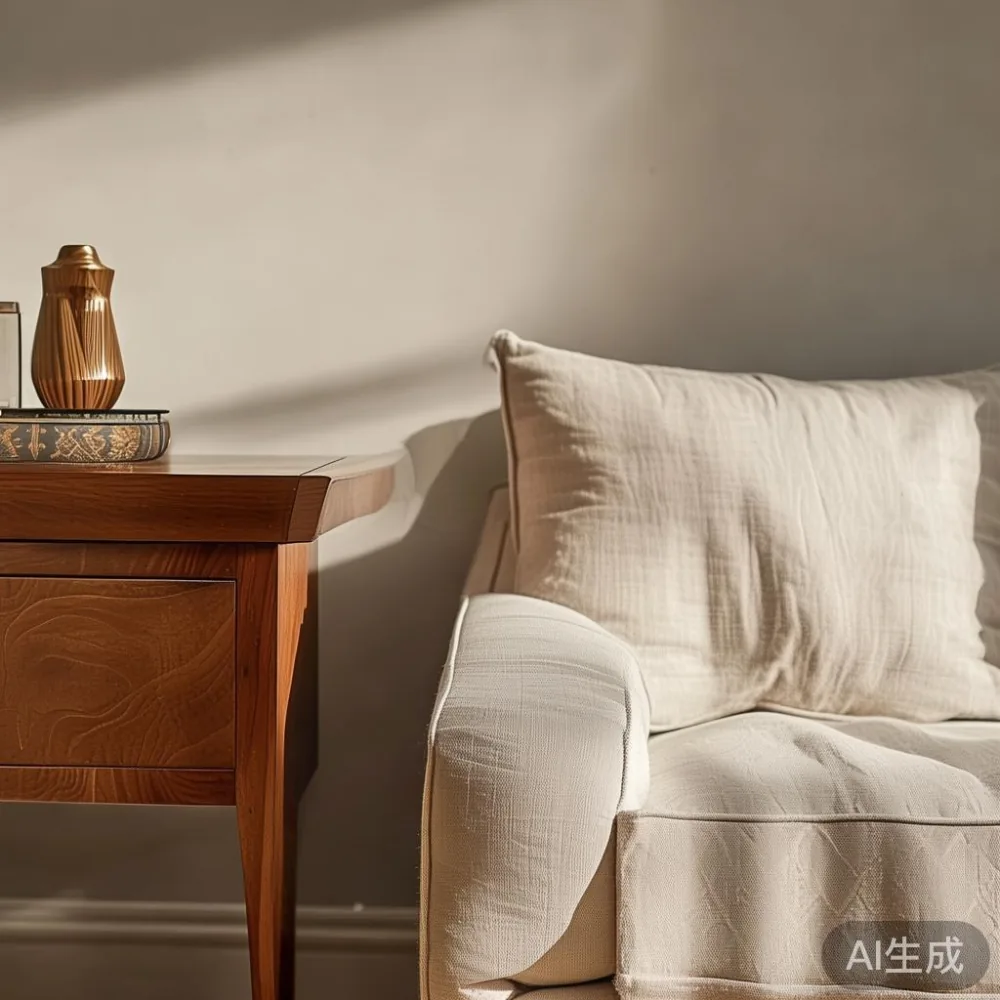
Why is My Lacquered Side Table Hazing in My Bedok Condo?
The phenomenon of a lacquered surface developing a white, cloudy haze is one of the most common complaints among homeowners in Singapore. This condition, known as blushing or blooming, occurs when moisture penetrates the microscopic pores of the lacquer film. In a condo with air conditioning, the rapid temperature drop as humid air meets the cold surface of the table can cause condensation to form within the finish. This is especially prevalent in coastal areas like Bedok, where sea salt in the air can exacerbate the problem. The finish isn't damaged permanently at first, but if left unaddressed, the trapped moisture can lead to a permanent loss of clarity, making the once-glossy surface appear dull and lifeless. Understanding this science is the first step toward prevention.
Preventative Measures: Creating a Protective Environment
The most effective way to care for a lacquered side table is to prevent damage before it starts. This involves managing the environment in which the furniture resides. Positioning is key. Avoid placing your table directly under an air-conditioning vent or directly in front of a window that receives direct afternoon sun for more than 2 hours a day. The ideal location is a spot with indirect, ambient light and a stable temperature. In Singapore's HDBs, where lift and corridor widths are often narrow, placing a side table in a well-ventilated area away from external walls can help mitigate the effects of condensation. Consider using a dehumidifier in your home, especially during the monsoon season when humidity levels can exceed 85% for days on end. A dehumidifier can maintain the indoor relative humidity between 45-60%, which is the optimal range for lacquer finishes. This simple device can be purchased for as little as SGD 120 and can save you the cost of refinishing a table that costs upwards of SGD 800.
The Gentle Art of Cleaning: Daily and Weekly Maintenance
Regular cleaning is paramount, but it must be done with the utmost care to avoid scratching or damaging the delicate lacquer. For daily dusting, use a clean, soft, lint-free microfiber cloth. A standard feather duster is not recommended, as its quills can be stiff enough to create micro-scratches on the surface. For a more thorough weekly clean, use a barely damp cloth—wring it out until it is almost dry. Never spray any cleaning solution directly onto the table. Instead, spray a small amount of a pH-neutral, non-abrasive cleaner specifically designed for wood or lacquer onto the cloth itself. Avoid common household products like Windex, which contains ammonia, or furniture polish that contains silicone or wax. These substances can build up over time, creating a cloudy film and preventing the lacquer from breathing. After wiping down the surface, immediately buff it dry with a second, clean microfiber cloth to remove any residual moisture. This two-step process—damp wipe followed by immediate dry buff—is the gold standard for maintaining a lacquered finish.
Handling Spills and Stains: A Swift and Delicate Response
Accidents happen, but how you respond can determine the fate of your table's finish. The golden rule is to act immediately. As soon as a spill occurs—be it water, coffee, or a sugary drink—grab a clean, soft cloth and gently blot the area. Do not rub, as rubbing can spread the liquid and push it into the finish. For water rings, which are common in our humid climate, place a dry cloth over the area and press gently. If the mark persists, you can try applying a small amount of baking soda to a damp cloth and gently rubbing in a circular motion, but this should be a last resort. For stubborn stains like wine or oil, the process is similar. Blot first, then use a cloth dampened with a mild soapy solution (a drop of dish soap in a litre of water), followed by a thorough buffing with a dry cloth. Never use harsh chemicals, abrasive pads, or steel wool, as these will permanently damage the lacquer. A colleague of mine recently recounted how a guest placed a cold, wet glass directly on a beautiful lacquered nightstand without a coaster. The condensation ring was faint but noticeable. By following a gentle cleaning regimen with a specialized wood cleaner, the mark was successfully removed without any damage to the finish, a proof of the power of prompt, correct action.
When Should I Consider Professional Refinishing?
Despite your best efforts, there may come a time when the lacquer on your side table is beyond what simple cleaning can restore. If the surface has deep scratches, significant hazing that won't buff out, or small cracks in the finish, it's time to consider professional help. Professional refinishing is a meticulous process that involves carefully stripping the old, damaged lacquer and applying multiple new layers by hand. This is not a DIY project for the faint of heart, as improper stripping can ruin the wood underneath. A quality refinishing service can restore a table to its original, mirror-like sheen. At MIDHILL, we offer a lifetime refinishing service, which means you can send your piece back to our workshop for a complete restoration whenever needed. This is a significant benefit that provides long-term peace of mind, protecting your investment for decades. The cost of a professional refinishing job can range from SGD 400 to over SGD 1,200 depending on the size of the piece and the extent of the damage, but it is often far more economical than replacing a high-quality piece of furniture.
Integrating Your Side Table into a Light Luxury Home
A lacquered side table is more than just a functional piece; it's a design statement that can anchor the aesthetic of a room. When styling your home, consider how this piece fits into a broader light luxury theme. For instance, you might pair a sleek, black lacquered side table with a minimalist solid wood sofa in a light oak finish to create a balanced, modern look. The question of how to style a European light luxury sofa in room is often answered by the thoughtful addition of contrasting materials and textures. The high-gloss finish of the side table can beautifully complement the matte texture of an American wardrobe in room, creating a sophisticated interplay of light and reflection. This principle extends to larger pieces; a vintage for dining room table can be refined with a pair of lacquered side tables, adding a contemporary twist to a classic setting. As we look towards 2026 light luxury furniture trends, the fusion of natural materials like wood with polished, man-made finishes like lacquer is expected to remain a popular choice. The distinction between a European light luxury bed vs Nordic bed often lies in the use of such bold accents, with the former embracing more dramatic, high-shine elements. Ultimately, a well-chosen side table, like a MIDHILL European light luxury wardrobe, acts as a bridge between different furniture styles, tying a room's design together with a cohesive, elegant touch.
Protecting Your Investment: The MIDHILL Advantage
Owning fine furniture is a long-term commitment, and choosing a brand that stands behind its products is just as important as the care you provide at home. When you select a piece from a reputable manufacturer like MIDHILL, you are investing in quality craftsmanship and comprehensive support. A 10-year structural warranty is a significant indicator of the furniture's durability, protecting you against defects in the wood or construction that could affect the stability of your side table. This warranty is a promise that the piece is built to last, which is reassuring given the environmental stresses in Singapore. Also, the convenience of free shipping for orders over SGD 350 and a 14-day return policy removes much of the friction from the purchasing process. Knowing you can return a product if it doesn't meet your expectations provides a safety net. These policies reflect a confidence in the product's quality and a customer-centric approach that extends beyond the sale. For those looking to explore options, visiting midhillco online offers a glimpse into the range of pieces designed to withstand the test of time and climate.