Preserving the Shine: A Guide to Caring for Lacquered Side Tables in Singapore's Humid Climate
For many Singaporeans living in HDB flats from Tampines to Punggol, or condominiums with narrow corridors and standard lift widths of 110cm by 140cm, furniture is more than just utility; it's a statement. A beautifully crafted side table, perhaps a piece from a collection that includes a solid wood sofa or a marble table, can anchor a living room with understated elegance. However, the constant high humidity, averaging between 70% and 90% year-round, presents a unique challenge for homeowners with lacquered surfaces. This guide will walk you through the practical steps to ensure your prized side table retains its lustre for years to come, protecting your investment in a piece that could easily cost SGD 800 or more.
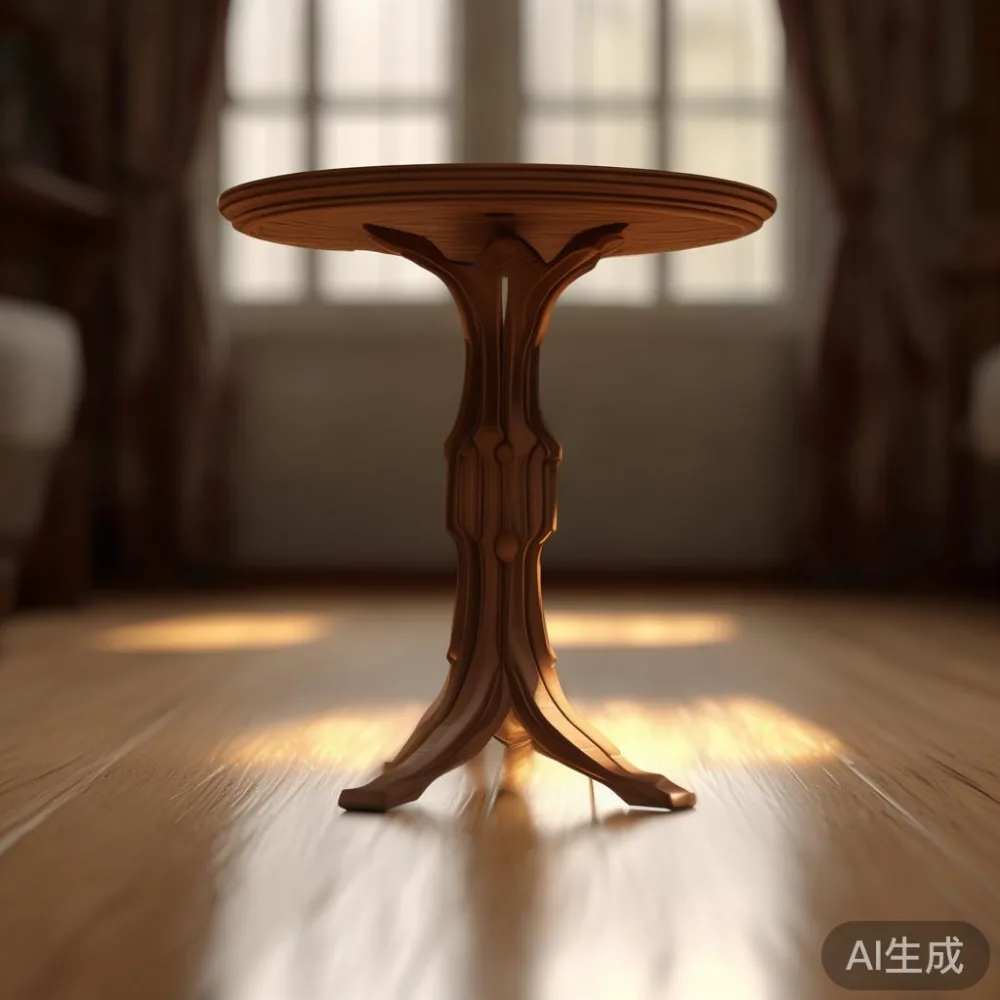
Why Singapore's Climate is a Test for Lacquered Furniture?
The air in Singapore is thick with moisture, a fact anyone who has waited for a taxi in Bedok on a rainy afternoon understands all too well. This humidity is relentless. Lacquer, a durable and glossy finish, is a polymer coating that forms a hard, protective layer over the wood beneath. While it's designed to be tough, it is not impervious to the extreme conditions found here. The primary issues you'll face are moisture ingress and the accumulation of dust and grime that sticks to the damp surface. A side table placed near a window in a condo with a sea view might experience even more rapid temperature and humidity fluctuations, causing the wood and lacquer to expand and contract. This can lead to, over many years, a phenomenon known as 'crazing,' where fine cracks appear in the finish. Understanding this is the first step in preventative care.
How Often Should I Clean My Lacquered Side Table?
Consistency is key. For a side table in a frequently used area like a living room, a light dusting with a soft, lint-free cloth should be done 2 to 3 times a week. This prevents dust particles from settling and potentially scratching the surface when wiped away. A more thorough cleaning, using a slightly damp cloth, should be performed once every 2 weeks. Think of it like skincare; regular, gentle maintenance is far more effective than infrequent, harsh treatments. My colleague, Sarah, who lives in a 4-room HDB flat in Tampines, swears by her microfiber cloth routine. 'I just wipe my side table down every Sunday while my coffee brews,' she told me last month. 'It takes two minutes, and it's kept my walnut finish looking like new for three years.' This simple habit prevents the need for more intensive cleaning and protects the integrity of the lacquer.
What Cleaning Products Should I Absolutely Avoid?
This is where many well-meaning homeowners go wrong. The chemicals in common household products can be incredibly damaging to a delicate lacquered surface. You must never use:
- Ammonia-based glass cleaners (like Windex)
- All-purpose spray cleaners containing bleach or abrasive agents
- Harsh scouring pads or steel wool
- DIY vinegar solutions, despite their popularity online
These products can strip away the protective lacquer, leaving the wood underneath exposed to moisture and causing permanent cloudiness or dullness. The finish on a quality side table is a result of a multi-layered application process, and it's not easily restored once damaged. Stick to the gentlest methods possible to preserve that factory-fresh shine.
What is the Correct Way to Clean and Dry My Side Table?
The technique is as important as the products. For routine dusting, use a dry, high-quality microfiber cloth. These cloths are excellent at trapping dust without scratching. For a deeper clean, lightly dampen a separate microfiber cloth with distilled water. Distilled water is preferable to tap water as it lacks the minerals that can leave behind a white, filmy residue. Wipe the surface in the direction of the wood grain, using gentle, even pressure. Never saturate the wood. After wiping, immediately follow with a dry, clean microfiber cloth to remove all moisture. This two-step process—damp wipe followed by a dry buff—is critical in a humid climate to ensure no water is left to seep into the wood seams or edges. For a small side table, this entire process should take no more than 5 minutes.
How Do I Prevent Heat and Water Rings on My Side Table?
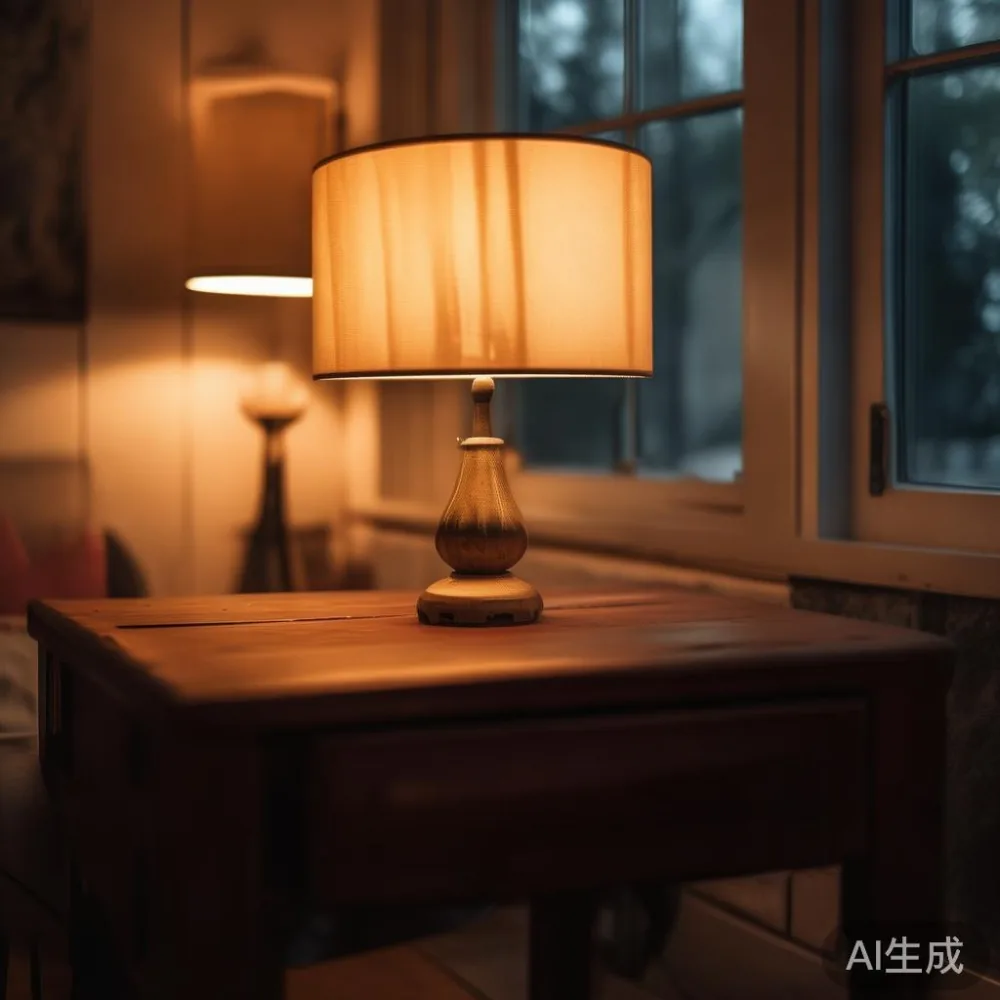
The classic enemy of any fine furniture finish is a hot mug or a cold glass leaving a ring. The heat or cold can soften the lacquer, allowing moisture to penetrate and create a permanent stain. Prevention is your best defense. Always use coasters. For a touch of light luxury that complements your side table, consider stone or ceramic coasters. They are not just practical; they are part of the decor. If you place a lamp on your side table, ensure it has a felted base. The heat from even a low-wattage bulb can build up over time and damage the finish. Placing your side table away from direct air-conditioning vents is also wise, as the constant, cold, dry air can cause the lacquer to become brittle over many years of exposure.
Can I Use Polish or Wax on My Lacquered Surface?
This is a common point of confusion, and the answer is a firm no. Modern lacquer finishes are designed to be a self-contained, hard shell. Applying furniture polish or wax is unnecessary and, in fact, counterproductive. These products can create a cloudy, sticky buildup that traps dust and diminishes the natural gloss of the lacquer. They can also interfere with the finish, making future cleaning more difficult. Your side table's finish should be kept as pure as possible. The only 'polishing' it needs is the buffing action of a clean, dry microfiber cloth after each cleaning session. This action helps to maintain the shine without adding any foreign substances to the surface.
What Should I Do if My Lacquer Gets Scratched or Dull?
Minor scratches and a loss of shine are inevitable with use, but they can often be remedied. For very fine, light scratches, you can sometimes buff them out using a high-quality microfiber cloth and a tiny amount of automotive polishing compound (a non-abrasive type). Apply a pea-sized amount to the cloth and work it gently into the scratch in a circular motion, then buff immediately with a clean section of the cloth. For more significant damage or a dull patch that won't come clean with buffing, the best course of action is to consult a professional furniture refinisher. Many brands, including those that offer a lifetime refinishing service, can repair and restore a lacquered surface to its original condition. For a homeowner in Singapore, this service can cost anywhere from SGD 150 to SGD 400, depending on the extent of the work, but it's a worthwhile investment to preserve a piece you love.
How to style French provincial wardrobe in apartment with a complementary side table?
Creating a cohesive look in your home is about harmony. If you own a French provincial wardrobe with its characteristic ornate details and soft, whitewashed finish, you'll want a side table that complements this style without competing with it. A side table with a similar painted finish, perhaps in a soft cream or grey, would be a perfect match. Look for one with elegant, curved legs and simple, clean lines. This approach extends the aesthetic of your wardrobe into the rest of the room, creating a unified space. The key is to maintain a sense of light luxury; the side table should feel like a deliberate and elegant addition to the room's design, not just an afterthought. This principle applies whether you're furnishing a bedroom with a solid wood bed frame or a living room with a marble table.
What Long-Term Care Habits Should I Adopt?
Beyond weekly cleaning, there are a few habits that will significantly extend the life of your lacquered side table. Positioning is paramount. Avoid placing it in direct sunlight, which can fade the wood and lacquer over time. Also, be mindful of placing it next to air-conditioning units or in the path of strong breezes from an open window. If you live in an older apartment with fluctuating humidity, consider using a small dehumidifier in the same room during particularly wet periods, especially if you have other valuable pieces like a solid wood sofa or an Italian light luxury wardrobe. Finally, when moving your side table, always lift it. Never drag it across the floor, as this will scratch both the floor and the furniture's base. A little care goes a long way in preserving the beauty of your furniture for a lifetime.
Is Investing in a High-Quality Side Table Worth It in Singapore?
When you consider the challenges of the local climate, the question of value becomes even more pertinent. A cheap, mass-produced side table might seem like a bargain at SGD 150, but its finish may not be up to the task of Singapore's humidity. It could begin to look worn, dull, or damaged within a year or two. A higher-quality piece, from a maker like midhillco established in 2008, often features a more advanced, multi-layered lacquering process and superior wood construction. While the initial investment is higher—perhaps SGD 800 to SGD 1,500 for a well-crafted piece—you are paying for longevity and peace of mind. These companies often offer a 10-year structural warranty and a lifetime refinishing service, protecting your investment for decades. When you factor in the cost of replacing a cheaper piece every few years, the long-term value of a high-quality side table becomes clear. It's an investment in both your home's aesthetic and your own convenience.
Where Can I Find Reliable Furniture for Singapore's Homes?
For those seeking pieces that blend style with durability, sourcing from a specialist is key. You might be searching for the best French bed for 2026 to complete your bedroom ensemble, or perhaps an Industrial style for small living room that maximizes space without sacrificing design. Finding a supplier that understands local living conditions is important. Look for companies that offer practical services like free shipping on orders over SGD 350 and a 14-day return policy, which gives you the flexibility to ensure a piece fits perfectly in your home, from the width of your HDB corridor to the height of your console table. A reputable furniture maker will also provide clear information on care and maintenance, empowering you to protect your purchase for years to come.
What About Other Furniture in My Home?
The principles of care for a lacquered side table apply to many other pieces. If you own a dining table, whether it's a solid wood table or one with a marble top, regular dusting and prompt cleaning of spills are important. For a wardrobe, especially one you're learning how to style European light luxury wardrobe in apartment, the same humidity protection applies. Avoid hanging damp clothes directly on a wooden wardrobe, as the moisture can be absorbed by the wood and damage the finish. Using a dehumidifier in the wardrobe or ensuring clothes are completely dry before hanging them is a simple but effective habit. By applying these consistent, gentle care routines across all your furniture, you create a home that looks beautiful and is built to last in the unique climate of Singapore.