How to Match a Side Table to a Warm Minimal Interior
A warm minimal interior is not an empty room. It is a carefully measured balance of pale walls, clean-lined furniture, tactile natural materials and a few objects that soften the architecture. In a Singapore HDB flat or condo, the side table often does more visual work than its footprint suggests. It can hold a cup of kopi, a bedside lamp, a book and a phone while giving the sofa or bed a deliberate point of focus.
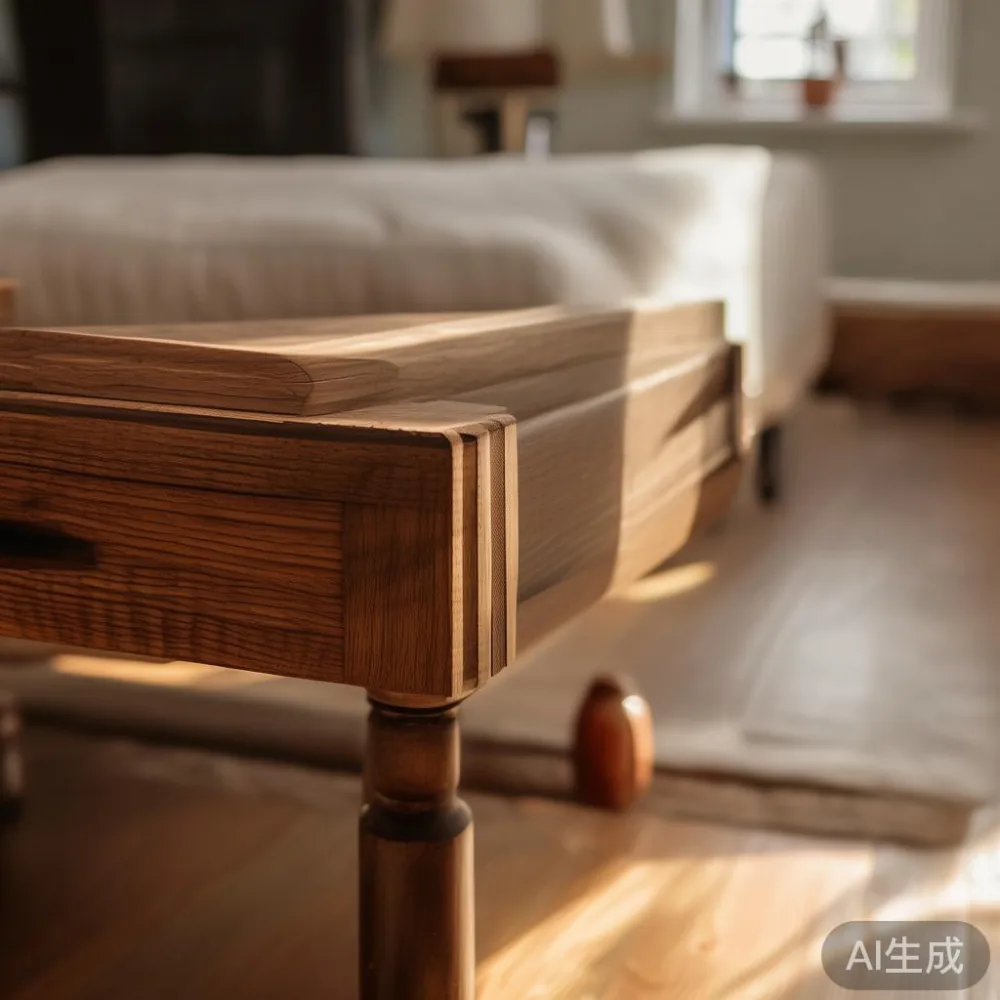
The difficult part is proportion. A side table that feels generous in a showroom can crowd a compact living room, especially when the lift lobby, corridor and apartment door are narrow. A table with a slim profile, a stable base and the right finish can make a modest room appear composed rather than constrained. This guide explains how to match a side table to warm minimalism while keeping the practical demands of Tampines, Bedok and Punggol homes in view.
What makes an interior feel warm and minimal?
Warm minimalism begins with restraint in quantity, not in personality. Keep the main forms simple, then introduce warmth through texture, colour and natural grain. A solid oak or walnut side table with softened corners works well beside a solid wood sofa, bed frame or dining table because the material remains visible rather than being hidden by a busy finish.
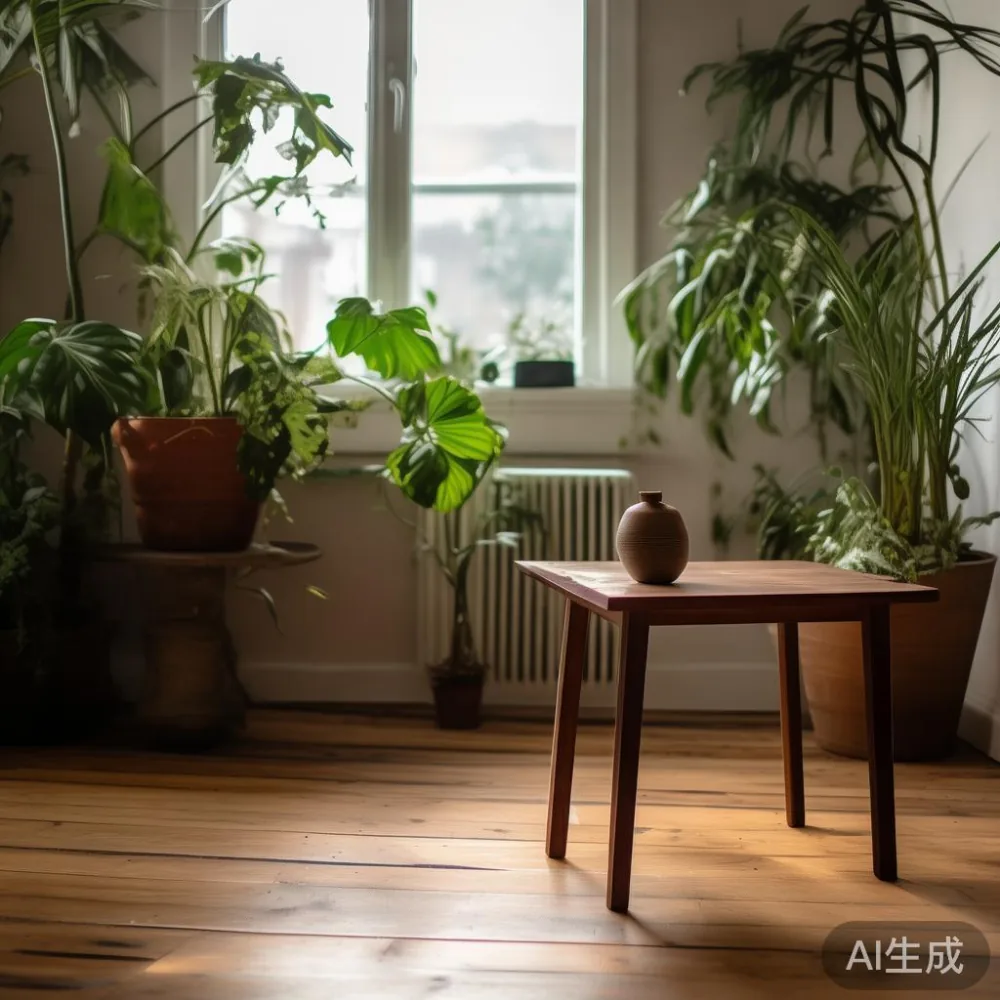
In local apartments, the surrounding finishes often include white or cream walls, pale engineered flooring, aluminium window frames and practical laminated kitchen surfaces. A side table in honey-toned wood bridges cool wall paint and warm timber flooring. If the flooring already has a pronounced honey shade, choose a slightly paler or cooler wood to prevent the room from becoming visually heavy.
French light luxury offers one useful direction: carved or shaped edges, muted upholstery and small decorative details, without excessive ornament. Post-modern light luxury provides another route, using a simple geometric table beside one expressive chair or lamp. American light luxury tends toward comfortable proportions and substantial timber, which can suit a larger condo but requires careful measurement in an HDB living room.
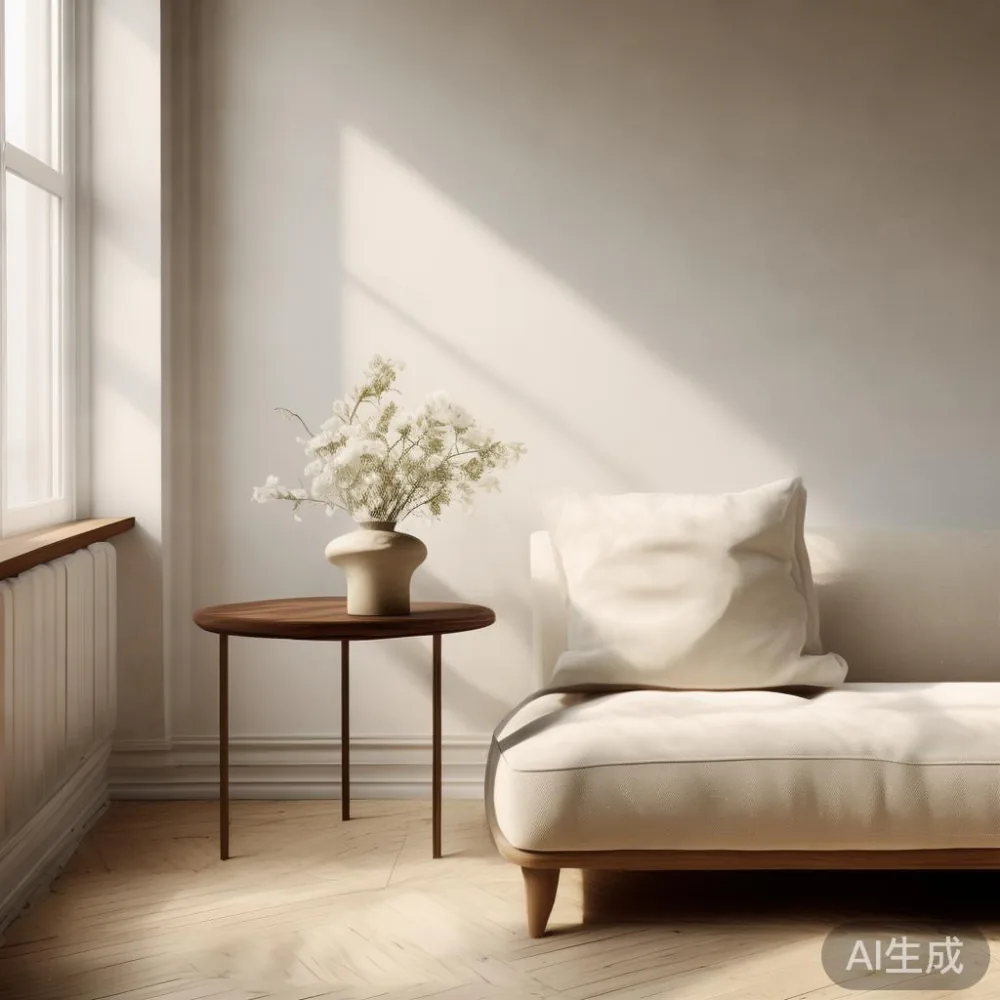
Aim for a room with 3 main visual layers: a dominant floor and wall colour, a substantial furniture layer and a smaller layer of tactile accents. The side table belongs to the third layer. It should coordinate with the solid wood sofa or bed frame, yet it may carry a decorative tray, ceramic vessel or linen-covered book. One table displaying 5 objects is usually more restful than 3 tables displaying 15.
How do you measure a side table for a Singapore home?
Measure the actual placement zone before choosing a table. Record the sofa or bed width, the gap between the seat and wall, nearby door swings and the route from the lift to the unit. For a common 3-seat sofa measuring 210–230 cm, a side table around 40–50 cm wide usually leaves enough space for a drink and reading material. Beside a single lounge chair, a table width of 35–45 cm may be more balanced.
Height matters just as much. A side table placed beside the seat of a sofa should generally be within 5–10 cm of the armrest. For a nightstand beside a bed frame, a surface height of 45–55 cm is practical, although the mattress height should determine the final figure. A table that is too low invites awkward reaching, while one that is too high interrupts the horizontal line of the seating.
For compact HDB interiors, consider a round or oval side table with a diameter of 35–45 cm. Its curved edge can soften a straight sofa and preserve circulation. A rectangular option measuring 40 × 30 cm or 45 × 35 cm can be easier to position in a tight corner, particularly near a corridor-facing wall.
Check the delivery route before ordering. Typical HDB lift cars may measure roughly 90–100 cm deep and 120–140 cm wide, with individual building differences. A table top wider than 90 cm may still fit diagonally, but a rigid rectangular side table can be difficult to manoeuvre past a narrow corridor or through a 80–90 cm doorway. Ask the supplier for packed dimensions and weight rather than relying only on the assembled size.
MIDHILL lists free shipping for orders over US$350, with prices shown in SGD at checkout where applicable. Singapore delivery commonly takes 7–14 working days for in-stock pieces, while made-to-order items can require 4–8 weeks. GST and local delivery charges should be confirmed before payment. The 14-day returns policy offers a useful margin, but original packaging and item condition should be checked against the stated terms.
Which wood finish suits warm minimalism?
Oak, ash and walnut are useful starting points, but the finish matters more than the species name. A matte or low-sheen surface absorbs light and suits a restrained room. A high-gloss coating can create sharp reflections that make a compact area feel harder and busier. Warm minimalism generally benefits from a smooth, tactile surface with visible grain and a slightly eased edge.
For a cool white HDB flat, natural oak with warm undertones can provide contrast without feeling heavy. For a beige or taupe condo, pale ash or a lighter oak may blend into the walls while still showing its outline. Walnut offers deeper contrast and can be effective beside cream upholstery, provided it appears only once or twice in the room. Repeating the same dark tone across a large wardrobe and side table may overpower the quieter composition.
Consider the table from 2 distances. At 2 metres, check its colour relationship with the sofa, bed frame or dining table. At 60 cm, inspect grain direction, edge details, joinery and surface consistency. A side table is close enough for scratches, uneven colour and overly glossy patches to become noticeable, so request clear photographs or a physical sample when ordering.
Mid-century modern styling can work with tapered legs, rounded corners and visible joinery, although the table should not become a replica of a period piece. If you are deciding how to choose Mid-century modern wardrobe for the same apartment, coordinate the wood tone across both pieces rather than forcing every item into one historical style. The side table should provide continuity, not a separate visual episode.
What should a warm minimal side table hold?
Give the surface one daily function and one decorative function. A lamp and a coaster are enough for a side table near the sofa. A bedside version may hold a book, a charging cable and a small tray. Use trays and shallow bowls to organise small objects, and leave roughly one-third of the surface clear so the table still reads as calm and uncluttered.
Texture adds warmth more effectively than extra colour. Linen, woven baskets, matte ceramic, stone and timber create subtle variety. Avoid placing every object on a highly reflective tray, since glass, polished metal and lacquer can multiply reflections in an apartment with abundant daylight.
The light luxury dressing table phrase often appears in bedroom planning, but the same restraint applies to a side table beside a bed frame. Use one lamp with a linen or paper shade, one small bowl and perhaps a low arrangement of greenery. The lamp should provide warm light around 2700K–3000K rather than a cold blue-white beam, especially in Bedok or Punggol bedrooms with limited daylight.
For French provincial styling, a shaped apron, gently curved corners or a small carved detail can work beside cream upholstery. Avoid crowding the table with lace, florals and gold accessories at the same time. One ornate material with 2 simple objects usually preserves the light-luxury character.
How do you match a side table with a sofa and bed frame?
Begin with the largest nearby object. If the sofa is upholholved in warm beige, the side table can introduce natural timber or a contrasting darker tone. If the sofa already has a strong timber frame, match the side table more closely to that colour. The aim is a visible relationship, whether through shared grain, repeated curves or matching hardware.
When considering how to choose French provincial sofa, look beyond the frame to the seat proportions and upholstery. A curved, buttoned sofa often pairs well with an oval side table and softened edges. A straight, low-profile sofa is more compatible with a square or rectangular table with clean lines.
For bedroom furniture, a low solid wood bed frame and a compact side table should create one calm horizontal composition. If searching for how to style French provincial bed in apartment, use the bed as the primary shape and let the side table echo its curved or tailored details in a quieter manner. Nightstands do not need to be identical; matching wood and similar height can make 2 complementary tables look coordinated.
Do not neglect the gap. Leave about 30–45 cm between the side table and the main furniture for visual breathing space, though this can be reduced to 20–30 cm where circulation is extremely tight. If a bed frame has an integrated drawer or shelf, a narrower side table may be more useful than a larger one with substantial legs.
The right light-luxury finish also depends on scale. A detailed table with turned legs can look refined in a spacious bedroom but visually crowded beside a low platform bed. A simple solid wood construction with softened corners and restrained hardware is safer in compact Singapore rooms.
How do you style a Japandi or solid wood room around a side table?
Japandi emphasises low profiles, functional forms and the contrast between pale timber and quiet, tactile surfaces. A side table should share that clarity. Choose straight lines, modest proportions and a finish that reveals the wood rather than imitating concrete or stone. Round edges can make the piece approachable while keeping the construction simple.
Useful planning guidance on how to style Japandi bed in room can help identify the bedroom’s dominant lines. If the bed frame is low and pale, select a light oak or ash side table with a warm undertone. Add one ceramic object in charcoal or muted green. Black metal accessories are effective in small quantities, but several black elements can break the softer atmosphere.
When reviewing how to choose Japandi sofa, focus on the frame, seat height and texture. A pale solid wood sofa with linen upholstery works naturally with a light timber side table. If the sofa is deeper in colour, the table can be slightly lighter to maintain balance. Avoid pairing a heavily patterned textile with strongly grained wood and multiple glossy accessories; 2 textures are usually sufficient.
Solid wood dining areas follow a similar method. A side table near the dining table may use the same species but should not compete with place settings. Keep its diameter at least 5 cm smaller than the nearest major round form, or use a different silhouette to prevent the arrangement from looking repetitive.
One of the practical challenges in local interiors is the marble table. Marble or marble-look surfaces require more careful coordination than timber because their veining is visually dominant. If the side table is wood, it can balance a marble table with warmth, but the contrast should remain controlled. Do not add veined stone, patterned rugs and striped cushions simultaneously.
What are the common sizing and delivery mistakes?
The most frequent mistake is selecting by colour before measuring. A beautiful walnut table can overwhelm an 80 cm-wide sofa bay, while a pale table in a larger alcove may appear undersized. Measure the zone, sketch the footprint and check whether knees, drawers and doors remain unobstructed.
The second mistake is underestimating the packed size. Solid wood is heavy and rigid. A side table weighing 8–15 kg may be difficult for one person to lift through a narrow corridor. Confirm whether assembly is required, whether the top separates from the base and whether delivery includes carrying beyond the lift lobby. In a multi-level HDB block, the final 20–50 m carry can be harder than the lift journey itself.
Third, ignore the route to the parking area. If the unit requires several turns, measure the narrowest doorway and corridor segment. A table top with diagonal corners may be easier to pivot than a broad square, while a narrow rectangular table can pass through a doorway but offer less usable surface area.
Last month I visited a renovated 3-room flat in Tampines to check a table placement beside a solid wood sofa. The table looked generous in the living room, but its 52 cm top crowded the sofa-to-TV route and reduced the usable walkway by roughly 15 cm. Replacing it with a 42 cm round side table solved the congestion and made the room feel wider. That visit reinforced a simple rule: optimise the walking path before the photograph.
Also verify warranty and care terms. MIDHILL provides a 10-year structural warranty and lifetime refinishing, which can be valuable for solid timber pieces, although the refinishing scope and conditions should be reviewed before purchase. Climate control matters in Singapore. Keep timber away from air-conditioning vents where possible, use coasters and wipe spills promptly instead of leaving them to dry.
How can you make one side table feel light and luxurious?
Lightness comes from proportion, placement and restraint. Use an open base where possible, such as 4 slim legs or a modest tripod form, so the floor remains visible underneath. A solid slab top can look grounded and substantial; a thinner top paired with tapered legs can feel more delicate. Neither option is automatically superior, but a lighter construction often suits a compact HDB flat.
Place the table where it completes a composition rather than filling an arbitrary corner. Aligning its front edge with the sofa arm or bedside cushion can make the arrangement appear intentional. Leave at least 60 cm of clear circulation where possible, or 75 cm in a main passage, without letting the table drift into the walkway.
Limit accessories to 2–4 groups. A lamp, a ceramic vessel and a single book can create warmth, while a textured cloth adds softness without introducing another colour. Warm metallic details in brushed brass or aged bronze can support light-luxury styling, but use only 1 material across each table.
For a complete home, coordinate the side table with the dining table, wardrobe and nightstand through a controlled palette of 2 wood tones and 2 neutral colours. If a marble table already introduces cool veining, a warmer timber side table provides useful contrast. If the bed frame and solid wood sofa share the same finish, repeat that finish on the side table to create unity.
Warm minimalism succeeds when the furniture feels calm but still invites touch. The side table should offer a place for a cup, a lamp and a moment of stillness, while its size, material and finish support the room rather than compete with it. Measure the space, check the delivery route and choose a form that leaves the apartment feeling open, grounded and welcoming.