Side Tables and Singapore Humidity: A Practical Guide for HDB and Condo Owners
I learned the hard way last August, walking into a client's four-room HDB in Bedok after two straight weeks of rain. The marble table on the balcony had sweated through its wax coat, a small solid wood side table next to the sofa had begun to cup along the back edge, and a wardrobe door in the master bedroom was rubbing at the top corner. The owner had done nothing wrong. She had simply trusted that "solid wood" meant maintenance-free. It does not, and that visit shaped almost everything I now share with buyers across Tampines, Punggol, and the West.
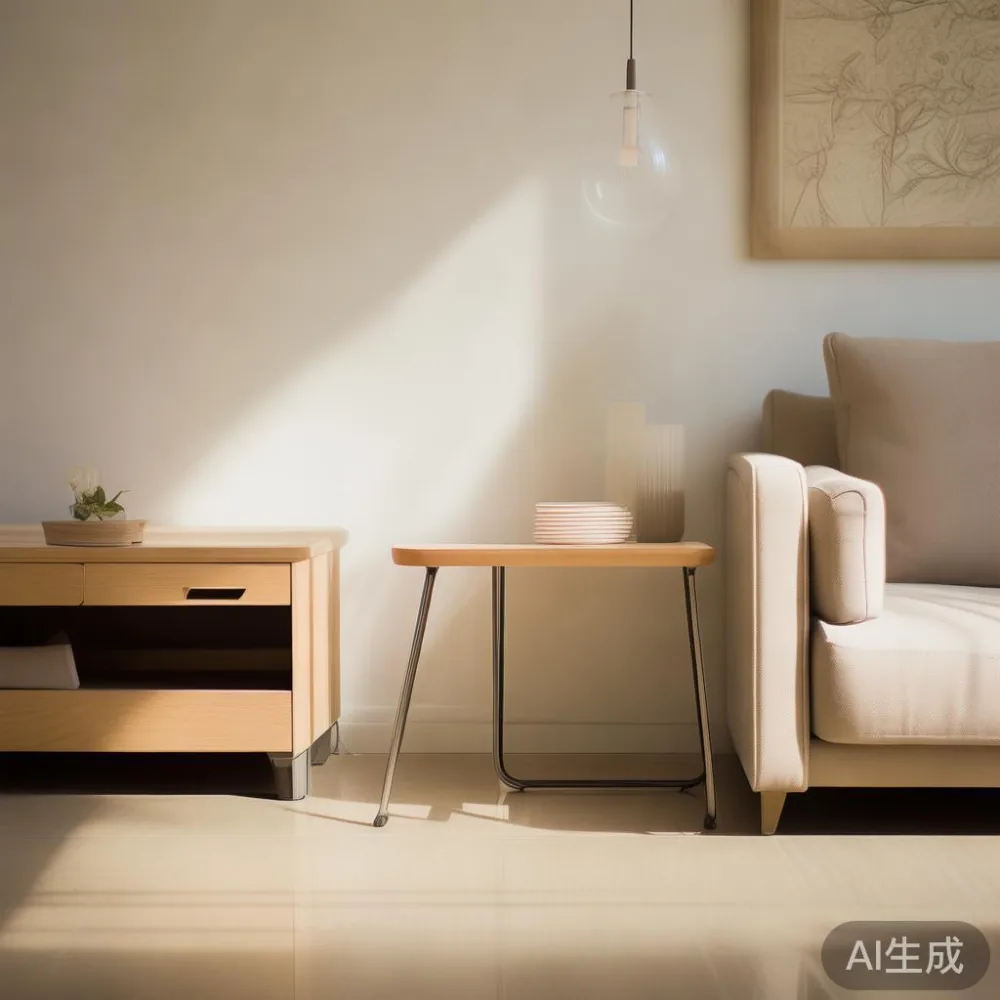
Singapore sits in a climate belt that swings between roughly 65% and 95% relative humidity across the year, and indoor humidity in a non-air-conditioned HDB can climb even higher during a monsoon surge. Wood responds to that moisture. A side table that arrived flat and square from the factory in Foshan will move, even if only by a few millimetres, once it sits in your living room for six months. Understanding that movement is the difference between a piece of furniture you keep for fifteen years and one that frustrates you by month three. This guide focuses specifically on side tables and the small-format solid wood pieces that share a household with them, from a coffee table to a nightstand to a slim console behind the sofa. It also touches on the wider solid wood family, because climate does not respect category lines.
Why Singapore humidity is unusually aggressive on solid wood
Solid wood is hygroscopic. It absorbs and releases water until it finds a balance with the air around it, and that balance keeps shifting in Singapore. Outdoor humidity can hit 95% on a wet afternoon in Bukit Panjang, while an air-conditioned bedroom in a Punggol condo might run 45% for eight hours overnight. A solid wood side table parked near the lift lobby on a typical floor may experience 60% in the morning, 80% by 5pm, and 55% when the bedroom door closes. That 25-point daily swing is what moves wood.
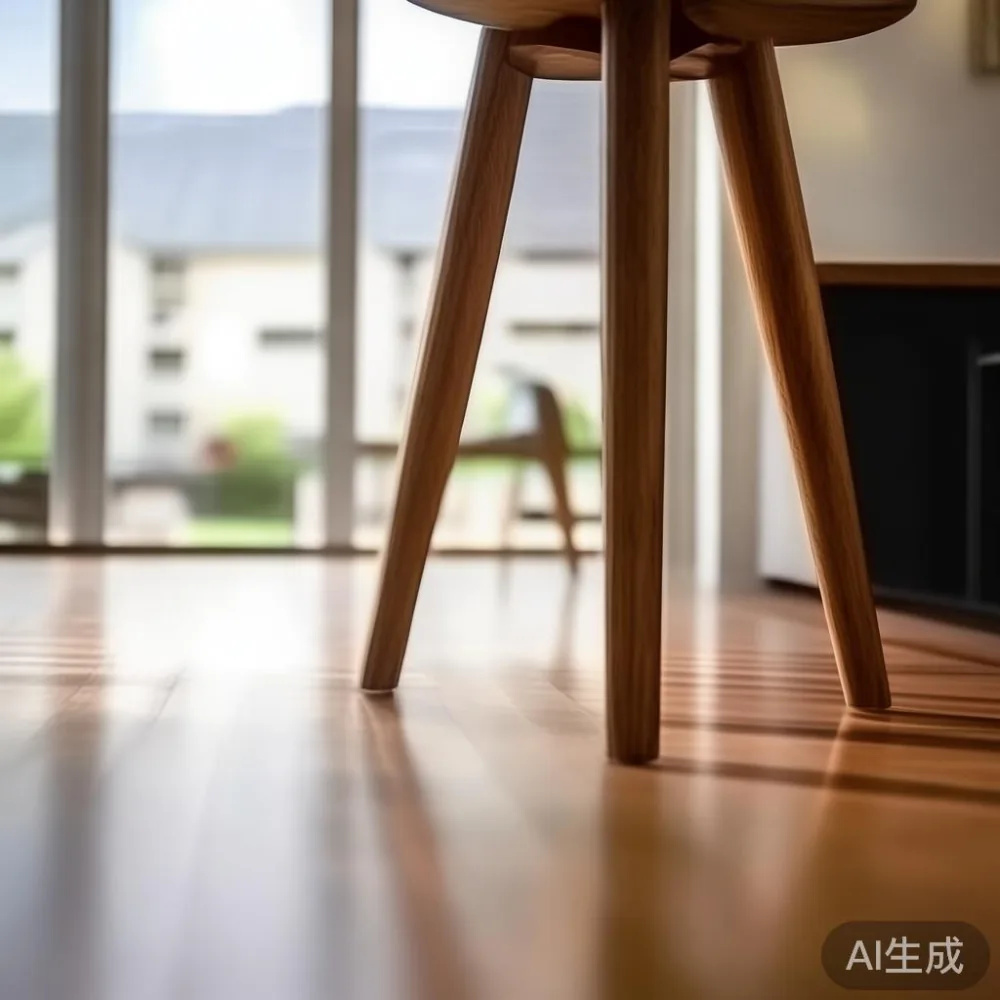
Different species respond differently. White oak, walnut, and ash each have a coefficient of expansion roughly between 0.002 and 0.004 per 1% humidity change across the grain. A 40 cm wide oak side table top, sitting across the worst swing, can move 0.4 to 0.8 mm. That sounds small, but it is enough to open a glue joint or push a drawer face 1 mm proud. Over a year of cycles, 1 mm becomes 2 mm becomes a sticking drawer or a hairline crack along a mitre.
MIDHILL has shipped into Singapore for over a decade, and the pattern is consistent: the first two monsoon seasons are when most adjustments happen. Pieces that survive the first six months in a Tampines unit almost always settle into long-term stability, provided the home is not left closed up for weeks with the air conditioning off.
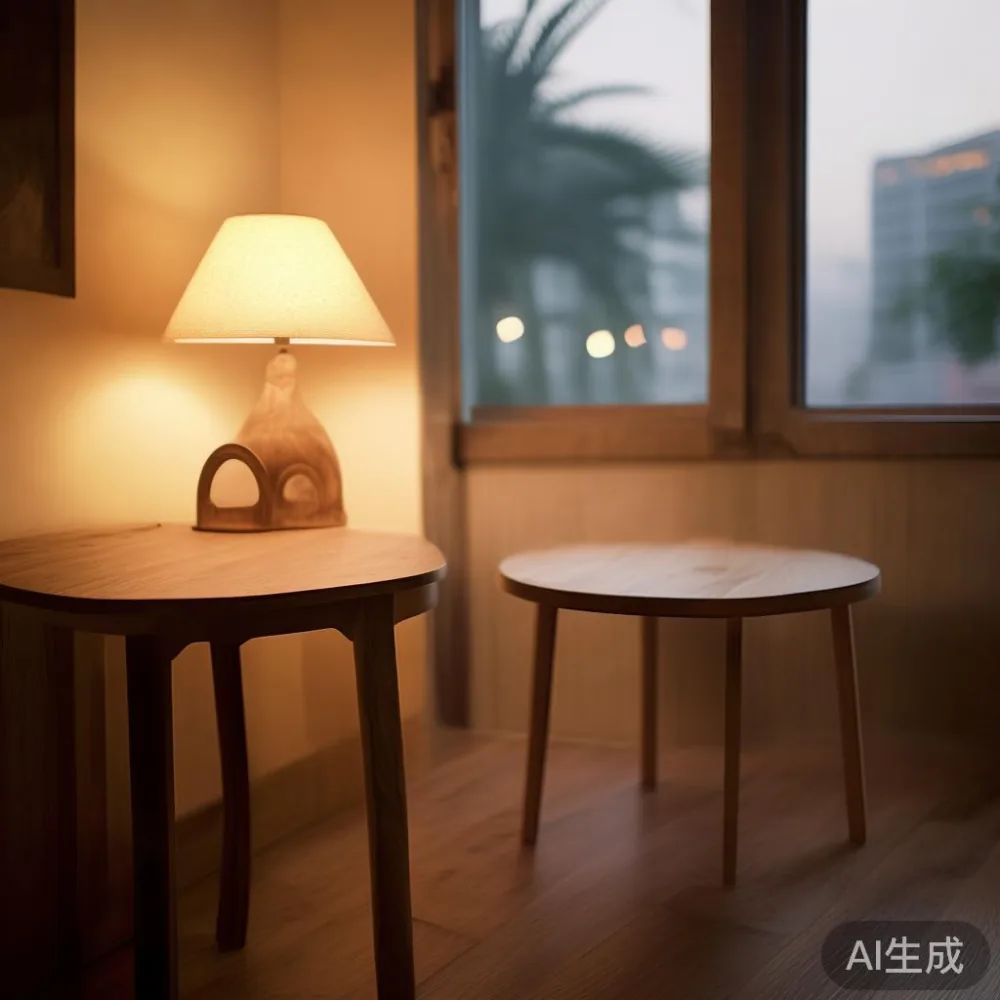
What does a well-built side table actually do in Singapore?
A well-built side table does three things in this climate. First, it is constructed from properly dried stock. The factory in Foshan we source from kiln-dries to a target of 8 to 10% moisture content, which is close to what an air-conditioned Singapore home averages over a year. Furniture dried above 12% is likely to shrink when it lands here, opening joints and revealing pale patches. Furniture dried below 6% will swell. The sweet spot is narrow, and a maker that controls its kilns can hit it.
Second, the joinery allows the top to float. A solid wood side table is normally built with a frame-and-panel top or with breadboard ends, both of which let the central panel expand and contract across its width while keeping the edges flat. If the top is glued down rigidly or screwed through with a single fixed batten, it has nowhere to go. That is when you see a split down the middle or a tabletop that bows into a shallow bowl.
Third, the finish is breathable. A hard film finish like thick conversion varnish seals the wood completely, traps moisture on one side of the film, and almost guarantees peeling within two monsoon seasons in an HDB. Penetrating hardwax oils, by contrast, slow moisture exchange without stopping it. The top of a side table that has been oiled and waxed will mist over on a humid day rather than bead and blister.
How do I keep my side table from cracking during the rainy season?
This is the question I get every June and again every December, usually from owners in newer HDBs around Sengkang and Punggol where windows stay shut for the afternoon sun. The answer is simpler than most people expect. Aim for 50 to 60% indoor humidity and keep the piece away from the worst microclimates in the home.
A few practical moves help. Run a dehumidifier in the room that holds your solid wood furniture for four to six hours during the worst of the afternoon, especially on wet days. A 10-litre dehumidifier costs around SGD 180 to SGD 280 in Singapore and uses about 0.2 kWh per hour, so running it for five hours a day during a wet week adds roughly SGD 1.20 to your bill. Keep side tables at least 30 cm away from air-conditioner compressors and out of direct path of cold air. Cold surfaces condense moisture out of warm humid air, and that water sits on the underside of the tabletop overnight. If you notice a white haze on the side table in the morning, condensation is the cause, not mould.
Wipe the surface with a dry microfibre cloth every three or four days. Skip the pledge, skip the silicone spray, and never use a wet cloth on a waxed finish. A 30-second dry wipe is enough. If you have an oiled finish, refresh it every twelve to eighteen months with a coat of the same hardwax oil. The bottle costs about SGD 35 to SGD 60 and treats four to six small pieces, including a side table, a nightstand, and a small dining table extension.
Will my new side table fit through the lift and the corridor?
This is a question I had not thought to ask for years, until a Punggol client opened a 38 cm wide side table box in his corridor and discovered the lift door at his block was only 80 cm wide. The piece itself was fine, but the 180 cm long carton would not turn the corner. Plan ahead.
Most Singapore HDB passenger lifts have an internal cabin of roughly 1.1 m deep by 1.4 m wide, with a door opening of about 0.9 m. Premium condo lifts in developments like those around the Greater Southern Waterfront run larger, but you should always measure. The corridor width in a typical HDB block is around 1.2 m, and the staircase turning space can drop to 1.0 m. A flat-pack side table under 40 cm wide, 40 cm deep, and 60 cm tall fits every lift in Singapore. A fully assembled side table at 50 cm wide, 50 cm deep, 55 cm tall also fits, but you lose margin for the door swing and the mirror corner.
For larger pieces in the same household, the same logic applies. A solid wood sofa frame shipped flat-packed is straightforward, but the moment you consider a marble table top over 90 cm, delivery becomes a two-person, two-trip job. MIDHILL's delivery team measures the lift and corridor before they bring a wardrobe or a 2 m dining table up, and the same crew can be booked for a side table and a bed frame in the same trip, which keeps the per-piece delivery cost down to around SGD 25 to SGD 60 within mainland Singapore.
How to choose a side table that survives Singapore, beyond the wood itself
Construction matters as much as species. Look for dovetail or mortise-and-tenon joinery on the drawer, a frame-and-panel or breadboard construction on the top, and wooden slides rather than metal ball-bearing runners on drawers. Metal hardware in a humid lift lobby will rust within months, and the rust will bleed brown streaks into the oak inside the drawer. A good side table uses brass or stainless fittings, and the small extra cost pays for itself the first time you slide the drawer in February.
Weight is your friend. A side table that weighs 8 to 12 kg feels planted; a side table that weighs 4 kg will slide when the kids run past, and the shock will shake the drawer alignment out of true. Heavier pieces also tend to use thicker stock, which resists cupping longer. A solid wood side table at 45 cm square, 55 cm tall, made from 22 mm thick oak, will weigh about 9 kg and will sit still on a vinyl HDB floor even with the air-conditioner running.
Think about where the side table will live. A side table next to the sofa in the living room sees the most humidity swing because the door opens to the kitchen. A side table in a windowless study sees the least. A side table on the balcony, even a covered one, sees direct rain splash and should be avoided for any piece you want to keep for ten years. If you must place one near an open window, leave 40 cm of clearance and consider a small humidistat at SGD 30 to SGD 50, which tells you the exact moment the room crosses 70% so you can react.
Light-luxury styles that handle humidity well in Singapore homes
French light luxury, American light luxury, and post-modern light luxury all show up in Singapore showrooms, and they each bring slightly different risks. A French light luxury side table in walnut with a marble top is the easiest combination to live with, because the marble is stable and the small walnut frame handles humidity well. A French light luxury side table in solid oak with a limed finish needs a hardwax oil refresh every twelve months but will outlast a glossy lacquered one by a decade.
American light luxury leans on larger proportions and darker stains. The deeper the stain, the more obvious any movement becomes, because a hairline crack reveals pale wood against the dark finish. If you love the look, choose quartersawn white oak, which moves roughly 40% less across the grain than plain-sawn oak and holds a dark finish cleanly.
Post-modern light luxury often pairs solid wood with brass, travertine, or a marble table insert. These mixed-media pieces need a felt pad under every metal foot, because brass will mark a vinyl floor in a wet week, and the mark is permanent. An Italian light luxury dressing table in the same family uses a similar construction and follows the same rules: breathable oil on the wood, felt under the metal, and 30 cm clearance from any window that opens.
How do I match a side table with the rest of the room in a small HDB?
Most four-room HDB living rooms are between 18 and 22 square metres, and a typical condo living room runs 22 to 30 square metres. A 45 cm side table is the largest that still leaves comfortable walking room around a 2.2 m solid wood sofa. A 50 cm side table works if the sofa is pushed 60 cm off the wall. Anything bigger starts to crowd the room, and crowded rooms accumulate clutter that traps moisture against the wood.
For a French light luxury direction, pair an oak side table with a French-style solid wood sofa in linen and a slim brass lamp. If you are still working out how to choose French sofa proportions, keep the seat height between 42 and 46 cm so the side table top at 55 to 60 cm lines up within 8 cm. The eye reads matching heights as a single composition, even when the wood tones differ. The same logic applies when you are choosing a bed frame or a dining table, by the way; matching the 55 cm top line across the room calms the visual field and stops a small HDB from feeling busy.
If you are shopping for a bed at the same time and weighing how to choose European bed sizing, the local mattress standard is still the British 190 cm by 91 cm single or 190 cm by 137 cm queen, so plan the nightstand footprint to leave 60 cm of walking space on at least one side. A 40 cm square nightstand is the largest that still works on both sides of a queen bed in a 3.2 m wide HDB master bedroom.
Care, warranty, and what to do if something does move
Even well-built pieces will move in the first year. A drawer that swells 1 mm in October and shrinks 1 mm in February is normal. A drawer that swells and never returns is a sign that the piece was finished too wet or stored too dry before delivery. Most adjustments are free in the first twelve months under a structural warranty, and a good maker will send a technician with a small planing kit rather than swap the whole piece.
MIDHILL covers its solid wood side tables, solid wood sofa frames, bed frames, dining tables, wardrobes, and nightstands under a ten-year structural warranty, and refinishing is available for the life of the piece. A side table that needs a light sand and re-oil after eight years is a normal service call, not a failure, and the cost in Singapore is typically SGD 80 to SGD 150 for an on-site visit including the oil. For owners hunting the best Rustic wardrobe for 2026 or a similar long-life investment, that lifetime refinishing promise is the line that separates a furniture purchase from a furniture relationship.
One last thing. If you are also browsing for the best Scandinavian sofa for 2026 or the best European light luxury bed for 2026, treat the side table as part of the same climate decision. The same kiln, the same finish, the same joinery, and the same warranty will follow you through the whole solid wood family, and your home will stay calmer as a result. Furniture that is built for Foshan's coastal humidity is, by happy accident, almost perfectly built for Singapore's.