How to Style a Side Table in a Small Singapore Apartment Without Making It Feel Crowded
A side table can earn its place in a compact HDB flat or condo, but only when its scale, colour and placement work with the room rather than compete against it. The useful question is not how much furniture you can fit; it is how many daily actions you can support without interrupting circulation between the lift lobby, corridor, entry and main living area.
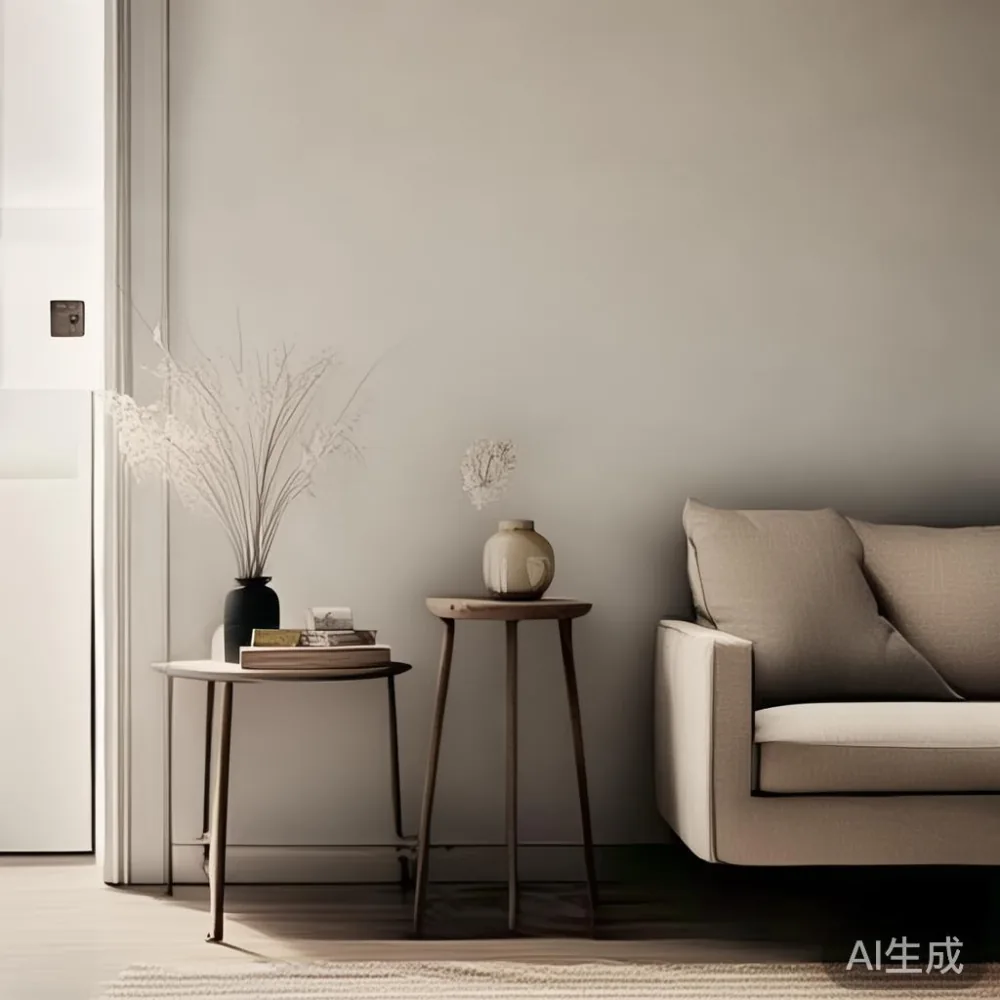
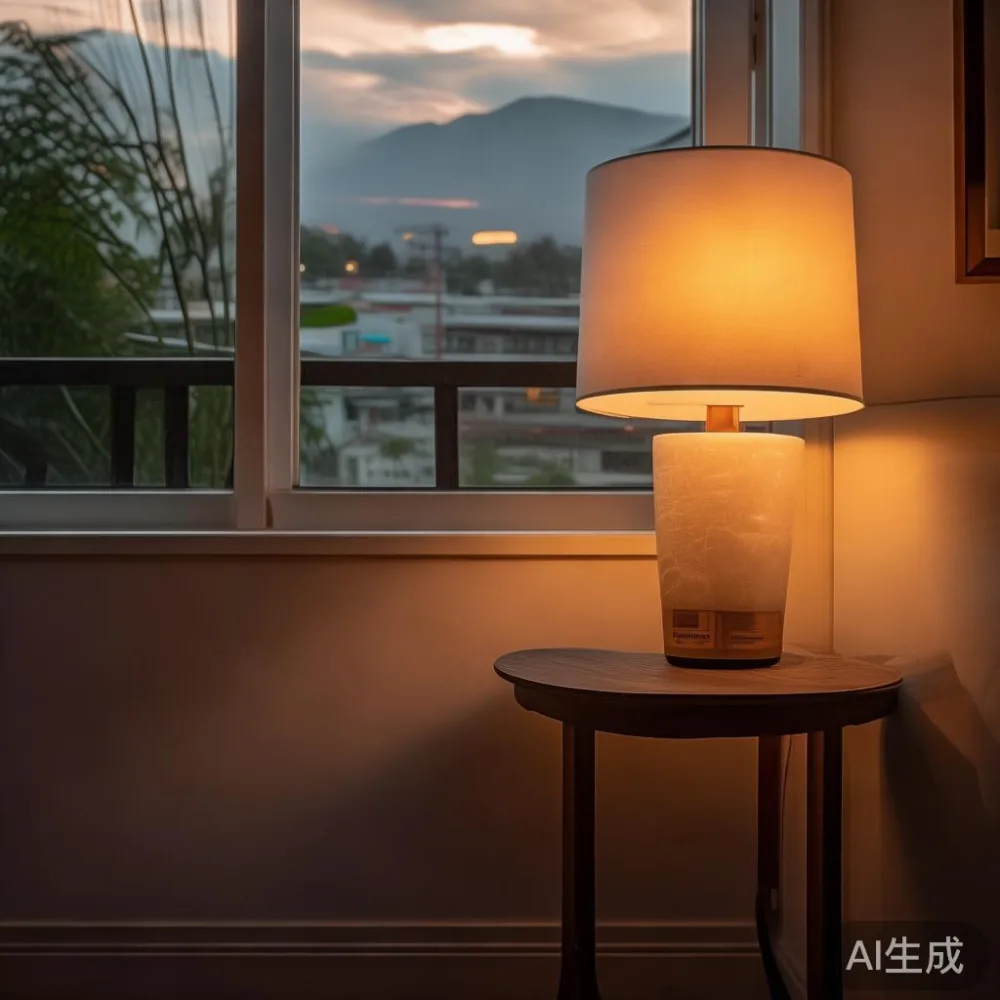
In a new Tampines flat, my client had a 285 cm sofa, a 220 cm dining table and three occasional tables. The living room looked styled but felt compressed because every surface ended near the same visual plane. Last month I visited her Punggol unit and moved one 50 cm side table beside the window. After measuring 86 cm between the sofa arm and balcony door, we kept a 75 cm passage clear, placed the table near the arm rather than in front of it and switched on a warm 2700K lamp. The room immediately gained breathing space, even though the furniture had not changed.
That experience shaped the approach below. It is grounded in Singapore homes, where common-room dimensions, lift and corridor widths, humid conditions and the 9% GST can all affect practical decisions. The figures are planning guides, not product specifications. For a made-to-order piece, confirm its final dimensions, finish and load rating before purchase.
What Size Side Table Fits a Small HDB Living Room?
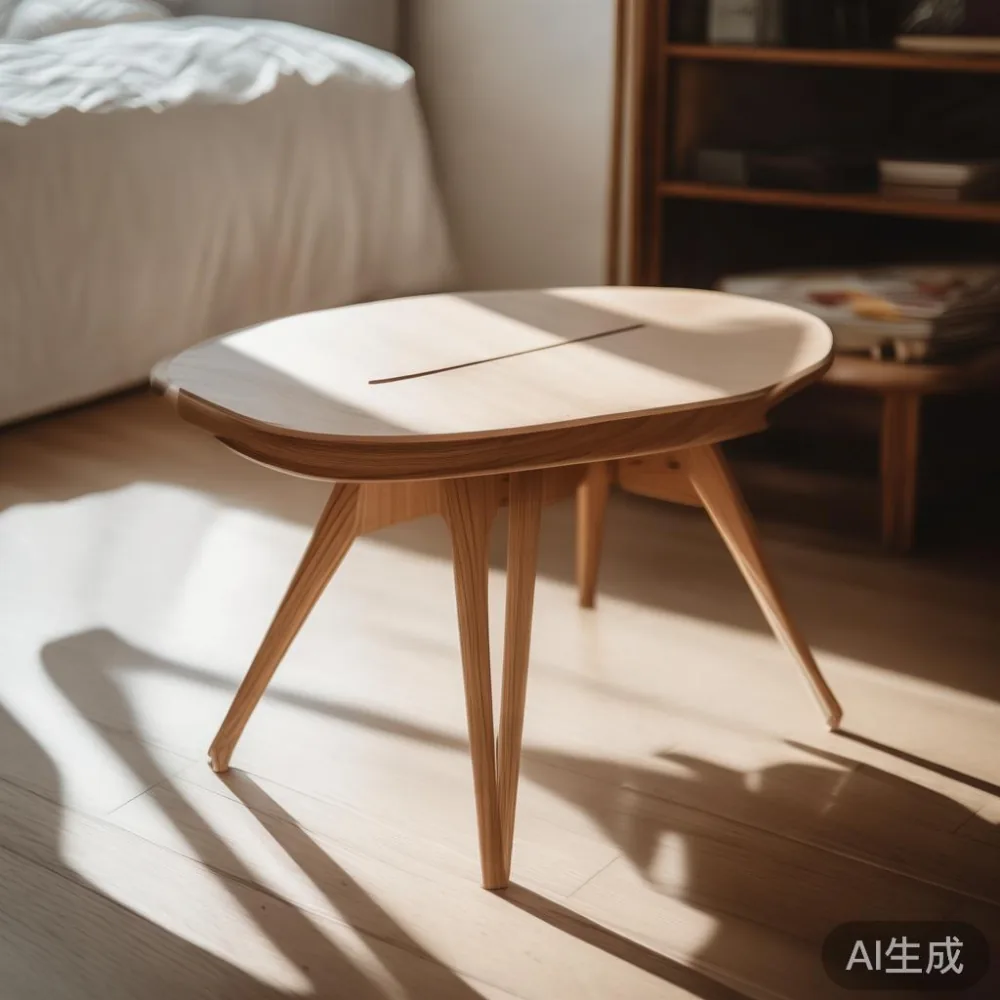
A compact side table usually starts at 40 cm wide and 40 cm deep. Many apartments can accommodate a 40–50 cm wide model if it is placed beside—not directly in front of—the sofa. Height matters too: the top should sit within about 5 cm of the sofa arm for visual continuity and easier reach. A 50–55 cm table is practical beside a standard 42–45 cm high seat.
Measure the available run before choosing. Use a tape measure across the wall, then subtract 10 cm for small gaps and uneven skirting. In Bedok, I measured a narrow 82 cm console recess where the owner wanted both a lamp and a charging point. A 45 cm wide side table with a 35 cm depth fitted without reducing the 75 cm walking route, while a 60 cm version projected into the corridor.
Keep the main passage at least 60 cm where possible, and aim for 75–90 cm where the route connects an entry door to a bedroom or kitchen. Doorways and lift doors must still open fully; check the swing or sliding clearance rather than relying on a floor plan. For a condominium, include the lift lobby in the thought process because a broad table can look generous inside yet be awkward to manoeuvre past residents in a 90 cm corridor.
Use paper floor templates for anything wider than 45 cm. Tape a 50 by 50 cm square in position, stand in the intended walking line and sit down in the chair. This simple test reveals whether the side table blocks knees, visually crowds the sofa or interrupts a natural route. A side table that can be moved with one hand is often more useful in a 40–55 m² flat than a heavier fixed-looking design.
Can a Side Table Really Make a Small Room Feel Less Crowded?
Yes, if it replaces clutter rather than adding another crowded object. The table should perform at least 2 of 4 jobs: holding a 15–25 cm table lamp, supporting a 30 cm cup and phone, charging a device through a concealed cable, or displaying one small object. A 45 cm square top has roughly 2,025 cm² of usable area, but leave 30% visually open so it does not become a display shelf.
Lightness comes from several details. Slim legs reveal the floor; a 2–4 cm top edge gives the silhouette precision; rounded corners soften tight angles; and a pale oak or warm walnut finish can echo the floor without adding a harsh block of colour. Avoid placing two equal tables on opposite sofa ends. Their matching forms make a compact room look symmetrical and fixed. One well-placed side table plus a 12–15 cm tray on a 100 cm sofa console usually creates enough surface area with less visual weight.
Think of vertical zoning. Place the side table 20–40 cm from the sofa arm and 5–10 cm from the wall, allowing the wall to act as a quiet backdrop. Keep the upper zone clear to 1.6 m if possible, especially near a doorway. A narrow floor lamp behind the table can draw the eye upward, but its base should remain within the table footprint or be thinner than 18 cm.
Which Style Suits French, Nordic or Modern Light Luxury?
For French light luxury, select turned or tapered legs, a softened rectangular shape and a finish such as warm oak, smoked walnut or muted cream. Keep ornament restrained: one shallow drawer can work, while carved aprons and cabriole-style legs may consume visual space. French light luxury often relies on proportion and material contrast rather than dense decoration.
Nordic interiors suit a 45 cm round or soft-square side table with ash, birch or pale oak tones. Use 2–3 legs where stability permits and leave 15–20 cm beneath the top. American light luxury pairs darker walnut with brass or blackened metal, useful in a Bedok condo where deeper tones anchor pale walls. Post-modern light luxury can use a geometric base or asymmetric shape, provided the top remains compact and the colours number no more than 3.
Search terms such as French sofa vs French provincial sofa are useful when matching an existing sofa, but the upholstery scale matters more than a label. A low, deep French provincial sofa can overwhelm a narrow room; pair it with one restrained side table rather than matching ornate furniture. Likewise, if comparing Japanese sofa vs Nordic sofa, low profiles and pale woods often create a lighter composition in Singapore conditions.
Other furniture comparisons can clarify the intended effect. A guide to Japanese sofa vs Nordic sofa may suggest very different seat heights, while American sofa vs Mid-century modern sofa often points toward tapered forms and visible legs. For a separate room, French provincial for guest room styling can use a small 40 cm side table as a landing surface without suggesting a full suite. For a work area, European light luxury for office decisions favour clean lines and useful cable management.
Use solid wood carefully. A solid wood sofa, bed frame, dining table or wardrobe can establish a warm material language, but the side table should echo that grain rather than imitate it exactly. A marble table may reflect light beautifully, yet a small square top can feel heavy beside a low sofa. If choosing stone, keep the profile under 4 cm and balance it with slender timber supports.
Where Should the Side Table Sit in an HDB or Condo?
The most useful location is beside the sofa arm, near a lamp or window. Leave 20 cm between the table and the seat if you need to walk past, or overlap the position by 5–10 cm if the table has no sharp corners and the route remains clear. In a 320 cm wide living room, a 45 cm table on one side can balance a 180 cm floor lamp on the other without filling both corners.
Near a window, avoid direct afternoon sun. Singapore afternoon light can be intense, and pale finishes may warm rapidly. Position a 40–45 cm table just outside the strongest sun patch, leaving 30 cm between the top edge and the frame. The gap creates light and prevents the table from reading as part of the window casing.
Near a TV console, keep at least 45 cm between the side table and the screen edge so the table does not form a visual extension of the media unit. Near a dining table, the side table should not fall within 60 cm of a dining chair’s rear leg; otherwise, pulling the chair out becomes frustrating. A 90 cm round dining table in a compact dining zone may need a 35 cm side table at its end rather than a 50 cm model.
For narrow corridors, consider depth before width. A 35 cm deep side table can hold a lamp and cup while projecting less into a 90–110 cm passage. Add wall fixing if the top overhangs by more than 8 cm, and verify that the fixing suits the wall construction. Rental conditions and moisture exposure make careful installation important.
How Do You Style a Side Table Without Creating Clutter?
Begin with a 3-layer composition: a functional base, one focal object and one restrained texture. For example, use a 22 cm ceramic lamp, a 15 cm stack of 2 books and a small 8 cm bowl. Keep the tallest item under 45 cm if the table sits beside eye level, or under 35 cm if it is next to a dining zone. Negative space should occupy at least half of the top.
Cables deserve attention. Use a 30–45 cm lamp cable with a clip or a small cable channel, but never route it across a walking edge. A side table with a 5 cm lip can contain a charging pad, while a wireless charging surface may reduce cable movement. Choose a 5W or 10W charging pad if it meets your device requirements and test it with the actual phone case.
Materials should contrast gently. A solid oak side table can support ceramic, linen, rattan or matte metal. A marble table works with darker timber and simple glass objects. Keep plastics to 1–2 small items so they do not dominate the composition. In humid areas, use coasters with a minimum diameter of 8 cm and wipe condensation from wood promptly.
Scale matters for smaller categories too. If the room contains a nightstand, use a similar height and wood tone so the home feels related, but vary the shape. A round nightstand beside a square bed can create balance. If a solid wood bed frame or dining table is visually heavy, a lighter side table can offset it without looking mismatched.
What Should You Check Before Ordering a Custom Side Table?
Check the final top dimensions, height, material, finish and weight before confirming. A nominal 50 cm table may vary by 1–2 cm because of joints or finishing. Ask whether solid wood, plywood or stone is used in each visible part, not simply in the main frame. Solid wood construction gives a substantial feel, while its movement in Singapore humidity makes regular care sensible.
For stability, confirm the maximum recommended load. A practical everyday load of 5–8 kg should be adequate for lamps, books and refreshments, but the manufacturer’s stated figure should guide you. Check that the table does not rock on an uneven floor; adjustable feet can help. If children or elderly relatives use the sofa, rounded corners and stable construction deserve more attention than decorative detail.
Compare total cost, not only the visible price. Singapore GST adds 9% to the displayed selling price. For example, a SGD 420 table becomes SGD 457.80 after GST before delivery or other applicable charges. A SGD 685 table becomes SGD 746.65. Ask whether assembly, white-glove placement and stair or lift access are included, particularly for orders above SGD 350 where shipping may be offered free under the stated threshold policy.
Delivery timing matters in a new flat. Allow 15–30 working days for a made-to-order solid wood piece, plus 2–5 days for dispatch or a scheduled arrival window. For an in-stock side table, 7–14 days may be possible, though peak periods and remote addresses can extend this. Measure the lift door and interior dimensions. A 105 cm wide lift with a 90 cm opening can accept a compact table, but a 60 cm boxed package may still be difficult to rotate through a narrow corridor.
MIDHILL, established in Foshan in 2008 and exporting to more than 15 countries, offers a 10-year structural warranty and lifetime refinishing on qualifying products. Its 14-day returns policy gives apartment buyers room to assess scale, but unboxing and checking should happen promptly. For a made-to-order piece, confirm return terms and finish samples before production.
Can One Side Table Replace Several Bulky Pieces?
Often, yes. A 50 cm table with a 35 cm depth can replace a bulky side cabinet beside the sofa, while a separate 25 cm wall shelf can carry books. In a small unit, distribute functions: use the side table for drinks and charging, a 120 cm console for media, and a wall-mounted 15 cm deep shelf for books. The result may provide roughly 25% more usable surface area without increasing the occupied floor footprint.
One caution: a side table should not become the permanent home of keys, mail, remotes, skincare, fruit and 4 kinds of charging cable. Grouping unrelated items on a small top makes the space look busier than empty storage. Use 1 tray for small daily objects and clear everything else each evening. The empty section is what preserves lightness.
For shoppers comparing an upholstered option, a MIDHILL sofa can be considered as the anchor piece when a side table must echo its colour and height. A short guide to the best Italian light luxury sofa for 2026 can help define restrained lines and premium comfort, though it does not replace checking actual dimensions. The more useful comparison remains practical: seat height, arm clearance, material tone and the gap left for circulation.
The right side table in a small apartment is rarely the largest one. It is the piece that offers a reachable surface, preserves a 75 cm route, matches the sofa’s material language and leaves room for air. Measure first, test with a cardboard template and limit the styling to 3 objects. A compact footprint of 45 by 35 cm can change how a 40 m² HDB flat feels; the discipline is knowing when not to add anything else.