What Influences the Price of Solid Wood Side Tables?
A solid wood side table can look simple while costing anywhere from SGD 180 to more than SGD 1,200. The difference is rarely explained by one dramatic material choice. Price is built from timber grade, moisture control, joinery, dimensions, hardware, finish, design, packing, and the commercial terms behind the maker.

That matters in Singapore, where a HDB flat in Tampines, a Bedok condo, or a compact Punggol home leaves little room for waste. A 45 cm side table may need a lift lobby at least 70 cm wide, while a 60 cm table with a diagonal top can be awkward to manoeuvre around a corridor turn. Before comparing prices, buyers should understand what they are actually buying.
This guide focuses on solid wood furniture, using the side table as the clearest example while applying the same pricing logic to a solid wood sofa, bed frame, dining table, wardrobe, nightstand, and marble table. For shoppers considering French provincial for apartment styling or Modern light luxury for apartment interiors, price transparency is especially useful.
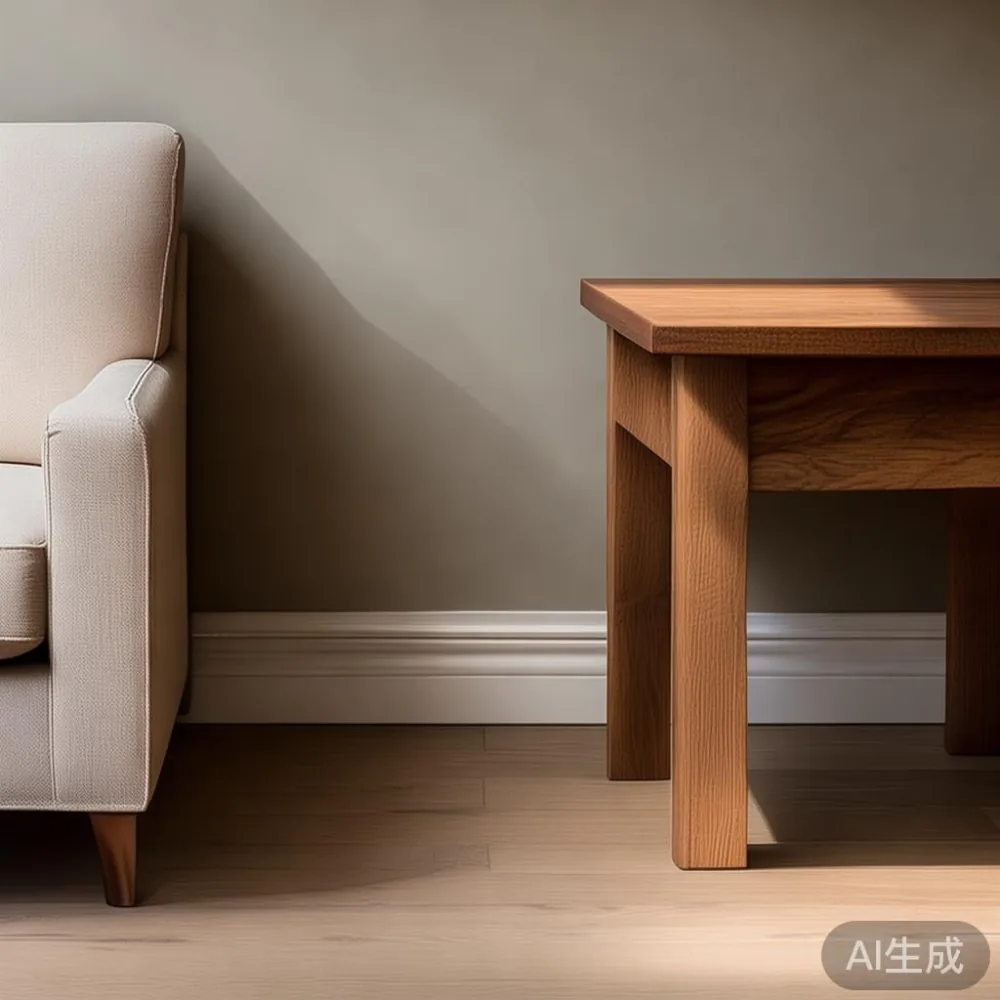
Is solid wood more expensive than engineered wood?
Usually, but not always. Solid timber has a higher material cost than particleboard or MDF because the maker must source suitable logs, cut defect-free sections, dry the timber, and preserve usable yield. An MDF panel may cost SGD 35 for a large sheet, while premium solid hardwood can reach SGD 220 per cubic metre or more before labour. The finished product also carries waste from trimming, sanding, and shaping.
However, an ornate design with carved panels, turned legs, or several hardwood species can cost more than a plain solid wood piece. An engineered wardrobe may use a strong frame and veneered doors for SGD 1,600, while a simple all-solid oak wardrobe may begin around SGD 2,400. For a side table, solid white oak at 50 × 50 × 55 cm might retail for SGD 520; a comparable painted MDF unit could cost SGD 220, but it will not offer the same repair, grain variation, or structural character.
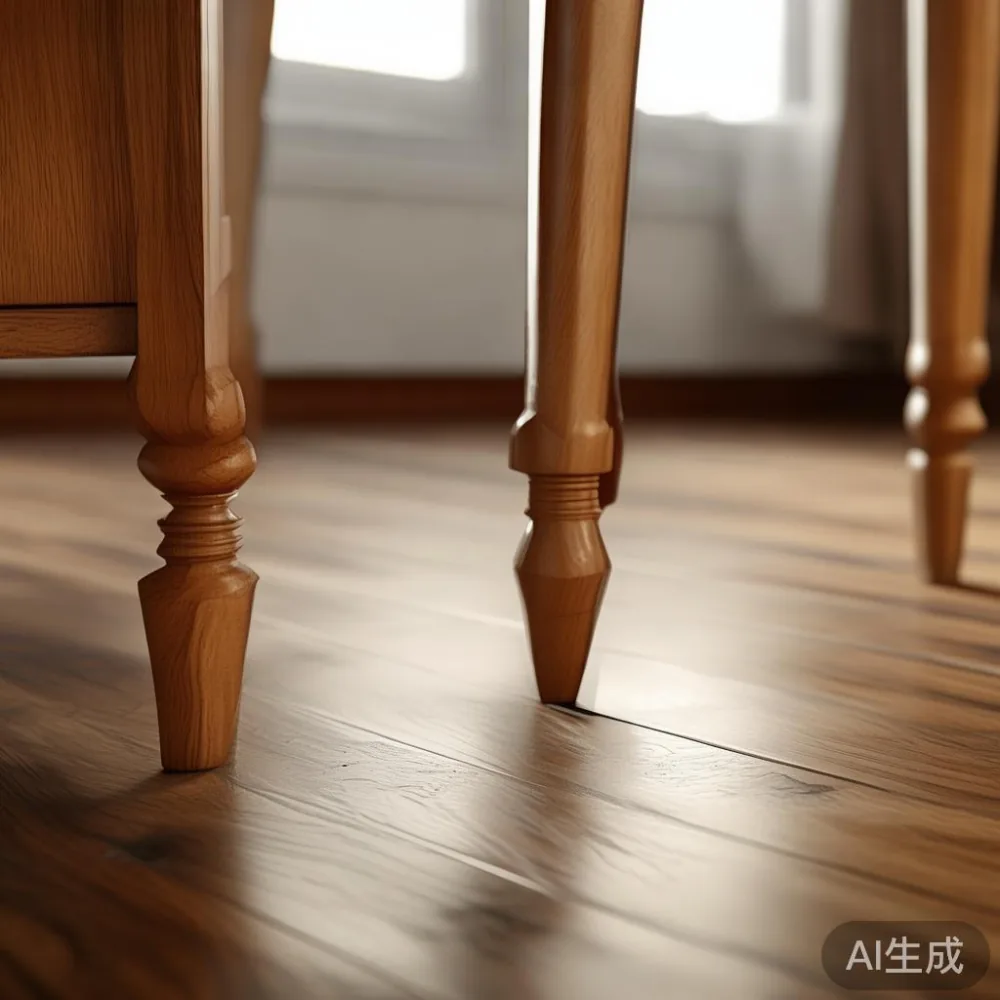
Solid wood also changes over time. Movement from humidity is natural, particularly in Singapore’s year-round conditions. Quality makers kiln-dry stock to about 8–12% moisture content, use suitable joinery, and allow for seasonal movement. A lower price may indicate faster drying, thinner stock, or construction methods that increase movement and cracking risk.
What drives the price of a side table?
Start with the board dimensions and timber species. A 20 mm top uses nearly twice the timber of a 12 mm top, while a 30 mm top has a visibly substantial edge. White oak, walnut, teak, ash, and cherry generally occupy different price bands. A 45 cm solid teak side table with a 25 mm top might cost SGD 690, while an 18 mm pine version could be SGD 260. Appearance matters, but thickness, drying, defects, and machining influence the actual price.
Joinery is another driver. Mortise-and-tenon joints, dowelled corners, and well-fitted drawers require more setup and checking than simple screw assembly. A nightstand with solid wood drawer sides, dovetail joints, and a 6 mm bottom may cost more than one with a 3 mm fibreboard bottom. Small components such as brass runners, soft-close hinges, and quality fasteners can add SGD 25–180 per drawer.
Finish changes the number too. Natural oil, hardwax oil, water-based lacquer, stains, and matte coatings require different preparation and labour. A clear matte finish might add SGD 35 to a basic side table; a hand-rubbed walnut finish with multiple sanding and sealing cycles could add SGD 90. Marble introduces another category of cost. A marble table may involve a 20 mm slab, reinforcement, polishing, sealing, and careful packing, so a 100 cm marble table can reach SGD 1,800 even before delivery.
The practical consequence is that a side table priced at SGD 390 is not automatically cheaper in use. A heavier unit may resist tipping, a stable drawer may close more quietly, and solid timber can often be sanded and refinished. The relevant comparison is years of service, not only the checkout amount.
How much should you pay for solid wood furniture?
There is no single fair price because furniture spans very different sizes and functions. A compact side table may be priced from SGD 180 to SGD 1,200. A dining table commonly starts around SGD 1,200 and can exceed SGD 5,000 depending on timber, top construction, and seating capacity. A bed frame can range from SGD 700 to SGD 4,500. A wardrobe may sit between SGD 1,600 and SGD 7,000, while a solid wood sofa with a hand-finished timber base can run from SGD 1,800 to SGD 7,500.
These ranges are more informative when tied to measurable specifications. Ask for the species, board thickness, moisture target, joinery, finish layers, drawer material, and warranty. Do not accept “solid wood” alone as a complete description. A product using solid oak in the frame but fibreboard in the back panel may still be legitimate, yet it should not be presented as solid throughout.
In my own visit last month to a furniture workshop, I tested several sample side tables. One 45 cm unit weighed 8.4 kg because of its 25 mm top and solid apron. A lighter look-alike weighed 4.7 kg and had a thinner apron. When I pushed each against a door in the workshop, the heavier table moved less, although weight alone did not guarantee stability. The more important discovery was the drawer: the heavier unit used a hardwood bottom and a smoother runner, while the lighter model used a thinner panel that flexed when loaded.
That inspection showed why price cannot be judged from visual style alone. A modest SGD 80 difference may buy a stronger structure, better drawer components, and more controlled finishing.
What should Singapore buyers account for beyond the sticker price?
Delivery is part of the furniture budget. A Singapore HDB lift may measure roughly 90 × 140 cm internally, but the door, turning space, and resident priorities determine whether a large table fits. A 180 cm dining table with a solid top can weigh 65 kg and require at least 3 people, a lifting service, or a specialist mover. A 90 cm side table may weigh 12 kg and fit through a 70 cm doorway with careful turning.
Ask whether delivery includes carrying upstairs, unpacking, assembly, and removal of packaging. A quoted SGD 80 service can become SGD 180 if stairs, a long corridor, or a second delivery appointment are involved. For bulky furniture, the lift booking and building rules should be checked before purchase.
GST also affects the visible amount. For an SGD 980 item, the current 9% GST adds SGD 88.20, producing SGD 1,068.20. GST-registered business buyers may claim eligible input GST, but residential customers still pay the displayed tax. Warranty terms matter too: a 10-year structural warranty can add value even when the piece is not the most expensive. Look for written coverage of joints, frames, and structural failure, not vague promises about “future use.”
Delivery time is another commercial factor. Standard production may take 25–45 days, while custom dimensions can require 50–75 days. A made-to-order wardrobe may take 8–12 weeks. A maker with clear communication and realistic lead times may offer better planning than a low-priced seller whose delivery estimate is vague.
How does style affect the price of solid wood furniture?
Style affects labour through its details. Straight edges and restrained forms are usually efficient to produce. French provincial styling may add carved aprons, shaped legs, bevelled panels, and decorative hardware. Those details can add SGD 120–600 to a side table, depending on whether they are carved by hand or made with repeatable machining.
American light luxury often balances generous proportions with controlled detailing: a thick top, rounded corners, brass hardware, and a warm finish. Post-modern light luxury may use unusual geometries, mixed materials, or carefully repeated profiles. These approaches can increase prototyping and sanding time. Italian light luxury nightstand design may use compact proportions, precise joints, and a marble or stone accent; the material change alone can add more than SGD 150.
Storage is another source of price. The phrase Mid-century modern with storage often describes a side table with drawers, a lower shelf, or a concealed compartment. A 55 cm unit with 2 solid wood drawers might cost SGD 680, while a similar table with an open shelf may cost SGD 420. Storage requires internal supports, drawer alignment, and hardware, but it can improve usefulness in a compact bedroom or living room.
For shoppers searching for under 2000 Japandi furniture, the target should be a total project budget rather than a single item. A Japandi side table at SGD 390, a bed frame at SGD 1,150, and a dining table at SGD 1,600 would exceed SGD 2,000 when combined. That does not make any one item poor value; it simply means the project needs a spreadsheet, measurements, and priorities.
What questions can reveal a fair solid wood price?
Ask whether “is light luxury wardrobe worth it” depends on internal construction rather than the label. A useful answer should identify the timber species, back-panel material, drawer components, hanging space, finish, and warranty. A wardrobe with solid wood hanging rails, 15 mm shelves, dovetail drawer boxes, and soft-close hinges may justify SGD 3,200. A visually similar unit at SGD 1,400 may use 12 mm boards throughout and basic runners.
Ask for a sample, a dimension drawing, or a photographed underside. Confirm whether the advertised measurement is the external size and whether the product is shipped flat-packed or fully assembled. For a side table, confirm the top thickness, apron depth, leg section, shelf clearance, drawer opening, and floor clearance. These details affect both appearance and everyday use.
Ask what happens if the table arrives damaged, and how returns work. A 14-day return period may be appropriate for unused, protected items, while custom pieces can have different conditions. Clear policies protect both buyer and maker. MIDHILL’s stated 10-year structural warranty, lifetime refinishing support, and free shipping above US$350 illustrate how service commitments can form part of the value equation, though the customer should verify how those terms apply to a particular side table.
Finally, compare total ownership over at least 10 years. A dining table that can be refinished may serve several households and suit changes in a Tampines or Punggol home. A nightstand may need to survive daily charging cables, water rings, and tight corners. A marble table may offer a luxurious surface but require more careful support and transport. The right price is the amount that matches the construction, service, space, and expected use.
Solid wood furniture is priced by a chain of decisions. Timber selection accounts for material variation; drying and machining affect waste; joinery and storage affect labour; finishes and hardware add measurable cost; delivery and warranty complete the transaction. Once those numbers are visible, a side table—or any larger furniture piece—becomes easier to compare. The objective is not to find a dramatic headline price, but to identify the quality that remains useful after the first photograph, the first move, and the next decade.