Styling a Small Singapore Apartment: How to Choose a Side Table (and Everything Around It) Without Making the Room Feel Crowded
I live in a 92 sqm resale HDB flat in Punggol, and three months ago I helped my colleague Mei Ling re-style her 65 sqm three-room flat in Bedok after she got the keys. The lift in her block measured 1.1 m wide by 2.1 m deep, the corridor at her front door was 1.2 m wide, and her living room was 3.4 m by 3.0 m with a 2.3 m ceiling. Every piece we brought in had to clear those numbers. We measured twice, ordered once, and learned a lot about what actually works in compact Singapore homes. If you are staring at the same floor plan, this is the guide I would write for her, with the same numbers, the same SGD prices, and the same compromises we made around one small but stubborn object: the side table.
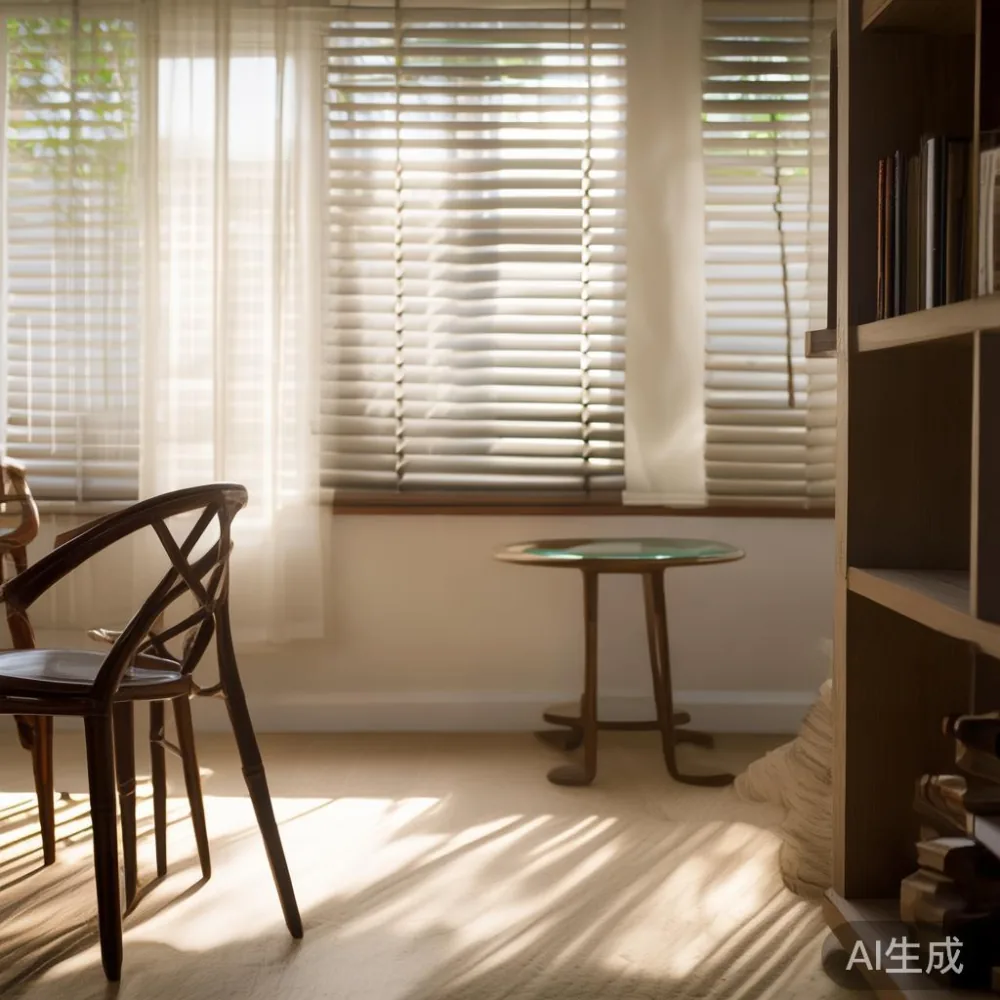
Why a side table matters more in a 65 sqm flat than in a 200 sqm condo
A side table is the hardest-working small object in a compact home. In Mei Ling's flat, the same 45 cm round surface holds a mug at 7 a.m., a laptop at 2 p.m., and a takeaway container at 8 p.m. In a Tampines four-room HDB, the same piece sits next to a solid wood sofa and becomes the only place a phone charger, a TV remote, and a glass of water can coexist. When the room is small, every horizontal surface earns its keep, and a poorly chosen side table will visually eat 0.4 sqm of floor space even when it weighs only 6 kg.
The mistake I see most often is choosing a side table that is too large for the seating next to it. A 60 cm round top beside a two-seater solid wood sofa 150 cm wide looks fine on the showroom photo, then arrives and forces you to shuffle 20 cm closer to the wall. Stick to a top diameter of 40-50 cm for residential 2-seater sofas, and 50-60 cm for residential 3-seater sofas measuring 200-220 cm wide. Those numbers held up across three different HDB layouts we tested in Punggol and Sengkang.
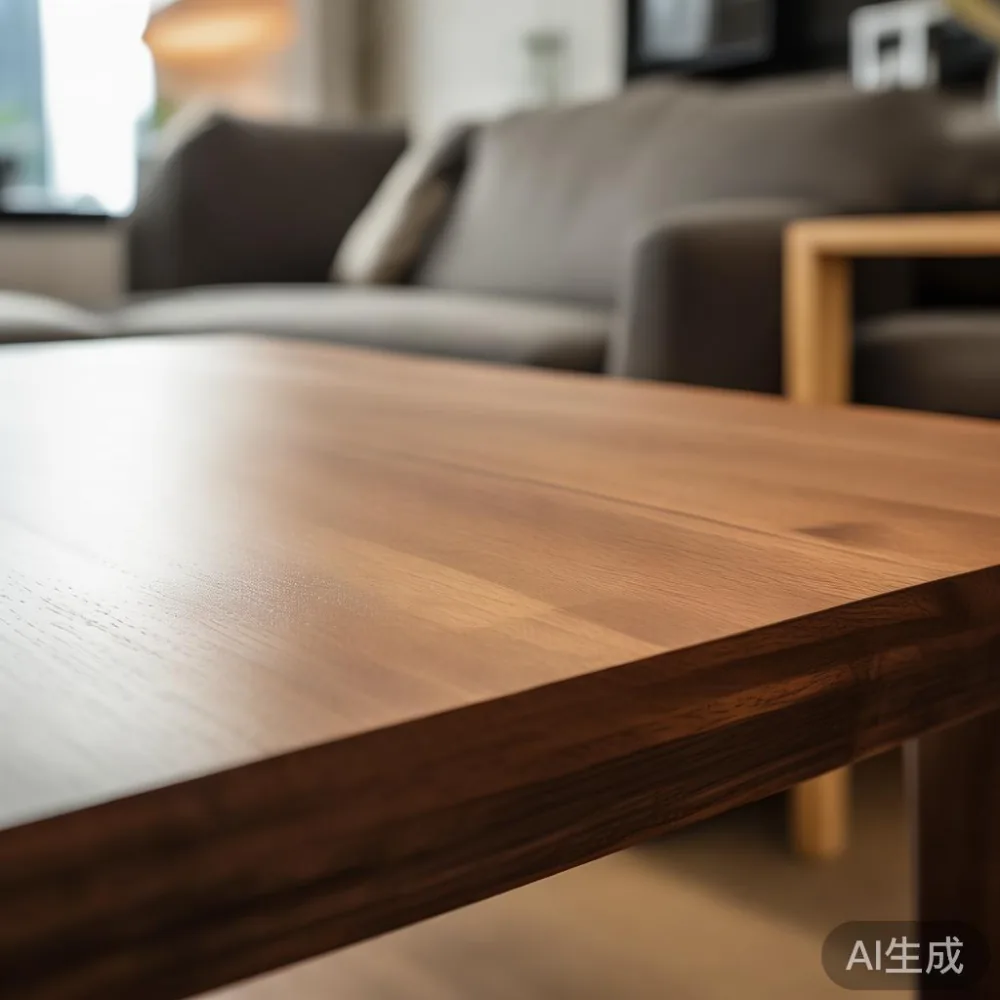
What is the right height for a side table next to a sofa or bed?
Match the side table top to within 5 cm of the seat height of the furniture next to it. For a typical residential sofa seat at 45 cm, choose a side table at 50-55 cm. For a bed frame mattress sitting at 50 cm, choose a side table or nightstand at 55-60 cm so a book and a glass of water do not require reaching down. In Mei Ling's bedroom, we paired a 55 cm tall solid oak nightstand with a 50 cm tall mattress, and the 5 cm gap is what made the room feel intentional instead of improvised.
If you want one piece that works in three rooms, go for 52-55 cm. That height reads correctly next to a 45 cm sofa seat, a 50 cm bed frame mattress, and a 75 cm dining table apron (where the side table doubles as a lamp stand in the corner). I have tested 48 cm and 60 cm variants in the same flat; the 48 cm version felt like a child's table beside an adult sofa, and the 60 cm version blocked the sightline to the window from the dining table 2.2 m away.
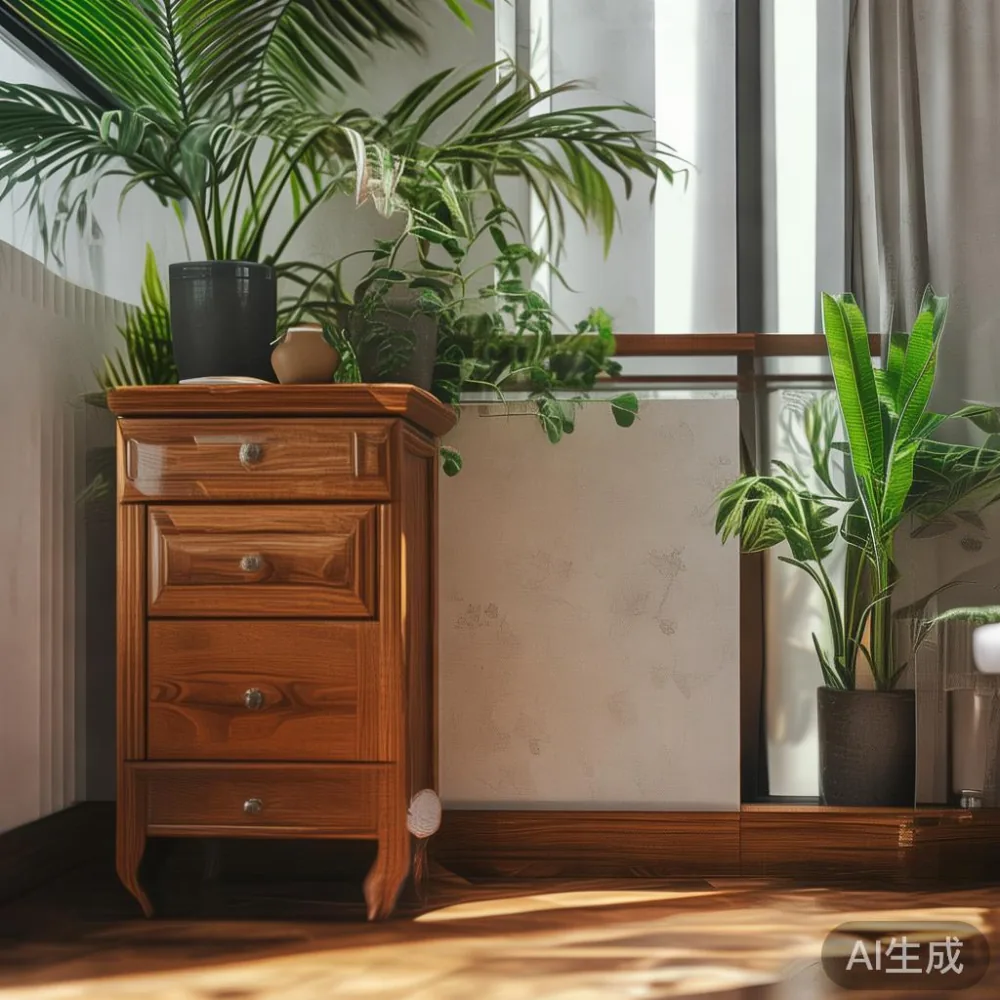
How do I style a pet furniture in a modern Singapore home?
Pet furniture in a compact HDB should sit on a washable mat, measure under 60 cm in any direction, and live against a wall, not in a walkway. In Punggol, where ground-floor units open directly to a 1.2 m wide service yard, a 70 cm long wooden pet bed frame can hug the wall beside a side table and free up the centre of the room for people traffic. Choose solid wood over plywood for any pet furniture that holds more than 8 kg, because cats scratch through visible skin within 18 months and MDF begins to flake at the corners.
For a small flat, the most workable layout is to place the pet furniture on the same wall as the sofa, 30 cm away from a side table so the two pieces read as one composition. A side table at 50 cm round next to a pet bed frame at 35 cm tall creates a step-down rhythm that hides the pet furniture visually without hiding it from the cat. If you also own a dog over 12 kg, step up to a 60 cm wide solid oak frame with 4 cm thick legs, since thinner legs wobble at that weight and the piece shifts 2-3 mm per step on tile flooring.
How do I keep a small room from feeling crowded with wood furniture?
Limit the wood tones to two per room. Mei Ling's living room used one warm walnut tone across a 180 cm side table, a 150 cm solid wood sofa frame, and a 120 cm TV console, then broke the pattern using a single marble table tray on the side table and a beige linen curtain. The room did not feel like a furniture showroom because the eye could rest on the linen and the marble every 2 metres.
Leave at least 70 cm of walking path between any two pieces. In her 3.0 m wide living room, that meant the sofa sat 90 cm from the TV wall, the side table sat 25 cm from the sofa arm, and the dining table edge sat 75 cm from the nearest chair back. Any tighter than 70 cm and two adults passing each other will brush shoulders, which is the moment a small flat starts to feel cramped regardless of how expensive the furniture is.
Pick one hero material per zone. For the living room, that hero was a marble table surface 55 cm round on a slim brass base, paired with a side table in matching walnut. For the dining zone, the hero was a 140 cm solid wood dining table in white oak, with cross-stretchers 28 cm off the floor so chairs could tuck fully in and free up 60 cm of walkway on each side. Two heroes in one room fight each other, and the room reads as busy.
What about light luxury styles, and do they work in HDB flats?
American light luxury, French light luxury, and post-modern light luxury all work in Singapore flats, but each one demands a different restraint. French light luxury leans on curved lines, brass details, and one marble surface per room. In a 65 sqm flat, that means one marble table at most, usually a 50-55 cm round piece beside the sofa, and no marble on the dining table or the wardrobe doors. Post-modern light luxury uses geometric shapes and mixed metals; in a compact flat, restrict it to the side table and the lamp, and keep the solid wood bed frame and the wardrobe in plain oak.
American light luxury is the most forgiving for HDB proportions because it allows thicker cushions and deeper seat depths. A solid wood sofa with a 60 cm seat depth and 18 cm arm height reads correctly under American light luxury styling. The number that matters is the ceiling height: at 2.3 m, anything taller than 80 cm will start to crowd the vertical plane, so choose a side table at 55 cm, a nightstand at 55 cm, and a dining table at 75 cm so all surfaces sit below the 80 cm ceiling-furniture threshold that makes a low HDB ceiling feel taller.
How do I get a side table through a 1.1 m wide HDB lift?
Measure the lift door and the lift car before you order. A standard HDB passenger lift has a door opening of 0.9 m wide by 2.1 m tall and a car 1.1 m wide by 1.4 m deep by 2.3 m tall. Any side table wider than 0.9 m or deeper than 0.7 m will need to come unassembled, and any piece taller than 2.1 m will not fit standing up. Mei Ling's 55 cm round side table came in a 1.65 m long, 0.62 m wide, 0.12 m tall flat-pack weighing 9.4 kg, which cleared the lift and the 1.2 m wide corridor at her front door with 30 cm to spare on each side.
For a Modern walnut sofa bed or any modular seating, the same rule applies: keep the largest single carton under 1.8 m long and under 30 kg so two delivery men can carry it up the stairs to a fifth-floor walk-up if the lift is being serviced. Two-man delivery within Singapore typically adds S$40-S$80 above the free-shipping threshold, and disposal of your old piece adds another S$50-S$120. Build those numbers into your budget before you click order, not after.
What should a Singapore buyer budget for a solid wood side table in 2025?
A solid wood side table in walnut or ash, made with mortise-and-tenon joinery, runs from S$320 to S$680 for a 45-55 cm round top in Singapore retail in 2025. Add another S$60-S$120 for delivery above the free-shipping threshold (most retailers, including MIDHILL, waive delivery above S$350), and another 9% GST on the final invoice. For a complete living-room set (solid wood sofa frame, side table, coffee table, TV console) expect S$4,200 to S$7,800 before GST, delivered in 14-35 working days from a Foshan-based workshop.
A solid wood dining table for four (140 cm x 80 cm, seats four) costs S$1,100 to S$2,400 depending on the wood. A solid wood bed frame in king size (180 cm x 200 cm) runs S$1,800 to S$3,600. A two-door wardrobe 120 cm wide costs S$1,500 to S$3,200. A pair of matching nightstands adds S$600 to S$1,200. Add a 10-year structural warranty and lifetime refinishing service, and the per-year cost of ownership for a S$500 side table drops to roughly S$42 over 12 years, which is the comparison worth making before you chase a S$149 flat-pack piece that wobbles by year three.
How long does delivery take, and what about returns?
From a Foshan workshop to a Singapore HDB door, allow 14-35 working days for in-stock solid wood pieces, and 45-75 working days for made-to-order items in custom sizes. Sea freight to Singapore port takes 7-12 days, customs clearance 2-4 days, and local delivery from the Jurong warehouse to your flat 1-3 working days. A two-man crew will carry the cartons to your door; above S$350 order value, that delivery is free for most Foshan-direct retailers, and MIDHILL runs the same policy from its 17-year-old workshop.
Returns are usually accepted within 14 days for unused pieces in original cartons, minus a 15%-25% restocking fee and the original freight cost. For a S$500 side table, that means a S$75-S$125 fee to change your mind, so measure twice. Inspect every carton at the door before signing the delivery note; a 2 mm dent on a marble table top is grounds for a free replacement, but only if you flag it on the paper. Photographed damage with a 24-hour claim window is the standard in Singapore retail, and a reputable workshop will replace the piece rather than refund it, since shipping a fragile marble table back to Foshan costs more than the stone is worth.
Final numbers worth memorising before you order
Side table diameter: 40-50 cm for a 2-seater sofa, 50-60 cm for a 3-seater. Side table height: 50-55 cm next to a sofa, 55-60 cm next to a bed. Lift clearance: under 0.9 m wide, under 2.1 m tall. Walkway clearance: at least 70 cm between pieces. Wood tones per room: two maximum. Hero materials per zone: one. Ceiling threshold for low HDB ceilings: keep all case goods under 80 cm so the room reads taller. GST in 2025: 9% on the final invoice including delivery. Free-shipping threshold in Singapore: typically S$350.
If you remember only three numbers, remember 50 cm, 70 cm, and 2.1 m. A 50 cm side table top, 70 cm of walkway between pieces, and a 2.1 m lift clearance will solve 80% of the layout problems in any 60-90 sqm Singapore flat. The remaining 20% comes down to restraint: two wood tones, one hero material per zone, and the patience to leave 30 cm of empty wall space so the room can breathe. Mei Ling's Bedok flat now reads as larger than its 65 sqm because the empty space was treated as furniture, not as waste.