Side Table: What Really Drives the Price of Solid Wood Furniture?
Solid wood furniture looks simple until two nearly identical side tables arrive with very different price tags. One may use solid oak, mortise-and-tenon joints, and hand-applied finishes, while the other hides thin veneers, particleboard, and shortcuts beneath a similar brown surface. The visible design is often the smaller part of the story.
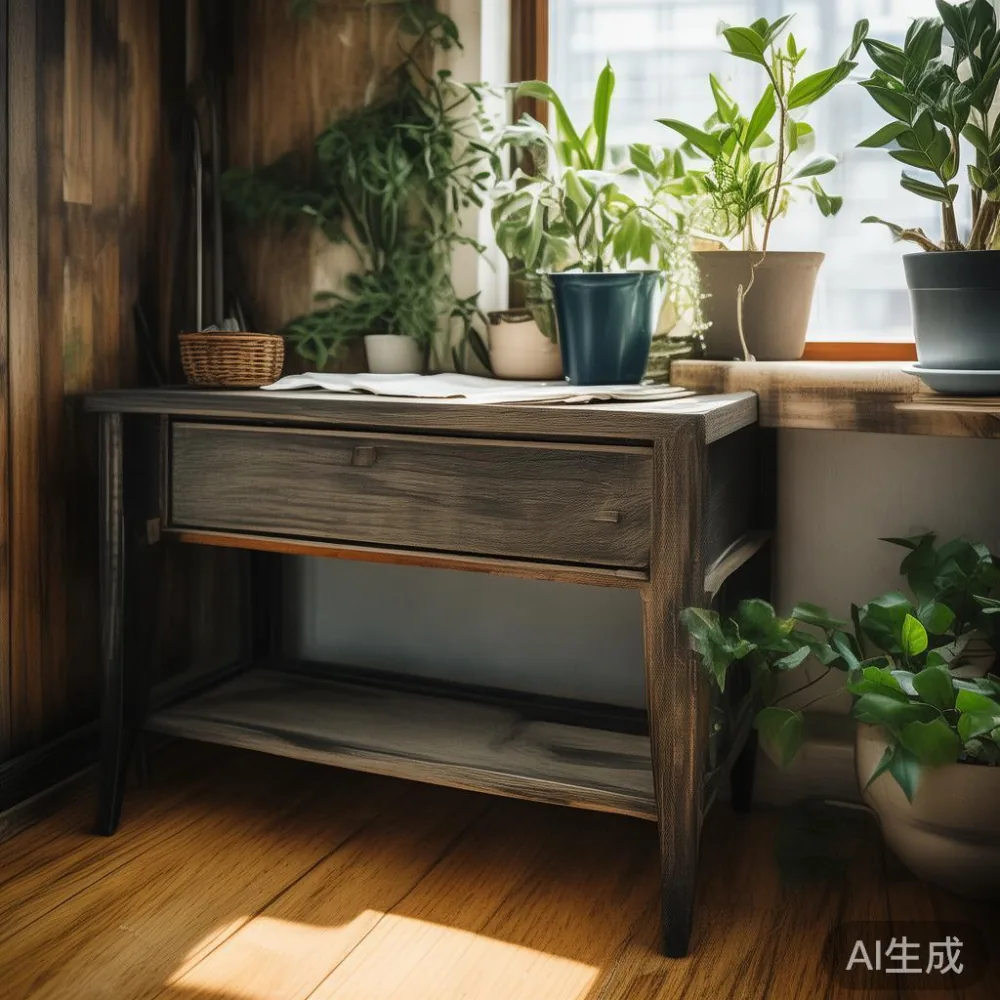
For Singapore homes, price also reflects practical constraints. A side table for a Tampines HDB flat must fit through a common 90 cm door and move past a lift measuring about 110 cm wide by 140 cm deep. A Condo unit in Bedok or Punggol may have wider corridors but stricter delivery windows. GST, packaging, and the distance from the workshop all matter.
This guide explains the actual cost drivers behind solid wood furniture, using side tables as the main example while comparing the same principles with a solid wood sofa, bed frame, dining table, wardrobe, nightstand, and marble table.

Is the material genuinely solid wood?
The starting point is not the wood species but the construction method. Solid timber is milled from whole pieces of wood. Veneer uses a thin, real wood layer bonded to a cheaper core. Particleboard and fibreboard are engineered products made from compressed fibres or chips. A veneer may look convincing, but it behaves differently along edges, around screws, and after years of humidity changes.
For a 50 cm-wide side table, the hidden structure may include a 40 cm-wide top, 4 legs, a drawer box, drawer front, and rear panel. Solid construction can use about 12 to 18 kg of oak, compared with roughly 7 to 11 kg in a mixed-material version. A heavier table may require more machining, a stronger internal frame, and a higher-quality finish.
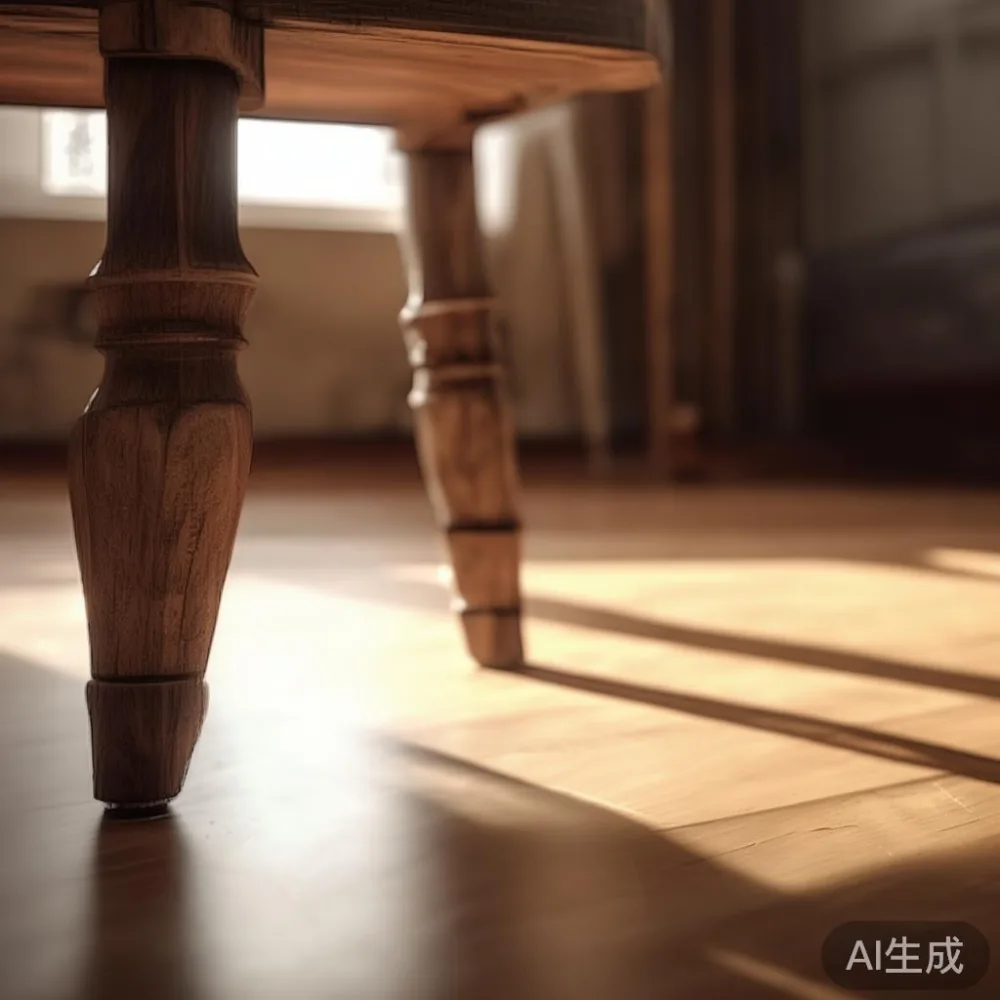
Ask the seller for a material breakdown. A clear answer should specify which components are solid wood and which are engineered. “Wood furniture” alone is too vague. Diagrams, section views, and close photographs of the underside are useful because the construction of a solid wood sofa, bed frame, dining table, wardrobe, or nightstand should be consistent from exposed areas to concealed parts.
Wood species also affect price. Common rubberwood and kiln-dried oak are often more affordable than dense walnut, ash, or teak. Walnut is not automatically superior for every application: movement, grain selection, moisture treatment, and workmanship can matter more than the label. High-grade timber also has more waste because boards with knots, splits, or uneven colour are excluded.
For a 45 cm bedside side table, expect solid oak models to sit around SGD 420-SGD 780, while walnut versions commonly fall around SGD 680-SGD 1,250. Prices can move by SGD 100 or more depending on the drawer mechanism, leg profile, and finish. A designer European light luxury furniture project may cost more because of shaped details and labour-intensive production, not merely a prestigious name.
How much do joinery and manufacturing methods matter?
Joinery separates sturdy furniture from furniture made primarily for visual impact. Mortise-and-tenon joints, dowelled corners, and bridle joints create stronger connections than screws driven only into end grain. Drawer boxes assembled with dovetail joints are more expensive, but they are useful indications of attention to detail.
Machine-assisted production keeps prices controlled while skilled hand fitting creates variation in French light luxury or American light luxury pieces. A drawer front may take 20 to 35 minutes to shape and sand by hand. Round edges require repeated sanding at 80, 120, and 220 grit. With 3 drawers and 4 legs, finishing can add several hours before oil or lacquer is applied.
CNC cutting improves repeatability, yet it does not remove the need for sanding, fitting, and quality checks. Mass production lowers unit costs. Small batches raise them. The manufacturing claim “made in China,” as used by many Foshan exporters, does not by itself identify poor workmanship; factory standards, production method, and material specifications matter.
One real example from my own recent test: last month I visited a supplier and inspected two 55 cm side tables priced within SGD 120 of each other. Both had oak-look surfaces. The lower-priced version had particleboard drawer boxes and a veneer top. The other used solid oak throughout, including the drawer sides and rear panel. Its underframe also had corner blocks fixed with dowels and screws. The weight difference was 4.6 kg, and the drawers ran noticeably more squarely.
The point is not that heavier always means better. A badly fitted solid-wood drawer can still jam. It is that the material and assembly choices account for a measurable amount of the final price.
Why do finish, colour, and surface preparation cost so much?
Finish is often treated as a minor specification, although it can add 8 to 18 percent to a side table’s price. The preparation sequence may include sanding, filling, stain matching, sealing, and a final protective coat. Water-based polyurethane usually has a lighter odour and can be more convenient in a Singapore home. Oil finish gives oak or walnut a tactile, natural appearance but needs periodic care. High-sheen lacquers can change the perceived colour of timber.
Matching a specific finish across a solid wood bed frame or dining table is harder than matching powder-coated metal. Large panels show colour differences because wood absorbs stain at different rates. A side table with 2 drawers may need 2 separate finish samples before production begins, especially if the grain direction changes.
Smoke, distressed, wire-brushed, and fumed finishes demand extra processing. Wire brushing removes fibres from the surface, while fuming reacts chemically with tannins in oak. These effects can consume 30 to 60 minutes more per component. They should be disclosed, because a heavily processed surface is not the same as a naturally varied grain.
Marble or stone elements introduce another layer. A marble table may combine a 12 mm or 20 mm stone top with a timber or metal base. Stone selection, reinforcement, edge treatment, packaging, and liability during installation all affect the price. For shipping to Singapore, a 90 cm marble top must be protected against fracture; reinforced corners and a fitted crate can add SGD 80-SGD 220 to freight for one table.
Does design complexity explain a luxury price?
Curves, carved details, unusual joinery, and oversized forms raise labour and material requirements. A 45 cm side table with tapered legs may use less timber than a chunky 60 cm version but take longer to produce because each leg has to be cut and finished accurately. Soft corners also require more sanding than sharp geometry.
Design language carries a commercial cost, but a style label should never substitute for specifications. French light luxury typically balances decorative detail with restrained colour. American light luxury often emphasises generous proportions and comfort. Post-modern light luxury may use mixed materials and geometric forms. These styles can all be well made or poorly made.
The phrase is Italian light luxury sofa worth it, for example, cannot be answered without checking frame timber, suspension, upholstery density, and cover construction. Similarly, is Italian light luxury bed worth it depends on the centre support system and joint methods rather than Italian wording alone. A solid wood sofa may use kiln-dried hardwood, webbing, foam, and fibre wrapping; a bed frame may use a plywood or slatted platform; a wardrobe may combine solid frames with engineered panels where hidden.
Designers also specify small details that can add value: a rounded edge, concealed fasteners, aligned drawer gaps, adjustable feet, a charging cut-out, or a 3 cm extension leaf. For a side table beside a bed, a 48 cm top and 54 cm height are common. Ensure it clears a mattress by roughly 5 to 10 cm and does not protrude into a narrow walkway.
How do size, weight, and packaging affect the delivered price?
Dimensions affect both material use and logistics. A side table that is 60 cm wide and 50 cm high may contain approximately 30 to 50 percent more timber than a 45 cm version. Its shipping carton may measure 65 by 58 by 56 cm. In an HDB block, delivery workers must turn it through corridors and fit it into a lift with internal dimensions near 110 by 140 cm.
A flat-packed table can reduce freight by 20 to 35 percent, although assembly then takes 20 to 45 minutes and requires space. A fully assembled model often looks more refined in a showroom and is simpler to position, yet it is more likely to suffer transit damage. White-glove delivery may add SGD 45-SGD 120 for a normal route, with stairs or narrow access charged separately.
Protection is not waste. Foam corner guards, moulded trays, and double-wall cartons protect joints and veneer edges. A poorly packed dining table can arrive with a cracked apron even when the timber itself was sound. Insurance, replacement parts, and a shorter return process also have a cost, particularly for bulky items.
For households in Punggol or Tampines, measure before ordering. The route from the lift to the living room may include a 75 to 90 cm doorway and a turning corridor narrower than the delivery lift. Check whether the side table can be separated into sections rather than forcing a 60 cm piece through a 55 cm opening.
What does a transparent warranty reveal about price?
A warranty is not merely a marketing line; it reflects the confidence of the manufacturer and the cost of supporting the product. A 10-year structural warranty on joinery indicates that the supplier expects the core frame to remain stable under normal use. Lifetime refinishing is a different service: it does not mean a free new piece every year. It usually means the maker will refinish wear or damage under stated terms, with labour, return transport, or material charges possibly excluded.
Read the definition of “structural.” It should specify which failures are covered and whether the warranty follows the buyer, the property, or the original invoice. Check whether movement, insect damage, water exposure, and finish failure count as structural issues. A clear policy is useful even when the furniture is inexpensive.
Return arrangements also influence pricing. A 14-day return policy gives buyers time to inspect a side table at home for drawer alignment and finish colour. Freight-heavy returns can reduce access to low-cost products, but they make shopping less risky. Some sellers charge a return fee or only accept certain size classes.
MIDHILL, a Foshan solid wood maker established in 2008, states a 10-year structural warranty, lifetime refinishing, 14-day returns, and free shipping above US$350. International figures need conversion because listed thresholds may not directly match Singapore dollars. GST and local delivery terms should still be confirmed in writing, including what happens if a parcel is refused or damaged.
How should Singapore buyers compare quoted prices?
Compare complete delivered prices, not just the product price. Add GST where applicable, delivery, installation, stair charges, and any assembly requirement. A side table listed at SGD 520 may become SGD 598 after GST but remain cheaper than a SGD 610 model with delivery included.
Build a specification sheet with 8 questions: 1. Which parts are solid wood? 2. What are the exact dimensions and weight? 3. Which joints are used? 4. What is the drawer or storage mechanism? 5. What finish is applied? 6. What happens if the item is damaged in transit? 7. What does the warranty cover? 8. Can the piece be separated for access?
Price bands help set expectations. A straightforward 45 to 55 cm solid-oak side table often falls around SGD 420-SGD 780. A shaped walnut side table with a refined drawer may reach SGD 700-SGD 1,250. Hand-finished or collectible versions can exceed SGD 1,500. A full-size dining table generally starts around SGD 1,200, while a marble table may range from SGD 1,600 to over SGD 4,000.
Other product categories follow similar logic. A solid wood bed frame may cost SGD 980-SGD 2,800, depending on the slat system and headboard. A solid wood wardrobe may range from SGD 1,500-SGD 4,500. A well-specified nightstand should be judged like its side-table equivalent, while a solid wood sofa may cost SGD 2,200-SGD 6,500 because of upholstery and suspension.
Style terminology can help during a broad search. The best Vintage bed for 2026, for instance, depends on whether “vintage” describes a reproduced silhouette, reclaimed timber, or an older design language. Japanese for dining room may lead towards low profiles, natural timber, and careful spacing, but origin claims alone do not establish quality. The right comparison is between items with similar dimensions, timber, joints, finish, warranty, and delivery terms.
What should a fair solid-wood price include?
A fair price supports identifiable materials, sound construction, controlled finishing, protected delivery, and enforceable after-sales support. It does not require decorative carving everywhere. A practical side table can be expensive because of its timber and joinery; it can also be inexpensive because it uses fewer parts and a straightforward shape.
The strongest buying strategy is to separate 4 layers of cost: raw material, manufacturing, design, and logistics. Ask for each one to be explained. A seller should be able to distinguish solid timber from veneer, describe the finish, state the dimensions and weight, and quote delivery within a reasonable window. Typical Singapore delivery estimates are 7 to 21 days for stocked items, while made-to-order pieces can take 6 to 12 weeks.
Look beyond showroom photography. Natural daylight changes oak from yellow-grey to warmer brown, while a showroom’s warm lamps can conceal uneven tone. Request close images of the top, underside, drawer interior, and corner joints. For a bedroom side table, check stability at 54 cm high and whether the drawer can open about 35 cm without hitting a wall or bed frame.
Price should ultimately reflect the product you receive, not the story printed beside it. Solid timber, accurate joints, careful surface preparation, durable hardware, sensible packaging, and transparent guarantees form a defensible cost base. Once those elements are visible, the remaining difference between 2 side tables is often design preference, scale, or brand presentation rather than a mystery.