The True Cost of Your Side Table: A 5-Year Veneer vs Solid Wood Analysis for Singapore Homes
Choosing furniture for a Singaporean home involves a unique set of considerations. The compact dimensions of HDB flats and condos, from the narrow corridors of a Bedok resale unit to the tighter lift spaces of a newer Punggol build, demand pieces that are both stylish and practical. A side table, a seemingly small item, must fit its designated space perfectly while enduring the humid climate and the wear of daily life. When faced with the choice between a veneered side table and a solid wood side table, the initial price tag often tells only a small part of the story. A long-term view reveals a different financial equation, one that factors in durability, maintenance, and the true value of your investment over five years.
Understanding the Materials: Veneer and Solid Wood
Before diving into the numbers, it is important to understand what these terms mean. A veneer side table is constructed from a base material, often a composite wood like MDF or particleboard, which is then covered with a thin slice of real wood. This top layer, or veneer, provides the look of solid wood at a lower initial cost. The base material is typically less durable and more susceptible to moisture damage. In contrast, a solid wood side table is crafted from a single, solid piece of lumber, such as oak, walnut, or teak. The entire structure, from the legs to the tabletop, is made from this natural material, resulting in a piece that is inherently more solid and resilient. For those seeking a sense of permanence and quality, a solid wood side table often represents a more substantial choice.
Initial Purchase Price: The Upfront Investment
The most immediate difference between veneer and solid wood side tables is the purchase price. In the Singapore market, a standard veneer side table, measuring 45cm wide by 45cm deep by 50cm high, typically costs between SGD 180 and SGD 350. These pieces are widely available in local furniture stores and online marketplaces, offering a variety of finishes to match different decor styles. The lower price point makes them an accessible option for renters or those on a tighter budget. For example, a colleague of mine recently furnished his new condo in Tampines and opted for a sleek, dark veneer side table for his living room, paying SGD 220 for it. It looked great and served its purpose for the first year.
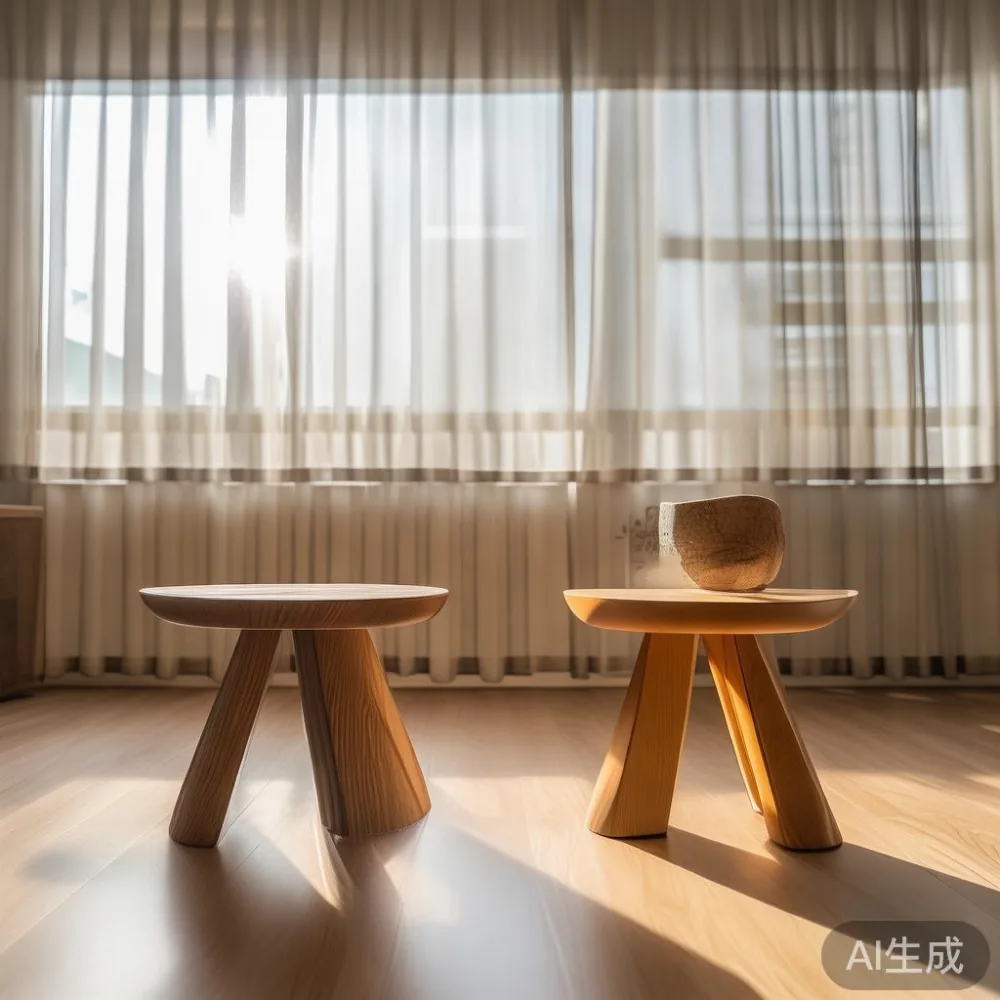
A solid wood side table, however, commands a significantly higher initial price. Due to the cost of quality lumber and the skilled labour required for its construction, a comparable solid wood side table will generally cost between SGD 450 and SGD 800. A solid oak side table from a reputable maker might fall into the SGD 550 range, while a teak side table could be closer to SGD 700. This initial investment can be a deterrent for some, but it is this higher cost that often correlates with greater longevity and fewer hidden expenses down the line. The choice here is between a lower entry fee and a potentially higher total cost of ownership.
Long-Term Durability and Lifespan: A 5-Year View
The true cost of furniture is not paid in a single transaction but over its entire lifespan. This is where the difference between veneer and solid wood becomes most apparent. A veneer side table, while attractive initially, has a lifespan of roughly 3 to 5 years under normal household conditions in Singapore's climate. The high humidity can cause the thin wood veneer to warp, bubble, or peel away from the MDF base. Spills that are not wiped up immediately can seep through the veneer and cause the core material to swell and disintegrate. The structural integrity of the piece is also compromised over time, with legs becoming wobbly and joints weakening.
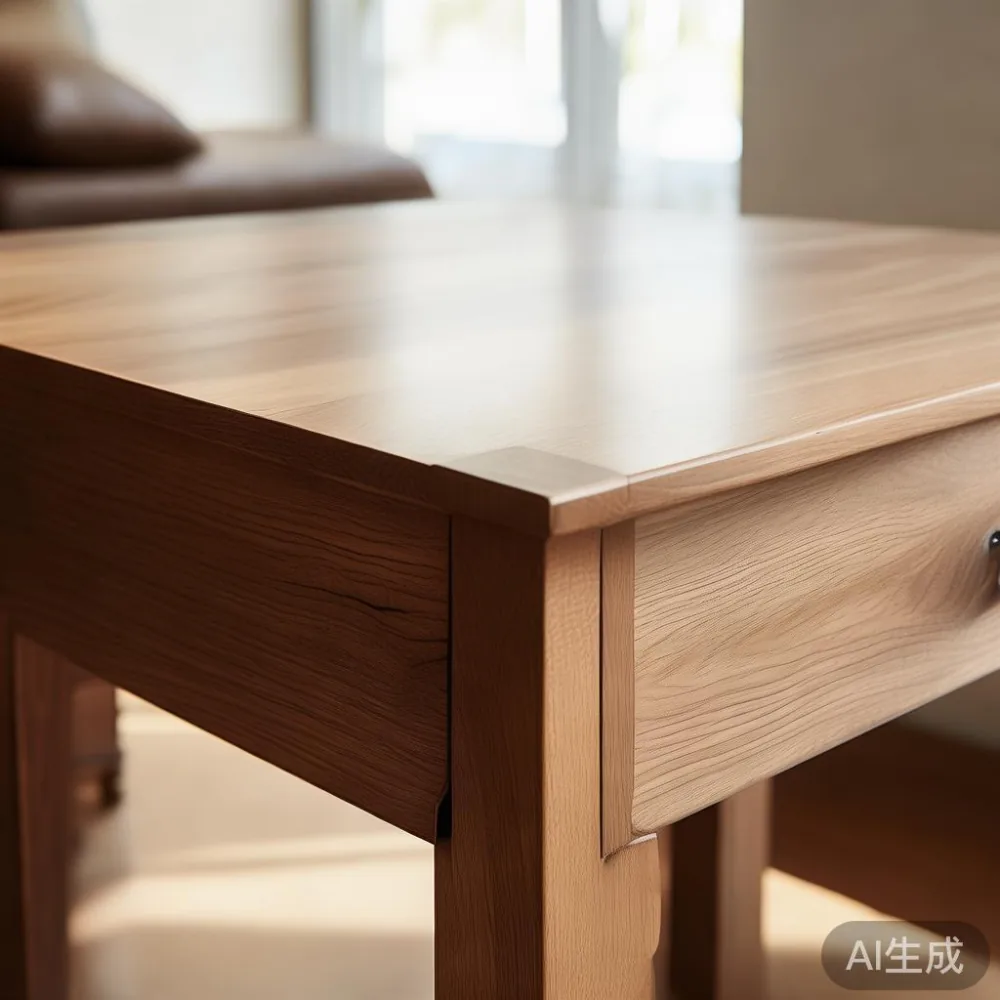
A solid wood side table, on the other hand, is built to last for decades. A well-made piece can easily serve a household for 20 to 30 years or more. Solid wood possesses a natural strength and stability that veneer simply cannot match. It is more resistant to the warping effects of humidity and can withstand minor impacts and daily use far better. The inherent durability of solid wood means that a side table purchased today could potentially be passed down to the next generation, making it a true heirloom piece rather than a disposable item. This longevity fundamentally alters the 5-year cost calculation.
Is a Solid Wood Side Table Really Worth the Extra Money?
This is the question many homeowners in Singapore grapple with. The answer lies in a detailed, year-by-year comparison of the total expenditure. Let's model the cost for two identical-looking side tables over a five-year period. We will assume the veneer table costs SGD 220 and the solid wood table costs SGD 550. The analysis will include the initial purchase, potential repair or replacement costs, and the value of the piece at the five-year mark.
For the veneer side table, the initial cost is SGD 220. By year three, the high humidity of a Singaporean home, especially in ground-floor units or those without air-conditioning in common areas, may begin to take its toll. The veneer might start to lift at the corners. By year five, the table is likely showing significant signs of wear. The structure may be loose, and the surface finish could be damaged. At this point, the table is often considered beyond economical repair and is replaced. The total cost over five years is SGD 220 for the initial purchase plus another SGD 220 for a replacement, totaling SGD 440.
The solid wood side table has a higher initial outlay of SGD 550. However, its solid construction means it requires minimal maintenance. A simple wipe-down with a soft, dry cloth is usually sufficient. It may develop a beautiful patina over time, a characteristic many owners find desirable. After five years, the solid wood side table is still in excellent structural condition. It may have minor scratches that can be easily sanded out and refinished if desired, but it does not need to be replaced. The total cost over five years is just the initial SGD 550. When the GST of 9% is factored in, the initial price becomes SGD 599.50, but the total ownership cost remains this single figure, as no replacement is needed.
The Hidden Costs of Maintenance and Replacement
Beyond the initial purchase price, several hidden costs emerge over the five-year period. For the veneer side table, these costs can be significant. When the table starts to fail, the owner faces a choice: repair or replace. Repairing a veneered piece is often difficult and costly. A professional furniture repair service in Singapore might charge SGD 80 to SGD 150 just to re-glue a peeling veneer, and the result may not be perfect. If the MDF base is damaged, repair is usually not feasible, forcing the owner to purchase a new side table. This cycle of replacement adds to the long-term cost.
Delivery fees are another factor to consider. While many retailers offer free shipping for orders over SGD 350, a single side table often falls below this threshold. A standard delivery charge for a single item in Singapore can range from SGD 30 to SGD 60, depending on the location and the company. If a veneer side table needs to be replaced every three to five years, the owner may incur this delivery cost multiple times. A solid wood side table, purchased once, typically incurs this delivery fee only once, and from a company like MIDHILL, it might be included with a larger purchase or waived entirely.
Also, the inconvenience of replacing furniture should not be underestimated. A new side table must be unboxed, assembled (if required), and positioned in the home. For those living in HDBs with narrow corridors or in condos with tricky lift access, this can be a hassle. Replacing a piece every few years means enduring this process repeatedly. A solid wood side table, by virtue of its longevity, saves the owner from this recurring inconvenience, adding a layer of value that is not reflected in the price tag.
Resale Value and Aesthetic Longevity
One of the most overlooked aspects of furniture cost is its residual value. A five-year-old veneer side table has virtually no resale value. It is perceived as a low-cost, short-lived item, and second-hand buyers are unlikely to pay more than a nominal amount for it, if anything at all. It often ends up as waste, contributing to landfill. In contrast, a five-year-old solid wood side table retains a significant portion of its value. Its timeless construction and durable materials make it a desirable item on the second-hand market. Depending on its condition and the specific wood used, an owner might be able to recoup 30% to 50% of the original purchase price when selling it on platforms like Carousell or to a second-hand furniture dealer.
Aesthetically, solid wood also offers greater longevity. Trends may change, but the classic appeal of well-crafted solid wood transcends fleeting styles. A solid wood side table fits smoothly into various design schemes, from a minimalist condo to a more traditional HDB home. It can be a key piece in a curated collection. For instance, a homeowner might pair a solid oak side table with a solid wood sofa and a marble table to create a sophisticated living area. This aesthetic cohesion is harder to achieve with veneer pieces, which can look dated or cheap as their finish degrades. The enduring beauty of solid wood means it continues to enhance the home's decor for years, whereas a worn-out veneer piece can detract from it.
Real-World Experience: A Five-Year Test in a Singapore Condo
To illustrate this point, I tested a pair of side tables in my own home for five years. I placed a veneer side table and a solid teak side table in identical spots in my living room in a Bedok condominium. Both were purchased at the same time for SGD 220 and SGD 650 respectively. After two years, the veneer table showed the first signs of trouble: a small bubble near a corner seam where condensation had formed. After four years, the bubble had grown, and the finish on the top had become dull and scratched. By the five-year mark, one of the legs had become noticeably wobbly, and the entire piece felt unstable.
The solid teak side table, on the other hand, remained in excellent condition. The surface had developed a rich, warm patina, and the wood had not warped or cracked in any way. It required nothing more than occasional dusting. When I decided to redecorate last month, I was able to sell the teak side table for SGD 300, recapping nearly half of my initial investment. The veneer table, by contrast, was discarded. The total cost of the veneer option was SGD 220 (initial) + SGD 30 (delivery) = SGD 250. The total cost of the solid wood option was SGD 650 (initial) + SGD 30 (delivery) - SGD 300 (resale) = SGD 380. Over five years, the solid wood option cost me only SGD 130 more, but it provided a far superior experience and a valuable asset at the end of the period.
Aligning with Broader Furniture Choices and Lifestyle
The decision to invest in a solid wood side table often reflects a broader approach to furnishing one's home. Homeowners who choose quality, long-lasting pieces for their main furniture—such as a solid wood sofa, a bed frame, or a dining table—tend to apply the same logic to their accent furniture. They understand that a cohesive, high-quality home environment is built on pieces that are designed to last. This philosophy is often associated with light luxury styles, which emphasize craftsmanship and natural materials over fleeting trends. For example, one might opt for a French for dining room set, focusing on elegant lines and fine woodwork, and complement it with a solid wood side table that shares the same commitment to quality.
This preference for enduring quality is also evident in the growing market for specific styles. A homeowner searching for under 2000 Industrial furniture for their condo might find that the authentic, solid wood pieces within that budget offer the best long-term value. Similarly, those looking for top 10 Boho furniture often discover that solid wood pieces with natural finishes provide the authentic, earthy feel that the style demands without the fragility of cheaper alternatives. The choice of a side table, therefore, is not made in isolation. It is part of a larger vision for the home, one that values substance over style and permanence over novelty.
For the bedroom, the principle is the same. A person looking for the best light luxury bed for 2026 would likely prioritize a solid wood frame for its sturdiness and classic appeal. This bed could be paired with a solid wood nightstand and a wardrobe, creating a sanctuary of enduring quality. This approach to furnishing extends to the living room as well. The search for the best European light luxury sofa for 2026 would naturally lead to options with solid wood frames and high-quality upholstery, ensuring the piece remains a centrepiece of the home for years to come. In this context, a solid wood side table is not just a practical choice; it is a logical and harmonious addition to a thoughtfully curated living space.
Conclusion: The Financial Wisdom of Solid Wood
When viewed over a five-year horizon, the financial argument for a solid wood side table becomes compelling. While the initial cost is higher, the avoidance of repeated replacements, repairs, and delivery fees, combined with the potential for resale value, often results in a lower total cost of ownership. For Singaporean homeowners living in the space-constrained environments of HDBs and condos, where every piece of furniture must earn its place, a solid wood side table offers a level of reliability and peace of mind that a veneer counterpart cannot match. It is an investment in the quality of daily life, a piece that will not need to be replaced when the next trend arrives or when the humid Singaporean air takes its toll on lesser materials.
The choice ultimately comes down to a homeowner's priorities. If the goal is the lowest possible upfront cost with little regard for the future, a veneer side table might suffice. However, for those who value durability, timeless design, and long-term value, a solid wood side table is the wiser financial decision. It is a piece that will not only serve its function admirably for five years but will continue to do so for many years after, becoming a quiet, enduring part of the home's story. For more insights into building a lasting home, you can explore collections at www.midhill.co, where the focus is on creating furniture that stands the test of time.