Complementing Warm Minimalism with Side Tables
A warm minimal interior is not an empty room. It is a careful balance of pale walls, honest timber, tactile fabrics, and only enough furniture to make daily life comfortable. The side table often determines whether that balance works. Place it beside a solid wood sofa, a bed frame, or a dining chair and it can extend the room’s visual language; choose it carelessly and the arrangement can feel disconnected.
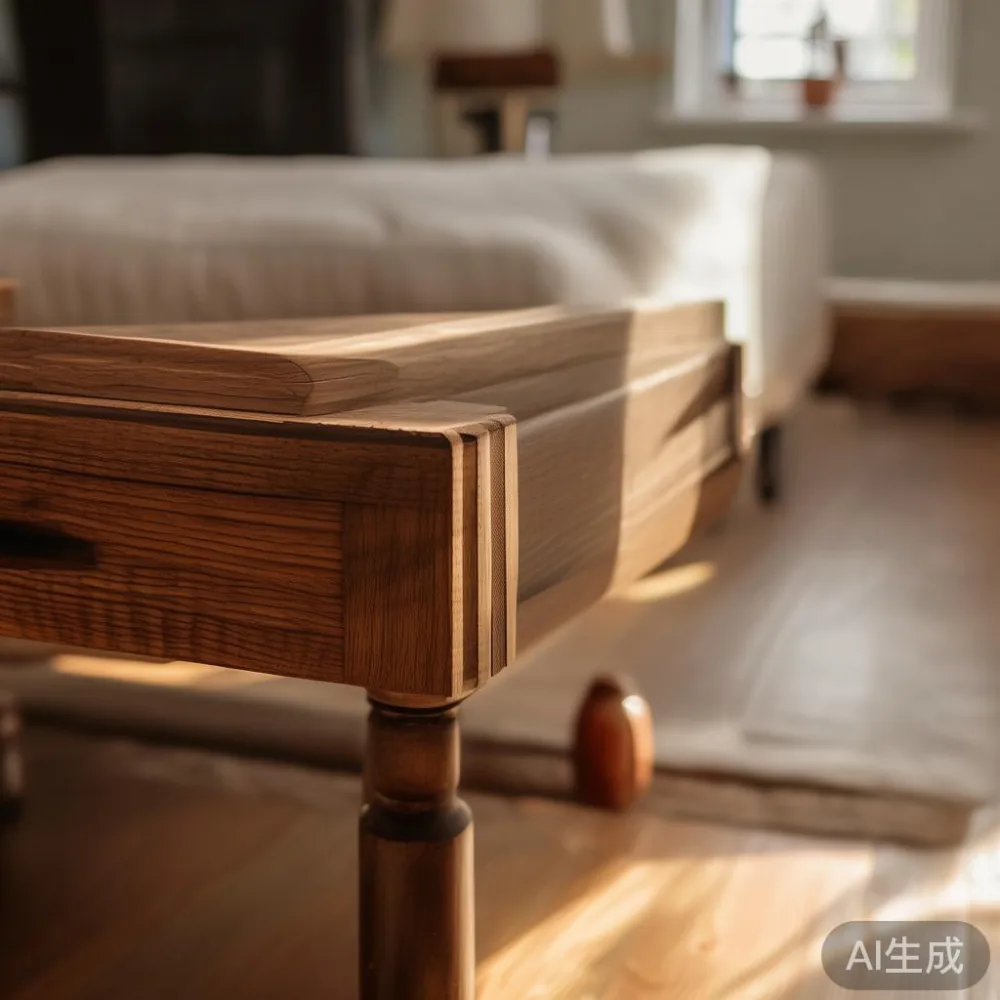
In Singapore, where many residents live in HDB flats and condos in Tampines, Bedok, and Punggol, proportion matters because corridors and lifts are not generous. A table measuring 45 cm across may feel relaxed in a 28 sqm living room, while a 70 cm model could crowd a compact landing. Singapore’s GST is already reflected in displayed retail prices, but delivery, access, and long-term service still deserve attention. MIDHILL makes solid wood furniture in Foshan, has exported since 2008 to more than 15 countries, offers a 10-year structural warranty, and provides lifetime refinishing. Its practical promise is useful when furnishing a small urban home: fewer pieces, better proportions, and furniture designed to age rather than disappear.
What does warm minimal actually mean?
Warm minimalism uses restraint in quantity, not sterility in material. A room may contain 6 main furniture pieces, yet each can carry texture: oak grain, matte ceramic, woven linen, brushed metal, or honed marble. Warmth comes from avoiding a palette of stark white, cold grey, and glossy black. Consider oatmeal, sand, clay, pale walnut, muted sage, or warm ivory, with one darker anchor occupying roughly 20% of the visible space.
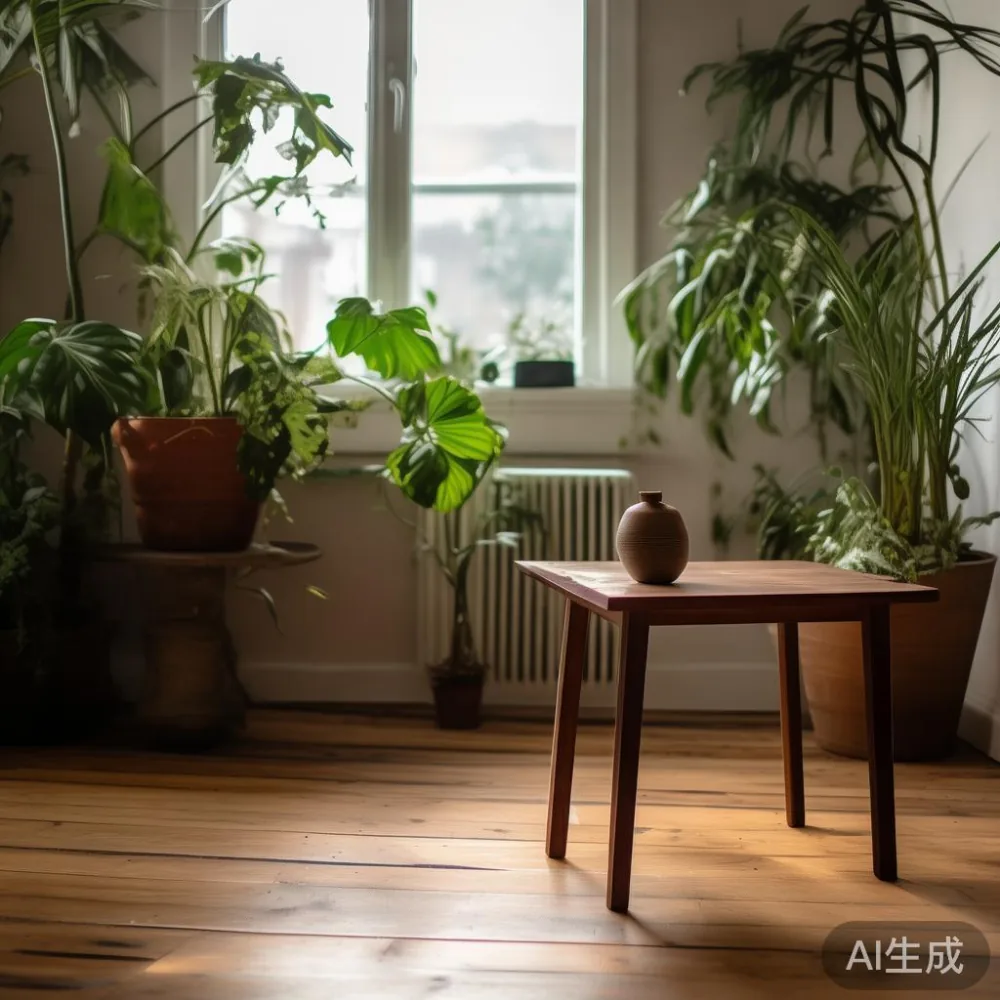
For a side table, the silhouette should be simple enough for a calm room but not so plain that it looks temporary. Round corners soften the hard edges common in HDB living rooms. A tapered leg adds visual space below, while a solid pedestal base feels grounded and easier to move through a corridor. If the table sits beside a low solid wood sofa, its top should align within about 5–8 cm of the sofa arm. If it serves a bed, keep the top approximately 50–65 cm above the mattress. If it accompanies a dining table, the side table should normally be 5–10 cm lower than the dining surface.
Material pairing is equally important. Warm oak with warm oak can look deliberate; warm oak with cool white melamine can look accidental. To create a layered effect, combine 1 wood piece with 1 material such as stone, ceramic, woven fibre, or leather. That is enough contrast for most Singapore interiors, where humidity, sunlight, and limited floor area make excessive layering visually heavy.
How wide should a side table be for a Singapore home?
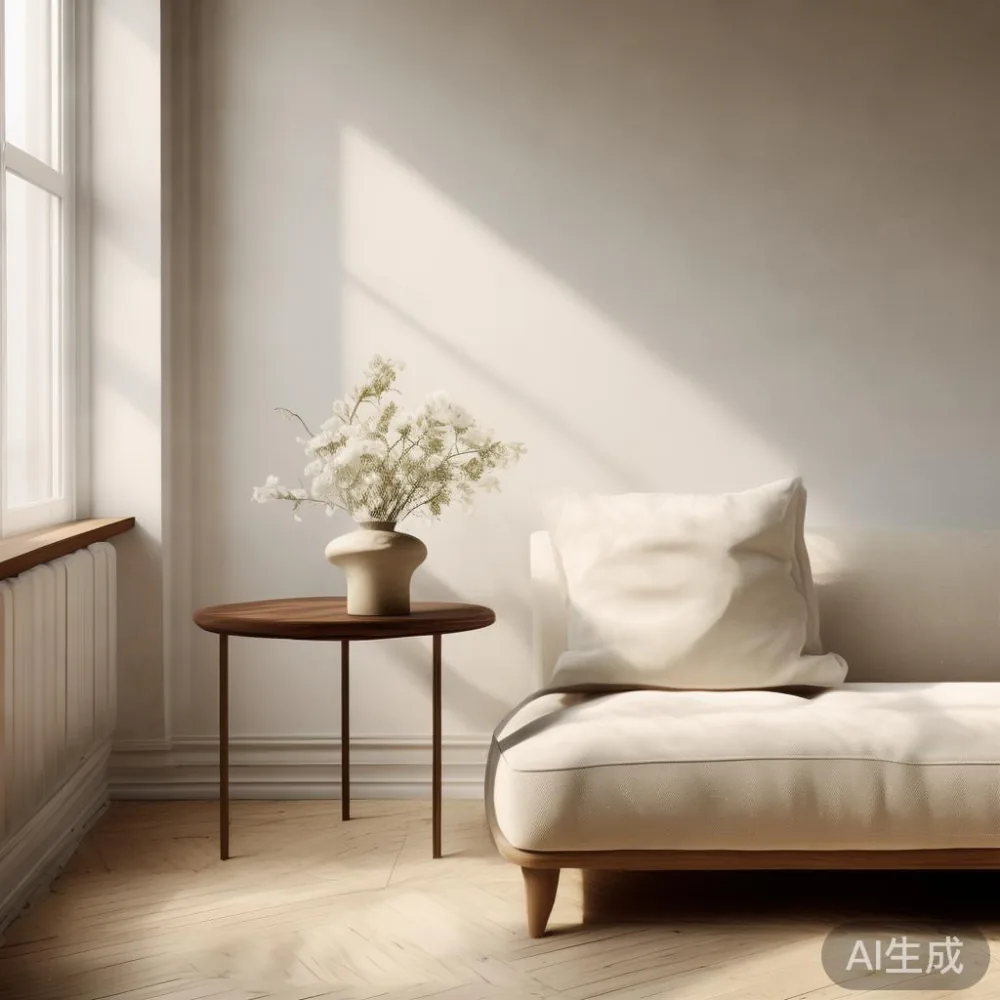
For most HDB living rooms, a side table between 35 and 50 cm wide is the most workable range. At 35 cm, it can hold a 15 cm cup, a 21 cm phone, and a small book without taking over a 180–220 cm sofa. At 45–50 cm, there is room for a tray, a table lamp, and a drink. A 55–60 cm side table suits a larger condo or a generous sofa, but it needs at least 45 cm of clearance beyond the arm.
Height should follow the seat. Beside a standard sofa with a 42–45 cm seat height, choose a side table around 50–58 cm tall. Bedside use usually calls for a height close to the mattress top, often 48–58 cm, depending on the bed frame and mattress. For a dining area, a 55–65 cm table works beside a chair with a 45 cm seat. The small differences matter: 3 cm can feel awkward, while 8–10 cm can make a side table feel intentionally subordinate.
Access planning should happen before delivery. Measure the lift doorway and the corridor turn, not only the flat entrance. A boxed 50 cm side table may have a package measuring 58 by 58 by 55 cm, which could be difficult in an older narrow lift. Ask the supplier for carton dimensions and weight. A typical solid wood side table may weigh 12–22 kg; marble tables can exceed 45 kg. MIDHILL offers free shipping above US$350, equivalent to about SGD 460 at an approximate exchange rate of US$1 to SGD 1.32, though the final Singapore delivery charge should be confirmed for the specific order.
Which wood and finish suit warm minimal rooms?
Oak, ash, beech, and walnut are familiar choices because their grain creates warmth without ornate carving. White oak gives a light, quietly Scandinavian effect. Walnut is deeper and works well with cream upholstery, clay walls, and brushed brass. Solid wood is preferable when the table will be touched daily because it can be sanded and refinished rather than replaced after a scratch or water mark. That long-term approach supports both French light luxury and American light luxury, where materials are expected to develop character rather than imitate temporary perfection.
The finish needs to be judged in the home, not only in a warehouse. Take several finish samples into the room and view them under both daylight and evening lamps. Singapore’s strong indirect light can make yellow undertones more visible. A clear matte lacquer is forgiving, while a very pale whitewash may show dust and coaster marks. Avoid placing a light side table directly against a sunlit balcony wall unless a protective mat is used.
French light luxury often pairs fine grain with curved edges, elegant proportions, and restrained metal details. That style suits a 45 cm round side table in light oak with a satin brass frame. American light luxury tends toward larger forms, comfortable proportions, and walnut or oak with substantial joinery. A square 50 cm side table with softened corners can suit that vocabulary. Post-modern light luxury is more playful: mix 2 geometric shapes, perhaps a circular marble table top beside a rectilinear solid wood sofa, but keep the palette within 3 colours.
How should I coordinate a side table with a solid wood sofa?
A solid wood sofa already brings warmth and a strong material presence, so the side table should complement it without competing. Match the wood species if you want a unified composition. For example, pair a light oak sofa frame with a light oak side table and introduce ceramic or linen through accessories. If the sofa is upholstered in oatmeal or warm beige, a slightly darker walnut side table can create a measured contrast.
Useful dimensions help more than decorative objects. Keep the table top 3–8 cm below the sofa arm or level with it, and leave 8–15 cm between the table and the sofa. A side table should support a cup, remote control, book, or lamp, not become a storage pedestal. If it is used beside a solid wood dining table in an open-plan home, repeating one timber finish across both pieces makes the dining zone and living zone feel connected.
For upholstered comparisons, the question of a European light luxury sofa vs Japandi sofa often comes down to proportion and detailing. A European-style sofa may have more generous curves and layered upholstery; a Japandi sofa is usually quieter, with clean lines and visible timber. A compact side table can bridge both: 40–45 cm wide, rounded corners, and no excessive carving. This is also where a search for the best Mid-century modern bed for 2026 may help a bedroom feel connected to the living area, especially if its tapered legs and timber tone repeat on the side table.
How do I choose a nightstand that works with a bed frame?
A side table used as a nightstand should begin with reach and visibility. From a seated position on the bed, the phone, glass, book, and lamp should be within 50 cm. Avoid placing it where the mattress edge blocks access. For a king bed measuring 180 by 200 cm, 2 side tables around 40–50 cm wide balance the composition. For a queen bed measuring 152 by 191 cm, one 45–55 cm table and one narrow 25–35 cm table may provide symmetry.
Style depends on the bed frame. A solid oak bed frame with square rails pairs naturally with a clean oak side table and straight legs. A upholstered headboard benefits from a rounded or oval table to soften the profile. If the frame is walnut, avoid adding another deep brown element unless the room needs that anchor; a warm white or light oak table can maintain contrast.
Search terms often point towards the best Japandi bed for 2026 when simplicity is preferred, but a fully minimalist arrangement can become visually flat. Add 1 warm note: a ceramic vessel, a folded newspaper, or a small lamp with a linen shade. For a guest room, a narrow 30–35 cm side table creates a landing place without reducing the walking route. If the room includes a wardrobe, the phrase how to style French wardrobe in bedroom can prompt a useful comparison: panelled storage may call for curved furniture, while flat-front wardrobes work better with simple rectilinear tables.
Can a marble side table work in a small HDB flat?
Yes, provided scale and visual weight are controlled. A marble table can bring a cool, luxurious note against warm timber, but a large square top with thick pedestal legs may overwhelm a compact room. Choose a round top no more than 40–45 cm across, or a slim rectangular model measuring roughly 30 by 45 cm. Honed stone is less reflective and generally calmer in warm minimal spaces than a high-gloss finish.
A marble table should not be treated like a lightweight utility table. Check the packaged weight, use 2 people for stairs, and protect the corners during transport. For lift access, verify the packaged diagonal against the lift opening. If there is no suitable lift, a flat-pack table assembled inside the home may be more practical. Warranty and replacement policies should also distinguish structural defects from accidental stone damage.
The strongest pairing often uses texture rather than colour matching. For example, a honed cream marble side table beside a solid wood sofa with oatmeal cushions can feel quietly luxurious. Add a small ceramic dish or sculptural lamp in matte black. Keep accessories to 3 items, and leave roughly one-third of the table top clear so the stone pattern remains visible.
How do I make a warm minimal side table look light luxury?
Light luxury comes from proportion, material quality, and disciplined editing. A 45 cm round side table in solid wood, with a 4–6 cm top and tapered legs, can look more refined than a heavily decorated table. Fine joinery, softened edges, and a smooth hand-rubbed finish contribute more than visible ornament. If a metallic accent is desired, specify satin brass or warm bronze in a small quantity, such as a 2 cm foot or a narrow pull on a drawer.
Build a vignette around the table with 1 practical object and 1 decorative object. A ceramic lamp with a linen shade plus a closed book works. A small tray with 2 coasters can organize a living room. Avoid filling the top with 6 ornaments, because that changes the visual centre from furniture to accessories.
Lighting can influence whether the table feels French, American, or post-modern. A sculptural ceramic lamp in cream supports French light luxury. A wide linen shade with dark timber suits American light luxury. A geometric lamp in clay and black brings a post-modern accent without requiring a busy room. For a sofa in blue, the phrase light blue luxury sofa may describe a cool feature that needs warmer timber nearby to avoid a chilly atmosphere.
For guest rooms, Post-modern for guest room can mean one playful side table beside a restrained bed frame: a round top, an angled base, and a muted ochre or dusty green finish. The effect remains warm minimal because the shape provides interest while the colour stays subdued.
What should I check before ordering from Singapore?
Begin with a tape measure, not a mood board. Record the sofa arm height, the clearance from the arm, the corridor width, the lift door, the turn into the flat, and the final table position. Allow a minimum walking route of 75 cm in main areas and 60 cm beside a frequently used seat. For a side table beside a bed, keep 60–75 cm between the table and any wardrobe door that opens toward it.
Next, compare the product dimensions with the usable room dimensions. A table may fit the floor plan but still interfere with a sliding door, a laundry rack, or a dining chair. In open-plan HDB layouts, a 40–45 cm side table often works better than a 60 cm version because it leaves space for chairs to slide back. In Punggol and Tampines family flats where storage is already dense, a narrow side table with 1 drawer can provide a place for 2 coasters, a remote, and charging cables without adding another bulky cabinet.
Confirm delivery timing in writing. Allow approximately 7–14 business days for a ready-stock order, but production, peak periods, and consolidated shipping can extend the schedule. The 14-day return policy gives buyers time to assess the table in situ, although assembly, custom sizing, and certain made-to-order pieces may have different conditions. Check the finish and assembly method before confirming.
Last month I visited a colleague in Bedok who had replaced a bulky 55 cm unit with a 42 cm round solid wood side table. The living room measured about 24 sqm, and the original table crowded the sofa’s 210 cm arm. The new table left 12 cm of usable clearance, took up roughly 28% less floor area, and immediately improved the passage from the entry to the dining zone. Its warm oak also connected the solid wood dining table with the sofa’s oak feet.
The most reliable formula is simple: 1 strong timber finish, 1 contrasting texture, 2–3 accessories, and correct measurements. A 40–50 cm side table, positioned within 8–15 cm of the seat, can make a warm minimal interior feel generous. Buy for the actual room, verify the route into it, and choose a piece that can be maintained for years rather than replaced when the trend changes.