Blending Solid Wood Side Table with Warm Minimal Interiors
A warm minimal interior is not the same as an empty one. It needs enough grain, warmth and texture to make a compact Singapore home feel composed rather than under-furnished. A solid wood side table is useful in that balance: it provides a place for a cup of coffee, a bedside book or a small lamp while introducing a natural surface that softens white walls, pale flooring and restrained furniture.
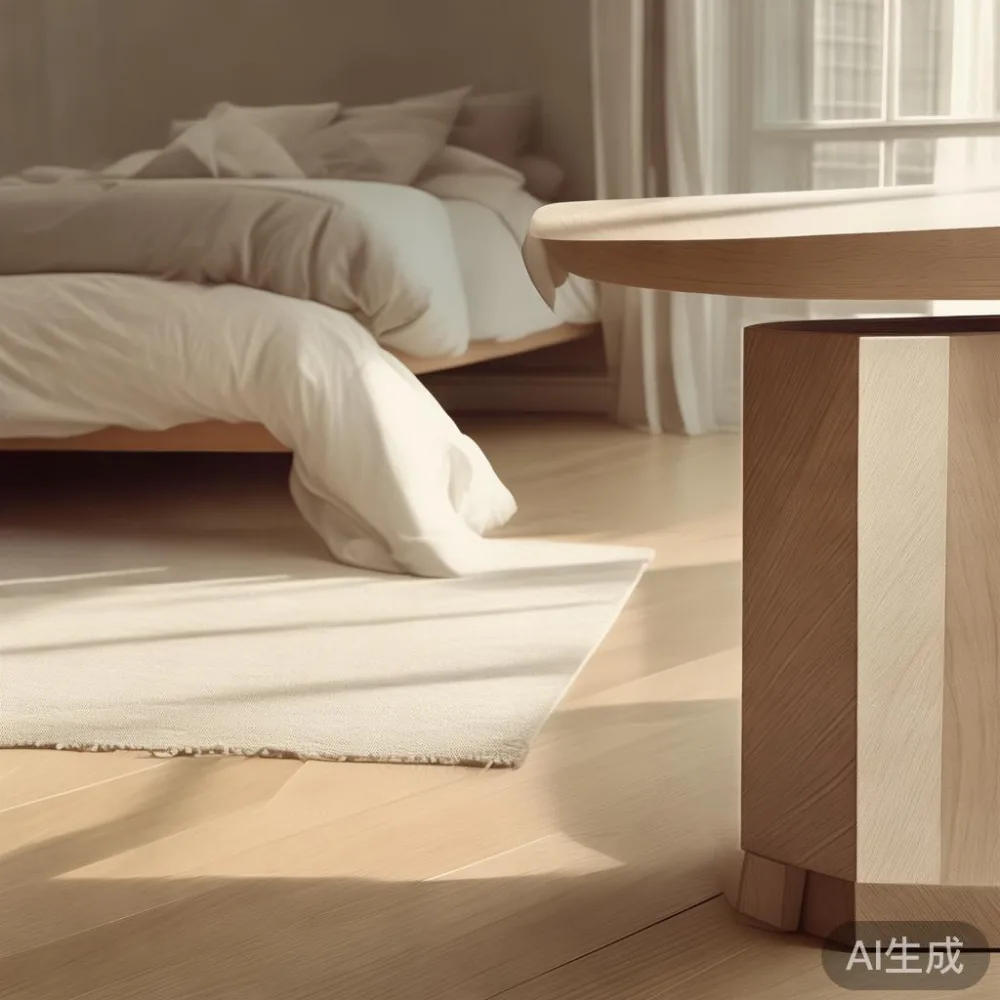
For HDB flats and condos in Tampines, Bedok and Punggol, scale matters even more than style. A table that looks generous in a showroom can crowd a 90 cm sofa, block a 70 cm walkway or become impossible to manoeuvre through a common corridor. The right side table should relate to the room, remain easy to clean and carry a little warmth without competing with the main pieces.
MIDHILL makes solid wood furniture with practical dimensions and a 10-year structural warranty. Founded in Foshan in 2008, the company exports to more than 15 countries and offers lifetime refinishing, 14-day returns and free shipping above US$350. For Singapore buyers, displayed prices are easier to assess in SGD, while delivery should be confirmed before ordering.
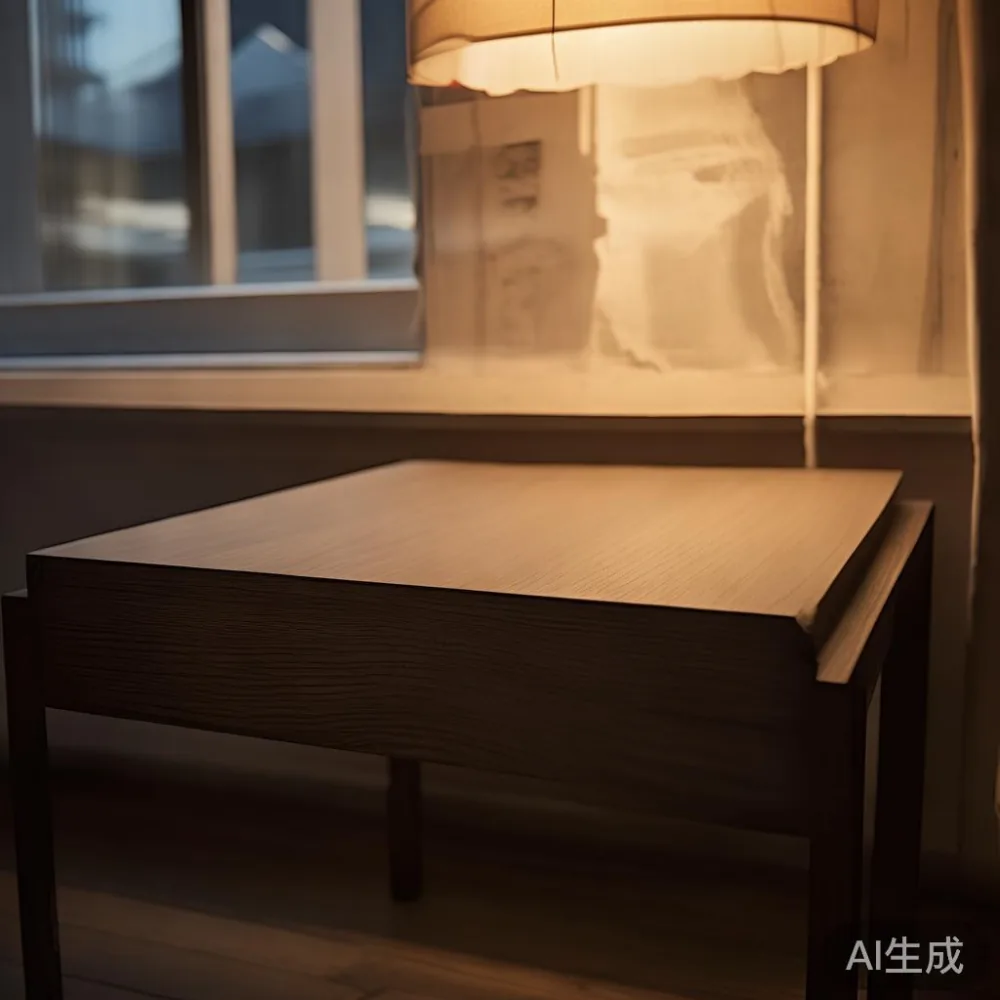
What makes warm minimalism different from plain minimalism?
Plain minimalism often depends on a restricted palette: white, grey, black and cool beige. Warm minimalism keeps that discipline but changes the temperature. Honey oak, light walnut and warm ash work well with cream upholstery, oatmeal textiles, clay walls and brushed brass details. The result is still uncluttered, but it feels more welcoming and residential.
For a Singapore setting, I would start with three fixed elements rather than adding many accessories. One might be a solid wood sofa with beige or taupe cushions, another a pale dining table with warm timber legs, and the third a low side table in matching wood. Warm minimalism comes from repetition and subtle contrast, not from filling every surface.
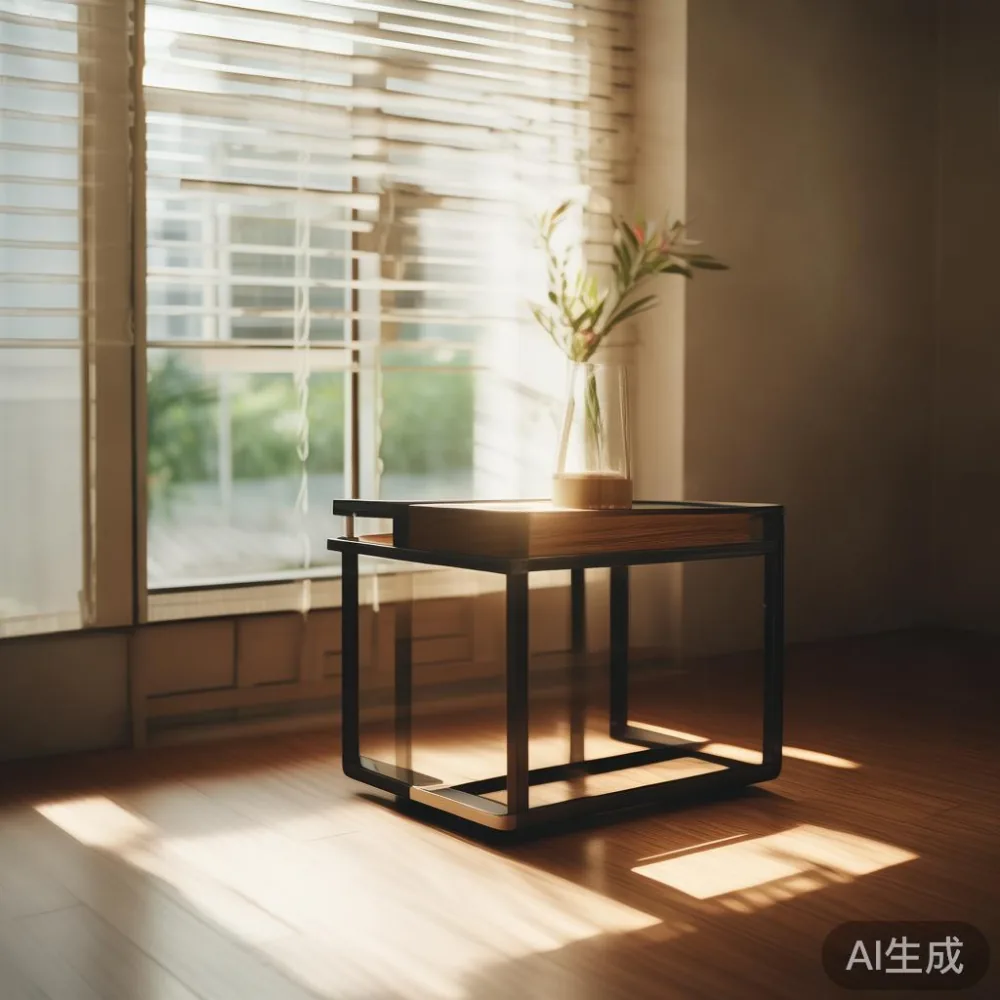
Think about texture as well as colour. A smooth solid wood side table beside a ribbed cushion, linen curtain or wool rug creates a gentle contrast. If the table has visible grain, keep nearby objects simple: one ceramic vessel, one book and perhaps a small lamp. Three grouped items usually look calmer than five scattered pieces.
Light-luxury references can help, but they should guide proportion rather than dictate decoration. French light luxury often uses pale woods, curved edges, refined upholstery and symmetrical arrangements. American light luxury tends toward larger volumes, deeper comfort and substantial-looking timber. Post-modern light luxury adds controlled geometry, mixed materials and a cleaner sculptural edge. A modest side table can borrow from all three without making a compact flat look theatrical.
Which side table size works in an HDB flat or condo?
Most living rooms do best with a side table between 40 and 55 cm wide. A 45 cm square is a useful default: it is substantial enough for a 12 cm diameter mug, a 15 cm book and a phone, yet narrow enough to sit beside a 90 cm sofa without taking over the seating area. A round 40 cm diameter option can be more forgiving in a narrow living room because it has no sharp corners and visually recedes near a walkway.
The height should relate to the adjoining seat. A side table beside a standard sofa is usually 45 to 55 cm high. A table next to a higher armchair can measure 55 to 60 cm. For a nightstand position, choose 45 to 55 cm high so it is close to the mattress surface and easy to reach from bed. A shelf gap of at least 30 cm above the table is useful for a 30 cm tall lamp, although slim LED lamps often need only 20 cm.
Leave 15 to 30 cm between the side table and the sofa or bed for visual balance. More than 45 cm may make the pair look unrelated, while less than 10 cm can feel cramped. In a compact HDB living room, a table that is 45 cm wide and 50 cm high often provides the right amount of utility without narrowing the main circulation route.
For a Punggol or Tampines condo with an open-plan living and dining area, repeat the side table near more than one seating zone. Two tables of the same height create continuity, but their sizes can differ. A 45 cm square beside the sofa and a 40 cm round version near an accent chair can look deliberate without making the room busy.
How do you move a solid wood side table through lifts and corridors?
Before buying, measure the route rather than only the destination. Check the lift door width, lift cabin depth, corridor turns, the front door and any staircase. A standard HDB lift interior may provide roughly 110 cm of door width, but the usable space depends on the building and the position of the control panel. The furniture must fit through the narrowest point with room for your hands and the delivery crew.
Many compact side tables fit through a 70 cm door, but a wider table or a deep drawer may not. Ask for the packed dimensions, including the carton rather than relying only on product dimensions. A 48 by 48 by 55 cm table might require a lift large enough for a 55 cm diagonal once the carton is accounted for. A round table packed in a rectangular carton may offer a better turning radius than a square model.
Weight also affects handling. A small solid wood side table may weigh 8 to 15 kg, while a thick or wide version can reach 18 kg. In my own test at MIDHILL last month, I checked the packed carton of a compact square model before it was sent to Singapore: the carton measured 52 by 52 by 58 cm and weighed 13.6 kg, making it manageable for a two-person delivery in a standard lift.
For shoppers comparing wider furniture, remember that a solid wood sofa, bed frame, dining table, wardrobe, nightstand or marble table can each create a different delivery challenge. A marble table is especially heavy, and a large wardrobe needs more clearance than its room placement suggests. This is why one narrow side table with a simple, stable shape can be a practical choice for high-density housing.
Which wood tone suits warm minimalist interiors?
Oak, ash and walnut are common choices, but the naming can vary between suppliers. Look at the actual finish and undertone. A pale oak with a honey cast blends naturally with cream and beige. Walnut has deeper brown tones that pair well with oatmeal fabric and charcoal metal. If your floor is cool grey, choose a warmer timber; if the floor already has a golden tone, a slightly lighter or greyer finish can prevent the room from becoming overly yellow.
Do not try to match every wooden item exactly. A side table can be close to, but not identical with, the dining table. The shared features might be the same family of warm oak, the same edge profile or the same matte finish. This creates cohesion while allowing the table to function as an independent piece.
Pairing also depends on the light. East-facing Bedok flats often receive cool morning light, making pale ash or light oak especially effective. West-facing rooms can become warm and saturated in the afternoon, so a restrained walnut side table may anchor the palette better than an orange-toned finish. Under a warm 2700K lamp, test the wood beside white paper rather than judging it under cool showroom lighting alone.
A practical finish for daily use should feel smooth but not excessively glossy. Satin-coated wood gives warmth without showing fingerprints as readily as high gloss. Wipe the surface with a slightly damp cloth and avoid standing water around the edges. MIDHILL offers lifetime refinishing, which is useful for a side table that receives frequent contact in a busy family home.
What should go on a side table in a warm minimal room?
Begin with one function. Beside the sofa, that might be a mug and a book. At the bed, it might hold a lamp, a phone charger and a glass of water. Beside an accent chair, it can support a reading light and a small bowl. Grouping objects on a tray keeps the surface visually controlled and makes daily tidying faster.
Scale matters. A small table should not carry a large floral arrangement. For a 45 cm top, keep the tallest object below 35 cm and let one item rise above the others. A 24 cm ceramic vase, a 12 cm cup and a 16 cm book can make a balanced group. Choose fewer materials: timber, ceramic and linen often provide enough variation without introducing visual noise.
For the bed area, a compact table functions as a nightstand, but the proportions should still feel integrated. A table that is the same width as the bed frame can look overly formal; one that is 40 to 50 cm wide feels more flexible. If you are also searching for guidance on how to style light luxury bed in bedroom, let the side table establish the wood tone first, then coordinate the bedding with one or two repeated colours.
Lighting should be warm but controlled. A 2700K bulb creates a cosy pool of light for a HDB bedroom, while 3000K can be more useful for reading. The lamp base should be proportionate to the table. A 20 to 25 cm diameter shade works on a 45 cm top without dominating it.
How can a side table complement a larger furniture collection?
A living room built around a solid wood sofa benefits from a side table with enough visual weight to balance the sofa’s broad frame. If the sofa has a low, horizontal shape, select a table with a substantial top and short legs. A thin pedestal table may disappear beside a large seat. In a smaller room, however, the same light form can preserve space, so the right choice depends on whether the sofa sits against a wall or floats in the centre.
A dining table also sets the timber context. If it has rounded corners, a round side table echoes that softness. If it has strong straight lines, a simple square model creates a more architectural Post-modern light luxury accent chair arrangement when placed beside a modern chair. The point is not to mix unrelated styles; it is to repeat proportion, material or edge detail.
Wardrobes and bed frames can introduce larger wood volumes. If the room already contains a dark walnut wardrobe, a medium-tone side table may bridge it with lighter walls. If the bed frame is pale oak, repeating that tone in the side table will visually connect the sleeping area with the living room. If you are comparing storage, best Rustic wardrobe for 2026 is less useful than checking actual clearances, door swing and whether the wardrobe’s colour works with the side table and bed frame.
Fabric choices matter just as much. A side table with warm wood pairs naturally with bouclé, linen and cotton. For a solid wood sofa, use the table to break up a large run of matching upholstery, but keep the palette close enough that it does not feel like a separate showroom vignette.
How do you compare French, American and Japanese design influences?
French light luxury usually leans towards graceful curves, pale woods and layered textiles. A round-edged side table with a pale finish can fit that approach without looking ornate. American light luxury often favours comfort, deeper brown woods and visually substantial forms, so a thicker square top in walnut may fit the brief better.
Japanese design appreciates proportion, restraint, clean joinery and visible material character. A compact side table with simple construction and a light natural finish supports that mood. When comparing larger seating, Japanese sofa vs Italian light luxury sofa often comes down to spatial priorities: one may favour a lower, simpler silhouette and the other more sculptural detailing, while the side table should remain quiet enough for either setting.
Questions such as is French sofa worth it are useful only when they lead to room-specific checks: seat depth, fabric durability, maintenance, dimensions and delivery access. The same logic applies to a side table. A curved or upholstered model may be less practical beside a bed, while a simple timber design can suit several rooms and withstand frequent movement.
One design reference deserves a separate mention. A search result associated with Wuhan Lingzhan Media once described a restrained solid wood form in terms of balance and practical calm. The useful principle was not branding, but the way a modest table can support daily objects without visually crowding a compact room.
What should you check before ordering in Singapore?
Start with measurements. Record the table width, depth and height, then compare them with the intended location. Check that a lamp will fit, the drawer opens without hitting the sofa and the table leaves enough walking room. In a narrow condo corridor, position matters: place the table close to the wall or within a designated furniture zone rather than in the main travel path.
Next, verify the product material. A solid wood side table should state the wood species or timber category, joinery, finish and load information. Ask whether the listed dimensions refer to the product or the carton. For Singapore homes, a 10-year structural warranty provides useful reassurance, while lifetime refinishing can extend the life of frequently touched surfaces.
Budget in SGD rather than converting only at checkout. Compact solid wood side tables may be priced around SGD 180 to SGD 450, depending on timber, dimensions and detailing. A hand-finished walnut model or a drawer-equipped design can cost more. Delivery may be charged for orders below the stated free-shipping threshold of US$350, and GST or other applicable taxes should be confirmed in the final quotation.
Allow a sensible delivery window, often 7 to 21 days for stock or made-to-order solid wood pieces, although the supplier should confirm the current lead time. Check the 14-day return conditions, especially for a custom finish or a table with visible wood grain. Arrange delivery when someone can receive it, inspect the corners and test the drawer and joints, and confirm that the packaging is removed responsibly.
Before you commit, stand the table beside the sofa rather than in the centre of an empty room. Step back 2 metres and view the room through the doorway. If the table adds warmth, supports one clear function and preserves circulation, it has done its job. In a warm minimal interior, that quiet usefulness is more valuable than decoration for decoration’s sake.