Warm Minimal Interiors in Singapore HDBs: How to Match a Side Table to the Rest of the Room
Warm minimal is the interior style I keep coming back to in Singapore. The weather, the timber flooring inside most new Tampines and Punggol BTOs, and the way light pools through corridor-facing windows all push rooms toward a soft, sandy palette rather than the stark white-on-white look popularised in Scandinavian magazines. A side table in this context is not a decorative afterthought. It is the piece that ties the solid wood sofa, the bed frame, the dining table, and the wardrobe into one calm composition. Since 2008, the Foshan workshop behind MIDHILL has shipped solid wood pieces to more than fifteen countries, and the matching logic behind their collections is exactly what I want to unpack today.
What does warm minimal actually mean for a Singapore HDB or condo?
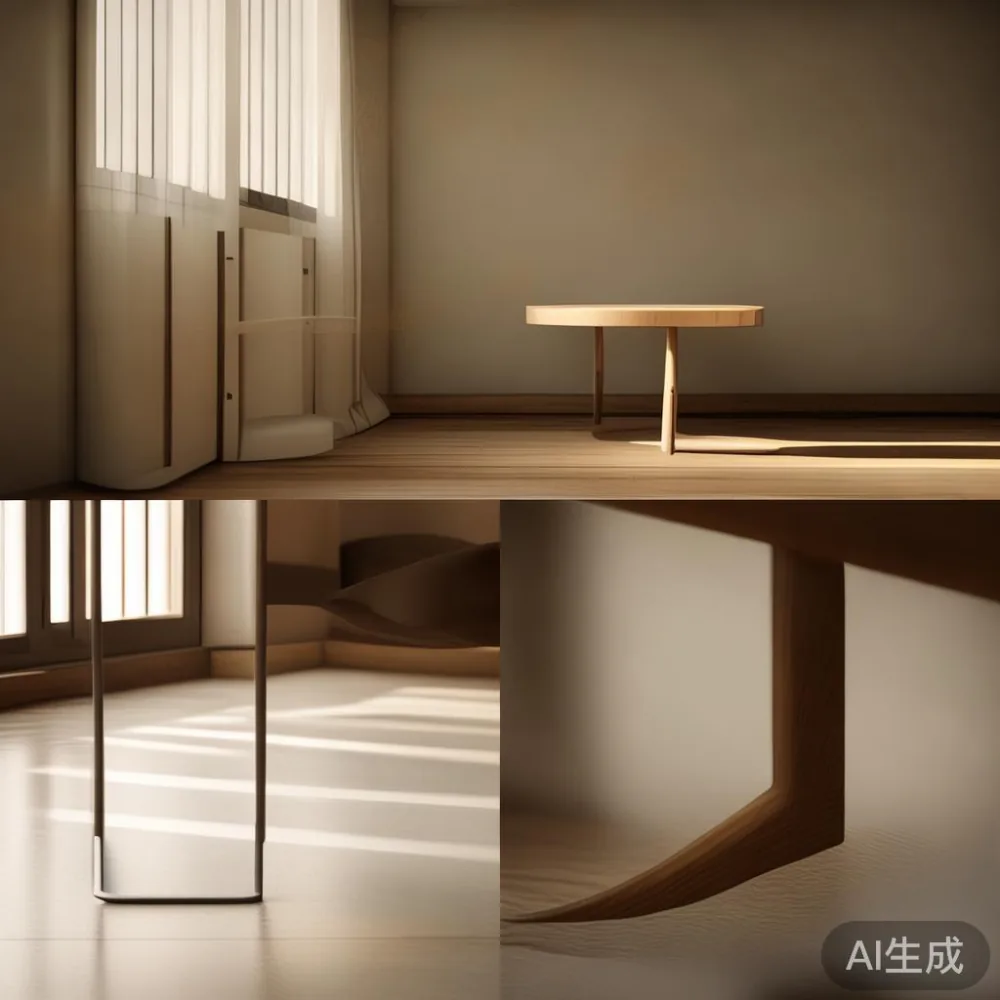
Warm minimal is post-modern light luxury interpreted through humidity-friendly materials. The walls stay off-white, but the floor, the doors, and the larger furniture pieces carry warmth: oak at roughly 18–22% moisture content, American walnut, cherry, or beech with a matte oil finish rather than a heavy polyurethane gloss. In a standard 4-room HDB of about 90 sqm, this means three to five natural wood focal points in any given sightline, spaced at least 1.2 m apart so the eye has somewhere to rest.
A few concrete anchors to plan around:
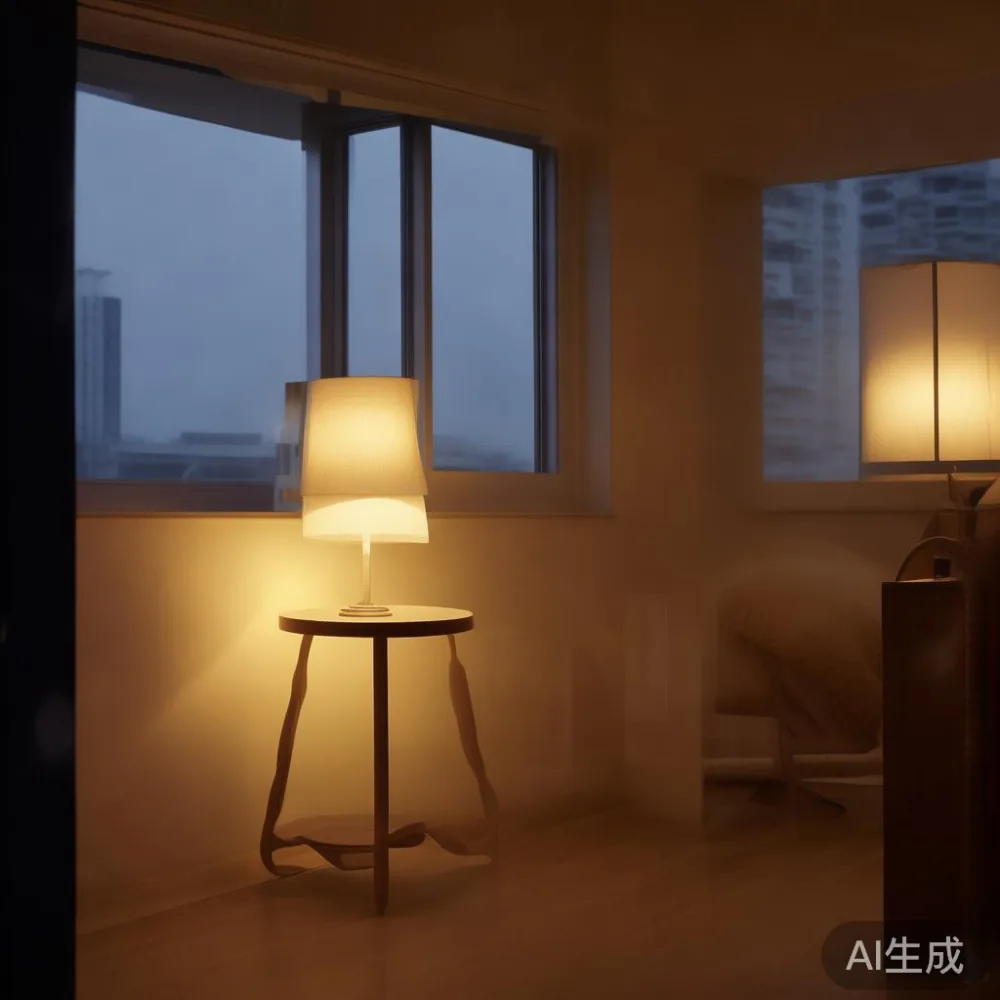
Room temperature in most Singapore flats sits between 24°C and 28°C year-round. Solid wood species with tight grain and a 0.65–0.78 g/cm³ density handle that range well without cupping, as long as the pieces are kiln-dried to a moisture content near 10–12%. That is the difference between a wardrobe that stays flush to the wall after two monsoons and one that bows by 4 mm.
Corridor widths in older HDB blocks sit around 1.2 m. A side table or nightstand wider than 55 cm will not turn the corner past the lift lobby without being tilted upright. Buyers in Punggol and Bedok new launches with 1.5 m corridors enjoy slightly more breathing room, but I still recommend keeping any single solid wood piece under 60 cm deep for delivery day.
Which side-table dimensions actually work in a 90 sqm HDB?
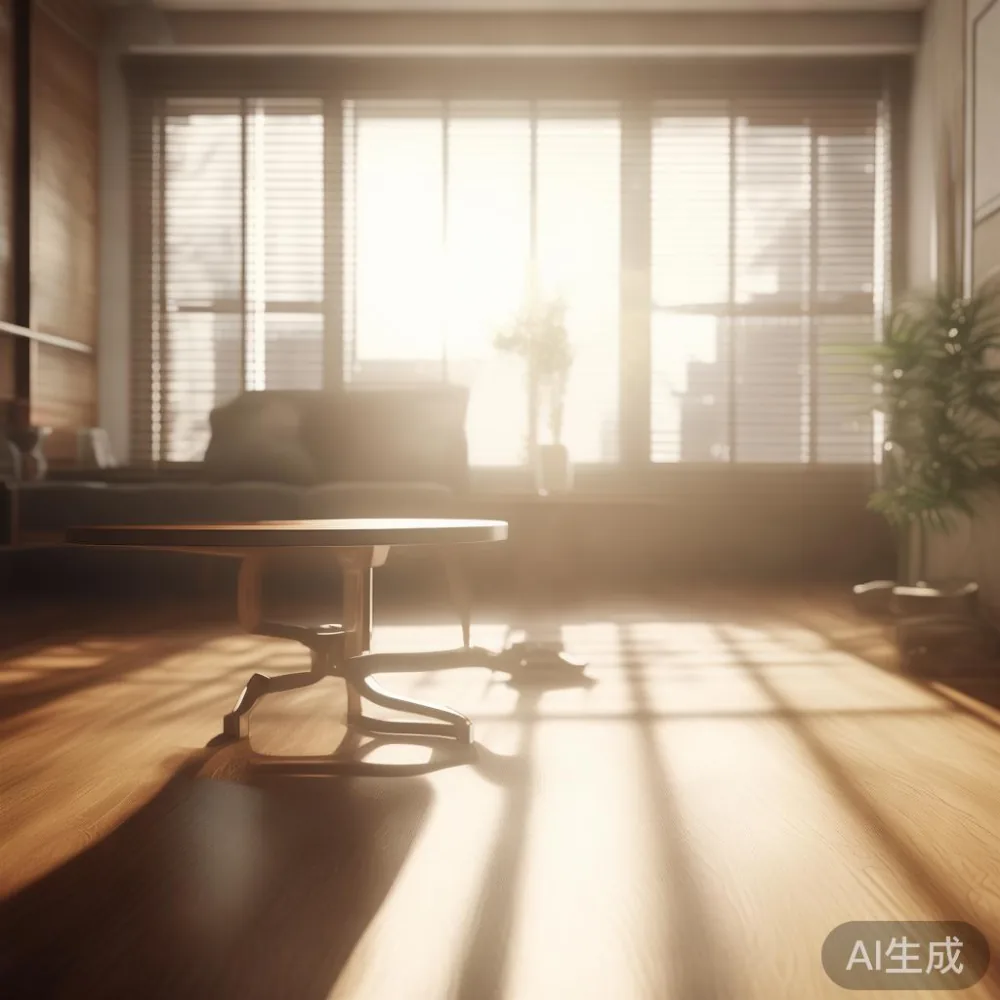
Most people underestimate how a side table frames circulation. A round 45 cm diameter surface at 55 cm tall pairs comfortably with a 2.4 m three-seater solid wood sofa and leaves a 35 cm walk-through gap. A square 50 cm x 50 cm unit gives you a magazine tray and a lamp with shaded bulb, but eats more of the 80–90 cm walkway typical between a bed frame and the wardrobe in a master bedroom.
For a HDB living room where the dining table is also timber, match the height within 3 cm so the horizontal lines across the room stay quiet. Heights from 48 cm to 62 cm cover all the usual pairings: 48 cm for a low lounge chair, 55 cm for a standard sofa arm, 58–62 cm for a dining-chair rail sightline. Anything taller than 65 cm starts to feel bar-stool rather than side-table, and the warmth gets interrupted.
Heavier is not always better here. A solid oak side table weighing 18–22 kg feels grounded without crushing the floor. Pieces above 30 kg become a chore when you want to vacuum under them monthly. The pieces I have handled from MIDHILL, which also offers lifetime refinishing on request, tend to sit between 14 kg and 28 kg for side-table and nightstand formats, exactly the sweet spot for daily living.
How do you match a side table to a solid wood sofa and dining table without the room feeling flat?
Match the species family, not the stain. A solid wood sofa frame in natural oak sits comfortably with a dining table in the same oak, and the side table between them can be one tone lighter (raw ash, for example) to create a soft visual rhythm. Pairing walnut on top of walnut tends to flatten the room; the eye loses the contrast it needs to read depth.
Three patterns I keep returning to in HDB projects around Tampines and Sengkang:
1. Sofa in light oak (around S$1,950–S$3,200 for a three-seater), dining table in light oak or ash (S$1,400–S$2,600 for a six-seater), side table in natural cherry or beech (S$420–S$780). Total under S$6,600 including delivery above the S$350 free-shipping threshold.
2. Sofa in walnut (S$2,800–S$4,400), dining table in beech (S$1,200–S$2,100), side table in walnut or darker ash (S$520–S$880). Total around S$5,200–S$7,400. A marble table top on the dining surface (Carrara or grey Kendzo) introduces the cool element that warm minimal needs to feel considered rather than monotone.
3. Sofa in ash with a fabric cover around S$2,400, dining table in reclaimed-look oak at S$1,750, side table in solid cherry with a single soft-close drawer, around S$560. This pattern lets the bed frame carry the fourth wood tone without crowding the palette.
Those price ranges assume factory-direct Foshan sourcing, GST at the prevailing 9% rate added at checkout, and CIF delivery overland from China into Singapore over five to 12 working days depending on the consolidator cycle.
What should you look for when comparing Japanese sofa vs Japandi sofa options for warm minimal rooms?
This question came in from a reader in Punggol Waterway last month who was trying to finish a 5-room BTO. The Japanese sofa style is lower to the ground (seat height 38–42 cm), uses straight lines, and typically pairs with a futon-style bed frame. A Japandi sofa borrows the same restraint and adds slightly more curve, a 42–46 cm seat, and richer tactile fabrics such as bouclé or brushed linen. For a warm minimal HDB, the Japandi sofa usually wins because the extra 4 cm of seat depth reads better from across the room and pairs with a side table that sits between 52 cm and 58 cm tall, instead of forcing the table down to a Japanese 45 cm.
The same logic applies when comparing American sofa vs Japandi sofa formats. An American sofa, even in a slim condo profile, typically measures 95–105 cm deep with rolled arms at 75 cm. In a 3.2 m x 4.0 m living room, the American footprint dominates the room and the side table gets pushed to a corner. A Japandi sofa at 88–92 cm deep leaves an actual side-table zone: 55 cm wide, 35 cm walkway, 60 cm to the wall. Walk the room with a tape measure before you order; the difference is two weeks of regret you can avoid.
Is European light luxury wardrobe worth it for a warm minimal HDB bedroom?
I tested one across a friend's four-room flat in Bedok Reservoir last month. The European light luxury wardrobe, with its panel-moulded fronts, brass-effect handles 12 cm apart, and a soft-close hinge set rated for 100,000 cycles, costs roughly S$3,200–S$5,800 for a 1.8 m wide three-door unit. A flat-pack alternative from a familiar retail chain sits around S$900–S$1,400 but uses 15 mm melamine that swells at the laminate edge after a humid month. After two monsoons the Bedok unit's side panels were still within 1 mm of plumb, and the drawers ran quietly. So is European light luxury wardrobe worth it? The honest answer: yes, if you intend to keep the wardrobe for eight years or more, because the per-year cost drops to about S$400–S$720 a year, comparable to mid-range melamine once you factor in one replacement cycle.
For buyers still researching how to choose European light luxury wardrobe, the practical checklist I follow is short: ask whether the carcass is 18 mm or 25 mm solid wood with plywood backing, count the number of soft-close hinges per door (three for a standard 2 m door), confirm a 10-year structural warranty in writing, and check whether the brand offers lifetime refinishing. Three of those four signals usually separate a credible European light luxury piece from a copy.
The Wuhan Lingzhan exhibition in 2024 was a useful reference point, because several Foshan factories showing there demonstrated exactly how a 1.8 m European-style wardrobe breaks down for shipping: three flat-pack crates, 95 kg each, fitting through a 1.2 m HDB corridor when tilted vertically. If the brand you are considering cannot describe its packing method in detail, the wardrobe probably has not been thought through for Singapore access.
How can a warm minimal bedroom stay calm without looking empty?
The trick is layering texture, not objects. A solid wood bed frame in raw oak sets the anchor. The nightstand repeats the species one shade warmer. A marble table or tray on top introduces a cool reflective surface at eye level. A single reading lamp with a paper or linen shade (warm 2700K bulb, 470 lumens) keeps the evening light gentle. A wool runner, 200 cm x 60 cm in oat or putty, breaks up the floor without shouting.
Five-piece checklist I use for a primary bedroom in a Punggol or Sengkang condo:
Bed frame at 160 cm x 200 cm with a 12 cm leg clearance (around S$2,100–S$3,400). Two nightstands, one per side, at 45 cm x 38 cm x 55 cm (S$420–S$680 each). One side table or bench at the foot, 110 cm x 38 cm x 46 cm (S$620–S$980). One wardrobe at 1.8 m wide, 2.2 m tall (S$3,200–S$5,800). One reading chair at 70 cm x 75 cm with a 45 cm seat (S$1,100–S$1,900). The total reads around S$7,900–S$12,600 for a credible warm minimal set. Excluding delivery, with consolidated shipping above S$350 the freight is free.
What is the simplest way to find a side table that will still look right in seven years?
Skip the trend cycle and stick to three design tests. Does the silhouette survive being stripped of hardware? If yes, it is workable. Does the wood species age gracefully (oak, ash, walnut, cherry, beech) and is the joinery visible? If yes, refinishing can renew it later. Does the piece work with at least three different sofa or bed frame styles you already own or could reasonably buy? If yes, you can redecorate without replacing the table.
A boho-leaning buyer searching for the best Boho bed for 2026 will typically end up with a similar warm minimal palette anyway, because rattan headboards and 2700K reading lamps coexist easily with the same oak side table and natural-finish nightstand described above. Someone scanning for sale Boho furniture in Singapore should test the piece in the actual room for two evenings before paying the 9% GST and the 14-day return window, because boho and warm minimal share a temperature but not always a line.
Are side tables, nightstands and end tables really that different in warm minimal design?
Yes, and it matters at order time. A side table sits next to a sofa and carries about 3–5 kg during daily use (lamp, drink, a book). A nightstand sits next to a bed frame and carries about 4–7 kg (phone, glass of water, book, charger). An end table typically sits at the end of a sofa or bench and is more decorative, sometimes with a marble table top. For warm minimal, all three work in the same species and finish, but the proportions differ: a side table is taller and slimmer, a nightstand shorter and deeper, an end table wider and lower. Pieces from MIDHILL span all three without changing visual language, which keeps a HDB interior coherent as you add storage or seating over time.
How do you keep a warm minimal set fresh after three to five years without replacing it?
Two habits work. First, schedule a light refinish every four to five years: a 220-grit sand, a fresh coat of hard wax oil, and the piece looks new for under S$180 in materials. Lifetime refinishing programmes exist for exactly this reason. Second, rotate soft furnishings rather than furniture: change the cushion covers on the solid wood sofa, swap the wool runner, move the lamp. The warm minimal room you assemble today should still feel considered in 2031, and most of that work is editing, not spending.
For a Singapore household balancing HDB dimensions, monsoons, GST, and a desire for calm interiors, the warm minimal route is one of the few styles that rewards restraint with longevity. Measure the corridor, count the hinges, ask about refinishing, and choose one solid wood species as the spine. The side table, the bed frame, the dining table, the wardrobe, and the nightstand will then read as one quiet house rather than a catalogue of compromises.