Solid Wood Side Table: Price Drivers in Singapore
Solid wood furniture is often sold on a simple promise: the piece will look good, feel substantial and last for years. Yet the price on a showroom label or online listing can vary by several thousand dollars for furniture that appears similar at first glance. The difference rarely comes from one dramatic feature. It comes from timber species, board dimensions, joinery, finish, hardware, design complexity, packaging and the cost of getting a heavy carton through Singapore corridors and lift doors.

That matters most in compact homes. In an HDB flat in Tampines, a 45 cm-deep side table may look modest beside a 90 cm sofa, yet its solid oak top can account for more than the cabinet structure below it. In a Bedok condo, a marble table may use less wood than a side table but cost more because of the stone slab, its weight and the specialised installation involved. Price is not a scoreboard for quality; it is a record of material choices, labour, logistics and service.
MIDHILL has made solid wood furniture since 2008 and exports to more than 15 countries. Its 10-year structural warranty and lifetime refinishing service give buyers two useful price signals: construction is backed over a long period, while wear and surface changes need not end the piece's useful life. The discussion below focuses on side tables, with references to other furniture types where they explain the same pricing logic.
Is timber species the biggest price driver for a side table?
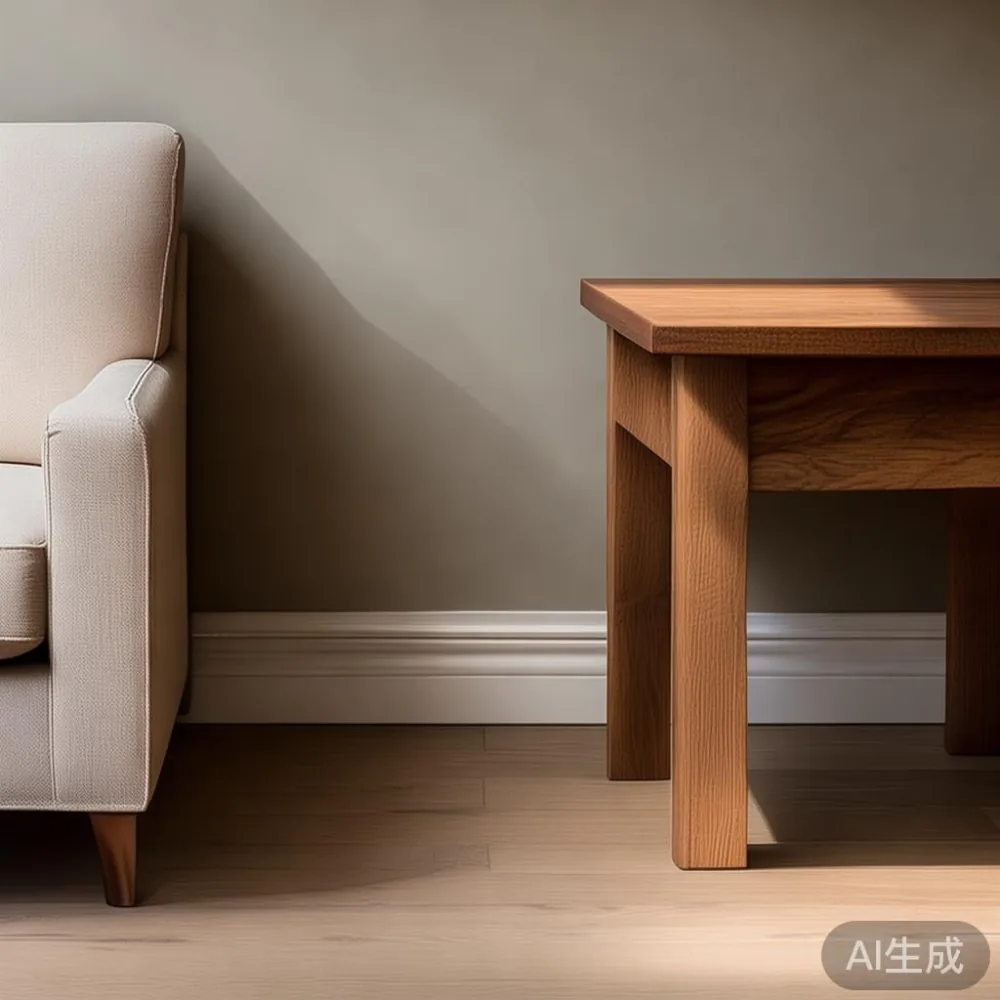
Yes, but “solid wood” covers many species with very different costs. A side table made from rubberwood may retail around SGD 260, while one made from white oak may reach SGD 680. North American white oak can exceed SGD 900 when the design includes a thick top, shaped edges and hand-applied finish. Walnut generally commands more because its raw timber is scarcer and the processing yield can be lower.
The species affects more than appearance. Harder oak resists dents and is suitable for a busy living area. Cherry develops a warmer colour with age. Pine and rubberwood are more economical and can be visually convincing when the finish is controlled well. Teak performs well in humid conditions but remains a premium choice. The scientific name matters too: “teak” and “oak” can refer to multiple species, so a responsible seller should state the actual wood and whether every visible component is solid timber.
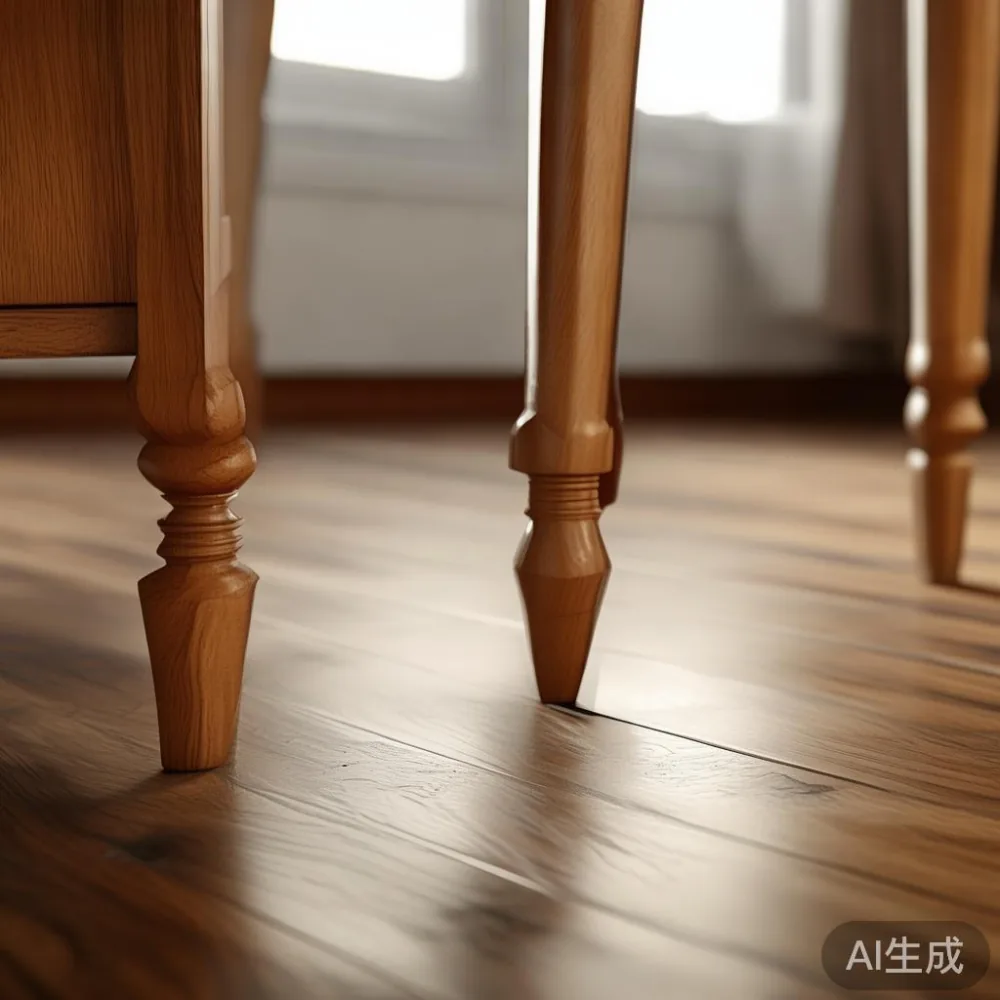
Solid wood sofa frames, bed frames, dining tables and wardrobes show the same pattern. A solid wood bed frame in walnut may cost SGD 1,850 because each rail, post and slat consumes valuable timber. A cheaper pine bed frame may use finger-jointed parts and moulded feet, lowering material costs. A solid wood dining table can also cost more per metre because wide boards require longer drying and careful selection to remain flat.
For a buyer, ask for the Latin species name, the panel construction and the moisture range. A practical moisture content near 8% to 12% suits Singapore's climate, subject to the maker's production method and acclimatisation guidance. A clear answer is worth more than a vague claim of “premium hardwood”.
Why do thickness, grain and solid construction change the numbers?
Mass is easy to see and easy to price. A small nightstand with a 2 cm top may weigh 12 kg, while a side table with a 4 cm solid top and substantial legs may weigh 24 kg. That extra 12 kg can represent another SGD 120 to SGD 320 in raw material, milling, finishing, freight and handling. It also explains why delivery can take 7 to 14 days: a dense oak side table cannot simply be pushed through the same carton-filling process as a light MDF occasional table.
Board width matters because a defect in a narrow board is easier to hide. A 60 cm-wide top cut from a tree with knots, mineral streaks or colour variation must often be assembled from several boards. Finger-jointed wood can use shorter sections efficiently, but the joint pattern remains visible beneath a clear finish. Full-length boards look more continuous and often cost more.
Construction should be compared at the level of the joint. Mortise-and-tenon, dowelled, bridle and some screwed-and-glued assemblies can provide durable load paths. Particleboard and MDF can still make stable, functional furniture, but they are different products with different weight, moisture sensitivity and repair options. A drawer that uses solid timber sides, dovetailed corners and a solid bottom will require more cutting and fitting than one assembled from flat panels.
Do not confuse “solid” with “one piece”. A solid wood nightstand may use solid oak throughout but contain a finger-jointed top, plywood drawer bottom and wooden slides. That is honest construction if disclosed. It also affects the expected price. For a 55 cm-wide side table, the usable drawer may be 42 cm wide, 14 cm deep and 12 cm high; polished brass runners can add roughly SGD 45 to SGD 110 beyond basic wooden hardware.
Does joinery matter more than decorative detailing?
Joinery usually matters more because it determines how the furniture carries daily loads. A 45 cm side table may need to hold a 7 kg lamp, 3 kg of books, a 2 kg vase or a tray of refreshments. Its top must resist splitting, its corners must resist racking and its drawer must stay aligned after repeated use.
Decorative detailing affects labour. Hand-carved edges on a French-style side table may add SGD 90 to SGD 260. Tapered legs shaped on a bandsaw can add SGD 60 to SGD 140. A book-matched walnut top with mirrored grain can add SGD 150 because the maker must position the boards carefully and waste more timber. A basic square side table with clean lines needs less set-up time, so labour is a smaller part of its price.
Hardware is another visible price driver. Solid brass hinges may cost SGD 25 to SGD 70 each; concealed soft-close mechanisms can add SGD 45 to SGD 120 per drawer. A marble table introduces an entirely different calculation: a 60 by 40 cm marble top may add SGD 450 to SGD 1,200, depending on the stone, thickness and veining. That slab may weigh 18 kg and need separate handling from the timber base.
This is where French light luxury and post-modern light luxury become relevant rather than merely decorative labels. A French light luxury sofa may use a carved timber frame, tailored upholstery and precise seams, while a post-modern light luxury side table may combine a slim geometric base with a stone or timber top. The visual language changes, but the cost still sits in timber yield, machining, fitting and finishing.
How much should finish, colour and protection really cost?
Finish protects the surface, but an elaborate finish schedule can add materially to the price. A clear matte lacquer may add SGD 35 to SGD 80 to a side table. Multi-layer stain, sanding and matte topcoat may cost SGD 90 to SGD 180. Hand-rubbed oil and wax can require more application time and may add SGD 140 to SGD 280. Open-pore oil emphasises oak grain; a pigmented finish can create a more uniform colour across cheaper timber.
The surface preparation cannot be skipped. Sanding a top through 80, 120, 180 and 220 grit creates a smooth base, but each stage removes material and adds time. Filling minor pores, drying, sanding again and applying several coats is slower than spraying a thin even layer. Curved parts need masking, while drawer interiors and undersides still need protection.
Colour matching also affects yield. “Walnut” applied to a pale board can achieve a familiar appearance, although it does not carry the grain depth of natural walnut. Buyers paying for a walnut finish should be told whether the substrate is walnut, stained hardwood or another timber. MIDHILL's lifetime refinishing service has particular value here because one damaged corner or faded finish can be renewed rather than treated as the end of the table's life.
For daily use in Singapore, consider a satin or matte finish rather than a mirror-gloss surface. Fingerprints show more readily on gloss, and glare can make a small HDB living room feel visually tighter. Matte finishes also suit the restrained palettes common in Tampines and Punggol apartments, where one patterned cushion or artwork can provide contrast without adding more furniture.
Do delivery, lift access and installation change the selling price?
They can, particularly for heavy or assembled pieces. A flat-pack side table may arrive in a carton measuring 75 by 55 by 12 cm and weigh 14 kg. A fully assembled table may need a carton measuring 65 by 50 by 65 cm and weigh 23 kg. The second may be more expensive to ship, but easier for one person to carry if it fits through the access route.
Singapore HDB lift doors often measure about 90 cm wide and 210 cm high, although building-specific dimensions should be checked. Corridors may be only 1.1 to 1.4 m wide, and turning corners near a unit can reduce effective clearance. A 60 cm-wide side table may fit readily; a 75 cm-wide table may require the lift to be moved to the correct landing or the carton to be turned on its side.
Condo loading bays, parking distances and service lifts add another layer. Some deliveries need two handlers, while a standard doorstep drop-off takes 10 minutes. A room-of-choice placement service may add SGD 40 to SGD 100, and white-glove assembly may add SGD 80 to SGD 180. A marble table may need specialist installation because an incorrect clip or sealant can crack the slab. These charges are service costs, not proof of superior construction.
Singapore GST should also be read clearly. For a consumer purchasing from a Singapore GST-registered supplier, the displayed retail price should include 9% GST. A SGD 520 side table becomes SGD 566.80 if SGD 520 is stated before tax. Freight may be free above US$350, which is about SGD 465 at an indicative rate of US$1 to SGD 1.34, but the seller should confirm the currency, exchange basis and local tax treatment.
Buyers should measure the route before ordering: lift width, lift depth, door width, hallway turns and the receiving location. Delivery to the block landing is not the same as delivery into the unit, and neither guarantees placement beside a sofa. Clear access can prevent 20 minutes of unpacking and moving.
Why can two side tables with the same dimensions cost SGD 300 apart?
Because dimensions describe the envelope, not the material inside it. Two side tables may each be 50 cm wide, 50 cm deep and 55 cm high. One weighs 11 kg and uses a 2 cm top; the other weighs 21 kg and uses a 4 cm top. One has painted MDF drawers with steel slides; the other has solid oak drawers with wooden runners. They occupy the same floor area but represent different production budgets.
Brand support and risk management also enter the price. A 10-year structural warranty requires inspection records, spare parts and a repair process. Lifetime refinishing needs qualified labour and a sustainable finishing system. A 14-day return policy requires inventory movement, assessment and reverse logistics. Those obligations cost money, though they should be judged by their written terms rather than inferred from a logo.
Last month I visited my colleague's 4-room HDB flat in Bedok and watched a solid walnut side table arrive. The carton was 68 by 54 by 48 cm and weighed 24 kg. It cleared the lift, but the narrow corridor required turning the package twice. Unpacking took 9 minutes, and the table needed 2 minutes of levelling. What surprised me was the underside: the drawer joints were clean, the fixing hardware was recessed and the maker had labelled each component for assembly. That operational detail mattered as much as the walnut grain.
My own test was smaller. I placed a 7.5 kg audio speaker and three books on a 48 cm MIDHILL coffee table for 30 days, moving the load twice each day. The top did not visibly flex, the joints stayed tight and the finish acquired only a light mark near the rear corner. That does not establish universal durability, but it showed why stable proportions, sound fixing and appropriate board thickness deserve a price premium over thin panels.
How can I compare quotations without comparing different products?
Ask for a specification sheet covering 10 points: species, panel construction, top thickness, dimensions, dry weight, joinery, hardware, finish, warranty and delivery terms. If two quotations differ by SGD 350, compare those 10 lines rather than counting decorative edges. A seller who can identify the components should also be able to explain why the piece weighs 16 kg or 21 kg.
It helps to calculate the cost of moving the side table through the home. If a quoted table weighs 25 kg, adding SGD 80 for two-person placement is reasonable in a condo with difficult access. If a 12 kg piece arrives flat-packed, simple assembly may cost only 5 minutes. Those practical numbers can change the real value more than a small difference in stain colour.
Some market phrases can also confuse research. “For sale Industrial furniture” is a broad search label rather than a material specification; it may describe a look without indicating solid wood. “European bed vs Modern bed” depends on the frame, joinery and proportions, not nationality. “French provincial for bedroom” typically points to carved details, warm wood tones and more elaborate profiles. “How to style Japanese bed in apartment” usually concerns low profiles, restrained joinery and space planning. None of these phrases replaces a component-level quote.
Similarly, a search for the “best Rustic sofa for 2026” can surface useful styling references, but a sofa and a side table have different structures. A “french light luxury sofa” may help define a room's character, while a solid wood bed frame and dining table require their own material checks. If a wardrobe is being considered, inspect the hanging rail, drawer boxes and door alignment; if a nightstand is chosen, check whether the top is solid and how the drawer slides operate.
What is a fair price for solid wood furniture?
A fair price reflects a defined product. An uncomplicated solid rubberwood or pine side table might sit around SGD 220 to SGD 380. A mid-range hardwood side table with a 3 cm to 4 cm top, working drawer and better hardware may range from SGD 380 to SGD 720. Solid white oak, walnut or teak with refined detailing may run from SGD 650 to SGD 1,100. Marble-topped versions may range from SGD 850 to SGD 1,600 because the stone, reinforcement and handling are additional costs.
These ranges are orientation points, not promises. A 40 cm table with a 1.5 cm top should not be compared directly with a 65 cm table carrying a 5 cm top. A simple open frame and a cabinet with adjustable shelves also have different labour and hardware requirements.
The clearest purchasing approach is to divide the quoted price into material, construction, finish, delivery and support. Then check whether each cost produces something you can see, feel or use. Solid timber that is thick enough not to flex, joints that remain tight, hardware that closes quietly, packaging that survives transit and a repair policy with stated terms all have practical value. Decorative details matter, especially in French provincial or light-luxury interiors, but they should be weighed after the structural and delivery basics.
For a compact Singapore home, a side table can earn its footprint by doing 3 jobs: holding a tray, supporting a lamp and providing a drawer for small items. A 45 cm square model with a 3 cm top, a stable apron and a 38 by 30 cm drawer is often easier to live with than a larger decorative cabinet. Bedok and Tampines buyers can coordinate its colour with existing furniture, while Punggol residents with narrower corridors should check packed dimensions before approving delivery.
Price becomes understandable once the specifications do. Solid wood furniture is not simply “wooden”, and no two pieces with the same photograph-like dimensions may contain the same timber, labour or logistics. Compare like with like, measure the route, read the warranty, and treat service as part of the product rather than an afterthought.