Side Table Price Influences: What to Look For
Solid wood furniture can look deceptively simple: a clean-lined side table, a dining table, a bed frame, or a wardrobe. The visible timber may be only one part of the price. Joinery, finish, dimensions, hardware, delivery, and the level of hand-finishing all affect what a buyer ultimately pays. For Singapore homes, those details matter because an HDB flat in Tampines, Bedok, or Punggol has different space, access, and storage constraints from a private condo.

This guide examines the factors behind solid wood pricing using Singapore dollars, practical measurements, and examples involving side tables and related furniture. It is not a catalogue of bargains; it is a clearer way to understand value.
What should I expect to pay for a solid wood side table in Singapore?
A practical solid wood side table with a top measuring roughly 45–55 cm wide and 40–50 cm high may cost around SGD 180–SGD 450. A taller console-style side table, often 80–120 cm high, may range from SGD 350–SGD 800. Marble-topped versions can reach SGD 700–SGD 1,500 because the stone slab, its weight, and the supporting structure add cost.
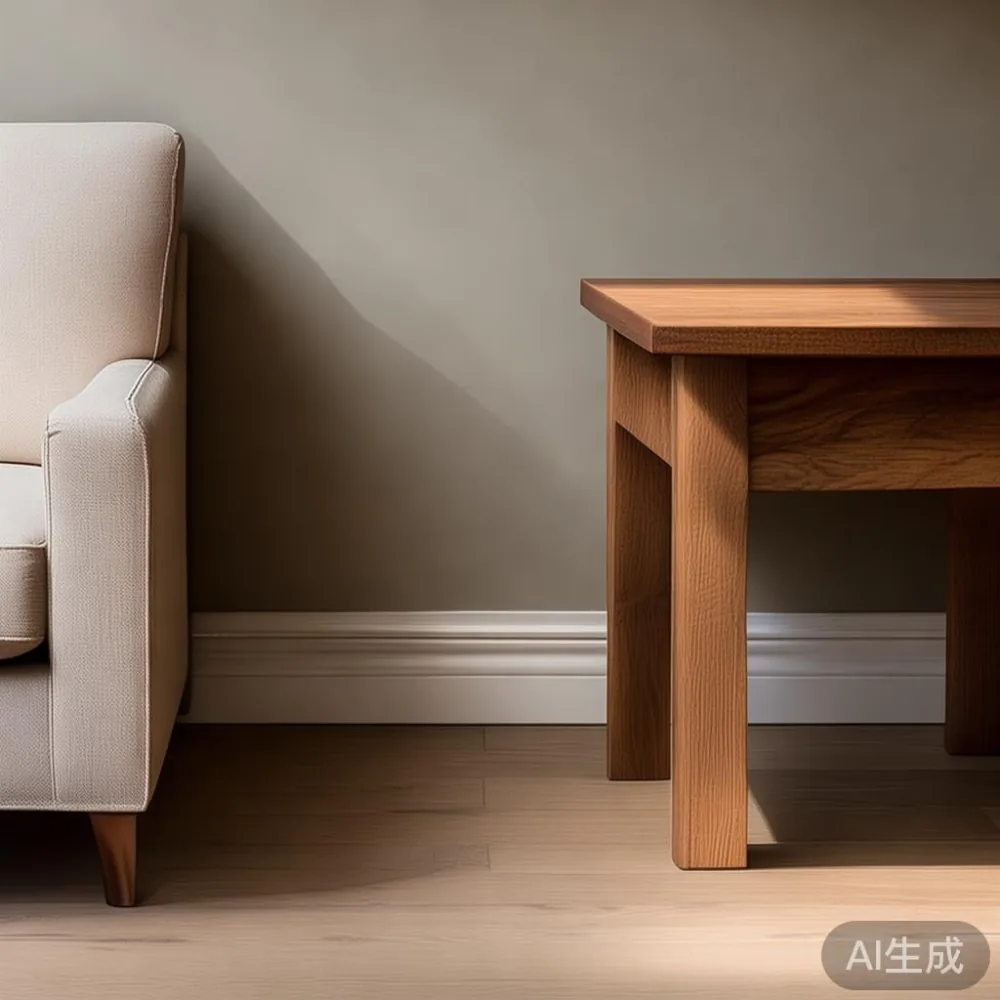
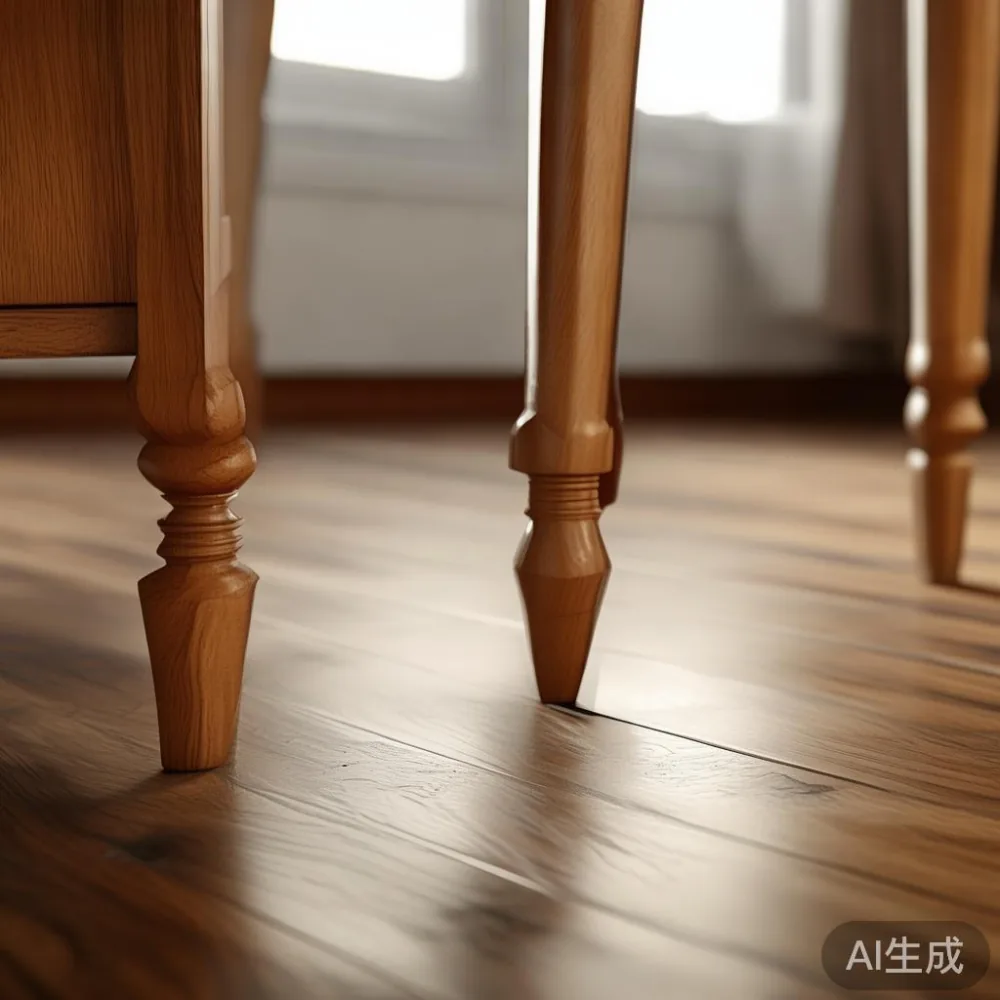
The species changes the range considerably. Rubberwood, pine, and poplar are common lower-cost choices. Oak, ash, and walnut normally sit higher because of their appearance, availability, drying requirements, or processing. A 50 cm rubberwood side table might retail near SGD 220, while a comparable white oak model might be SGD 390–SGD 650. A design with turned legs, a shaped apron, or several drawers can add another SGD 60–SGD 300.
For a compact HDB living room, buyers often compare a 45 cm-wide side table with a 60 cm model. The smaller unit may preserve a 75–90 cm passage beside a sofa, while a 60 cm table can look more generous in a condo living room. The price difference should be weighed against the space it occupies, not treated as a simple premium.
Delivery in Singapore commonly takes 3–7 business days after production or stock confirmation. A bulky or made-to-order piece may require 2–4 weeks. Lift access, corridor clearance, and the number of flights also influence the quoted delivery charge. GST is normally added at 9% for Singapore purchases, so a SGD 600 table before tax becomes SGD 654 after GST.
Is solid wood automatically more expensive than engineered wood?
Not always, but solid wood usually carries a more predictable quality story. Engineered wood uses veneers, particleboard, or plywood beneath a thin outer layer. It can be highly efficient for flat panels such as wardrobe doors, bed frames, and large storage units. Solid timber becomes more expensive when the maker must source, dry, machine, join, and finish each component.
Consider a 180 cm dining table. A practical oak dining table might sell for SGD 1,600–SGD 3,200 before delivery, depending on the construction and finish. A similarly sized engineered table may cost SGD 900–SGD 1,800. However, a solid wood dining table with a thick top, long apron, and traditional joinery can reach SGD 3,500–SGD 6,000.
The important question is where the solid timber appears. A solid wood bed frame may use hardwood or rubberwood for the main rails, with plywood or a slatted support system inside. A solid wood sofa may refer to the visible wooden frame rather than every cushion or upholstered surface. A solid wood wardrobe can combine solid frames and shelves with veneered panels. Terminology should be checked line by line.
Material labels also do not tell you whether a piece is sturdy. A 25 mm top, a 40 mm apron, and properly joined legs may matter more than a broad claim of solid wood. Ask for the actual thickness, species, and construction details before comparing two quotations.
What does timber grade, thickness, and joinery do to the price?
Thickness is one of the clearest price drivers. A side table with a 20 mm top may cost less than one with a 30 mm top, but the heavier board can feel more substantial. Thick timber also creates more waste during machining. A maker may buy a larger board, cut it to shape, and accept offcuts that cannot be sold at retail value.
Wood grade affects appearance rather than structural strength in every case. Select-grade timber tends to have fewer knots and more consistent colour. Rustic-grade wood can be attractive in its own right, especially for a farmhouse-style dining table or bed frame, and may cost less. Finger-jointed sections, laminations, and glued panels can reduce cost while producing stable, usable components.
Joinery is another differentiator. Dowels, mortise-and-tenon joints, and housed corners take more time to align and secure than simple screws into particleboard. They also reduce dependence on hardware alone. A concealed steel bracket may be economical; a fitted wooden drawer with hand-finished runners may justify a higher figure because of the machining and fitting.
I tested several side tables during a supplier visit last month, including one with a 24 mm top and another with a 32 mm top. The heavier table weighed 14.8 kg against 9.6 kg for the lighter model. The difference was noticeable when carrying it through a narrow HDB corridor. It also required more care around the lift threshold, which is a practical point that product photographs rarely show.
How much do finish, colour, and hand-work add to a furniture price?
Finish is often a hidden but meaningful cost. Water-based lacquer may be relatively straightforward to apply. Oil, wax, fumed wood, wire brushing, or a multi-layer hand-rubbed finish requires preparation and repeated attention. A table finished in natural oak may cost less to produce than the same table in a very dark stain, because dark coatings can require extra sanding and colour matching.
French light luxury tends to favour pale woods, restrained profiles, gentle curves, and a warm matte finish. American light luxury often uses a slightly stronger visual language: generous proportions, clear lines, darker accents, and leather or stone details. Post-modern light luxury may mix shapes or materials with more deliberate contrast. These styles affect design labour and component selection, but the word “luxury” should not replace a clear specification.
For example, a French light luxury nightstand in light oak with a 3 cm top, a shaped drawer front, and brass-coloured hardware might cost SGD 520–SGD 900. A painted solid wood bed frame with a more elaborate headboard may cost SGD 1,200–SGD 2,600. A solid wood sofa with a timber base and upholstered cushions can range from SGD 1,800 to more than SGD 5,000, depending on frame construction, cushion density, fabric, and foam specification.
Hardware has a smaller but visible role. A basic screw and cam fitting may add only a few dollars to production. Premium hinges, soft-close drawer runners, brass pulls, and custom handles can add SGD 20–SGD 180 to a wardrobe, nightstand, or side table. Hand-finishing can add 5–15% to a project price, while very detailed carving may add 15–30%.
How do size, weight, and Singapore delivery affect the final cost?
Large furniture can cost more simply because it uses more material. A 220 cm wardrobe with six doors and internal drawers may require more board volume, edge treatment, and handling than a 120 cm two-door version. It may also weigh 95–160 kg, compared with roughly 55–85 kg for a smaller unit. Delivery and installation become substantial operational costs.
Access should be checked before ordering. A typical HDB lift door may be around 80–90 cm wide, although building-specific measurements vary. A side table measuring 45 cm wide can usually pass easily, but a 60 cm console may not turn comfortably in a tight corridor. A dining table top of 180 × 90 cm needs a different route from a flat-packed wardrobe. Measure the lift door, lift car, hallway corners, stair landings, and the intended room before confirming.
In a Punggol condo with a private corridor, a marble table may be manageable if the service lift is large enough. In an older Bedok flat with a narrower common corridor, the same table may need a hoisted delivery or partial assembly. These services can add SGD 80–SGD 300 or more. A side table with a detachable top may save handling effort, while a solid wood dining table should be assessed for whether its top separates from the base.
Delivery is not only about distance. It includes packing, protection, carrying, positioning, and sometimes assembly. A product priced at SGD 400 may become SGD 434 after 9% GST, plus SGD 40–SGD 120 for delivery to a Singapore address. Some sellers also offer free delivery above a stated order value; MIDHILL’s stated threshold is US$350, but buyers should confirm how that threshold applies to a Singapore order and whether GST is included in the calculation.
How do I compare quotations without comparing the wrong things?
Compare furniture on a written specification, not on the lowest number. Ask for the species, board dimensions, frame construction, drawer and hinge type, finish, weight, warranty, and delivery terms. A quote for a 45 cm solid rubberwood side table at SGD 220 and one for a 45 cm white oak side table at SGD 460 are not equivalent. Neither is a quote for a 45 cm table with a marble top at SGD 980.
It is also useful to separate product cost from household charges. List the furniture price, GST, delivery, lift or hoisting fees, assembly, and any optional colour or size change. This makes it easier to see whether a higher quotation reflects a better component or simply a different service level.
For a bedroom, shoppers often ask how to style European wardrobe in bedroom layouts. Measure the wardrobe opening, nearby wardrobe doors, and the space needed for drawers to open. A unit 180 cm wide may require at least 180 cm of wall clearance, plus roughly 90 cm in front of a hinged door or 110 cm for a fully extended drawer. A 60 cm nightstand beside a queen bed can preserve a 70–80 cm passage in a compact bedroom.
Living-room questions can be similarly practical. If you are working out how to style European sofa in apartment interiors, measure the sofa arms and the route into the room before selecting a 50 cm side table. Allow the table to sit 2–5 cm above the sofa seat height if it is used for drinks. A round side table can reduce visual bulk and fit more easily beside a projecting arm, while a square table offers a flatter surface for a tray or book.
Other common comparisons have similar requirements. When considering light luxury sofa vs Italian light luxury sofa options, examine frame timber, suspension, cushion specification, fabric, and construction rather than the country label alone. A Japanese bed vs Nordic bed comparison may involve different platform systems and storage functions, so measure the mattress and room before choosing. A Mid-century modern dressing table may be useful in a bedroom, but its 140–160 cm width and drawer projection should be checked against the wall and nearby furniture.
What makes a solid wood price reasonable for the long term?
Value comes from the combination of material, construction, usability, and aftercare. A dining table with well-joined legs, a stable top, and a repairable finish may be worth more over 15 years than a visually similar table with weak fittings. A wardrobe with adjustable shelves and durable runners may serve a family for a decade. A side table may be a smaller purchase, but its stability, drawer movement, and finish still affect daily use.
Look for a clear warranty and a realistic maintenance plan. MIDHILL provides a 10-year structural warranty and lifetime refinishing for qualifying products, according to its stated policy. These are meaningful points of comparison, but buyers should still confirm what “structural” covers, how claims are assessed, and whether refinishing is available for every finish or colour. A marble table may need separate guidance because its surface is not wood, while a solid wood sofa’s timber frame should be distinguished from its upholstery.
Check return and cancellation terms as well. A stated 14-day return window can make a made-to-order purchase less risky, but custom dimensions, non-standard finishes, and certain made-to-order items may be treated differently. Singapore GST, delivery timing, lift access, and assembly should all appear in the final calculation.
The useful answer is not a single universal price. It is the sum of verified specifications and the service around them. For a side table, a sensible starting point is SGD 180–SGD 450 for many solid wood models, with more elaborate designs, premium timber, marble tops, or detailed finishes moving upward. The right piece is the one whose construction suits the room, whose dimensions survive the lift and corridor, and whose price remains understandable when every line item is written down.