Tropical Climate Care for Lacquered Side Tables
A lacquered side table can look crisp and restrained in a Singapore home, but the combination of heat, humidity, ultraviolet light, condensation, and frequent hand contact places a different kind of pressure on its finish. In a compact HDB flat in Tampines, a 45 cm side table may sit beside a sofa in a living room that receives western afternoon light. In a Bedok condo, it may stand near an air-conditioning vent, where repeated temperature swings cause lacquer to expand and contract. A Punggol bedroom corner can introduce another risk: a lamp left on overnight may create enough local heat to dull a glossy surface over time.
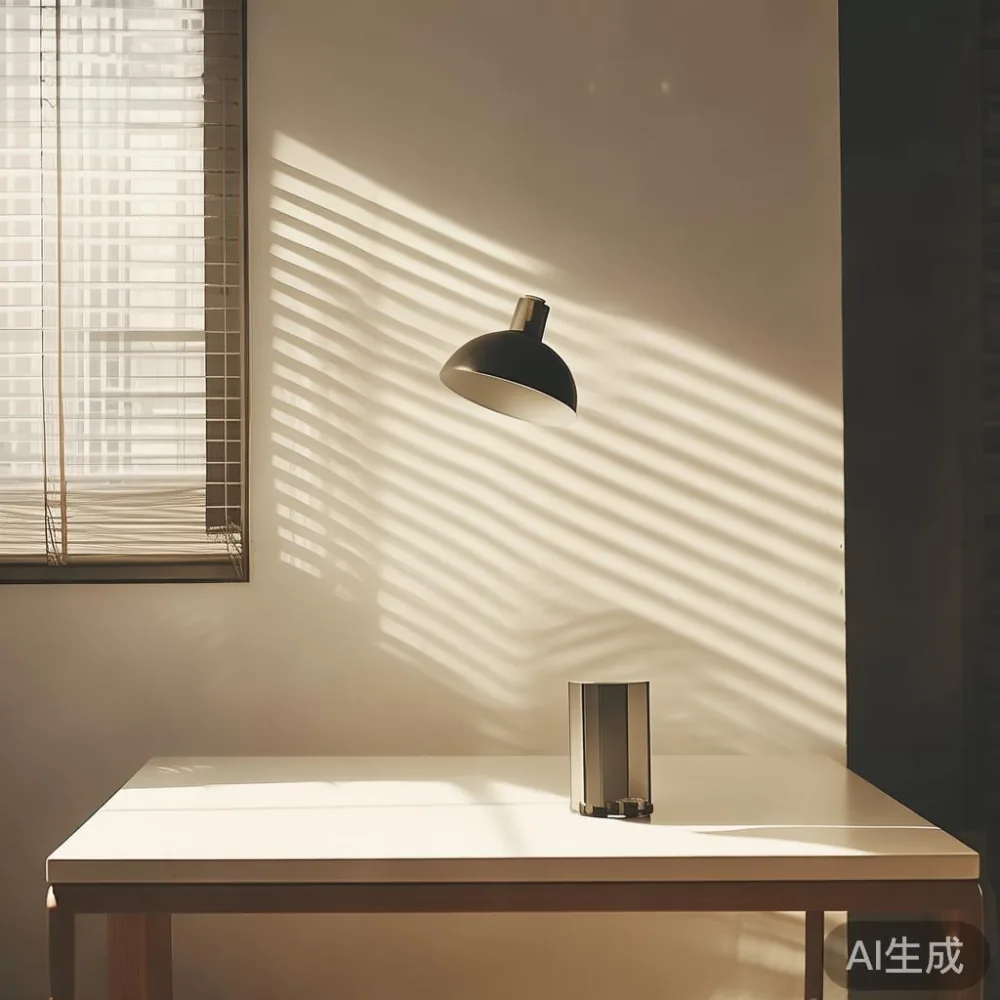
The useful question is not whether lacquer can survive Singapore’s climate. Many lacquered surfaces can. The issue is whether the table has been specified, positioned, and maintained with tropical conditions in mind. With sensible habits, a solid timber side table can retain its depth of colour and reflective finish for years while remaining practical in a 300–600 sq ft home.
At MIDHILL, established in 2008 and shipping solid wood furniture to more than 15 countries, we build around the expectation that a finished piece should be understandable after delivery. This guide explains how to identify the lacquer, control moisture, clean it correctly, and respond to small marks without stripping the protective coating. It also considers the realities of HDB corridors, condo living, and Singapore’s wet seasons.
What makes lacquer different in Singapore’s heat and humidity?
Lacquer is a clear or coloured surface coating applied over prepared timber. Unlike an untreated solid wood table, it forms a barrier between the wood and the room. That barrier improves resistance to spills, fingerprints, and ordinary scuffs, but it does not make the table immune to environmental stress.
Singapore’s daily maximum temperature commonly reaches 31–33°C, and relative humidity can remain above 80% during the monsoon periods. A lacquered side table located near an open window may also encounter salt-laden air, especially in areas close to the coast. Meanwhile, dry air from an air-conditioner can pull moisture from an exposed edge over repeated cycles. The coating may develop fine surface marks, lose gloss, or develop tiny cracks if quality control and care are poor.
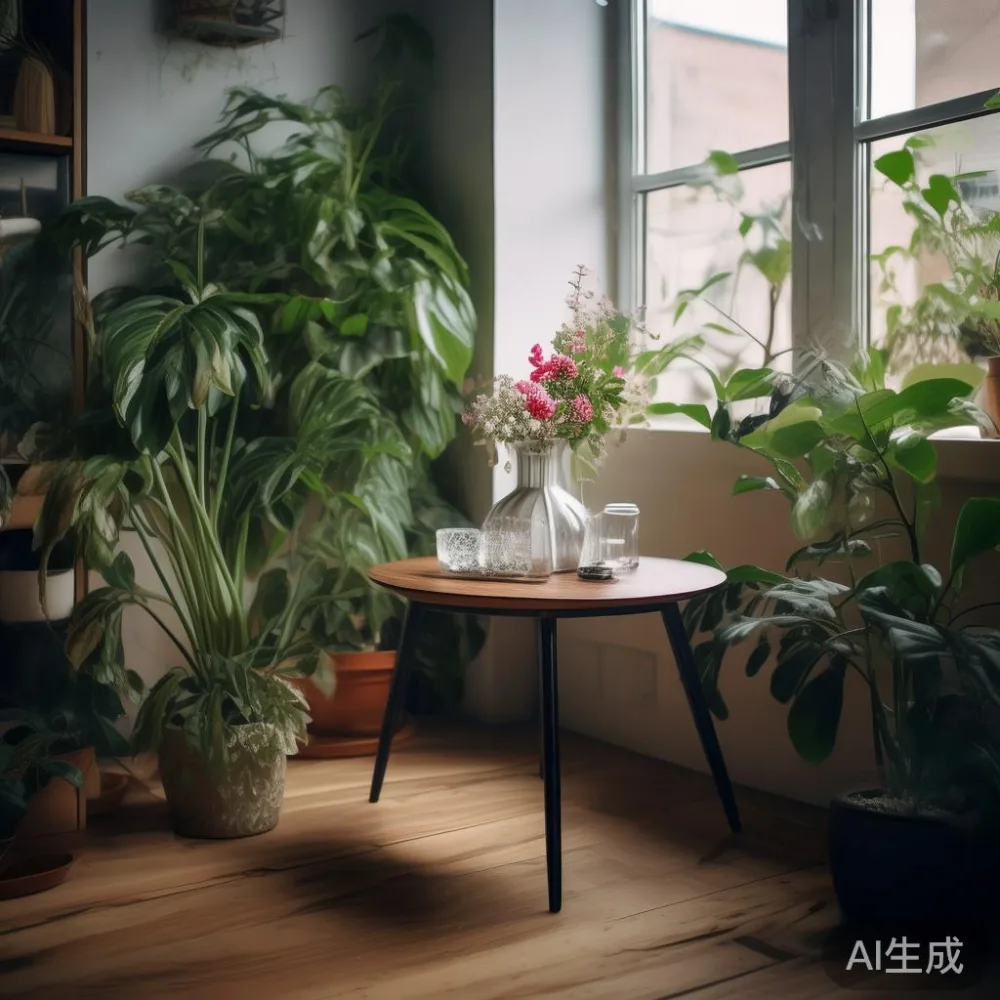
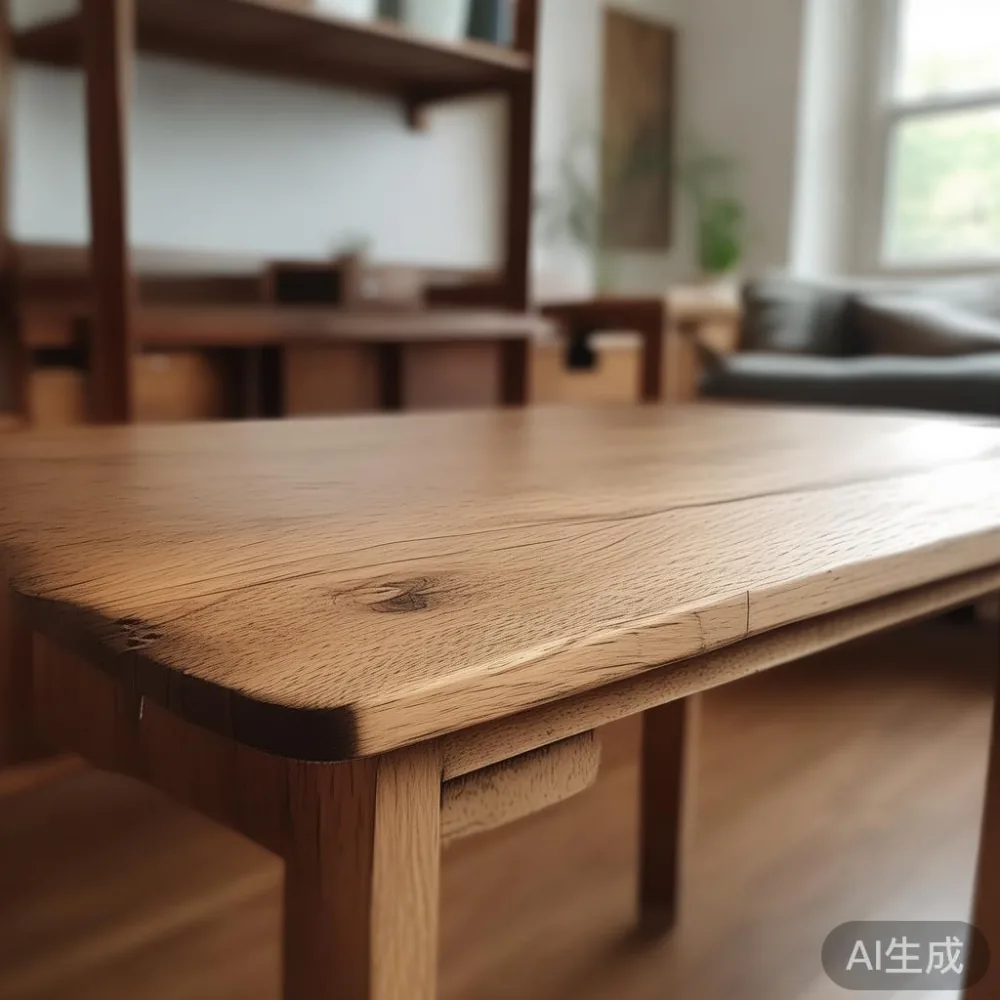
Wood movement remains relevant even beneath lacquer. A 50 × 50 cm side table with 18 mm solid timber panels can expand by roughly 2–4 mm across its width as humidity changes. A well-applied lacquer system is designed to flex with the substrate. A thick, brittle coating on a poorly prepared base is more likely to show a white stress line. This is why care should include sensible placement as well as the right cloth.
Light-luxury design does not depend on excessive ornament. French light luxury often uses clean profiles, muted tones, and tactile timber; American light luxury leans toward generous proportions and comfort-led forms; post-modern light luxury can pair restrained geometry with contrasting materials. In each approach, a lacquered side table works best when the finish is treated as part of the architecture rather than as a disposable surface.
How do I know whether my side table has lacquer or another clear finish?
<Check the product label or purchase record before using any cleaner. A lacquered table should have a smooth, continuous surface with a generally even sheen. Natural oil, hardwax oil, and wax finish differently: they often leave the timber more visibly textured, and a water droplet may sit on the surface temporarily rather than bead as it does on some lacquers.
Do not perform an aggressive scratch test with a coin or knife. That can damage the finish. Instead, look underneath the table, inside a drawer, or along an edge that should have been finished during manufacture. A lacquered side table may show a smooth, sealed underside and neatly covered fastener areas. An oiled table usually exposes untreated or lightly finished wood in those positions.
If the documentation is unclear, begin with the least invasive method: a dry microfibre cloth followed by a lightly damp cloth, with no detergent. For a valuable or older piece, ask the supplier for a finish identification and recommended care product. MIDHILL can advise according to the specified lacquer system, which is safer than applying an generic silicone polish or solvent.
Also note the difference between lacquer and a laminated surface. A printed melamine panel may show repeating wood-grain patterns, while veneer may reveal a thin paper or plastic edge. A lacquered solid timber side table should have a quiet, consistent grain beneath the coating, although high-gloss finishes can reflect light in a way that disguises pores.
What is the safest way to clean a lacquered side table?
Use a clean, soft microfibre cloth. For routine dust, dry wiping is enough. For fingerprints and light marks, dampen the cloth with plain water and wring it until it is merely damp, not wet. Wipe in the direction of the grain, then use a second dry cloth to remove moisture.
For a slightly dirty surface, dilute a small amount of mild dishwashing liquid in a bowl of water. Use approximately 1 ml per 500 ml of water, or about half a teaspoon in 250 ml. Apply it to the cloth rather than pouring it onto the table. A 40 cm square section of microfibre cloth should be enough for most side tables.
Keep the following away from lacquer:
- Ethanol, acetone, nail-polish remover, and household degreasers.
- Ammonia-based glass cleaner, which may haze some coatings.
- Silicone furniture sprays, which can leave a greasy film.
- Wet scrubbers, magic erasers, abrasive pads, and steel wool.
- Direct application of waxes or “furniture food” unless the finish manufacturer confirms compatibility.
Work on a 20–30 cm section and inspect it from a low angle under daylight. If the finish dulls, changes colour, or develops a ring, stop immediately and dry the area. Hard water can leave mineral marks after moisture dries. Singapore tap water is generally manageable, but a filtered or distilled option gives more consistent results for a pale lacquer.
Never flood the joint lines. Water entering an unfinished underside can darken the timber or encourage mould. Wipe the top, edges, and legs separately, and do not leave a damp cloth folded against the side table overnight.
Can heat, sunlight, and air-conditioning damage lacquer?
Yes, but placement usually matters more than occasional exposure. Keep a lacquered side table at least 60 cm from a window with direct afternoon sun. If that is impossible in an HDB flat, use a sheer curtain with a UV filtration factor of at least 50%, or a blind that reduces direct exposure without trapping heat against the timber.
Do not place the table directly in front of an air-conditioning outlet. A stream of air at 18–22°C can create repeated cooling and warming around one edge. Instead, maintain at least 1–1.5 m clearance where the layout allows, and avoid directing a floor fan at the table for more than a few hours a day.
LED lamps are preferable for reading corners. If a table lamp sits on the lacquered side table, use an LED bulb rated at 8–12 W and keep it at least 15 cm above the surface. Halogen lamps produce more heat and ultraviolet energy. A small table should also have stable clearance: for a 50 cm round top, a lamp with a base diameter below 20 cm reduces the chance of tipping.
Condensation requires prompt action. If cold drinks or air-conditioner condensation form on the surface, wipe the moisture away rather than letting it sit. A coaster with a 5–8 cm diameter helps protect the lacquer from rings. Choose silicone or felt-backed coasters with clean edges; avoid rough cork and unfinished stone that may scratch.
Do not place a lacquered side table against a damp exterior wall, beside a bathroom doorway, or under a leaking window seal. In a ground-floor Bedok unit, monitor the area after heavy rain. In a high-rise Punggol condo, condensation risk is lower, but direct sun through east- or west-facing glazing remains a factor.
How should I remove scratches, dull patches, and ring marks?
Start by determining whether the mark is in the lacquer or in a removable object sitting on the table. A ring around a glass may simply reflect the grain beneath a high-gloss finish. Clean the entire panel with the damp-cloth method and allow it to dry for 20–30 minutes before judging the result. Uneven cleaning can create a temporary haze that resembles damage.
For fine surface scratches, use a clean, soft cloth and a finish-approved plastic polishing product. Apply only a quantity the size of a 5 mm coin, then buff for 30–60 seconds with light pressure. More product is not better; residue can collect at the edge and encourage further dulling.
Deep scratches, chips, lifting, or a split require a different response. Do not sand the whole table. Photograph the damage in daylight, measure the affected area, and contact the maker. A small 1–2 cm chip may be treated through local touch-up, while a 10 cm section along a joint may require recoating or replacement of that panel.
Heat can sometimes draw out a shallow water ring, but this approach should be used carefully and only if the supplier approves. Keep the hairdryer at least 30 cm away, use the cool setting for 30 seconds, and stop at the first sign of softening or colour change. Excess heat can permanently haze lacquer.
If the finish is severely worn, chemical stripping is not a home-cleaning task. It can remove colour from the timber, expose uneven grain, and release solvents into the room. A professional refinishing process is the controlled solution.
How do I protect a side table while keeping a Singapore home comfortable?
Good habits reduce the need for correction. Place the table in a stable zone away from direct sunlight, high airflow, and food preparation. Use trays for keys, spectacles, and small items rather than scattering them across the lacquer. Fit felt pads beneath the feet, but replace them every 12–18 months as embedded grit can create circular scuffs.
For a compact HDB living room, a 40–50 cm side table is often easier to maintain than a bulky 65 cm model. Leave 10–15 cm between the table and a solid wood sofa so that cleaning and lifting are practical. If a narrow corridor must accommodate the piece, confirm that the packed box is no wider than the actual entrance route. A typical side table carton might measure 65 × 60 × 35 cm, but the larger dimension should be checked against a lift door of about 90 cm and corridor turns before ordering.
Condo owners may want furniture to coordinate rather than match exactly. A French provincial for dining room scheme can pair a carved dining table with a simpler lacquered side table in the adjacent living area. In a separate bedroom, a lacquered nightstand may coordinate with a solid wood bed frame, while a wardrobe remains visually quiet. These decisions matter because oversaturated finishes can make a modest flat feel visually crowded.
The phrase “MIDHILL light luxury bed” may appear in design catalogues, but a bed frame is a different finish environment from a lacquered side table and should not receive the same cleaner without checking the specification. Likewise, comparisons such as “European sofa vs French provincial sofa” concern silhouette and proportion, not lacquer care. For a marble table, the cleaning rule is also different: soapstone or marble cleaners can damage lacquer if they spill onto neighbouring furniture.
What should I do before ordering a lacquered side table for my flat?
Ask for three pieces of information: the timber species, the lacquer type, and the supplier’s care guidance. Solid timber responds differently from engineered wood, and water-based lacquer differs from solvent-based or conversion finishes. Confirm that the coating covers the top, underside, edges, legs, and drawer interiors where applicable.
For delivery planning, measure the lift entrance, lift car, landing, and corridor. A standard Singapore moving carton may need to fit through a 90 cm lift opening and turn along a corridor no wider than 100–120 cm. Confirm whether assembly is required and whether the side table can be separated into two pieces. Check the warranty terms, return window, and who bears damage in transit.
MIDHILL offers a 10-year structural warranty, lifetime refinishing, free shipping above US$350, and a 14-day return period. For Singapore orders, the price shown at checkout should include GST. Any local delivery quote should also state the number of delivery days, the delivery type, and whether the installers carry the piece beyond the lift. Furniture delivered to the lift lobby is common in dense estates, but carrying it into the unit may require an additional service.
Cost comparisons can be misleading when freight, GST, assembly, and aftercare are omitted. A search for cheap European light luxury furniture may return a lower sticker price, yet the lacquer specification and long-term support may differ. Compare like with like: the same timber thickness, coating layers, joinery, warranty period, and delivery terms.
Is a lacquered side table practical for a humid HDB or condo?
Yes, if the finish is sound and the table is placed intelligently. Lacquer gives a useful daily barrier against spills and provides a smooth surface that is easier to wipe than deeply textured timber. It will not, however, tolerate standing water, harsh chemicals, direct sun, or careless movement.
I tested a 45 cm lacquered side table beside the main window of a Tampines HDB flat last month during a week of continuous rain. I recorded indoor readings of 28–30°C and 76–84% relative humidity, placed a glass of iced water on the top for 20 minutes, and exposed one edge to an air-conditioner stream for 3 hours. The water ring disappeared after a clean dry cloth was used promptly, and no visible swelling appeared at the edge. A deliberately abraded control strip, however, showed a fine white line. That result confirmed the value of preventing scratches instead of trying to polish them away.
For a small bedroom, a question such as “is Japanese bed worth it” leads to questions about space, comfort, and materials, while “Japanese for guest room” concerns layout and visual calm. A lacquered side table beside the bed can serve as a stable nightstand, provided it is at least 35–40 cm high for easier access. Place a 3–5 cm gap between the table and the bed frame so that drawers can open without collision.
How often should a lacquered side table be maintained?
Dust it once a week, clean it with a damp cloth every 4–6 weeks, and inspect it every 3 months. During periods of intense humidity or direct afternoon light, check the underside and edges for lifting. Wipe any condensation immediately. If the table sits near a kitchen or dining zone, clean it after spills rather than waiting for the next scheduled wipe.
Keep a simple care record. Note the date of the last cleaning, any mark that appeared, and the lighting conditions around the table. If a problem develops, this information helps the supplier distinguish ordinary wear from a finish defect. The goal is not to maintain a showroom-perfect surface through constant intervention. It is to use a few measured habits that protect the lacquer, preserve the timber beneath it, and allow the side table to remain useful for years.