The Art of the Side Table: Styling Singapore's Small Apartments Without the Crowded Feeling
In the compact world of Singaporean living, where every square centimetre counts, the challenge of creating a home that feels both spacious and personal is a daily reality. For residents of HDB flats in Tampines or condos in Punggol, the narrow lift corridors and limited storage space make intelligent furniture choices paramount. The solution often lies not in acquiring more, but in choosing smarter, more versatile pieces that serve multiple functions without overwhelming the visual field. This is where the unassuming side table becomes an indispensable tool in the decorator's arsenal, offering a perfect blend of form and function.
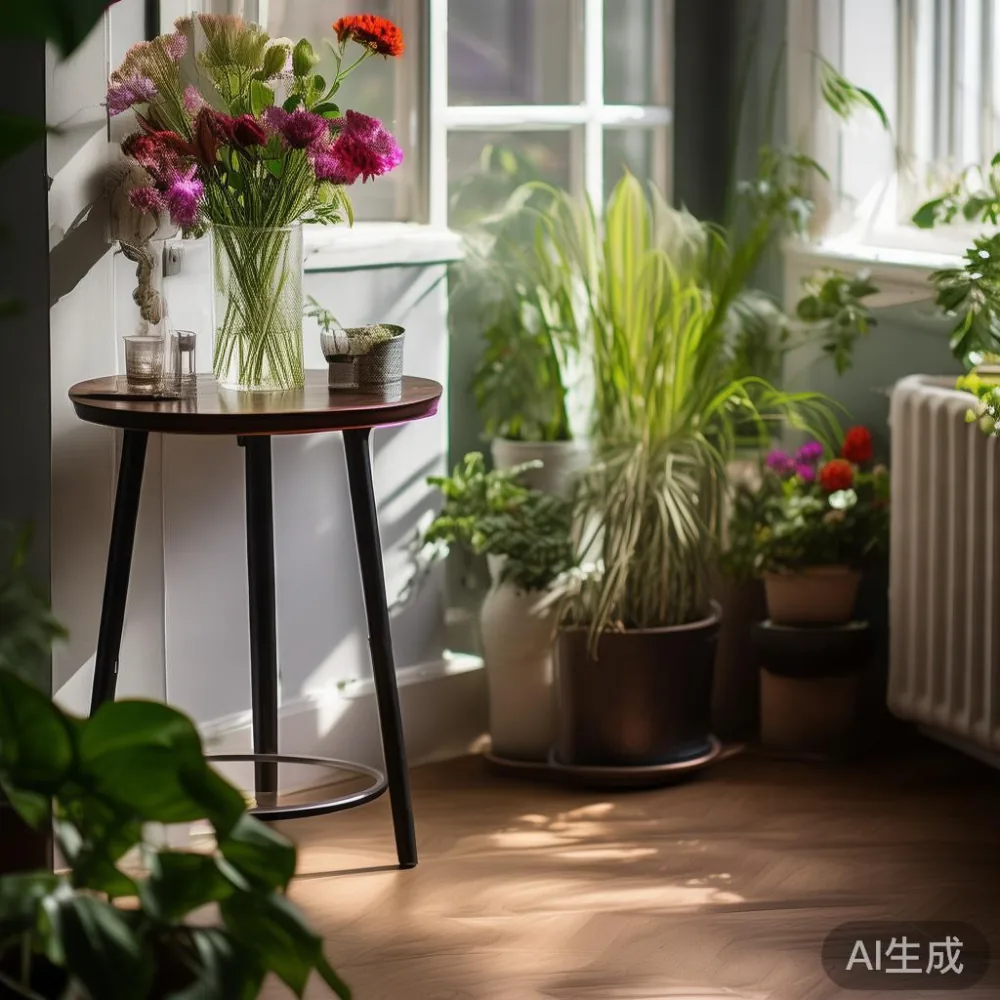
Why the Side Table is Your Small Apartment's Best Friend
A common misconception is that to make a small space feel larger, one must fill it with minimal, tiny furniture. In reality, a room filled with small, low-quality items can look cluttered and chaotic. A well-chosen side table, however, provides a sense of structure and purpose. Placed beside a sofa, it offers a surface for a lamp and a coffee mug. Positioned next to a bed, it becomes a nightstand for a phone and a book. Its vertical presence draws the eye upward, creating the illusion of height, while its footprint remains minimal, typically ranging from 40 to 50 cm in width, ensuring it doesn't encroach on precious walkways.
Consider the typical Singaporean bedroom. A queen-sized bed frame occupies a significant portion of the room, often leaving little room for additional furniture. A bulky nightstand can make getting out of bed a tight squeeze. A slim, elegant side table, however, can slide into the 30 cm gap between the bed and the wall with ease. This is a lesson I learned last month when I visited a colleague’s newly renovated 3-room HDB flat in Bedok. She had replaced her old, clunky nightstands with two of our 45 cm wide solid wood side tables. The difference was astonishing; the room instantly felt more open and breathable. She mentioned how much easier it was to move around, a simple but significant quality-of-life improvement.
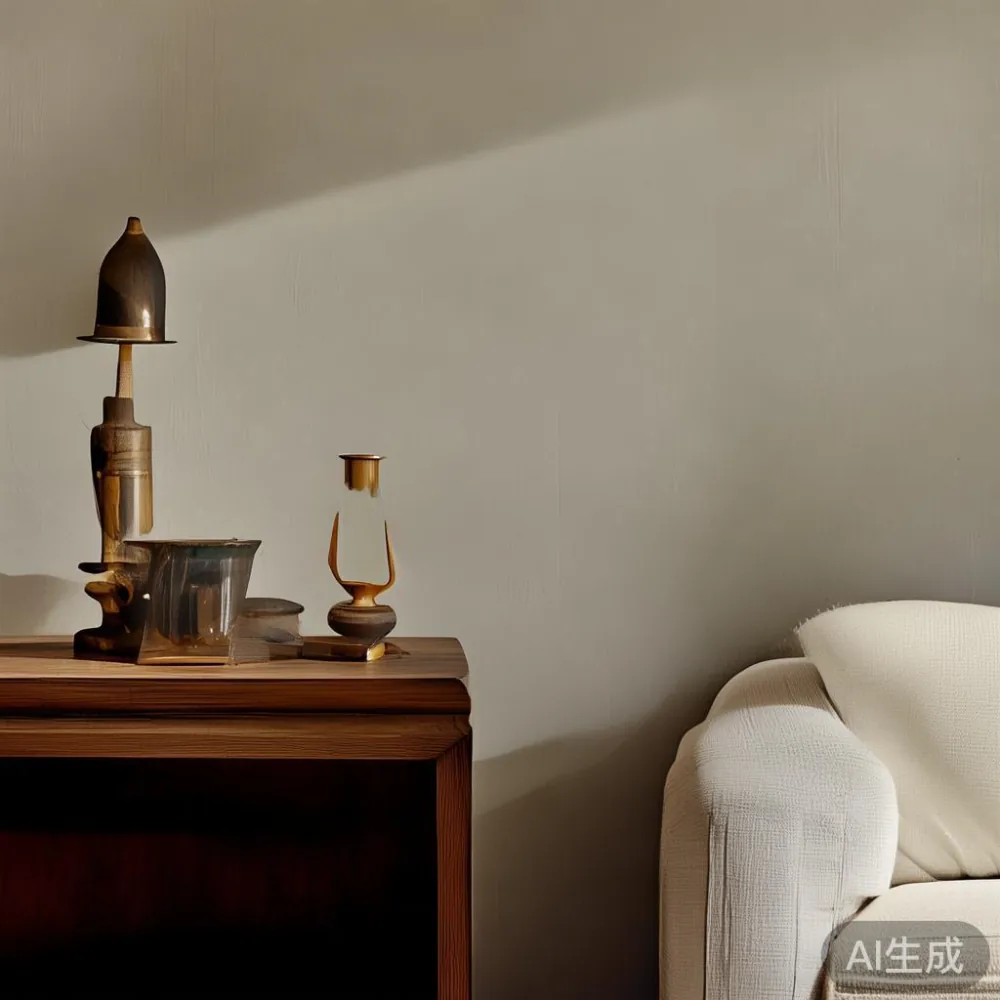
Choosing the Right Material: Wood, Marble, and Beyond
The material of your side table plays a important role in defining the room's aesthetic. Solid wood, a specialty of brands like MIDHILL, offers warmth, durability, and a timeless appeal. A solid wood side table, with its natural grain and sturdy construction (weighing around 12-15 kg), adds a touch of organic luxury that can soften the hard lines of a modern apartment. For a lighter, more airy feel, consider a marble-topped side table. The cool, reflective surface of marble can make a space feel larger and more sophisticated. A marble table top, often paired with a slender metal or wood base, is a statement piece that doesn't demand much visual space.
When selecting a material, also consider the practicalities of Singaporean life. Solid wood is solid and can withstand the occasional bump, making it ideal for homes with children or pets. Marble, while beautiful, is porous and can be prone to staining from common kitchen spills like soy sauce or coffee, so it requires more careful maintenance. The weight is another factor; a marble-topped side table can be significantly heavier, sometimes exceeding 20 kg, which might be a consideration for upper-floor units where manual lifting is required.
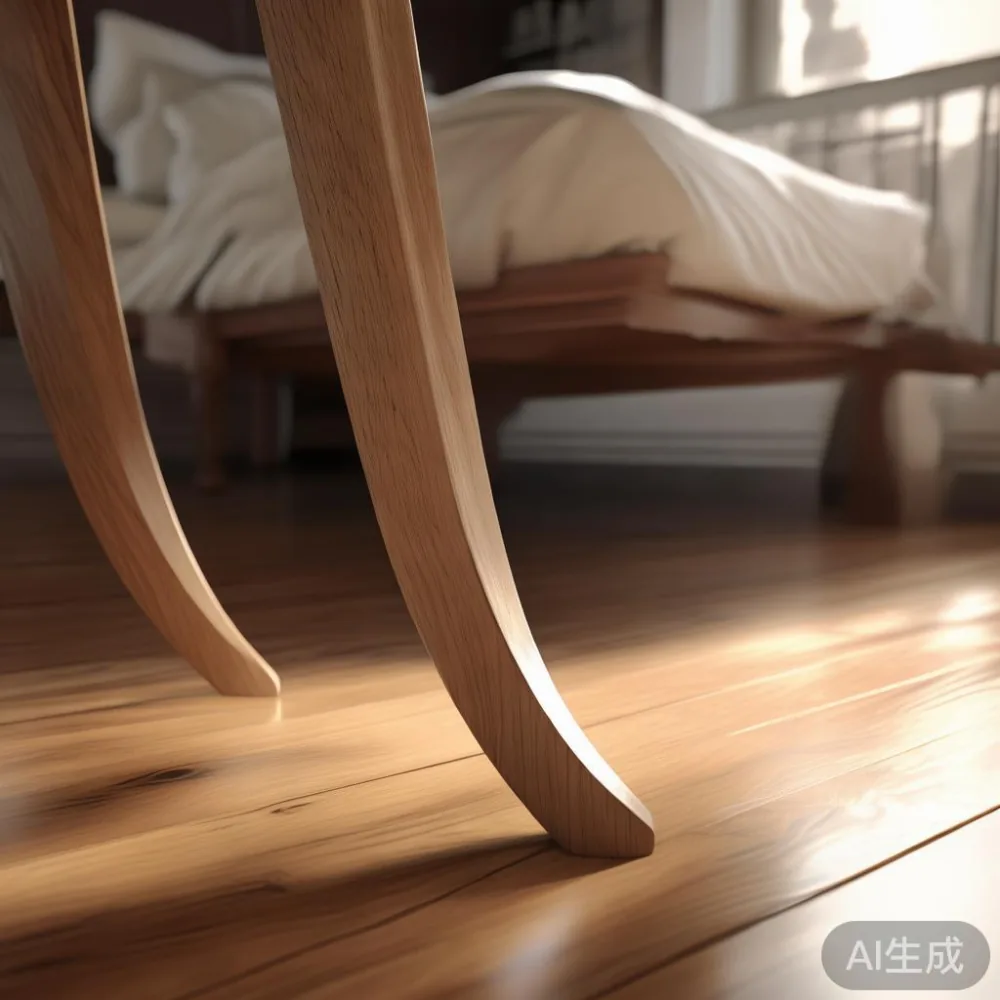
How Tall Should Your Side Table Be?
Proportion is key to creating a harmonious and uncluttered look. The height of your side table should be dictated by its function and its neighbouring furniture. A side table placed next to a sofa should be roughly the same height as the sofa's armrest. This creates a clean, continuous line and ensures that items placed on it are within easy reach. For a standard 40-45 cm high sofa arm, a side table with a height of 50-55 cm is ideal.
When used as a nightstand beside a bed, the side table should be at a height that is convenient for reaching from a lying position. This is typically slightly lower than the mattress, around 50-55 cm for a standard bed frame. This ensures you can easily place your phone or a glass of water on the surface without having to stretch or knock it over. Getting these proportions right prevents the furniture from looking mismatched and contributes to the sense of order in the room.
Where to Buy Wardrobe from MIDHILL and Other Smart Furniture Choices
While the side table is a hero piece for small spaces, it doesn't exist in a vacuum. The entire furniture ecosystem must work together to create a cohesive and uncluttered environment. Storage is the other half of the equation. A wardrobe that is too bulky can dominate a bedroom, making it feel cramped. This is where a well-designed wardrobe from a reputable brand becomes important. Many modern wardrobes are designed with slim profiles, often no more than 60 cm deep, to maximise floor space while providing ample storage for clothes and accessories.
When considering larger pieces like a sofa or dining table, the principles of scale and multi-functionality apply equally. A how to choose American sofa guide would advise looking for a design with exposed legs, which creates a sense of openness underneath, making the floor space appear larger. For the dining area, a European light luxury for dining room set, often characterised by clean lines and elegant proportions, can make a small dining area feel like a dedicated, sophisticated zone without being overly ornate or space-consuming.
European Light Luxury Bed vs French Provincial Bed: Making the Right Choice
The bedroom is a sanctuary, and the bed is its centrepiece. The choice between a bed frame style can significantly impact the room's perceived size. A European light luxury bed vs French provincial bed presents a clear distinction in spatial impact. The European style, with its minimalist frame, low profile, and often geometric shapes, is inherently designed for modern, compact spaces. It takes up less visual real estate and allows for more flexibility in arranging other furniture, like a pair of slim side tables.
A French provincial bed, on the other hand, with its ornate headboard, curved details, and often more substantial frame, can be a beautiful statement piece but may feel overwhelming in a small room. It requires more space around it to be appreciated properly, which can be a luxury in a Singaporean apartment. For those who love the romantic aesthetic of French design, a scaled-down version or a lighter interpretation might be a better compromise. The same logic applies to seating; a light luxury sofa vs Mid-century modern sofa might both be stylish, but the clean-lined, often lower-profile mid-century design can sometimes make a living area feel more expansive.
Practical Considerations: Delivery, Returns, and GST
Purchasing furniture for a small apartment involves more than just aesthetics; practical logistics are equally important. Reputable brands understand the challenges of Singaporean urban living. For instance, free shipping over SGD 350 is a significant benefit, as it saves residents the hassle and cost of arranging transport, especially for items like a solid wood sofa or a marble table that require careful handling. Delivery times are another factor; a standard delivery window of 7-14 business days is typical, allowing for proper planning.
The Singapore Goods and Services Tax (GST) is a standard 9% that applies to all purchases, so it's wise to factor this into your budget. A flexible return policy, such as a 14-day returns window, provides peace of mind. It allows you to live with a piece of furniture in your actual space to ensure it fits both physically and stylistically before committing to it. This is particularly useful for items like a side table, where the perfect placement and scale might only become apparent once it's in the room.
What Are the Best Side Tables for Narrow Hallways?
Narrow hallways and corridors are common features in Singapore apartments, especially in older HDB blocks where the lift and corridor widths can be quite tight. These transitional spaces often lack a specific function but benefit from a touch of style and utility. A narrow side table, or console table, is the perfect solution here. A table measuring no more than 30 cm in depth can fit snugly against the wall without obstructing the path.
Such a table can serve as a drop zone for keys and mail, a place for a small plant to add a touch of greenery, or a surface for a decorative lamp. The key is to keep the top surface relatively clear to maintain an open feel. A tall, slender vase or a single piece of art can be more impactful than a collection of small items that could make the space look cluttered. When shopping for under 2000 Modern furniture, a console table is often an overlooked but highly effective piece for these challenging areas.
The Final Touch: Styling Your Side Table
Once you've chosen the perfect side table, the final step is styling it. The goal is to add personality without creating clutter. Start with a base: a small tray can corral smaller items like coasters and a remote control, keeping the surface organised. Add one or two objects of varying heights. A table lamp is a functional and decorative staple. Beside it, place a single hardcover book or a small sculpture. The rule of thumb is less is more; three well-chosen items are often more effective than ten small, disparate ones.
Remember to consider the colour palette. A side table can be used to introduce a pop of colour or a metallic finish that complements the room's main furniture. For example, a brass lamp on a walnut side table can add warmth and a touch of glamour. If you're looking for a more cohesive shopping experience, browsing on m.midhill.co can give you a good idea of how different pieces, from a solid wood sofa to a marble table, can work together in a light luxury style. The thoughtful arrangement of a single side table can be the finishing touch that pulls your entire small apartment together, creating a home that feels both spacious and deeply personal.